Fish leap from the abyss, displaying a thousand different postures, some swimming in clear waves, others diving to the bottom. The ancients said, "The river flows three thousand miles, clear in all four seasons, where fish and birds rejoice together." Yet in this world, the strange and wondrous forms of fish are even more numerous, leaving one in awe. Today, the market is flooded with ornamental fish; some are beloved by fish enthusiasts, some are as rare as gems, and some have bizarre shapes that elicit a wry smile.
This article will showcase ten unusual fish, presenting a myriad of phenomena like "kites soaring and fish leaping," highlighting the most peculiar ones: four-eyed fish, longfin mackerel, kissing fish, spitting swallowfish, Mark Toast fish, electric eel, fire-breathing fish, ancient butterfly, suckerfish, and mirror fish. These wonders are truly unique among fish.
1. Four-eyed fish
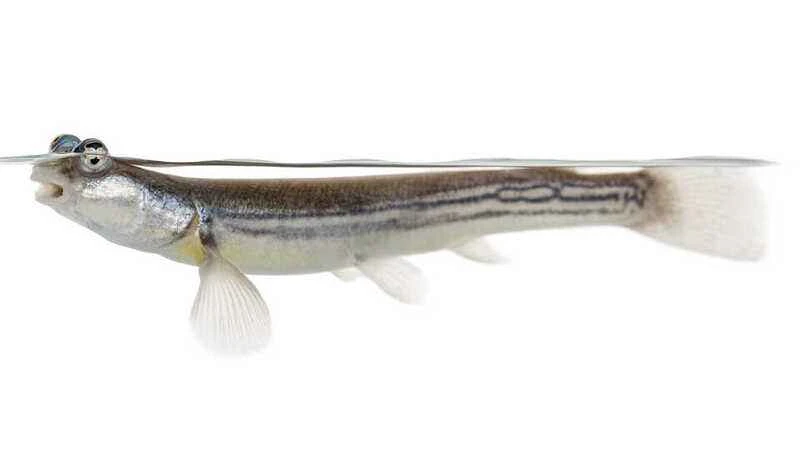
The four-eyed fish is a small fish that inhabits rivers in Central and South America and is notable for its unique eyes. Its eyes are shaped like those of a frog, protruding high on the top of its head, and have a very distinctive structure.
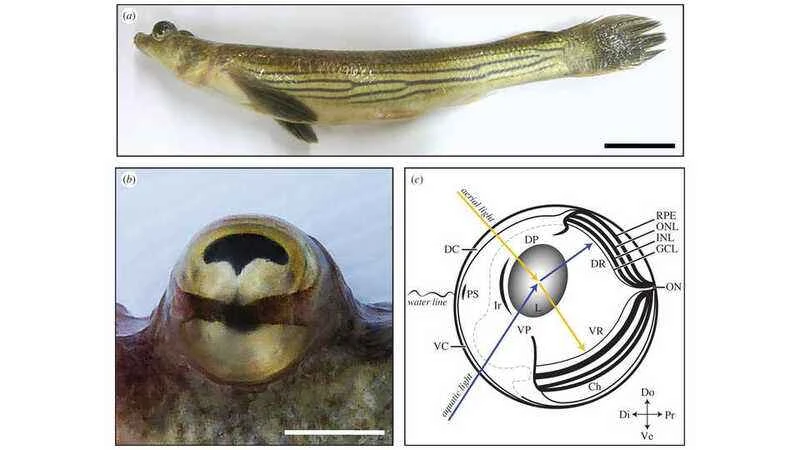
Although the four-eyed fish actually only has two eyes, the middle part of each eye is divided into upper and lower parts by a black horizontal line, and the pupil and lens are also divided, making it look like it has four eyes, hence the name "four-eyed fish".
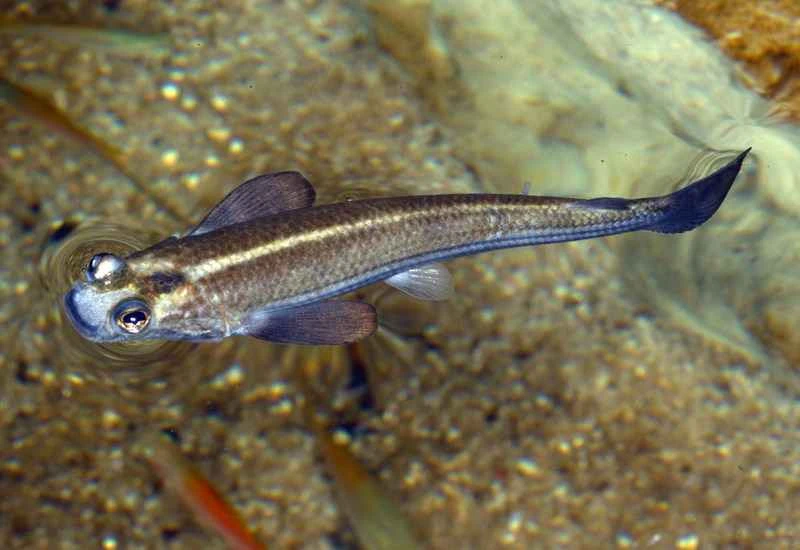
Its most distinctive feature is that it likes to keep its eyes above the water while swimming in order to observe the environment above the water, seemingly full of curiosity about the outside world. This behavior is rarely seen in other fish.
2. Longfin Mackerel
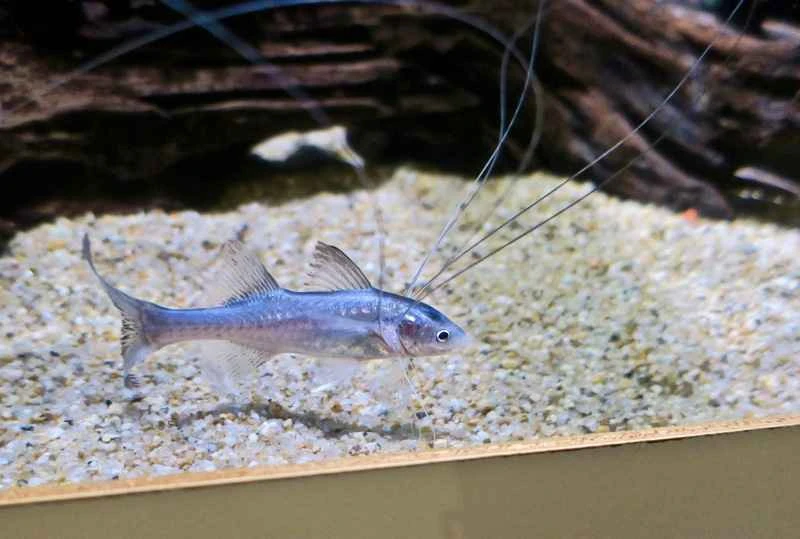
The longfin mackerel is silvery-gray in color and mainly feeds on crustaceans and small fish. It has long, slender fins on its abdomen, which serve as tactile tools for sensing its surroundings and finding food. The longfin mackerel's pectoral fins consist of two distinct parts; the lower part has many long, powerful, thread-like fin rays, resembling a "thousand-armed Guanyin," which is its most unique feature.
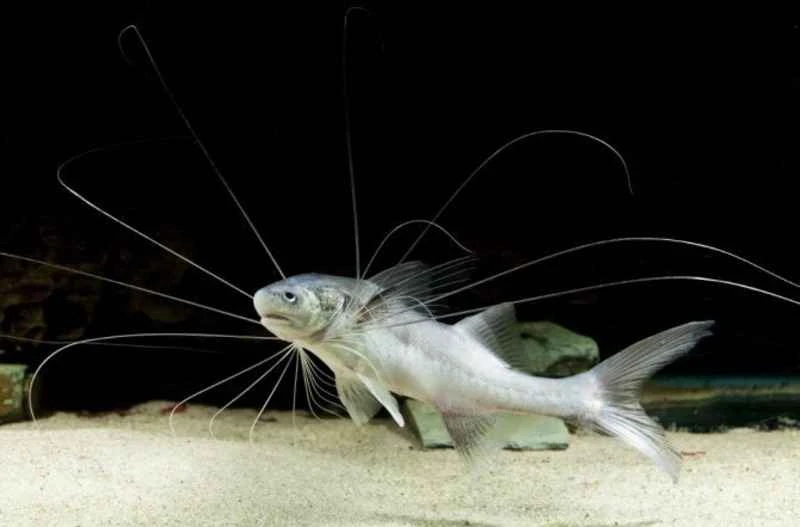
These thread-like fins are numerous, resembling whiskers and body hairs, some even longer than its body. Only the longfin mackerel can truly appreciate the agility it displays when moving.
3. Kissing fish
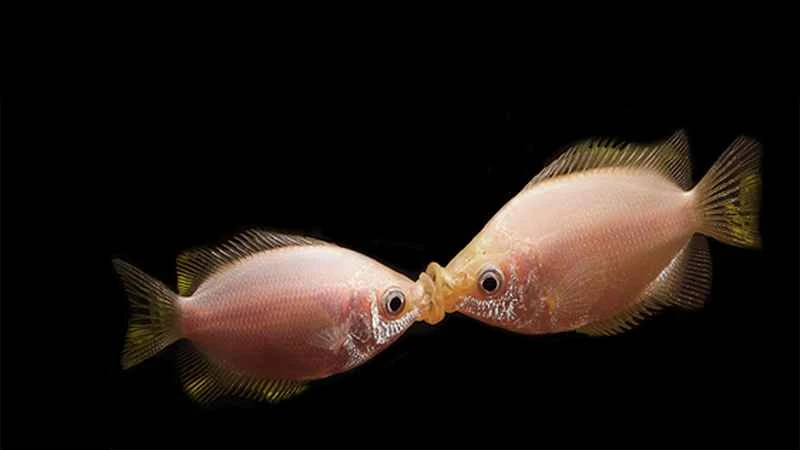
Kissing gouramis, also known as kissing bass, are typically milky white or pale pink, but can sometimes be silver-gray, blue-green, or white. They swim very slowly, yet with remarkable elegance, possessing a captivating charm and high ornamental value.
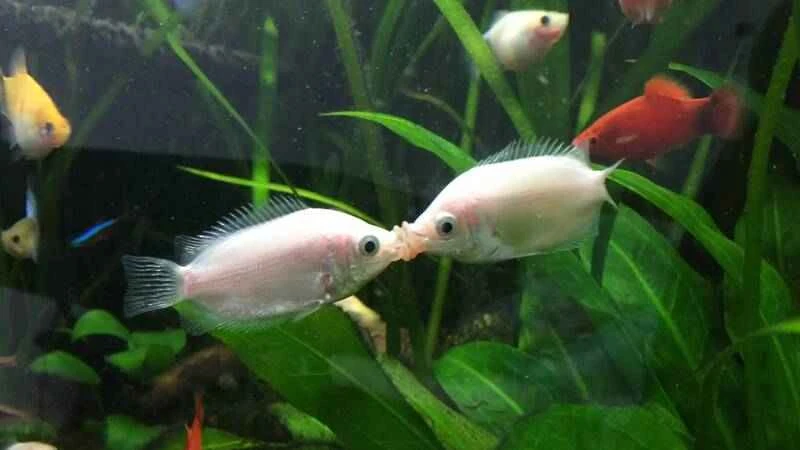
Kissing gouramis are arguably the most affectionate of all fish species. Whether with the same sex or the opposite sex, they enjoy "kissing," their lips pressed tightly together and rarely separating unless disturbed. Thus, the kissing gourami gets its name from this association, symbolizing enduring and lasting love.
4. Spray the swallowfish
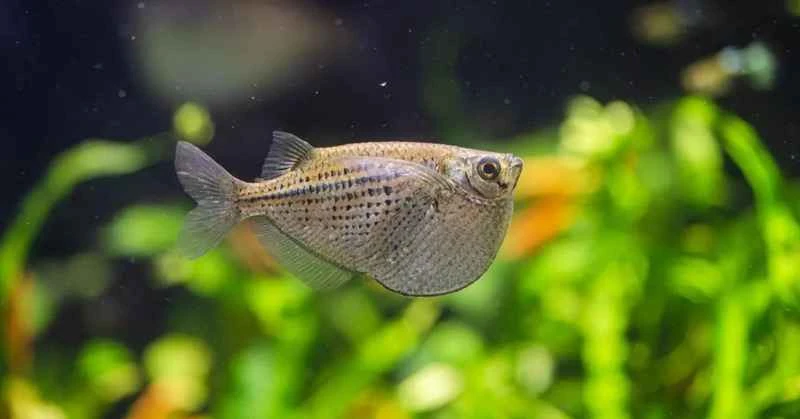
The spotted angelfish, also known as the axefish, is an ornamental fish with a very unique body shape and habits. Its abdomen is abnormally thick and disproportionate to other body parts, resembling an axe. At first glance, it may lead one to suspect that it is deformed.
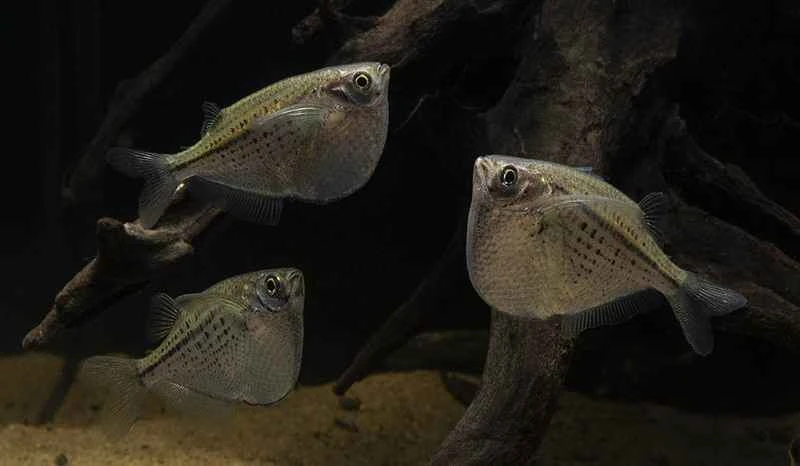
In addition, their pectoral fins are relatively large, and they may accidentally leap out of the water while swimming in the aquarium, regardless of whether they live or die. Some believe they like to jump out of the water for two main reasons: to escape predators and to catch insects on the surface. However, this behavior is not common in aquarium environments.
5. Mark's Toast Fish
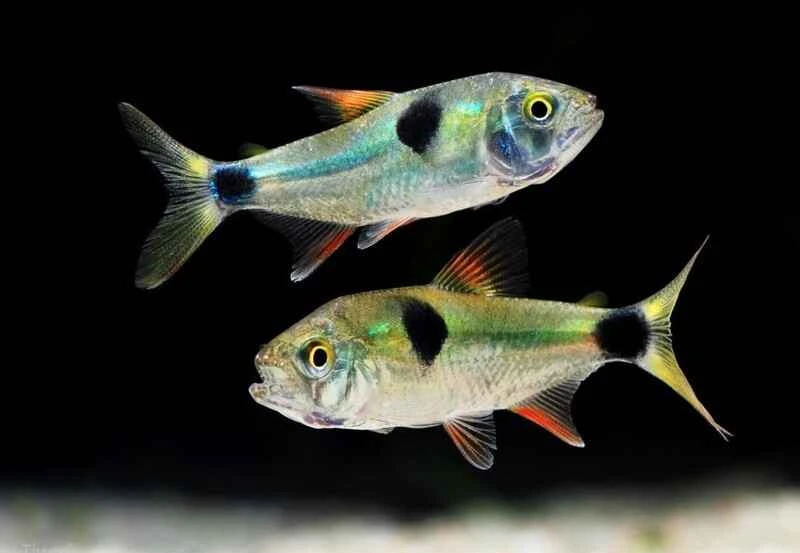
The Mark Toastfish is a relatively rare small predatory ornamental fish found in the market, primarily distributed in the Amazon River basin from Guiana to Brazil in South America. Despite its reputation for ferocity, this fish has a rather unique temperament.
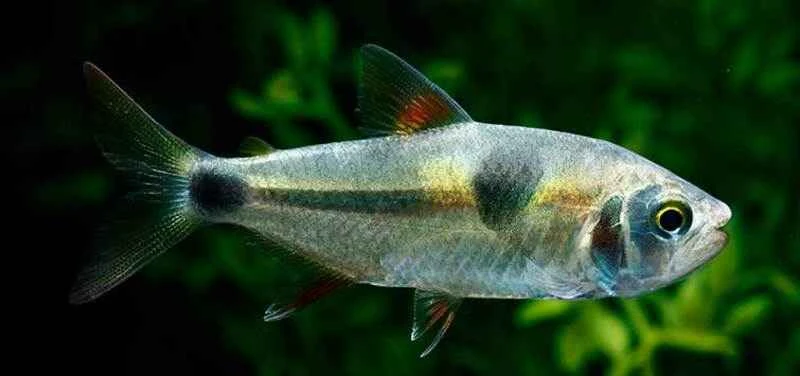
When they catch their prey, they prefer to tear it apart rather than simply peck at it. They often torture their prey to death, then start by eating the eyes and scales from the head, until all the scales are gone, leaving the carcass to float in the water. Their aversion to plant food is understandable, but to insist on eating hard fish scales when fresh meat is right in front of them is truly both laughable and pathetic.
6. Electric eel
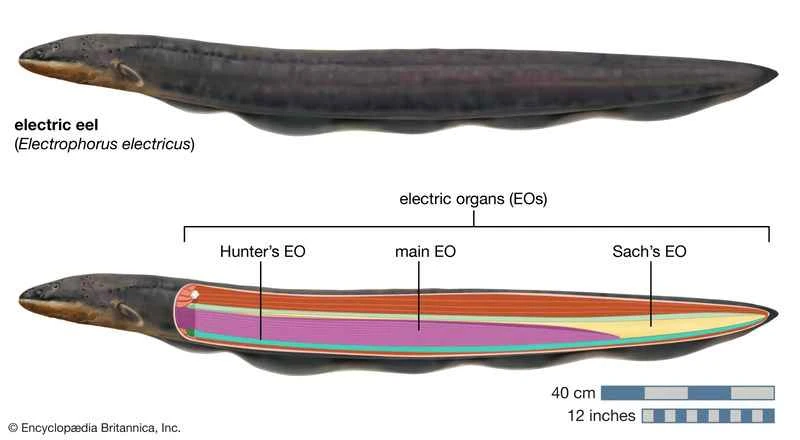
The muscles on both sides of the electric eel's tail consist of 6,000 to 10,000 regularly arranged muscle plates, separated by connective tissue and connected to the central nervous system by numerous nerves. Each muscle plate acts like a small battery, capable of generating about 150 millivolts. However, when nearly 10,000 of these "small batteries" are connected in series, they can generate a voltage as high as 800 volts, enough to render a person unconscious.
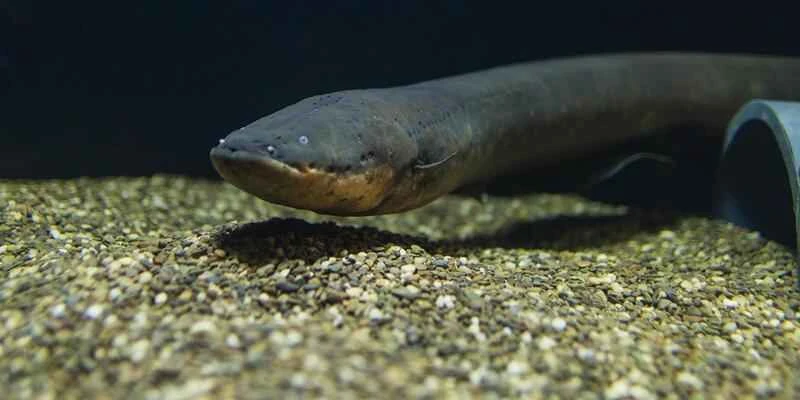
What's even more interesting is that despite the electric eel's amazing ability to generate electricity, its body is full of flaws and fatal weaknesses. It moves quite slowly, has a short digestive tract, no teeth, lacks dorsal and pelvic fins, its tail fin is also degenerate, and its eyes are also degenerate, which contrasts sharply with its powerful image.
7. Fire-breathing fish
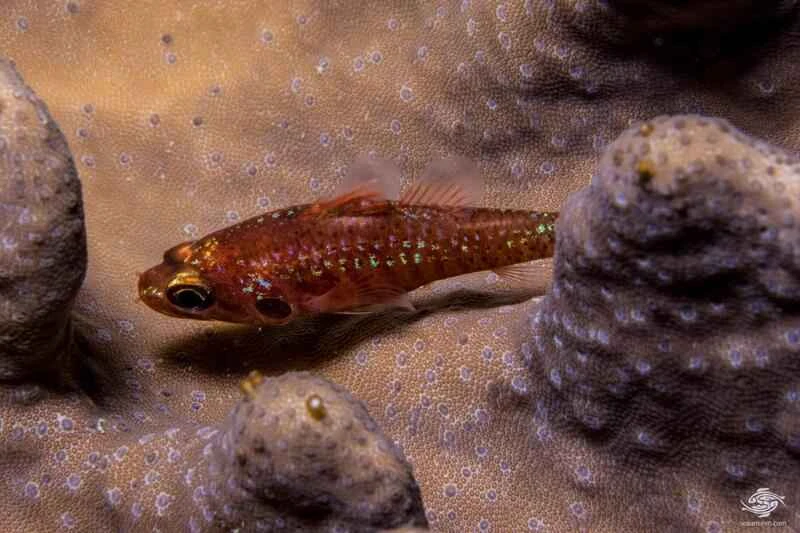
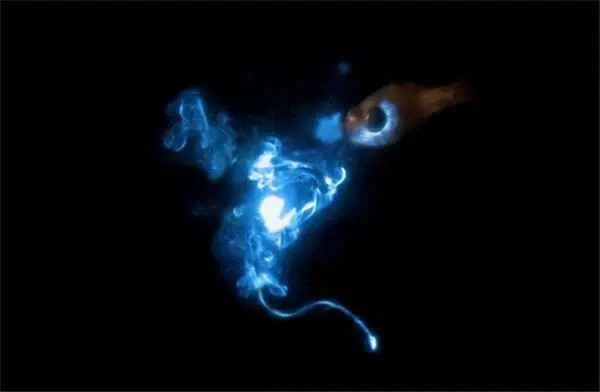
The fire-breathing fish normally obtains phosphorus-rich organic matter from its food and stores it in its body. Whenever it faces a threat, it releases this organic matter. Because phosphorus is flammable, the fire-breathing fish can shoot flames several times its own length to attack its enemies, which is one of the reasons why people love fire-breathing fish.

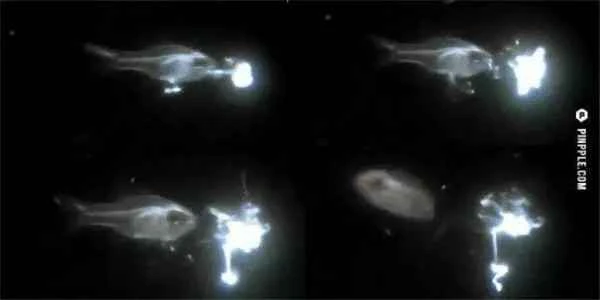
However, this peculiar ability actually arises in this way. The fire-breathing fish particularly enjoys preying on ostracods. When it swallows an ostracod, special glands secrete a liquid containing luciferin and luciferase. The mixture of these two substances emits a cold blue light. To protect itself, the fire-breathing fish regurgitates the ostracod, creating an effect similar to "breathing fire."
8. Ancient Butterfly Fish
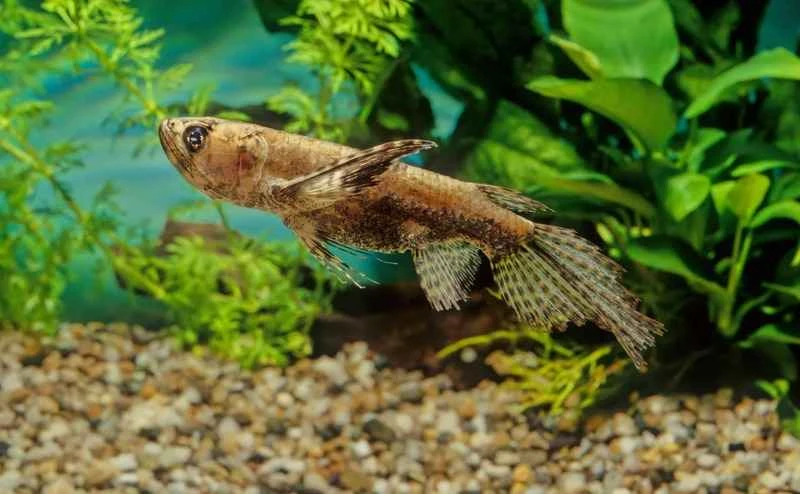
The ancient butterflyfish, of which only one species has been discovered to date, originated in West Africa and has now become one of the most popular ornamental fish. Strictly speaking, the ancient butterflyfish's appearance is not particularly eye-catching, or even stunning.
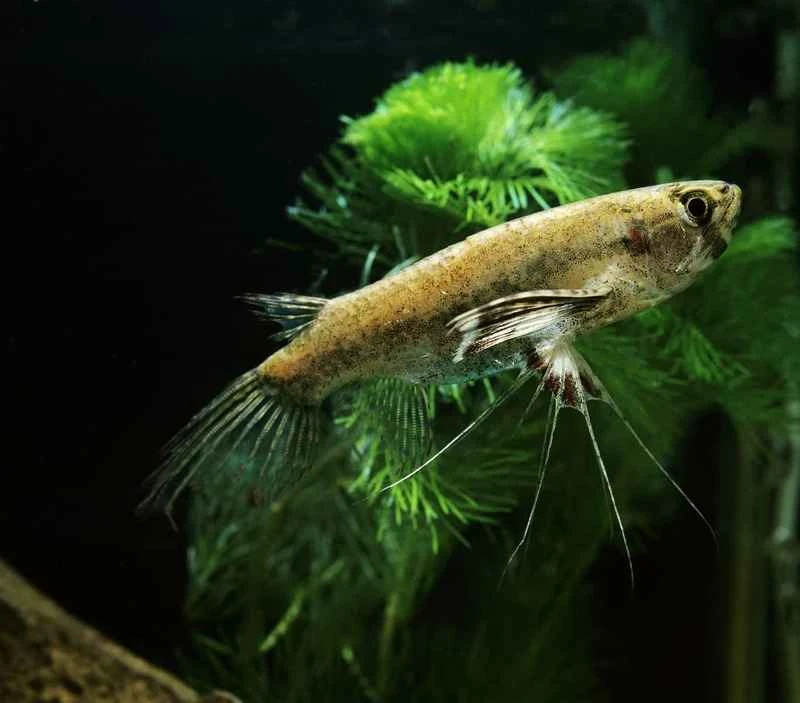
What makes them unique is their ability to fly. Their powerful tails allow them to leap out of the water, while their well-developed wing-like pectoral fins enable them to glide across the surface, as free as birds. When encountering prey insects, they can also leap out of the water instantly for a brief gliding chase. As a flying fish, the ancient butterflyfish is truly rare, and despite its unusual nature, its capabilities should not be underestimated.
9. Suckerfish
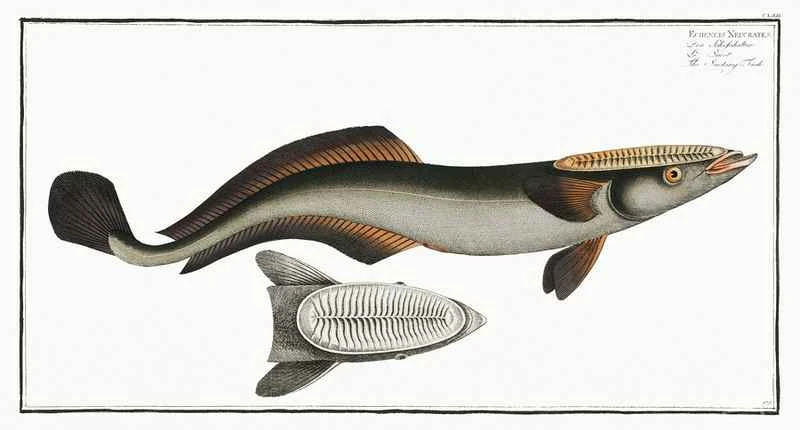
The head of a suckerfish is flattened, gradually transitioning to a cylindrical shape towards the rear. The sucker at the top, evolved from the first dorsal fin, allows it to attach firmly to the bottom of ships or other large fish and sea turtles. They are found in all the world's oceans. They mainly feed on other fish and invertebrates.
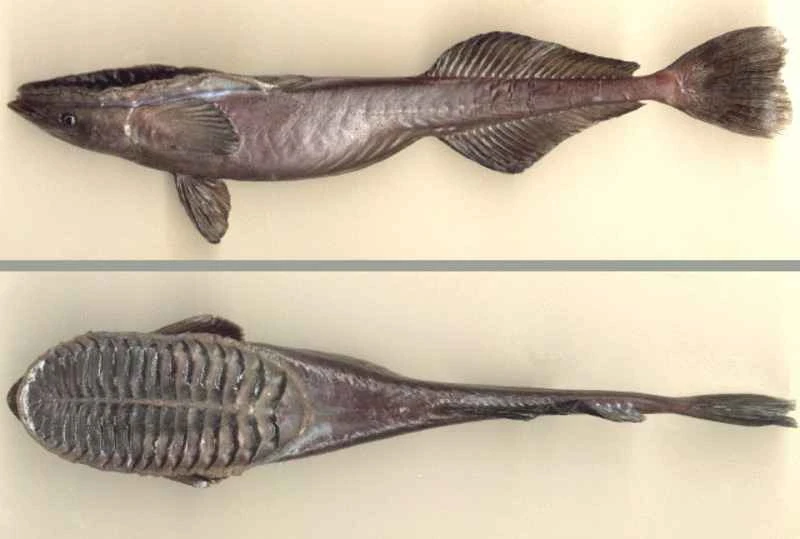
When they reach waters rich in fish food, remoras will temporarily leave their host, feed, and then attach themselves to a new host to continue their journey to new waters. As an extremely rare type of fish with suckers, and one that can "hitch a ride," the remora can be considered the "laziest" representative of the fish world.
10. Mirror Fish
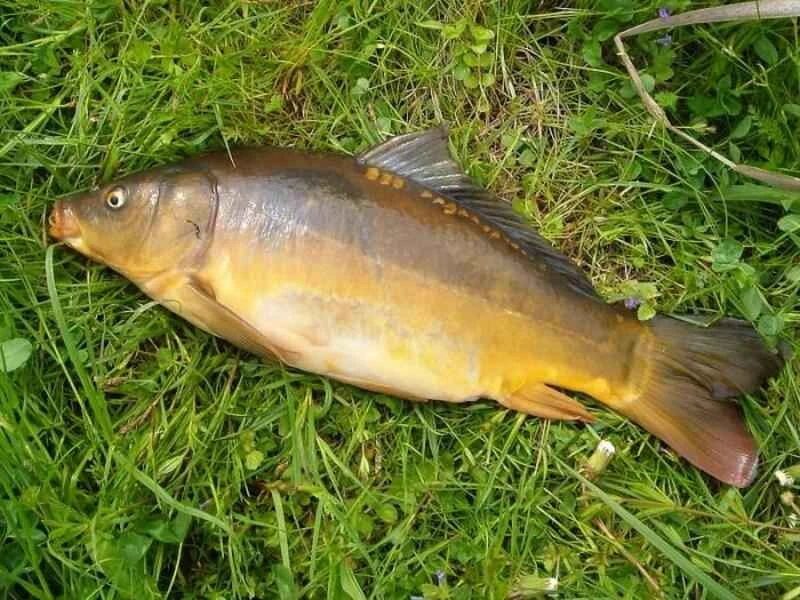
In Algerian fishing villages near the Mediterranean Sea, almost every girl owns a mirror for grooming. These mirrors have delicate curved handles and a clean, clear surface that reflects a person's face perfectly. However, these are not ordinary mirrors; they are made from a sturdy dried fish. The curved handle corresponds to the fish's tail, the back of the mirror is made of fish scales, and the shimmering surface is the fish's belly.
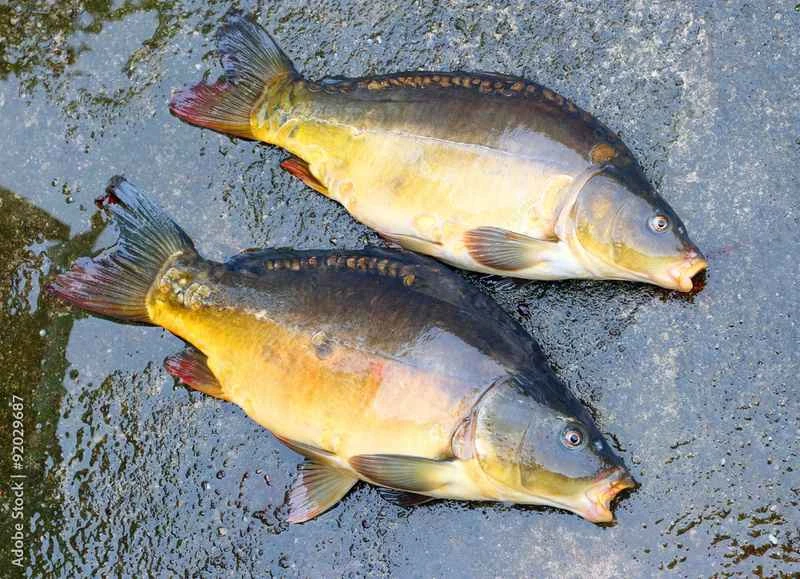
Therefore, locals call it the mirror fish. Live mirror fish are large, with smooth, shiny bodies, but very few scales; they are only found on the sides of the fins and in the middle near the tail, and there are only three scales in total. If it had more scales, perhaps it wouldn't need to be made into mirrors.
The list of the ten most bizarre ornamental fish is based on the physiological characteristics and habits of different species. This content is for entertainment purposes only; please feel free to comment/discuss at the end if you have any questions.