In the aquarium pet market, there's a small animal with a peculiar appearance—three feather-like "horns" on each side of its "cheeks"—that lies prone in the water, often called a "hexagonal dinosaur." Actually, its real name is the Mexican axolotl (Ambystoma mexicanum), also known as the Mexican salamander, a species endemic to Mexico. The feather-like "horns" are its external gills, allowing it to breathe oxygen in the water (Figure 1). However, they are not fish, but rather a very distinctive amphibian.
Typical amphibians breathe through gills in water during their juvenile stage and then breathe with lungs on land as they grow. This process is usually called complete metamorphosis. Most amphibians lay their eggs in water to reproduce, and the hatched tadpoles have external gills that breathe oxygen in the water. Within a few days, most tadpoles lose their external and internal gills, forming internal gills for respiration, and hind limb buds (the precursors to the hind limbs) grow, marking the beginning of metamorphosis. During metamorphosis, the tadpole's limbs gradually replace the tail for locomotion, and lungs slowly develop, replacing the gills for respiration. Once the gills have disappeared and other physiological structures have adjusted, the amphibians begin their terrestrial life.
Most species in the genus *Ambystoma* exhibit this typical metamorphosis process. However, the Mexican axolotl, a member of the genus *Ambystoma*, is different. In most cases, their external gills do not disappear after adulthood, and they cannot live without water, retaining their juvenile form—a pedipal or persistent larval stage. Simply put, they still have a "baby face" even when they "marry and reproduce." Only when injected with thyroid hormones to induce metamorphosis or when the water volume around them is gradually reduced in an extremely warm and humid environment can they metamorphose into "truly adult" salamanders without external gills, breathing only through their lungs and skin. However, this human-induced metamorphosis is very difficult to succeed, and even if successful, it shortens their lifespan. Therefore, what we see are "baby-faced" axolotls (Figure 1).
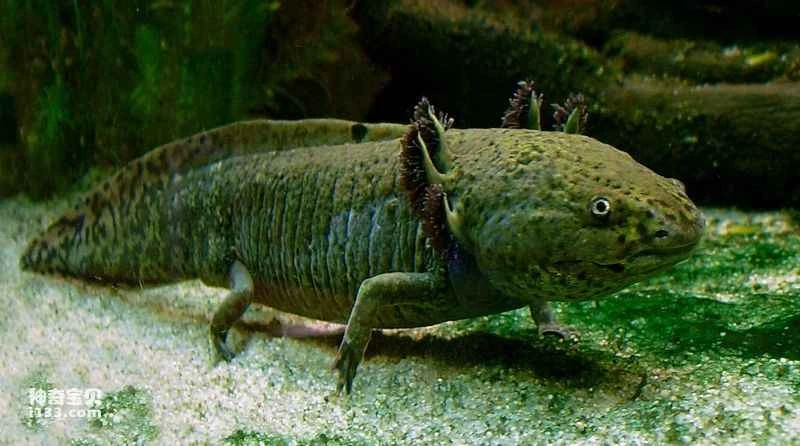
Figure 1: The true appearance of the Mexican axolotl.
The Mexican axolotl gained fame in 1863 when the Jardin des Plantes in Paris introduced six adult individuals (one of which was a pink variety). Scientist Auguste Dumril discovered this strange new species in the garden, which was later confirmed to be the Mexican axolotl. After researchers discovered that the adults possessed three pairs of feathery external gills, they became a typical example for studying juvenile sexual maturity. To this day, most axolotls bred in pet markets and laboratories are their descendants.
Because of their large and numerous eggs, ease of reproduction, and certain tissue regeneration capabilities, the Mexican axolotl has become a model organism for scientific research, widely bred in laboratories and used in studies on organ regeneration. With color variations including gold, white, pink, orange, black, and tiger stripes, a similar breeding environment to goldfish, and no toxicity to humans, the Mexican axolotl has become a popular amphibian pet worldwide, with over thirty varieties currently existing (Figure 2).
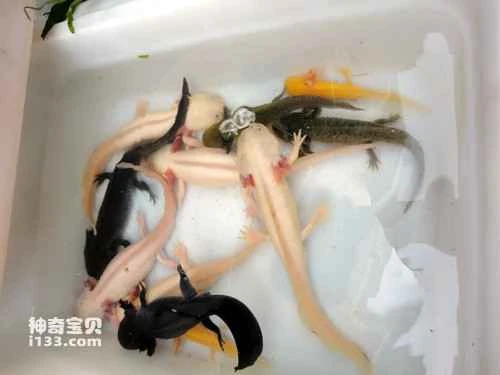
Figure 2: Several common breeds in the pet market
However, the wild axolotl, native to Mexico City, has an inconspicuous dark brown color with black spots (Figure 1) and is distributed in the lake system near Mexico City. These lakes once supported a variety of organisms. Unfortunately, due to urban expansion, industrial development, and flood control measures, only a small number of axolotls remain in the wetlands and canal systems of Lake Xochimilco and Lake Chalco (Figure 3). Therefore, the IUCN considers them critically endangered and on the verge of extinction. The Convention on International Trade in Endangered Species of Wild Fauna and Flora (CITES) has also listed them in Appendix II, restricting the international trade of wild axolotls.
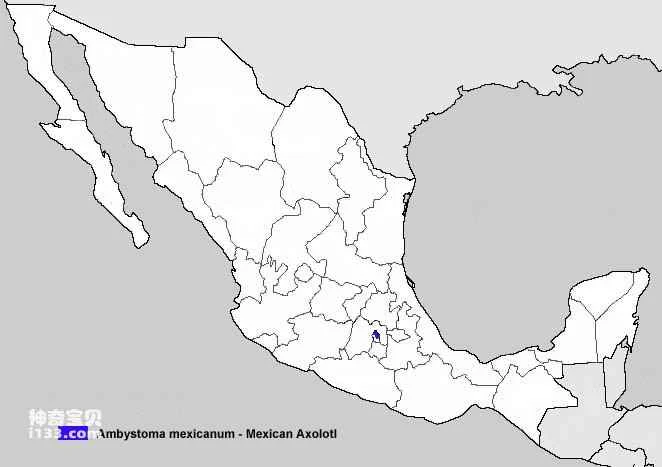
Figure 3: Current distribution area of the Mexican axolotl
Fun fact:
Model organisms are species that scientists have extensively studied and have a deep understanding of regarding their biological phenomena. Based on scientific research findings from these species, some general biological laws can be summarized and applied to research in various fields. Common model organisms include mice and African clawed frogs.