Do you know which animals are warm-blooded? These animals include lions, bluefin tuna, house mice, polar bears, emperor penguins, desert hares, humans, blue whales, Indian geese, chickens, horses, elephants, chimpanzees, cows, golden eagles, leopards, platypuses, dolphins, kangaroos, and squirrels.
These animals possess a unique ability to regulate their body temperature, maintaining a constant body temperature regardless of changes in ambient temperature. This article will introduce the definition, main characteristics, and working mechanism of endothermic animals, as well as provide detailed introductions to 20 typical endothermic animals and explore how they adapt to different environments.
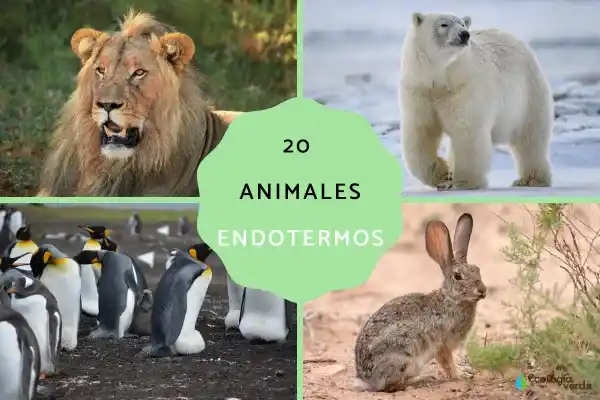
What are warm-blooded animals?
Homeothermic animals are animals that can generate heat through metabolism and actively regulate and maintain a constant body temperature. Their body temperature is usually higher than that of their surrounding environment. They mainly include birds and mammals .
The basic characteristics of warm-blooded animals include:
It has a stable body temperature regulation system;
They belong to the vertebrates;
High metabolic rate, high energy demand;
A large amount of food is needed to maintain heat production.
Compared to ectothermic animals (such as reptiles and fish), homeothermic animals have a clear advantage in terms of ecological adaptability and behavioral flexibility.
What is endothermy?
Homeothermicity is a thermoregulation mechanism in which animals generate their own heat through cellular metabolism, primarily from chemical reactions in mitochondria. In addition, muscle movement (such as shivering) is also an effective way to generate heat, especially in cold environments.
This mechanism endows warm-blooded animals with a high degree of adaptability, enabling them to survive in diverse ecosystems around the world.
Advantages of homeothermic animals
Homeothermicity brings the following benefits to animals:
Wide distribution : able to survive in extremely cold or hot regions;
Flexible lifestyle : allows for nighttime activities or seasonal migrations;
Efficient food digestion : Endogenous calories can optimize digestive system function;
Highly efficient immune response : Temperature regulation mechanisms such as fever can resist pathogens.
20 Examples of Warm-blooded Animals
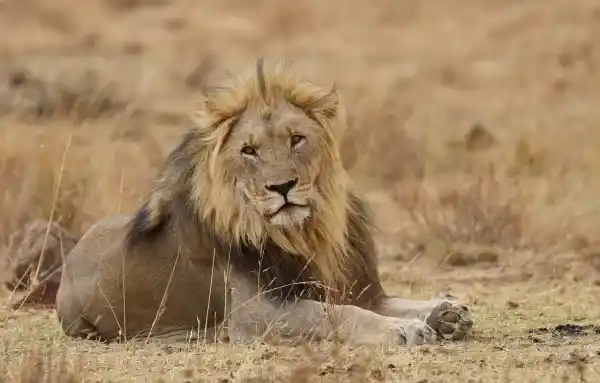
1. Lion (Panthera leo)
Lions rely on a high-protein diet to generate body heat. They need to consume about 6 kilograms of meat per day. Hunting is usually carried out collaboratively by lionesses, who then share the prey.
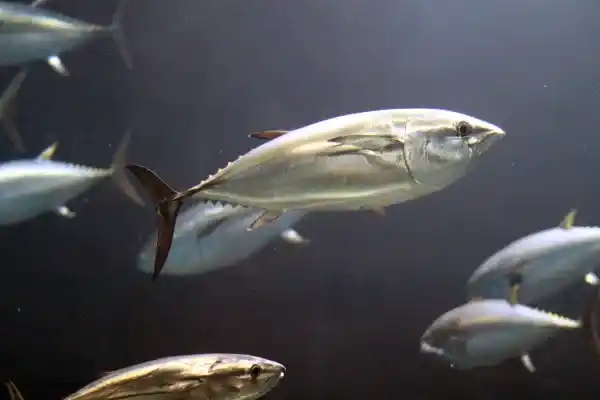
2. Bluefin tuna (Thunnus thynnus)
Although most fish are ectothermic animals, bluefin tuna can store heat in their bodies to cope with seawater temperature differences ranging from 3°C to 30°C, regulating their internal organ temperature through active swimming and metabolism.
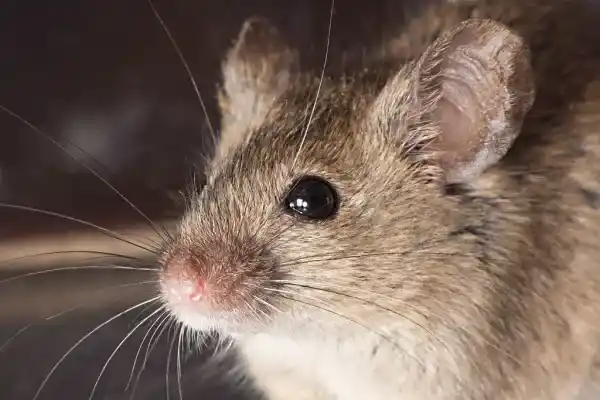
3. House mouse (Mus musculus)
House mice are typical nocturnal mammals that generate heat through their own metabolism, without relying on sunlight. They are a representative species widely distributed in human living environments.
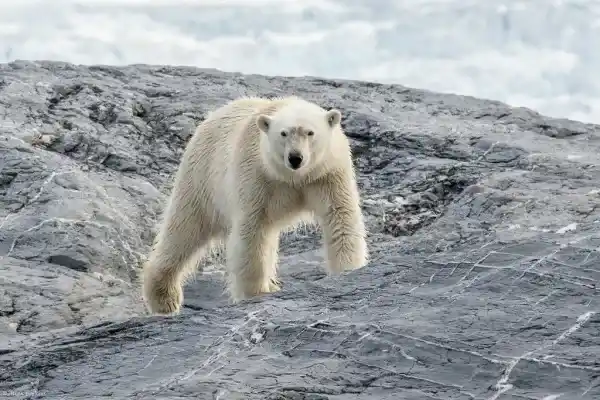
4. Polar bear (Ursus maritimus)
Polar bears possess a thick layer of fat and highly heat-absorbing black skin. They also have a high level of nitric oxide metabolism, which enhances their heat production efficiency, making them one of the most adapted mammals in the polar regions.
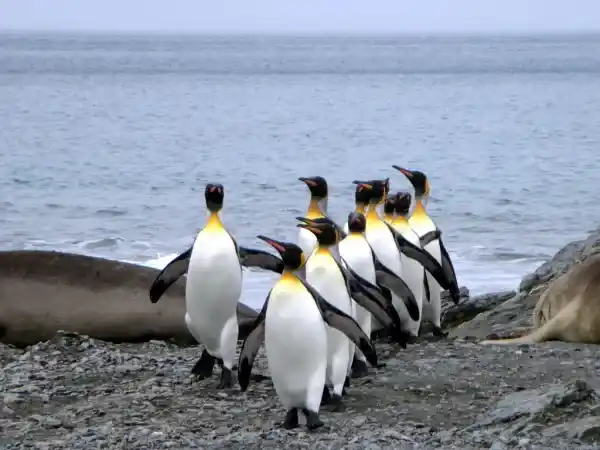
5. Emperor Penguin (Aptenodytes forsteri)
The counter-current heat exchange system keeps the feet warm, reducing heat loss from contact with ice and snow, and can also lower the metabolic rate of specific organs to conserve energy and keep warm.
6. Desert hare (Sylvilagus audubonii)
In hot environments, desert hares effectively regulate their body temperature by dissipating heat through their large ears, making them a prime example of homeothermic animal adaptation in high-temperature regions.

7. Human beings (Homo sapiens sapiens)
The human body regulates its temperature through the hypothalamus, which is generally around 37.5°C. Fever is a natural response of the body's immune system to fight pathogens.

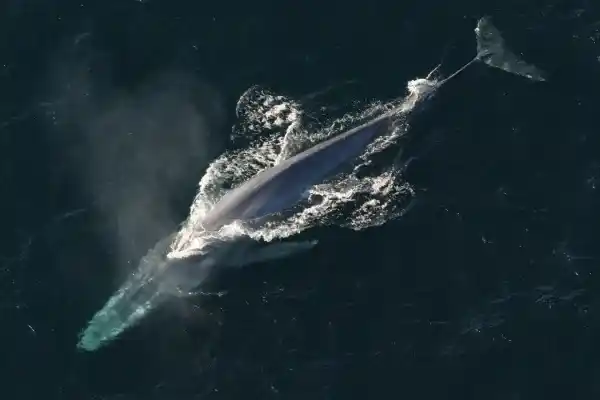
8. Blue Whale (Balaenoptera musculus)
As the largest warm-blooded animal, the blue whale can weigh up to 180 tons. They live in the cold ocean and need to consume large amounts of food to maintain their body temperature.
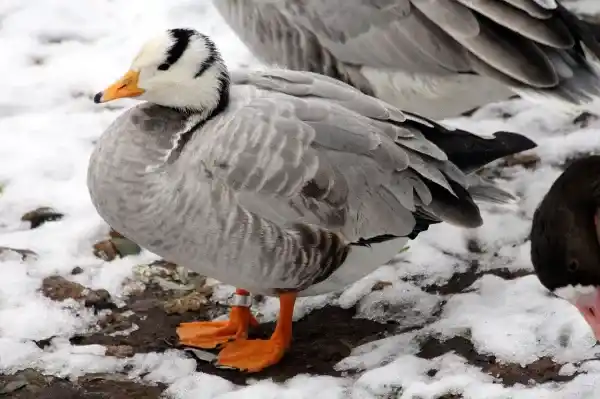
9. Indian Goose (Anser indicus)
It can fly over Mount Everest and adapt to the high-altitude, low-oxygen environment. It maintains metabolic activity by increasing breathing efficiency and generating heat through flight.
10. Domestic chicken (Gallus gallus domesticus)
They can keep the egg warm through body heat transfer. Normal body temperature is 40-42°C. If the environment is too cold, artificial warming assistance is required.

11. Horse (Equus ferus caballus)
It has high heat production efficiency during exercise, can adapt to various climates, and has a good thermoregulation system.
12. African elephant (Elephantidae)
Large ears with abundant blood vessels help dissipate heat. They exhibit a high degree of adaptability in regulating body temperature in high-temperature environments.
13. Chimpanzee (Pan troglodytes)
Like humans, they belong to the primate family and have similar thermoregulation mechanisms.
14. Cow (Bos taurus)
The heat generated by its metabolism helps digest ruminant plants, and its adaptability is particularly evident in cold regions.
15. Golden Eagle (Aquila chrysaetos)
As birds of prey, they possess a powerful ability to regulate their body temperature, adapting to ecological environments ranging from high-altitude cold regions to temperate grasslands.
16. Leopard (Panthera pardus)
Living in diverse ecological zones, they can quickly adapt to changes in diurnal temperature variations, making them agile predators.
17. Platypus (Ornithorhynchus anatinus)
As a representative of oviparous mammals, it still possesses a stable ability to regulate its internal temperature.
18. Dolphinidae
They are highly active and maintain their body temperature through swimming and metabolism, making them typical endothermic marine mammals.
19. Kangaroo (Macropodinae)
They generate heat through the muscular activity of their tails and hind limbs, adapting to Australia's diverse terrain and climate.
20. Squirrel (Sciuridae)
Whether living in cold forests or temperate grasslands, squirrels survive the winter by storing food and regulating their metabolism.
Summarize
Warm-blooded animals rely on metabolic thermoregulation mechanisms to survive in a variety of environments. Although this requires high energy expenditure, it results in high adaptability and behavioral flexibility. From lions to penguins, from dolphins to desert hares, homeothermic mechanisms are undoubtedly one of the most important survival strategies in biological evolution.
References
Eliosa, H. and Silva, A. (2011). The origin of endothermicity in vertebrates. Science 102, April–June, 28–36
Sudekum, L. and Townes, C. (2010). Bluefin tuna. Accessible at: https://www.reed.edu/biology/professors/srenn/pages/teaching/web_2010/bluefin_tuna_MLSCTA_final/index.html
National Geographic Editorial Office (2021). Blue Whale. Accessible at: https://www.nationalgeographic.es/animales/ballena-azul