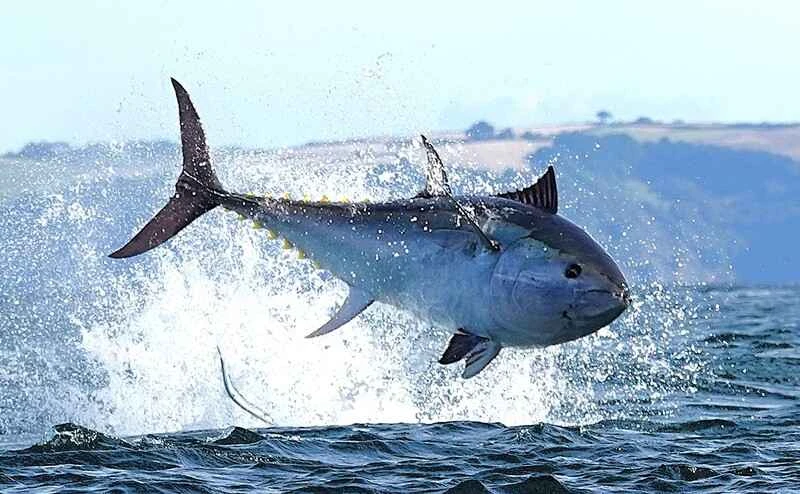
Tuna, also known as tuna, is a warm-water migratory fish widely distributed in tropical and subtropical seas worldwide. Its delicious, tender flesh and high nutritional value have made it a popular choice for modern healthy diets. So, what kinds of tuna are there? We've compiled a list of ten common tuna species: Atlantic bluefin tuna, Pacific bluefin tuna, southern bluefin tuna, yellowfin tuna, bigeye tuna, albacore tuna, blackfin tuna, sweetgum tuna, longnose tuna, and masu tuna. Let's learn more about the classification and related information of tuna.
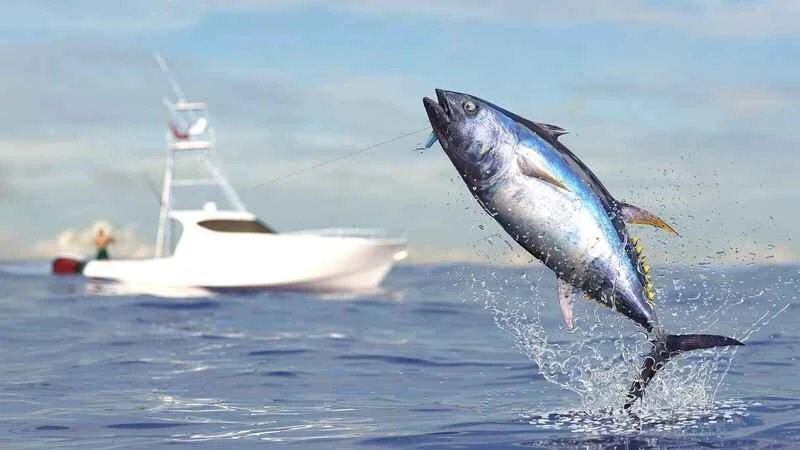
1. Atlantic Bluefin Tuna (Gulf of Mexico/Mediterranean/Most Expensive Tuna)
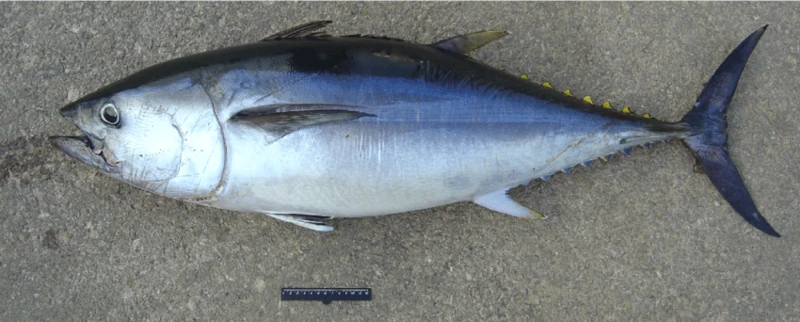
Of all tuna, the Atlantic bluefin tuna is the most expensive and a top-tier representative of the tuna family. This tuna is mainly distributed along the eastern and western coasts of the Atlantic Ocean, as well as the Mediterranean and Black Sea regions, with separate populations also found in South Africa. Their spawning grounds are located in the Gulf of Mexico (April to June) and the Mediterranean Sea (June to August).
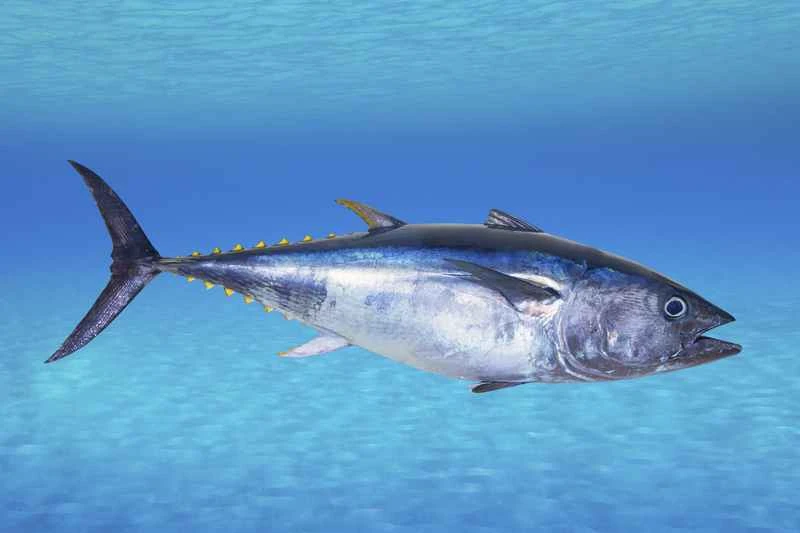
Atlantic bluefin tuna is the largest species of tuna, with dark blue fins and a silvery-grey back and belly, and can live up to 30 years. Its flesh is exceptionally delicate, rich in oil, and has a pale reddish color, making it extremely delicious and commanding a very high price. A 278-kilogram Atlantic bluefin tuna once sold for a record-breaking 333 million yen at auction; these are primarily used to make high-end sashimi.
2. Pacific Bluefin Tuna (Southern Japan/Offshore Philippines/Up to 3 meters in length)
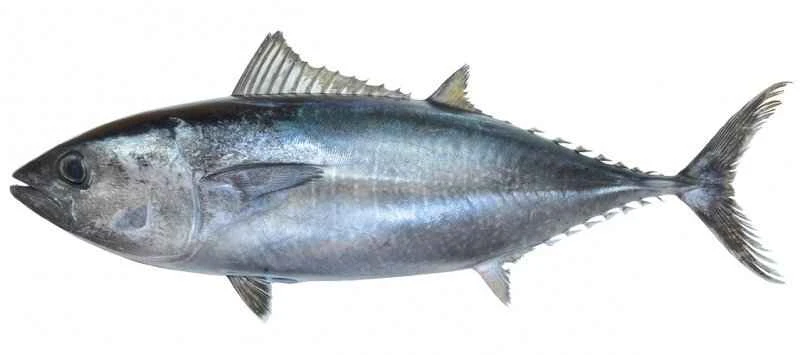
The Pacific bluefin tuna is a type of bluefin tuna found in the Pacific Ocean and is one of the top ten tuna species. Although it looks very similar to the Atlantic bluefin tuna and can reach a length of 3 meters, their distribution areas differ. Pacific bluefin tuna typically live in schools and feed mainly on fish, cephalopods, and crustaceans. Their spawning grounds are located in the waters from southern Japan to the Philippines (spawning season April to July) and in the Sea of Japan (spawning season July to August).
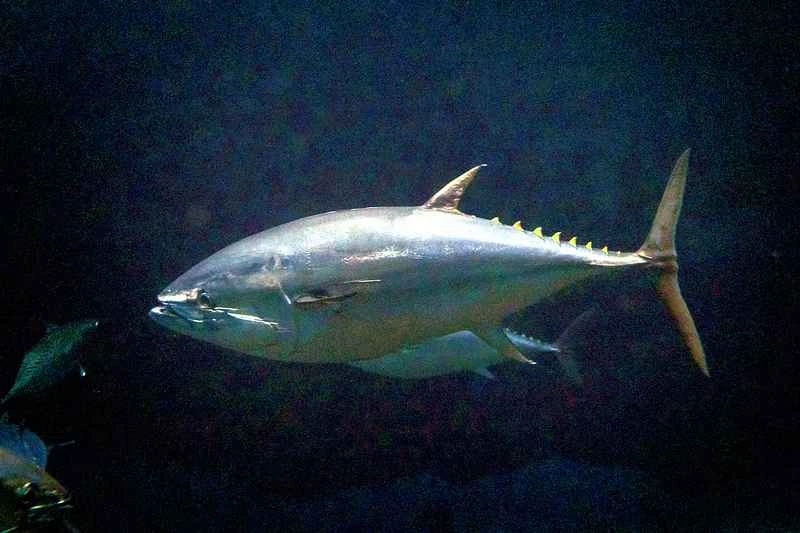
This type of tuna has significant economic value in international commercial fisheries. Its flesh is delicate, rich in oil, and has a strong flavor, making it widely used in the production of high-quality sashimi and sushi.
3. Southern Bluefin Tuna (Australia/New Zealand/Up to 2.5 meters in length)
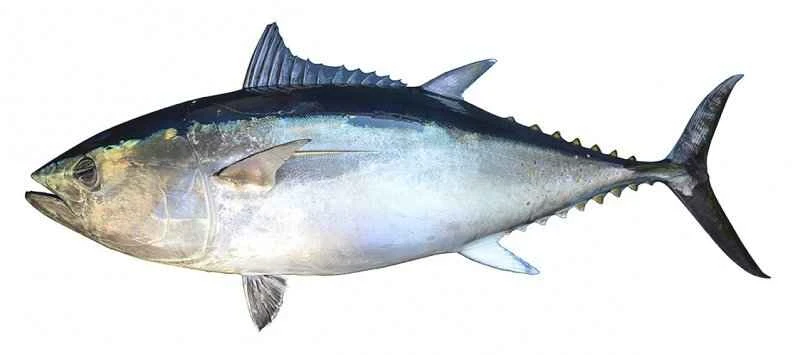
Southern bluefin tuna is one of the most popular tuna species, named for its predominantly Southern Hemisphere distribution. They mainly inhabit the waters off southern, eastern, and western Australia. Although also a bluefin tuna, the Southern bluefin tuna is smaller, typically reaching about 2 meters in length and weighing around 200 kilograms. Compared to Atlantic and Pacific bluefin tuna, it is more affordable but remains very popular. Its flesh is bright red, high in fat, and rich in oil when cut, offering a soft, succulent texture with a slightly acidic flavor.
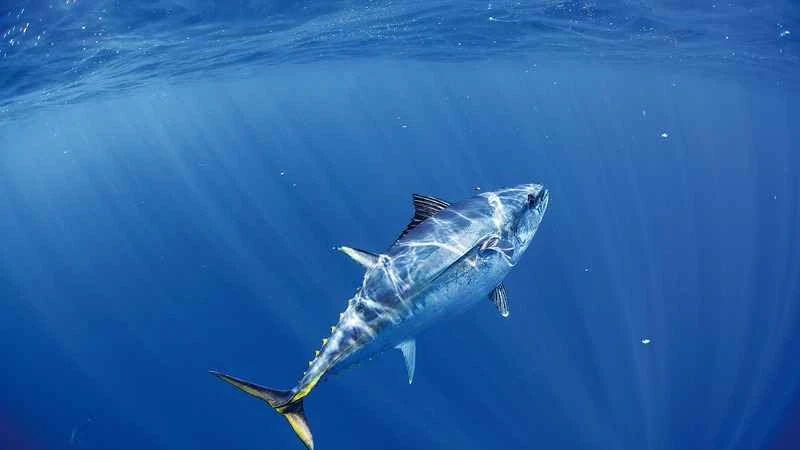
Due to long-term overfishing, the number of southern bluefin tuna has decreased dramatically, so many countries and regions have taken measures to establish fishing bans and no-fishing zones to protect this species.
4. Yellowfin tuna (yellow fins/pink flesh/market share approximately 35%)
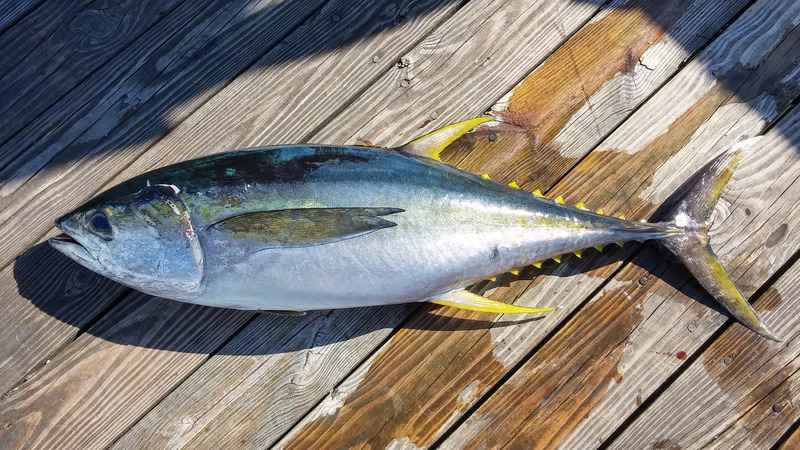
Yellowfin tuna, also known as yellowfin mackerel or yellow-muscular tuna, is a common type of tuna. It gets its name from the yellow color of its dorsal and anal fins. Its body is spindle-shaped, slightly laterally compressed, with a relatively small head and a long, slender tail. The back is bluish-green, and the sides are light gray. It typically ranges in length from 1 to 3 meters, averaging about 2 meters, and usually weighs over 100 kilograms.
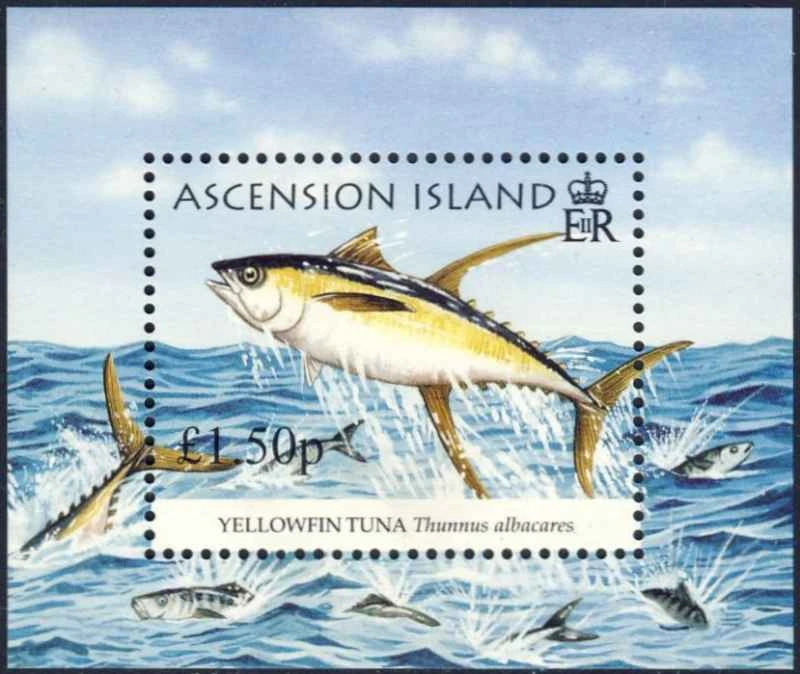
Yellowfin tuna are widely distributed in tropical and subtropical oceans, found almost worldwide except for the Mediterranean Sea. They have a very broad diet and are abundant, accounting for up to 35% of global production. Their flesh is pink, with a mild bloody taste and a refreshing flavor. Besides being commonly used in sashimi and sushi, they are also frequently processed into canned goods.
5. Bigeye tuna (large head, large eyes / low fat / high water content / mild flavor)
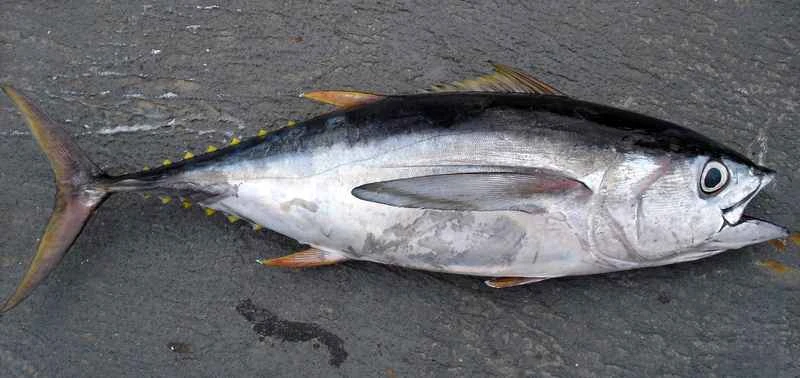
Bigeye tuna, also known as bigeye tuna, gets its name from its exceptionally large eyes and head. Compared to other tuna, the bigeye tuna has a more stout and shorter body, reaching approximately 2 meters in length and weighing about 150 kilograms, making it a medium-sized species in the tuna family. It is widely distributed in tropical and temperate waters worldwide, and in China, it is mainly found in the South China Sea, the Xisha Islands, the Zhongsha Islands, and the Nansha Islands.
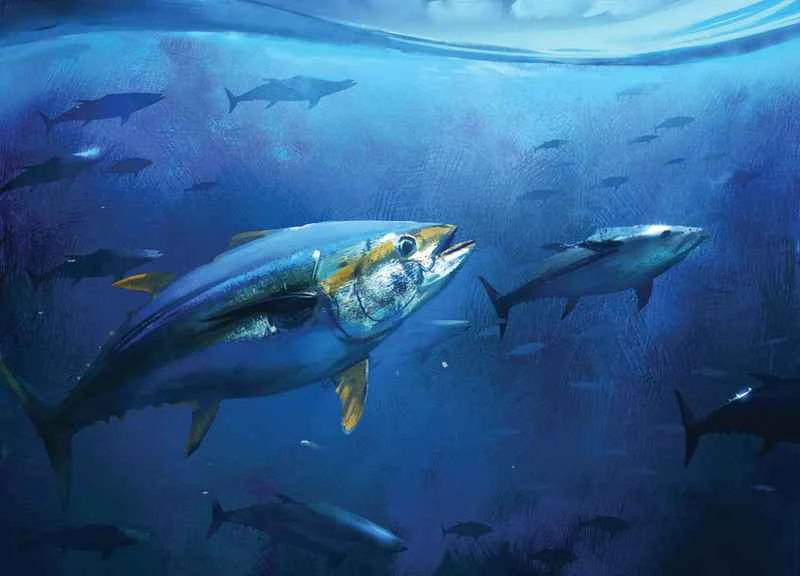
Living in warm waters, bigeye tuna has a low fat content, high water content, a pinkish color, and a mild flavor. It is a common ingredient for tuna sashimi, and besides being eaten raw, it can also be canned, frozen, or dried. Its liver can also be used to extract cod liver oil.
6. Longfin tuna (pectoral fins are knife-shaped/extremely long/mainly used for canning)
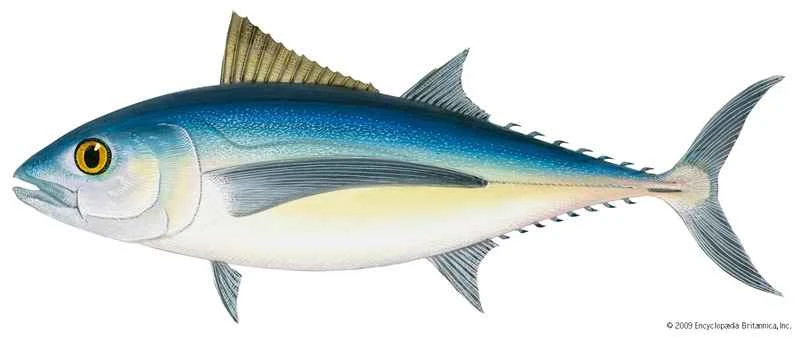
One of the most popular types of tuna is the albacore tuna, also known as the longfin tuna because its pectoral fins are about 30% of its body length. The albacore tuna has a dark blue back and silvery-white belly and sides, with a uniform overall color. It is usually between 1 and 1.5 meters long and weighs about 15 kilograms, with the largest individuals reaching 45 kilograms. It is considered a relatively small tuna.

It is widely distributed in tropical and temperate seas around the world, and even extends to cold water areas. Albacore tuna is relatively abundant, with fatty flesh ranging in color from pale white to pale pink. It is commonly found in canned tuna and is often a main ingredient in conveyor belt sushi restaurants. In addition, it is widely used in making salads, sandwiches, and rice balls.
7. Blackfin Tuna (Western Pacific region / average body length 50 cm)
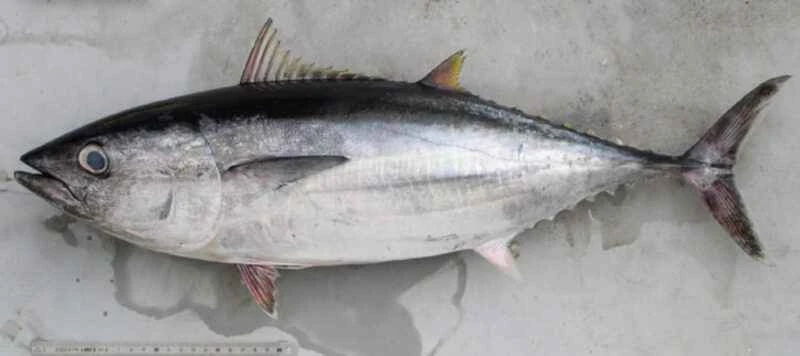
The blackfin tuna is a relatively small tuna species, one of the top ten tuna species. It averages about 50 cm in length and weighs approximately 3.2 kg, with a maximum length reaching 100 cm and a weight of up to 21 kg. The blackfin tuna has a darker dorsal fin and typically gray pelvic fins. It is mainly distributed in the western Atlantic Ocean, from Massachusetts in the United States to Rio de Janeiro in Brazil, inhabiting coastal areas.
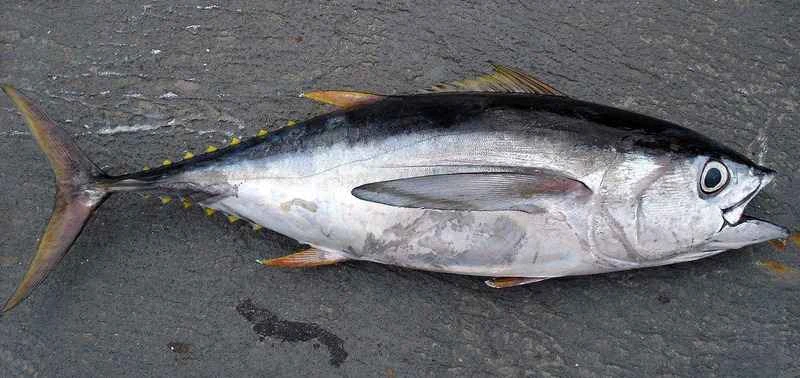
This type of tuna has a very delicious flavor and can be sold in various ways, including fresh, dried, pickled, canned, or frozen. The belly and lean meat are often used to make sashimi or sushi, while the special layer between the skin and lean meat is called the "skin-oil meat," which has a refreshing and elastic texture.
8. Qinghai-Gansu Tuna (Indo-West Pacific region / average body length 30-40 cm)
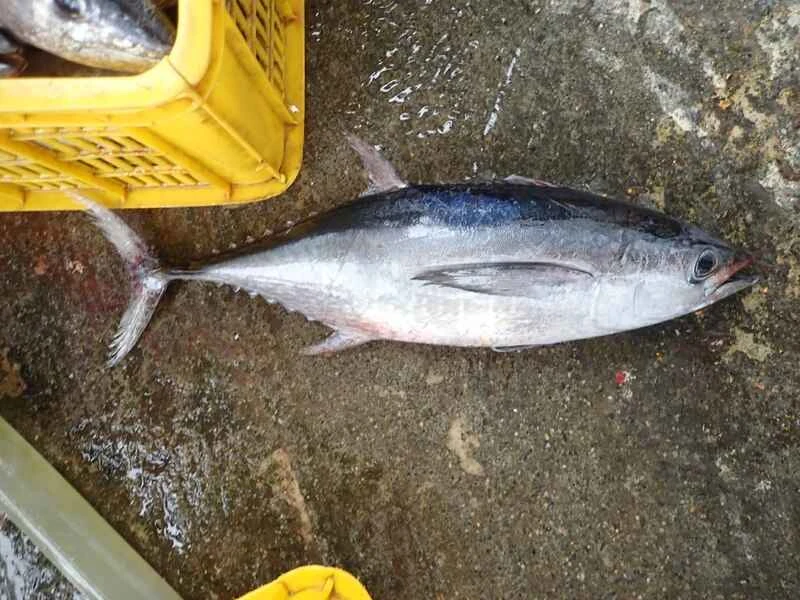
The longtail tuna, also known as the blue tuna, belongs to the genus *Tuna* in the family Scombridae. It typically measures 30 to 40 centimeters in length and weighs approximately 1.5 to 2 kilograms. Its tail fin is crescent-shaped, its back is blue, its belly is lighter in color, its pelvic fins are light-colored, and the rest of its fins are black. Longtail tuna are widely distributed in the Indian and western Pacific Oceans, from the Red Sea to New Guinea, north to Japan, and south to Australia. They generally inhabit clear waters with sandy or coral reef bottoms.
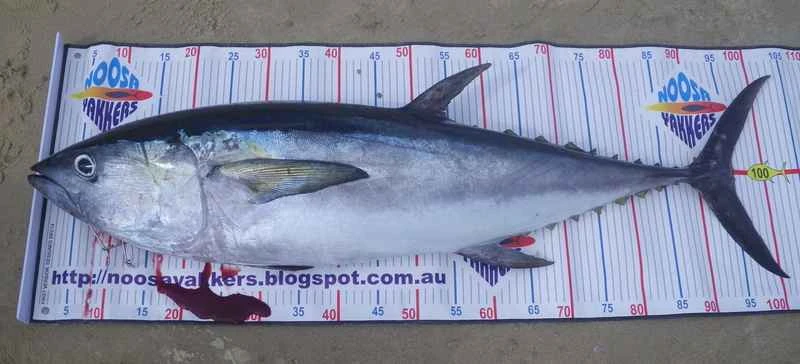
This type of tuna has a delicious, delicate texture that melts in your mouth while still offering a satisfying chewiness, making it popular in the international market. Besides being eaten fresh, it is also frequently processed into canned goods, salted dried products, and even smoked, canned, and frozen products.
9. Long-waisted tuna (Kyushu/San'in, Japan/approximately 1 meter in length)
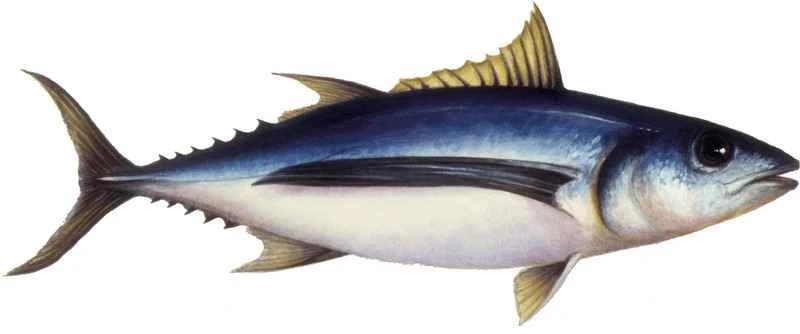
Long-backed tuna is a type of tuna named for its long dorsal fin and often has mottled white markings on its belly. Typically, this type of tuna reaches about 1 meter in length, making it a small variety. It mainly inhabits tropical and subtropical waters, has a low yield, and exhibits distinct regionality, being particularly common in Japan, where it is a specialty autumn delicacy in the Kyushu and San'in regions.
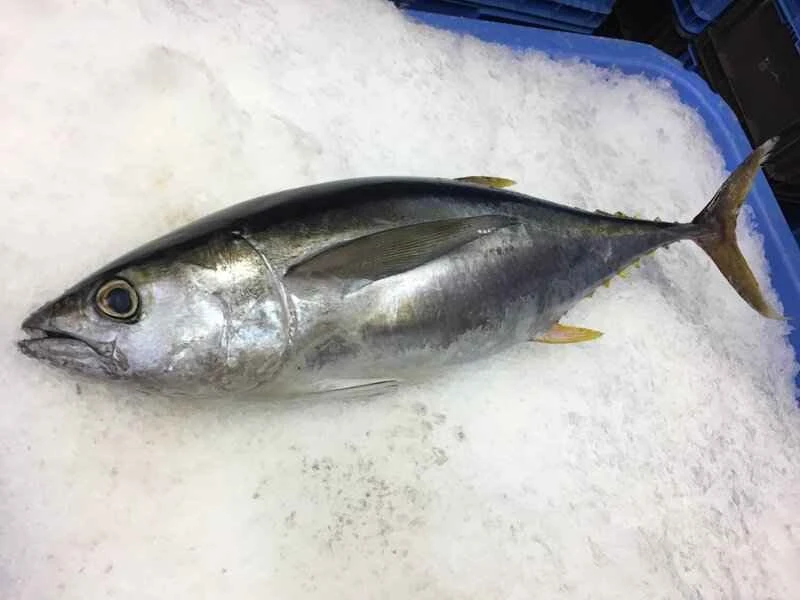
Long-back tuna has a low fat content, a pale pinkish-white color, and a mild, non-fishy flavor, making it ideal for those who dislike strong fishy smells. Its flesh can be used to make bonito flakes, canned goods, and sashimi.
10. Mozzarella Tuna (temperate and cold ocean/dark red flesh/firm and tender)
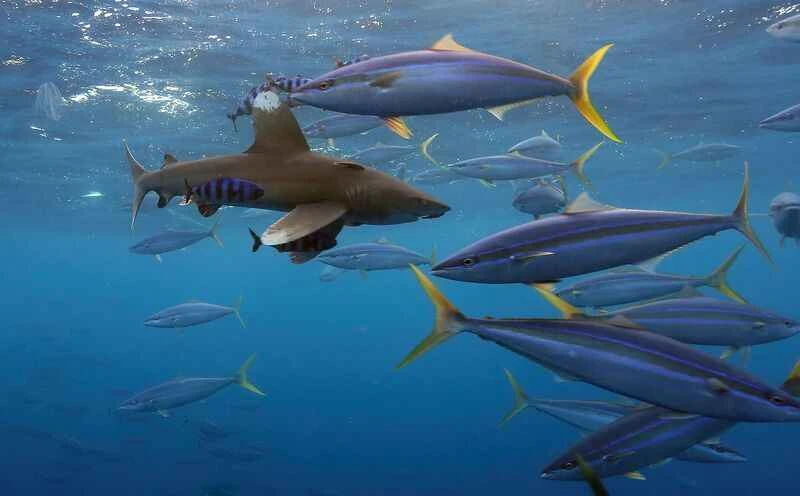
The Masu tuna is a species of tuna, primarily distributed in temperate and cold waters of the Atlantic, Indian, and Pacific Oceans. Typically, the Masu tuna reaches a length of 160 cm, with a maximum length of 245 cm and a weight of up to 260 kg. It has a spindle-shaped body, with a silvery-white belly and underside. Its first dorsal fin is yellow or blue, while its anal and pelvic fins are dark yellow with black edges.
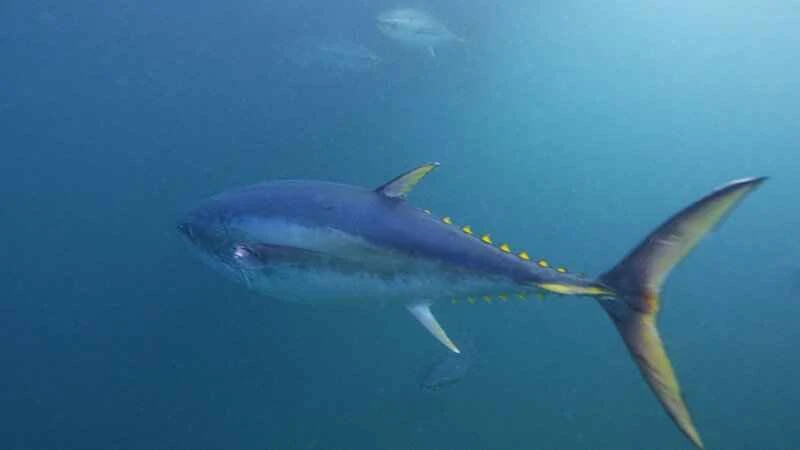
Compared to other types of tuna, mozzarella tuna has a lower fat content, a darker reddish flesh, and no sour taste. It has a firm yet tender texture. It is commonly used to make canned fish and is also frequently used as a high-quality sushi ingredient in some sushi restaurants.
The ranking of the top ten tuna species is based on public awareness and other relevant information, combined with other related rankings/lists on the internet. It is for reference only. If you have any questions, please feel free to comment/discuss at the end.