Bears, renowned for their powerful physique, size, and adaptability, are among the most fascinating and formidable creatures on Earth. While often portrayed as endearing in popular media, especially the largest species, bears are actually formidable apex predators with a variety of survival strategies. This article will take you into the world of bears, exploring the ten largest living bear species on Earth, from the frigid Arctic to the dense forests of North America and Eurasia.
1. Polar bear (Ursus maritimus) : The largest bear in the world.
Polar bears are the largest bear species on Earth and the largest land carnivore. They are mainly distributed in the Arctic region, where they hunt seals and other marine animals due to sea ice, and have adapted to the extremely cold environment.
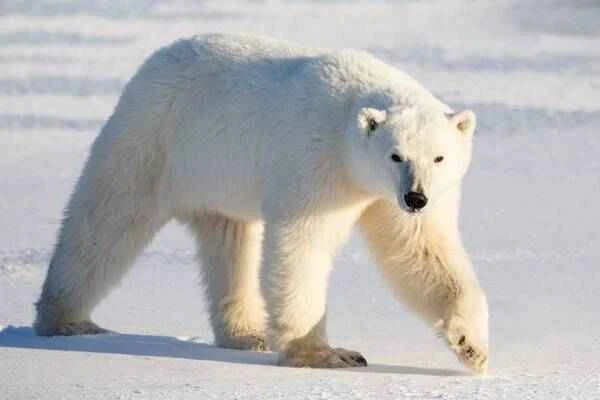
Size and weight : Male polar bears typically weigh between 770 and 1500 pounds (350-700 kg), with some individuals exceeding 2200 pounds (1000 kg). When standing, they can reach a height of 11 feet (3.37 meters).
Diet : Polar bears are primarily carnivorous, preying on seals, especially ringed seals and baleen seals, and occasionally hunting walruses and small whales.
Habitat : Polar bears are distributed within the Arctic Circle, covering regions such as Alaska, Canada, Greenland, and Russia.
Conservation Status : Due to climate change and habitat loss, the polar bear is listed as a “vulnerable” species by the International Union for Conservation of Nature (IUCN).
"Polar bears have adapted to the extreme cold environment, and their way of survival is nothing short of miraculous" (International Union for Conservation of Nature, 2023).
2. Kodiak Bear (Ursus arctos middendorffi) : The King of Brown Bears
The Kodiak bear is a species of bear endemic to the Kodiak Islands of Alaska and is the largest subspecies of brown bear. Kodiak bears are known for their enormous size and immense strength, often surpassing that of other brown bears.
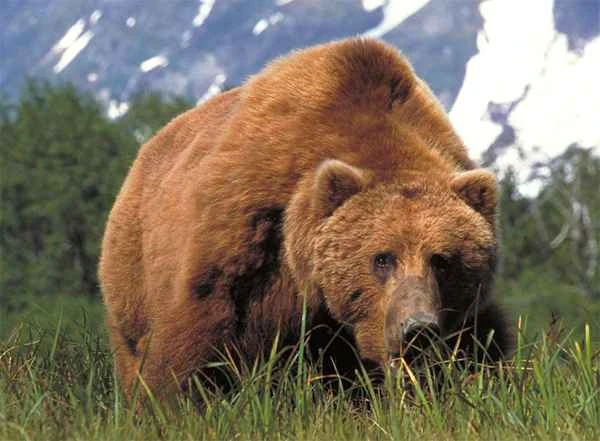
Size and weight : Male Kodiak bears typically weigh between 660 and 1320 pounds (300-600 kg), with the largest individuals reaching 1656 pounds (751 kg). In captivity, some Kodiak bears have even reached a weight of 2130 pounds (967 kg).
Height : When standing, they can reach a height of 8 to 9.5 feet (2.4-2.9 meters).
Diet : Kodiak bears are omnivorous, with their main diet consisting of fish (especially salmon), berries, herbs, and marine invertebrates.
Conservation status : The Kodiak bear population is stable and gradually increasing, and the International Union for Conservation of Nature (IUCN) lists it as a species of "Least Concern".
"The Kodiak bear is a true giant in the brown bear world, and its presence has become almost a symbol of the Alaskan wilderness" (National Park Service, 2022).
3. Kamchatka Brown Bear (Ursus arctos beringianus) : A giant of Eurasia
The Kamchatka brown bear is mainly distributed on the Kamchatka Peninsula in Russia and is the largest subspecies of brown bear in Eurasia. They are similar in size to the Kodiak bear, possessing strong muscles and a large body.
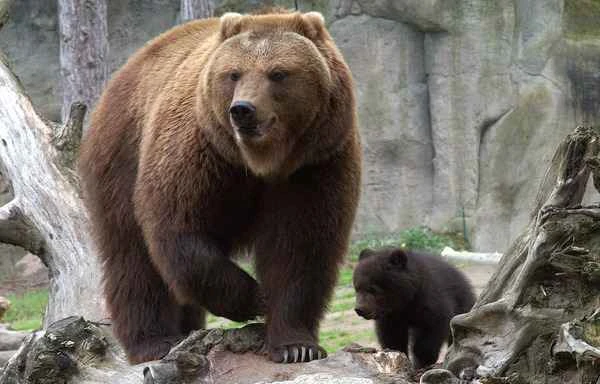
Size and weight : Kamchatka brown bears weigh around 1,430 pounds (650 kilograms), with some individuals reaching 1,500 pounds (680 kilograms) during the harvest season.
Height : When standing, they can reach a height of 9 feet (2.7 meters).
Diet : Kamchatka brown bears are primarily omnivorous, feeding on fish (especially salmon), berries, roots, and small mammals. They will also hunt larger mammals when the opportunity arises.
Conservation status : The Kamchatka brown bear is listed as "Least Concern" with a population of approximately 10,000 to 15,000 individuals.
"Kamchatka brown bears thrive in the cold wilderness of eastern Russia, where abundant salmon resources and a vast ecological environment ensure their enormous size" (Wildlife Conservation Society, 2023).
4. Ussuri brown bear (Ursus arctos lasiotus) : A relative of the Eurasian brown bear.
The Ussuri brown bear, also known as the black grizzly bear, is found in eastern Russia, northeastern China, and the Korean Peninsula. They are closely related to the Eurasian brown bear, but are typically slightly larger.
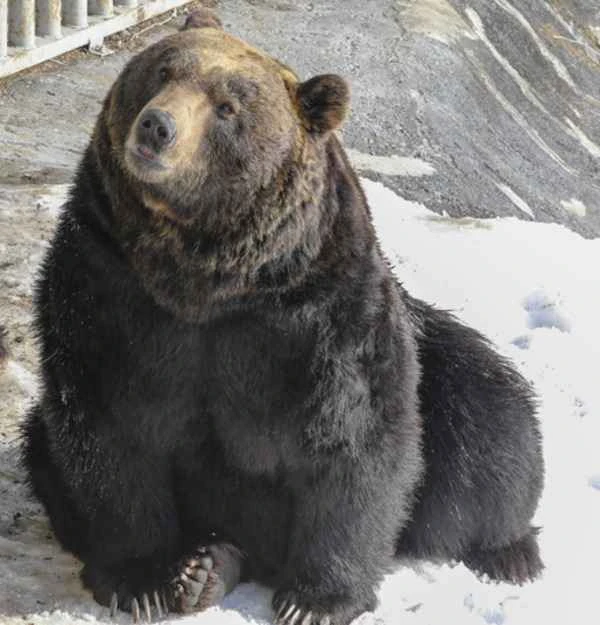
Size and weight : Male Ussuri brown bears weigh approximately 880-1210 pounds (400-550 kg), with some individuals weighing more than 1200 pounds (540 kg).
Height : They can reach 7 to 8 feet (2.1-2.4 meters) in height when standing.
Diet : Ussuri brown bears are omnivorous, and their diet includes fruits, berries, nuts, fish, and small mammals.
Conservation Status : Despite a stable population, the Ussuri brown bear still faces threats from habitat loss and poaching in some areas.
"The Ussuri brown bear demonstrates the adaptability of brown bears, surviving successfully in a variety of habitats ranging from temperate forests to coastal areas" (Russian Ministry of Natural Resources, 2021).
5. Grizzly Bear (Ursus arctos horribilis) : The iconic giant bear of North America.
Grizzly bears are one of the most well-known bear species in North America, primarily found in Alaska, Canada, and the northwestern United States. They are a subspecies of brown bear, known for their imposing appearance and aggressive behavior.
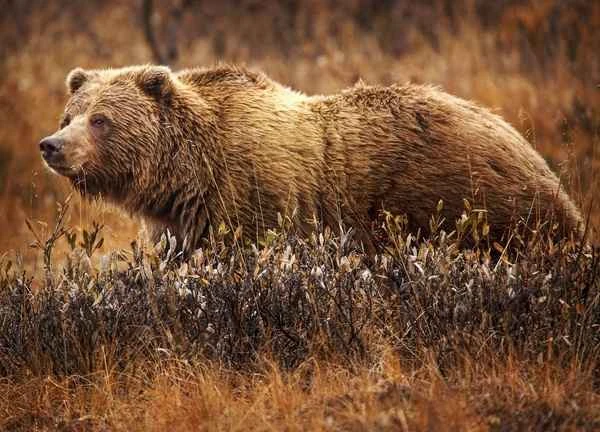
Size and weight : Male grizzly bears typically weigh between 400-790 pounds (180-360 kg), while coastal grizzly bears (Alaskan brown bears) can reach around 1000 pounds (450 kg).
Height : When standing, a grizzly bear can reach a height of 8 feet (2.4 meters).
Diet : Grizzly bears are omnivorous, and their main diet includes fish (especially salmon), large mammals (such as moose and deer), berries, and roots.
Conservation status : Grizzly bears in the continental United States are listed as “endangered”, while some grizzly bear populations in Canada are listed as “threatened”.
"Grizzly bears represent the power of the wilderness, and their role in the ecosystem is vital" (American Wildlife Federation, 2023).
6. Eurasian Brown Bear (Ursus arctos arctos) : Europe's largest predator.
The Eurasian brown bear is one of the most widely distributed bear species, found in parts of Europe, Russia, and Asia. These bears are known for their enormous size and adaptability to a variety of environments.
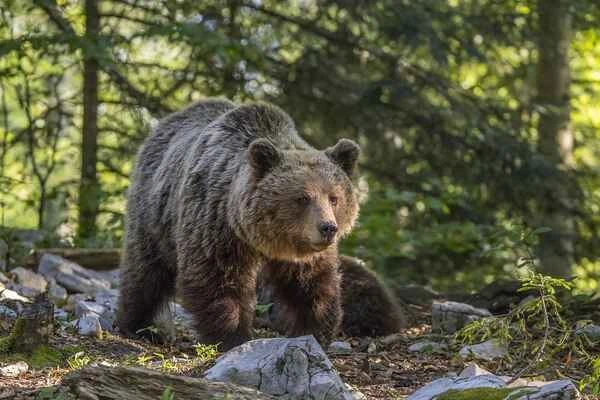
Size and weight : Male Eurasian brown bears typically weigh between 550 and 660 pounds (250-300 kilograms), with some individuals weighing over 1,000 pounds (450 kilograms).
Height : They can reach 8 feet (2.4 meters) when standing.
Diet : Eurasian brown bears are omnivorous, and their diet includes roots, berries, insects, fish, and mammals.
Conservation status : The Eurasian brown bear is listed as “Least Concern”, although the population faces the risk of decline in some areas due to habitat destruction and human-bear conflict.
"The Eurasian brown bear is an adaptable creature that lives in a variety of habitats in Europe and Asia, from remote forests to mountainous regions" (World Wildlife Fund, 2022).
7. American Black Bear (Ursus americanus) : The most common bear species in North America.
The American black bear is the most common bear species in North America and also the smallest. Despite their smaller size compared to other bear species, they remain powerful predators and scavengers.
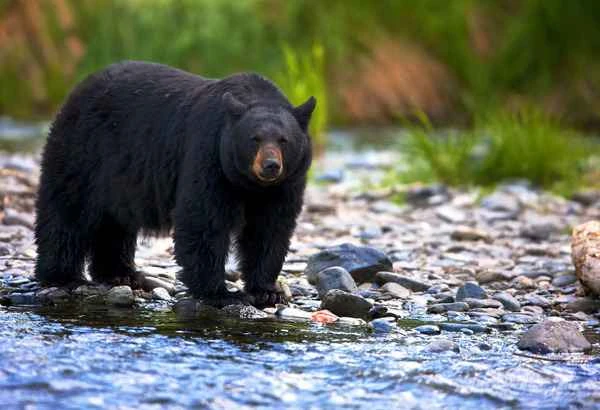
Size and weight : Male American black bears weigh approximately 120-660 pounds (55-300 kg).
Height : When standing, a black bear can reach a height of 6.5 feet (2 meters).
Diet : Black bears are omnivorous, and their diet includes berries, nuts, insects, small mammals, birds, and fish.
Conservation status : The population of American black bears is stable and not seriously threatened.
"Despite their small size, the American black bear plays an important role in the ecosystem, especially in controlling rodent populations" (National Park Service, 2023).
8. Spectacled Bear (Tremarctos ornatus) : The only extant bear species in South America.
The spectacled bear, also known as the Andean bear or mountain bear, is the only bear species that lives in South America. They get their name from the spectacles-like markings formed by the light-colored fur around their eyes. While not as large as northern bear species, spectacled bears are still relatively large animals.
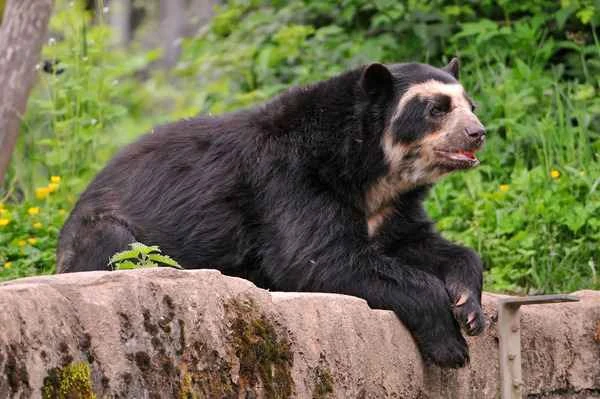
Size and weight : Male spectacled bears typically weigh between 220 and 440 pounds (100-200 kg), with the largest individuals reaching 491 pounds (223 kg). Females weigh approximately 77 to 181 pounds (35-82 kg).
Height : Spectacled bears typically measure 3.9 to 6.5 feet (1.2-2 meters) in length.
Diet : Spectacled bears mainly eat plants such as cacti, bamboo, nuts, fruits and palm leaves, but they also prey on small mammals and birds.
Habitat : Spectacled bears are mainly distributed in the high-altitude areas of the Andes Mountains, including parts of Colombia, Ecuador, Peru, Bolivia, and Argentina.
Conservation status : Due to habitat loss and poaching, the spectacled bear is listed as a “vulnerable” species by the International Union for Conservation of Nature (IUCN).
“Spectacled bears are one of the iconic species of the Andes, and their survival is threatened by habitat loss and illegal hunting” (World Wildlife Fund, 2023).
9. Asiatic Black Bear (Ursus thibetanus) : Moon Bear
The Asiatic black bear, named for the white crescent-shaped marking on its chest, is a relatively small but still considerable species of bear. Their distribution spans East Asia, the Himalayas, and the Indian subcontinent.
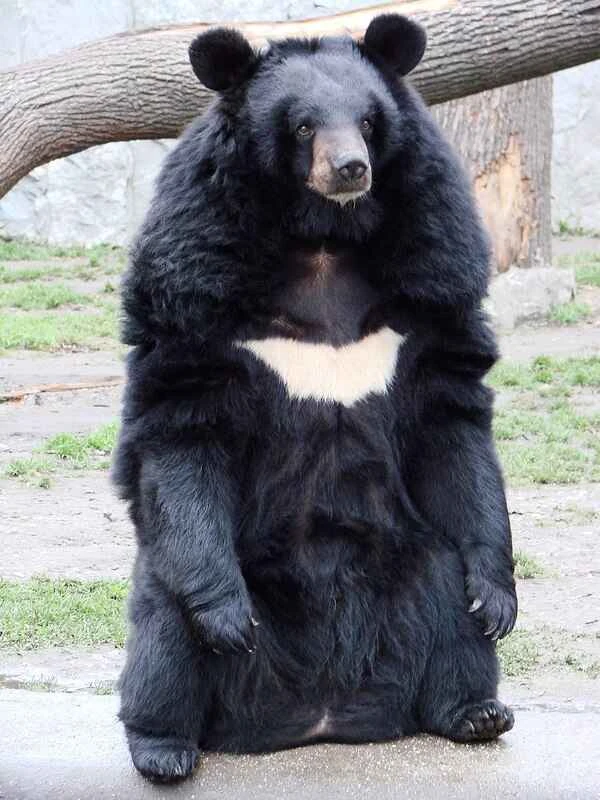
Size and weight : Male Asiatic black bears typically weigh between 130 and 440 pounds (60-200 kg), while females weigh approximately 88 to 276 pounds (40-125 kg). The largest individuals can weigh over 440 pounds (200 kg).
Height : The Asiatic black bear is typically 3.9 to 6.4 feet (1.2-1.95 meters) long.
Diet : Asiatic black bears are omnivorous, and their diet includes fruits, nuts, insects, beehives, and various plants.
Habitat : The Asiatic black bear is distributed across a wide range of Southeast Asia, including India, the Himalayas, the Russian Far East, the Korean Peninsula, and Japan.
Conservation status : The Asiatic black bear is listed as a “vulnerable” species due to habitat loss, poaching and human-bear conflict.
"The Asiatic black bear is not only known for its crescent-shaped markings, but also plays an important ecological role in its wide range of habitats" (International Union for Conservation of Nature, 2023).
10. Sloth Bear (Melursus ursinus) : A unique bear species native to India.
The sloth bear is a relatively small bear species native to the Indian subcontinent. Despite their small size, they possess remarkable adaptability and unique food-hunting skills.
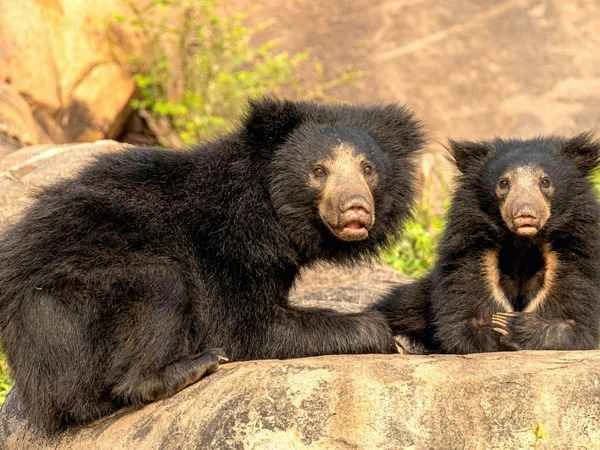
Size and weight : Male sloth bears typically weigh between 176 and 320 pounds (80-145 kg), while females weigh between approximately 121 and 231 pounds (55-105 kg). The largest individuals weighed approximately 423 pounds (191 kg).
Height : Sloth bears typically stand between 4.7 and 6.3 feet tall (1.4-1.9 meters).
Diet : Sloth bears feed on insects, especially termites and ants, as well as fruits and plants. They possess a unique "lip-sucking" technique, using their long lower lip to suck up insects.
Habitat : Sloth bears are found in the tropical forests of India, Sri Lanka, and Nepal.
Conservation status : Due to habitat loss and illegal hunting, sloth bears are listed as “vulnerable” species.
"The sloth bear is a unique species in the Indian subcontinent, with its food-finding methods and body size being distinctive among bears" (Wildlife Conservation Society of India, 2022).
The following is a comparison table of the ten largest bear species in the world:
| Ranking | Bear | scientific name | Habitat | average weight | maximum weight | Maximum height (standing) | diet | Protection status |
|---|---|---|---|---|---|---|---|---|
| 1 | polar bear | Ursus maritimus | Arctic region (Alaska, Canada, Russia, Greenland) | 770–1,500 jin (350–700 kg) | 2,200 jin (1,000 kg) | 11 feet (3.37 m) | Carnivorous: Seals, walruses, small whales | Vulnerable |
| 2 | Kodiak Bear | Ursus arctos middendorffi | Kodiak Islands, Alaska | 660–1,320 jin (300–600 kg) | 2,130 jin (967 kg) | 9.5 feet (2.9 m) | Omnivorous: salmon, berries, marine invertebrates | Least Concern |
| 3 | Kamchatka brown bear | Ursus arctos beringianus | Kamchatka Peninsula, Russia | 880–1,210 jin (400–550 kg) | 1,430 jin (650 kg) | 9 feet (2.7 m) | Omnivorous: fish, berries, small mammals | Least Concern |
| 4 | Ussuri brown bear | Ursus arctos lasiotus | Eastern Russia, Northeast China, South Korea | 880–1,210 jin (400–550 kg) | More than 1,200 jin (540 kg) | 8 feet (2.4 m) | Omnivorous: Fruits, fish, berries, small mammals | Least Concern |
| 5 | Grizzly | Ursus arctos horribilis | North America (Alaska, Canada, United States) | 400–790 jin (180–360 kg) | 1,000 jin (450 kg) | 8 feet (2.4 m) | Omnivorous: salmon, large mammals, berries | Endangered (United States), Endangered (Canada) |
| 6 | Eurasian brown bear | Ursus arctos arctos | Europe, Russia, Asia | 550–660 jin (250–300 kg) | More than 1,000 jin (450 kg) | 8 feet (2.4 m) | Omnivorous: roots, berries, insects, fish, mammals | Least Concern |
| 7 | American black bear | Ursus americanus | North America (United States, Canada, Mexico) | 126–551 jin (57–250 kg) | More than 1,000 jin (450 kg) | 5–6 feet (1.5–1.8 m) | Omnivorous: Fruits, insects, small mammals, carrion | Least Concern |
| 8 | Spectacled Bear | Tremarctos ornatus | Andes Mountains of South America | 220–440 jin (100–200 kg) | 491 jin (222 kg) | 6 feet (1.8 m) | Herbivorous: Fruits, leaves, bamboo, small mammals | Vulnerable |
| 9 | Sloth Bear | Melursus ursinus | Indian subcontinent (India, Sri Lanka) | 176–320 jin (80–145 kg) | 400 jin (181 kg) | 6 feet (1.8 m) | Insectivorous: Termites, ants, fruit | Vulnerable |
| 10 | Asian black bear | Ursus thibetanus | Asia (Himalayan Mountains, Russia, China) | 130–440 jin (60–200 kg) | 550 jin (250 kg) | 6–7 feet (1.8–2.1 m) | Omnivorous: Fruits, insects, small mammals, carrion | Vulnerable |
This table clearly shows the weight, height, habitat, diet, and conservation status of the world's largest bear species.
in conclusion
The world's largest bear species showcase a diverse range of sizes, adaptations, and ecological behaviors, from the polar bear's survival in frigid environments to the Kodiak bear and Kamchatka brown bear's dominance in North America and Eurasia. Each bear species has its unique lifestyle and habitat requirements; however, they all face global threats such as habitat destruction and climate change. Protecting these enormous creatures is not only about protecting themselves but also about safeguarding the global ecological balance. By strengthening conservation measures and focusing on habitat restoration, we hope to create a safer future for these massive predators.