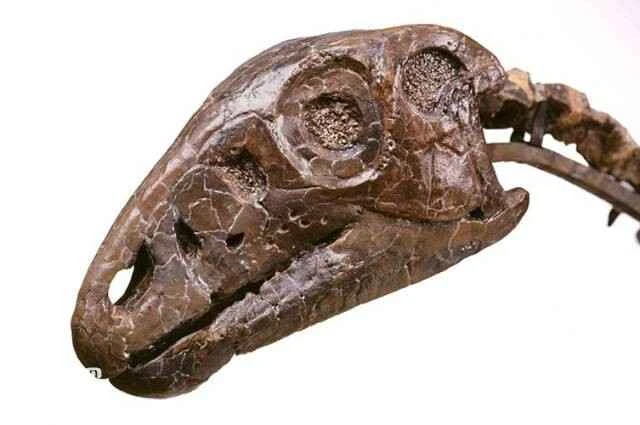
In nature, some animals impress with their fierce aggression and fearless spirit. Their survival depends not only on strength, but also on their indomitable attitude towards challenges and their "willing to die rather than surrender" spirit. Today, let's look at the world's ten most warlike animals and how these animals have established themselves in nature to become true "warriors."
1. Honey Badger - Combat Rating: 9/10
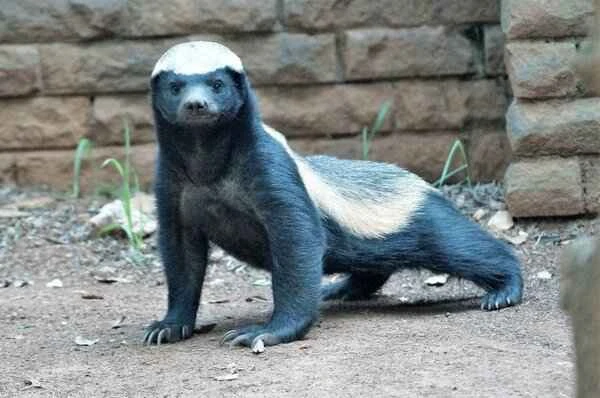
The honey badger is hailed as "the bravest animal in the world." Despite its relatively small size, the honey badger is renowned for its extremely high aggression and tenacious survival instinct. In parts of Africa and Asia, the honey badger has virtually no natural predators. They dare to compete with large predators such as lions and tigers for food, and even when attacked by venomous snakes, they do not flinch, managing to escape thanks to their thick skin and strong resistance. The honey badger's fighting spirit is simply unmatched!
Source: National Geographic
2. Wolverine - Combat Rating: 9/10
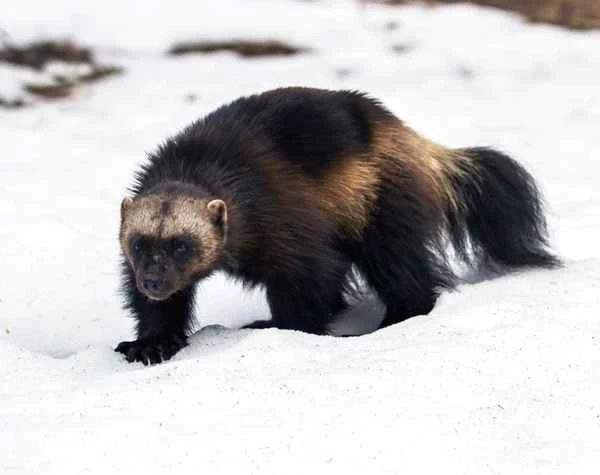
Wolverines are among the most aggressive animals in nature, possessing formidable fighting abilities. Despite their small size, they are extremely fierce and capable of confronting animals much larger than themselves. For example, a wolverine once snatched food from the mouths of three adult wolves and even forced a cougar to retreat. Their aggressiveness leaves them with virtually no natural predators in the wild; their attacks are not merely for survival but also a challenge to their environment.
Source: BBC Earth
3. Marten - Combat Rating: 8/10

Wolverines are alert, fierce, and medium-sized carnivores. They are excellent climbers and swimmers, typically inhabit dense forests, and are swift and difficult to catch. Wolverines are usually nocturnal and possess extremely keen eyesight, allowing them to quickly detect any movement in their surroundings. They will use strong aggression to protect themselves and their territory, and are even capable of stealing food from other animals.
Source: Wildlife Conservation Society
4. Tasmanian Devil - Combat Rating: 8/10
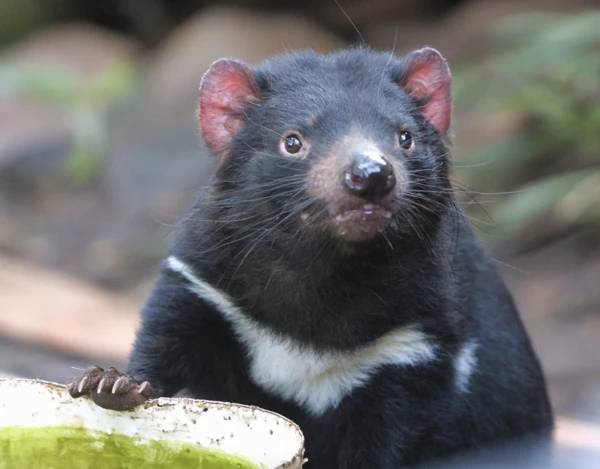
The Tasmanian devil, known as the "Tasmanian devil," is famous for its distinctive howl and ferocious temper. It is the only marsupial carnivore. The size of a puppy is comparable to its size, but it is incredibly strong, possessing the strongest bite force among mammals of its size. They can devour their prey's internal organs, fur, and bones. Tasmanian devils frequently fight among themselves, with adult males being the most aggressive. Scars from fights over food or mates are often visible on their bodies.
Despite their small size, Tasmanian devils are surprisingly aggressive. These nocturnal animals will fiercely fight with their own kind for food. Their powerful bite and aggressive nature make them formidable predators. Especially when food is scarce, Tasmanian devils will not hesitate to challenge larger animals.
Source: Australian Museum
5. Black Mamba - Combat Rating: 8/10
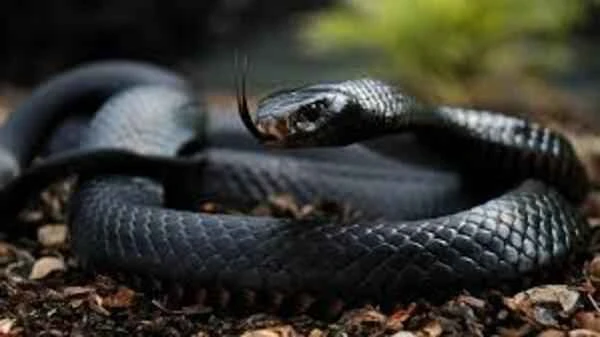
The black mamba is not only one of the most venomous snakes in the world, but its aggression is also terrifying. The black mamba is incredibly fast, capable of gliding across the ground at incredible speeds. When faced with a threat, it will attack without hesitation. Its venom is quick and lethal, rendering its prey helpless. The black mamba's attack speed is so fast that even skilled hunters find it difficult to dodge.
Source: Smithsonian National Zoo
6. Weasel Family - Combat Rating: 7/10
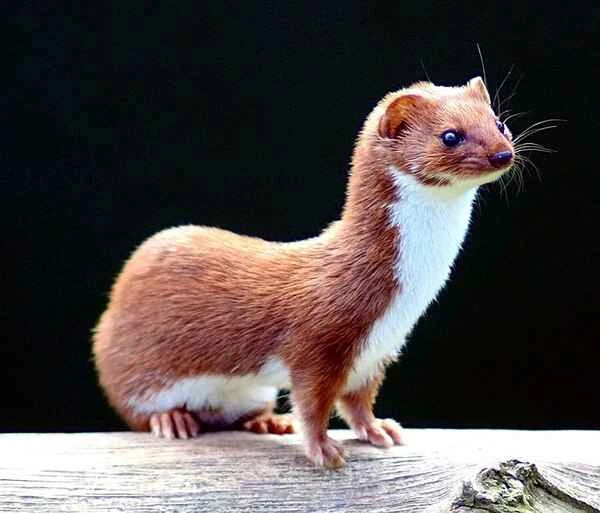
Weasels, including ferrets, weasels, and skunks, are small yet exceptionally fierce predators. Agile and quick-witted, they can take on many animals larger than themselves despite their small size. Not only are weasels known for their aggressiveness, but they are also excellent hunters. They hunt in highly efficient ways, making them more aggressive and competitive than many of their relatives.
Source: BBC Wildlife
7. Eurasian Goshawk - Combat Rating: 7/10
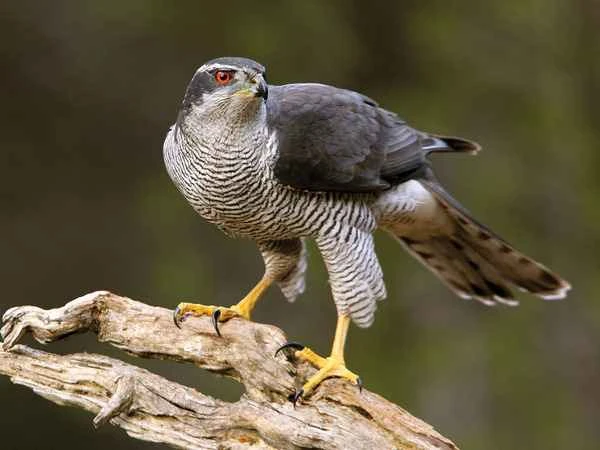
The goshawk is a highly aggressive bird of prey. With powerful talons and a sharp beak, it can swiftly strike and kill prey in mid-air. Goshawks are extremely territorial and will not hesitate to attack any animal that intrudes on their territory. Their aggressiveness reaches its peak, especially during the breeding season.
Source: Cornell Lab of Ornithology
8. Hyenas - Combat Rating: 8/10
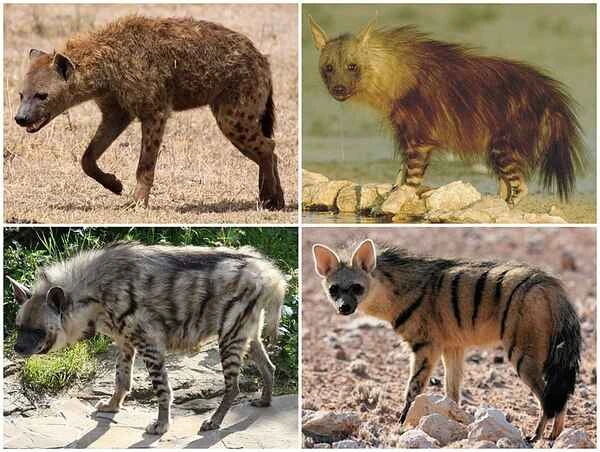
Although hyenas are often mistaken for scavengers, they are actually very fierce predators. Hyenas exhibit astonishing coordination and attack power when hunting in packs. They are not only capable of defeating prey stronger than themselves, but also occupy a very important position in the food chain. Hyenas are renowned for their powerful bite force and group cooperation, daring to challenge enemies stronger than themselves.
Source: National Geographic
9. Cassowaries - Combat Rating: 9/10
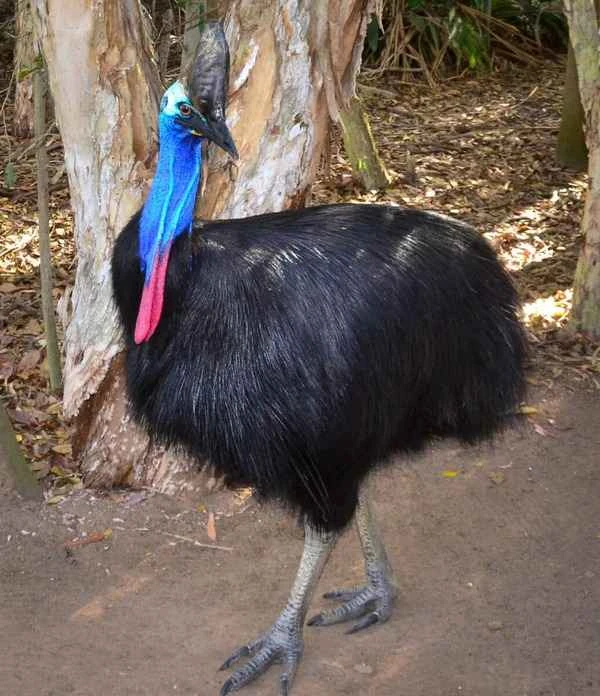
Cassowaries, also known as cassowaries, are among the most dangerous birds in the world, possessing a large size and extremely aggressive nature. Their leg muscles are incredibly powerful, and their claws are sharp and long, capable of easily killing. Cassowaries are highly territorial and will attack without hesitation when threatened. Their powerful legs and sharp claws make them a deadly threat to both humans and animals.
Source: Australian National Wildlife Collection
10. Fukushima Wild Boar - Combat Rating: 7/10
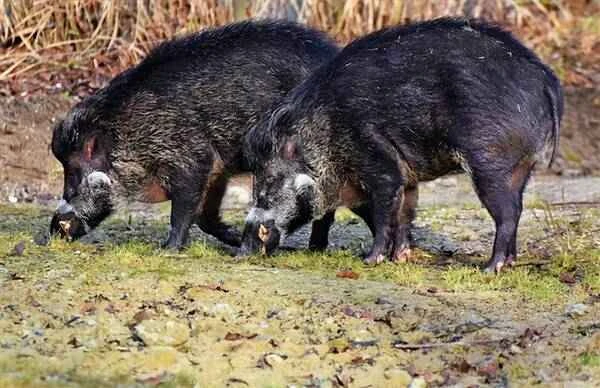
Fukushima wild boars, also known as radioactive boars, began to ravage northern Japan after the Fukushima nuclear disaster in 2011 due to radioactive contamination. These boars are robust, measuring 1.5-2 meters in length and weighing 90-200 kilograms. They have tusks, mouths full of blood, and are extremely ferocious. They are currently the most aggressive animals, and when they encounter humans, they will attack them out of anger without any hesitation, displaying extreme ferocity.
Fukushima wild boars are known for their powerful aggression and large size. Their sharp teeth and strong bodies make them extremely dangerous when threatened. Especially when mother boars are with their piglets, they exhibit strong protective behavior, and any animal that approaches them will be met with a fierce counterattack. Wild boars are particularly aggressive during the breeding season.
Source: Wildlife Conservation Society
Why are these animals so warlike?
These animals' aggression is often a means of survival. Whether it's to compete for territory, protect food, or defend themselves and their offspring, their fighting spirit is a way of adapting to their environment. For example, the honey badger, with its exceptional endurance and attack power, can snatch food from prey stronger than itself; while the black mamba relies on its swift attack speed and deadly venom to quickly defeat its prey.
Conclusion
From honey badgers to Fukushima wild boars, these warlike animals of the world rely not only on their size to gain an advantage, but also on their fearless fighting spirit and adaptability to establish themselves in the natural world. Their courage and uncompromising attitude, whether competing for food, protecting territory, or dealing with threats, truly inspire awe.
The strength and intelligence of these animals show us the laws of competition and survival in nature, and understanding their behavior helps us better understand the tenacity and fighting spirit of life.