When we think of "cute little animals," we usually picture fluffy, soft, four-legged creatures like cats, dogs, and rabbits. But did you know that the deep ocean also harbors many adorable creatures that will make your heart flutter? Although they don't have fluffy fur, they possess equally stunning appearances and charming qualities.
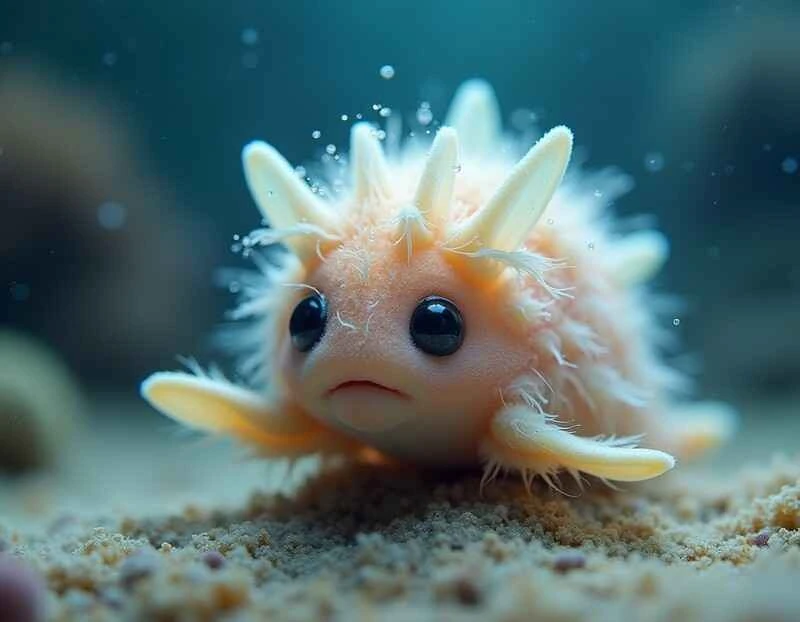
Today, let's take a look at the "Top 10 Cutest Marine Animals" and see what adorable representatives the underwater world has to offer! The list includes: harp seal, beluga whale, penguin, Hawaiian bobtail squid, sea otter, cute octopus, vaquita, killer whale, tube sponge, and box pufferfish. Each one is sure to make you exclaim "Wow!" Let's explore their charm together!
1. Harp Seal
The harp seal is an adorable marine mammal that lives in polar waters. It is about 1.7 meters long and can weigh up to 130 kilograms. They have a broad face, close-set eyes, strong and powerful forelimbs, and very noticeable black claws. Their fur is smooth and silvery-white, with black, curved stripes on their backs that resemble the shape of a harp, hence the name "harp seal".
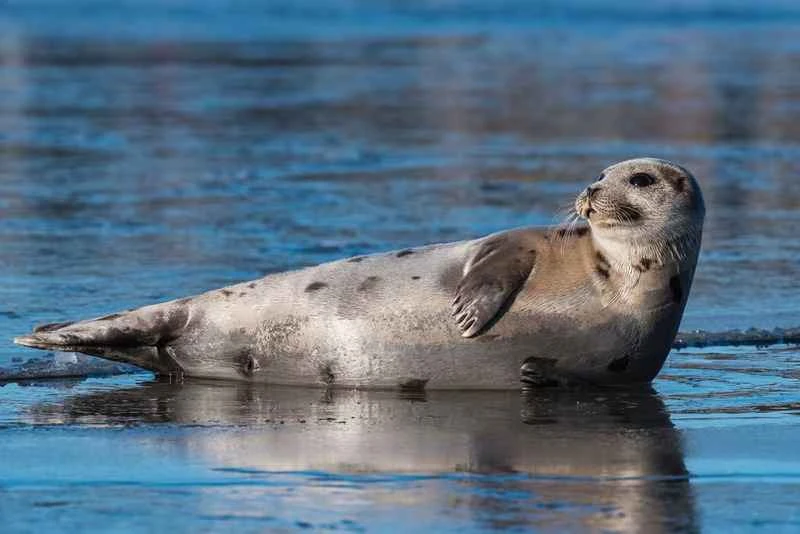
What's most endearing are their newborn babies—covered in snow-white downy hair, like a soft ball of snow, making you want to get closer. After about two weeks, this downy hair will gradually fade, turning into a silver-gray outer skin with irregular black spots.
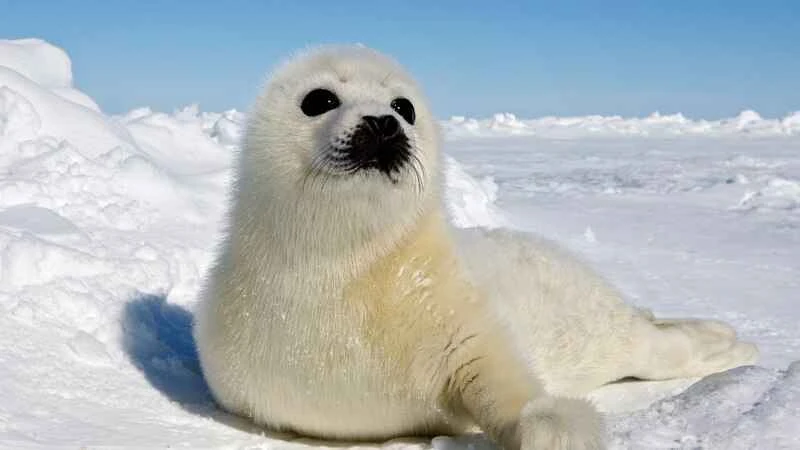
Harp seals primarily inhabit open polar waters and coastal ice edges. They are social animals, often migrating in large groups along the edges of ice floes. Their diet includes cod, herring, and sweetfish, making them typical carnivorous marine creatures.
2. Penguins
Penguins, known as "ships of the sea," are an ancient group of seabirds that settled in Antarctica long before the Earth was covered by ice and snow. As one of the most representative polar animals on Earth, penguins are beloved for their endearing appearance and gentle, friendly nature.
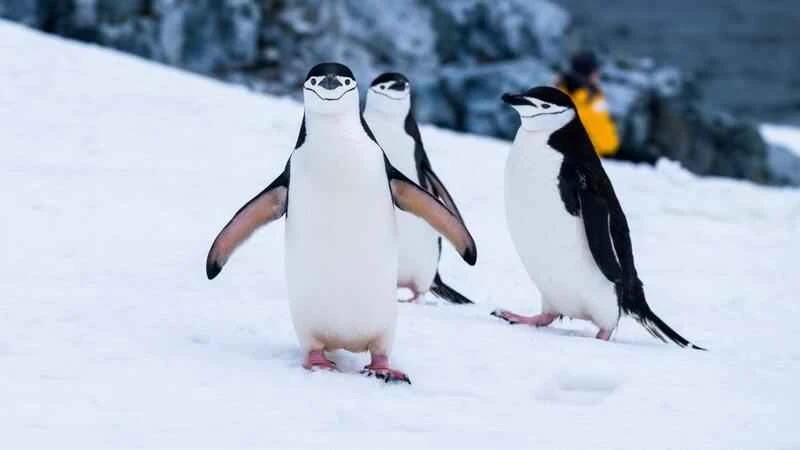
Although penguins have a dignified appearance and a waddling gait that gives them a haughty and powerful first impression, they are actually very approachable. When humans approach, they usually don't panic and run away, but rather stand still, sometimes pretending to be nonchalant, sometimes lowering their heads and remaining silent like shy children, and sometimes huddling together, looking around and chattering as if "discussing" something.
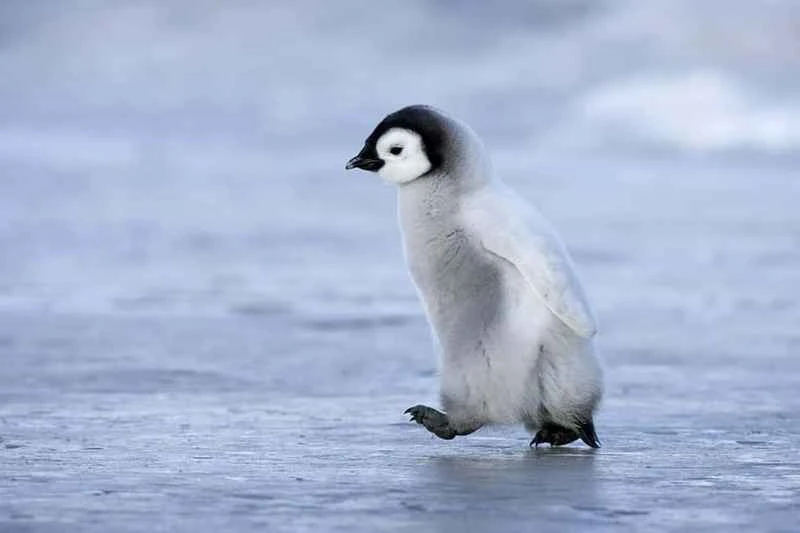
This natural naiveté and curiosity makes them look both comical and adorable, making people smile. Perhaps it is because they rarely see humans that penguins' "not being shy around strangers" behavior stems more from their pure and innocent curiosity.
3. Pufferfish
Pufferfish, also affectionately known as "bubble fish" or "blower fish," are a very special type of fish, including both saltwater and freshwater varieties. Generally, fish become aggressive and difficult when angry, but pufferfish do the opposite—they don't fight or make a fuss, but instead quickly "blow" themselves into a round little ball.
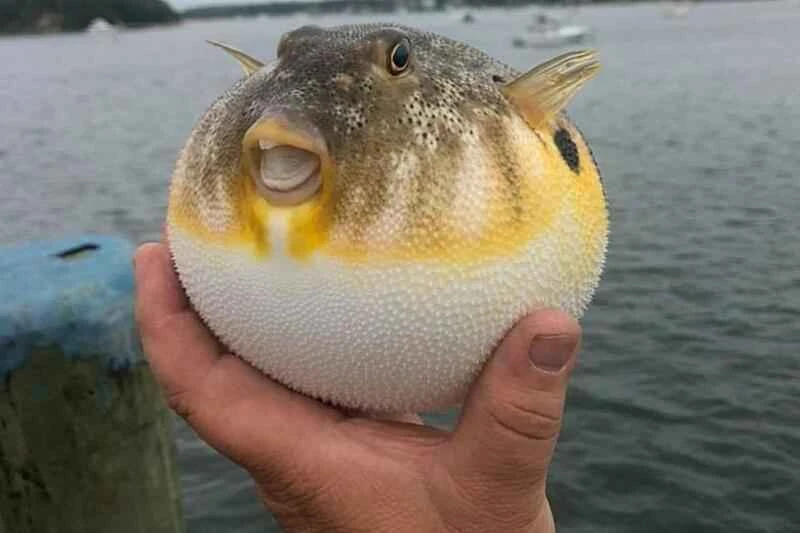
In the pufferfish's own perception, this "inflating" behavior is a warning: I'm very angry! I'm getting bigger to scare you! I'm super scary now! But in our human eyes, its round and chubby appearance makes it look particularly cute and adorable, which is simply irresistible.
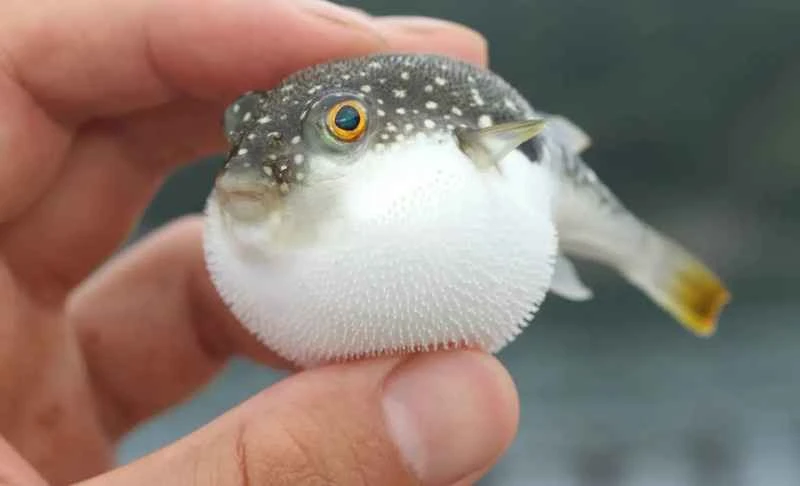
However, don't be fooled by its appearance. The pufferfish's cuteness is merely a facade; it harbors a deadly "secret weapon"—tetrodotoxin. This extremely potent neurotoxin, with just one gram, is enough to kill 500 people, making it truly "cute but dangerous." Therefore, if you wish to approach this "drummer," you must be extra cautious and never lower your guard because of its adorable appearance.
4. Beluga whale
The beluga whale is a marine mammal belonging to the genus *Beluga* in the family Narwhalidae, and it has a highly distinctive appearance. They have a rounded, prominent forehead, a short mouth, broad lips, and a soft, pure white coat, hence the name "beluga whale." Unlike other whales, beluga whales have slightly yellowish skin in the summer and are capable of molting.
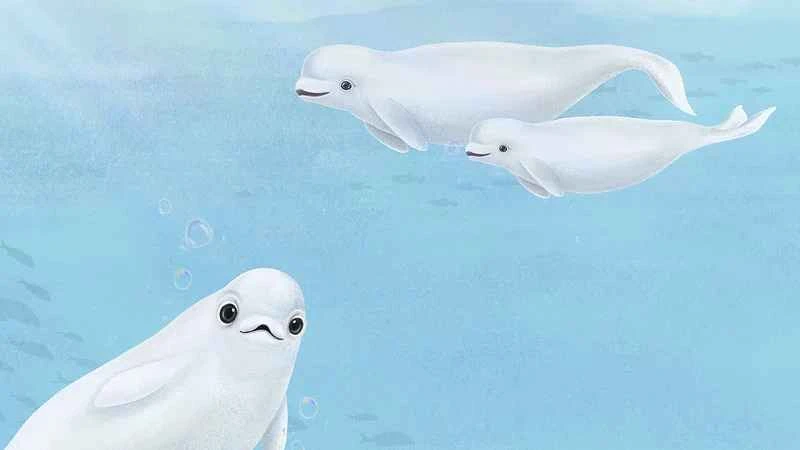
Besides their unique appearance, beluga whales are also known for their intelligent and active nature. They love to play, and all sorts of small objects in the sea can become their "toys"—whether it's a piece of floating wood, a wisp of seaweed, or a rock. They sometimes dive into the water, sometimes leap out, often frolicking with seaweed in their mouths, accompanied by a variety of cheerful calls.
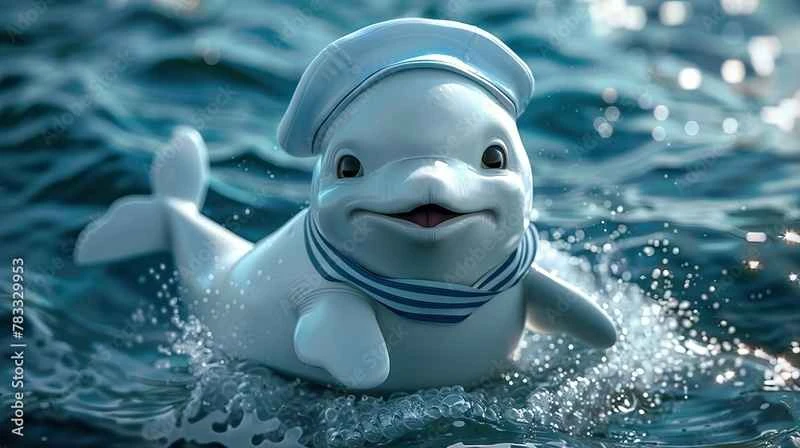
Even more interestingly, beluga whales will use their mouths to lift rocks, balance them on their heads, and float on the surface of the water, even "performing" like acrobats with comical and agile movements that are sure to bring a smile to your face. This playful and flexible nature also makes them one of the most approachable animals in the ocean.
5. Hawaiian short-tailed squid
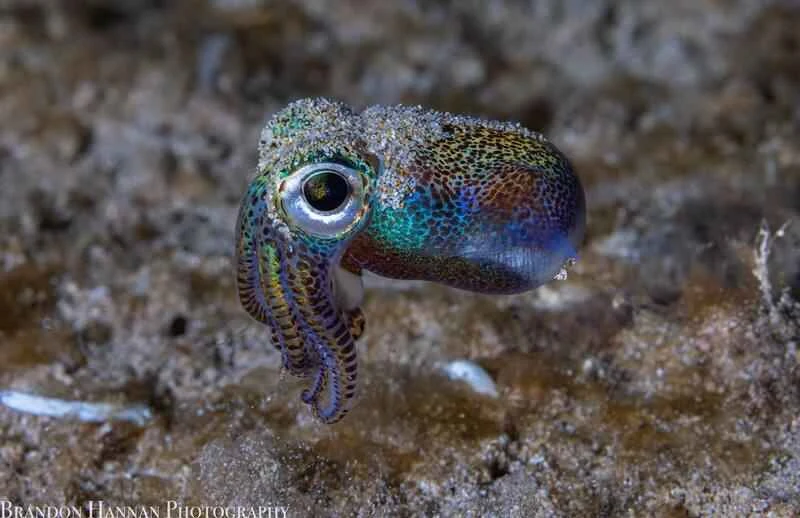
The Hawaiian bobtail squid is a mysterious creature that lives in the dark environment of the deep sea and possesses a unique "bioluminescent ability." They have established a symbiotic relationship with a type of bioluminescent bacteria called * Vibrio fischeri *, which resides in special bioluminescent organs within the squid's body. By controlling the number and arrangement of these bacteria, the squid can precisely regulate the intensity and direction of the light.
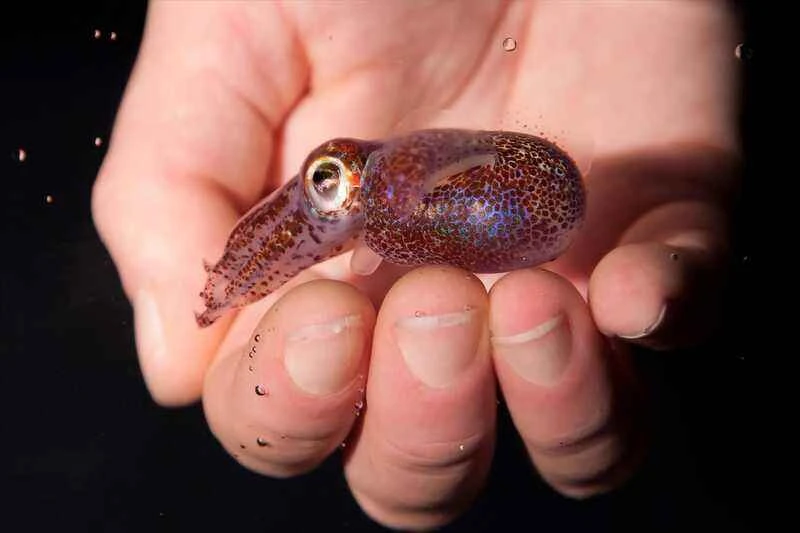
Even more astonishingly, this bioluminescent organ not only provides illumination but also senses the presence of light. It contains photosensitive proteins similar to the retina and even possesses structures resembling the iris and lenses, leading scientists to call it a pair of "primitive eyes." In essence, this squid is equipped with a pair of "visual flashlights," illuminating its surroundings and sensing external light sources in the dark underwater world—a true marvel of biological lighting in nature.
6. Sea otter
Sea otters are marine mammals belonging to the genus *Octos* in the family Mustelidae. They are about 130 to 150 centimeters long and weigh between 30 and 50 kilograms. Their tails are 30 to 40 centimeters long, and males are usually slightly larger than females. They have short, bare forelimbs and broad, flat hind limbs with webbed toes, forming a flipper-like structure that is well-suited for swimming and diving.

What makes sea otters most endearing is their series of adorable actions—such as covering their eyes with their front paws or gently rubbing their cheeks, looking both playful and cute. They also have a well-known behavior: when lying on their backs swimming on the surface of the water, they often hold seashells, rocks, sea urchins, or even their own babies in their arms, looking completely relaxed.
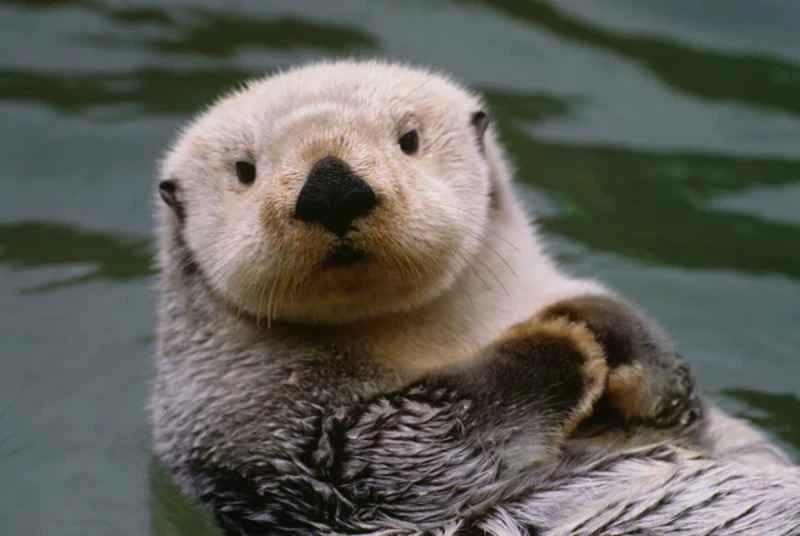
It's worth noting that sea otters are among the few marine animals capable of skillfully swimming on their backs. They coat their thick fur with oils to enhance buoyancy and waterproofing, allowing them to float easily on the water's surface. This unique "backstroke technique" not only helps them rest and forage but also serves as one of their most recognizable and adorable trademarks in nature.
7. Adorable octopus
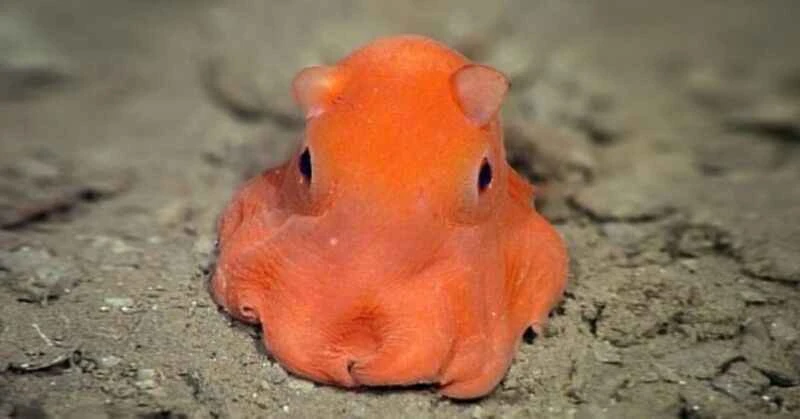
On June 17, 2015, marine biologists from the Monterey Bay Aquarium Research Institute in the United States accidentally discovered a peculiar octopus they had never seen before while conducting deep-sea exploration in the area. This octopus was exceptionally cute, with a soft pink body and large, puppy-like eyes, giving it a charmingly adorable appearance. Scientists thus gave it a very fitting name – "Mengmengda" (meaning "cute").
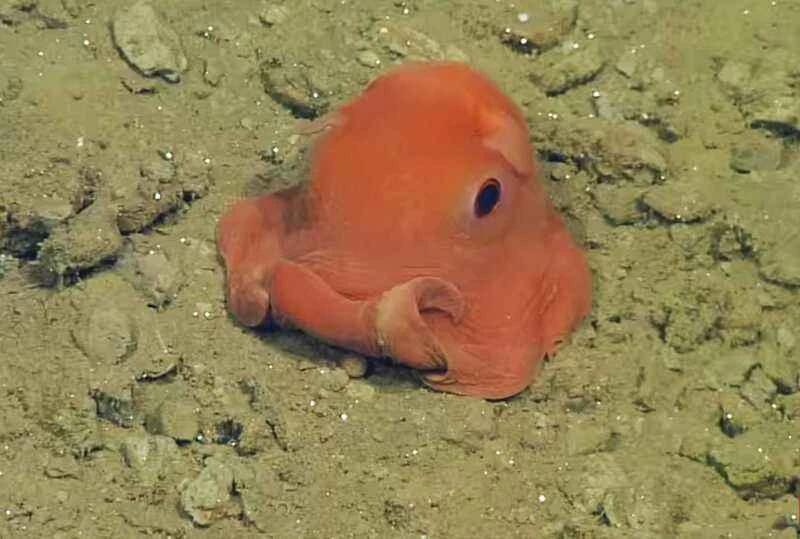
This octopus is about 18 centimeters long. Besides its adorable colors and large eyes, it also has a pair of wing-like fins on its head, making it look like it's gracefully flying in the water. When it spreads its eight tentacles, its overall shape resembles a small underwater umbrella, which is quite impressive. According to observations, they live in the deep sea area about 450 meters below the sea level and are still a novel species for scientific research.
8. Vaquita dolphin
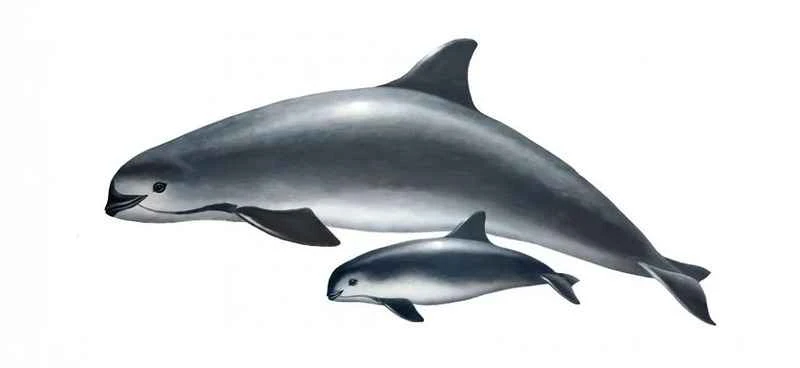
The vaquita is the smallest known cetacean, small yet compact in size. It possesses a very prominent dorsal fin, resembling a shark's fin, and a rounded head with an almost indistinct beak. Its most distinctive feature is the dark "eyeshadow" around its eyes, which, combined with the intricate gray patterns on its body, can appear olive green or yellowish-brown under certain lighting conditions, thus giving it an overall "dark" appearance.
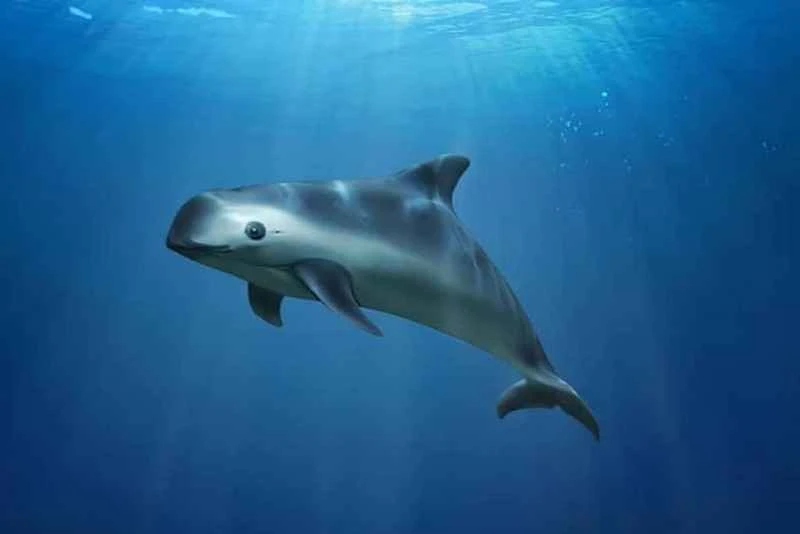
Vaquita dolphins swim and forage with remarkable grace and ease, yet they are extremely timid and shy, instinctively avoiding humans and staying away from all boats. When they surface to breathe, their movements are slow and gentle, barely creating a splash; they simply flip gracefully and disappear quickly beneath the surface. When diving, their small tail fins usually remain hidden. Although their exhalation is not pronounced, they still produce a clear, loud, and slightly sharp breathing sound, similar to that of harbor vaquita dolphins.
9. Orca
Orcas are large toothed whales, with adults reaching 8 to 10 meters in length and weighing approximately 9 tons. Their heads are slightly rounded, with an indistinct beak, and their tall, erect dorsal fins, reaching up to 1 meter in length, are extremely striking. The striking black and white coloration is one of their most distinctive physical characteristics.
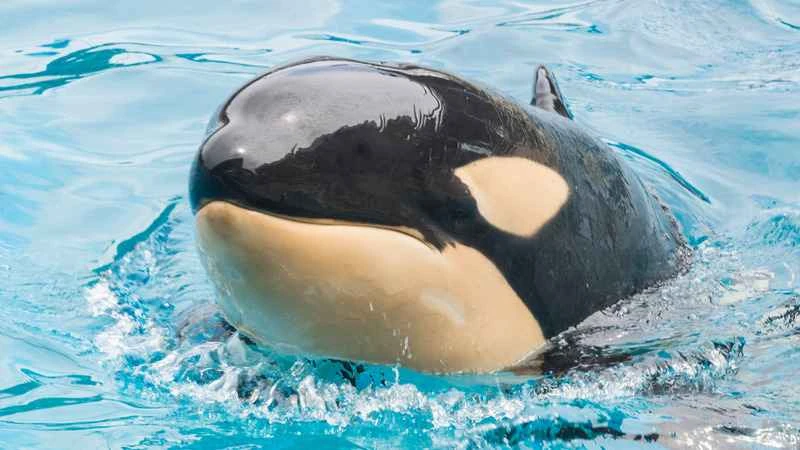
Orcas often exhibit a variety of eye-catching behaviors, such as leaping out of the water to splash, peering into the water (snorkeling), or slapping the surface with their tail and pectoral fins. Interestingly, in shallow waters such as bays, they also use a unique notch on their tails to hook and pull seaweed from the water, making a "whooshing" sound. In no time, they are covered with translucent seaweed, as if "dressing themselves up."
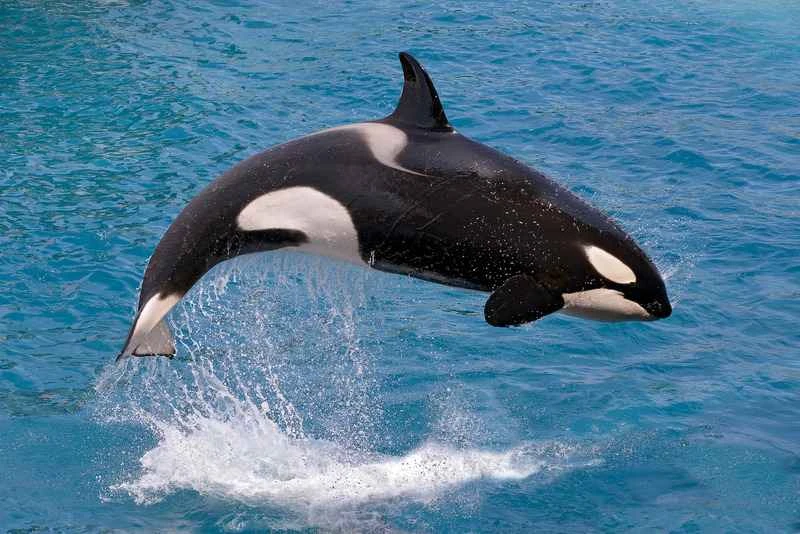
Orcas react to ships in a variety of ways, sometimes appearing indifferent and ignoring them, and at other times showing curiosity and actively approaching to observe them. They are not only intelligent but also emotionally rich, making them one of the most fascinating predators in the ocean.
10. Furnace tube sponge
The furnace tube sponge is a unique marine creature with a fascinating appearance. Its bulging "eyes," wide "mouth," and vibrant blue color immediately evoke images of Cookie Monster from the animated film. According to a report in the British Daily Mail on September 22, 2013, photographer Mauricio Handler unexpectedly captured a rare furnace tube sponge while diving in the Caribbean Sea.
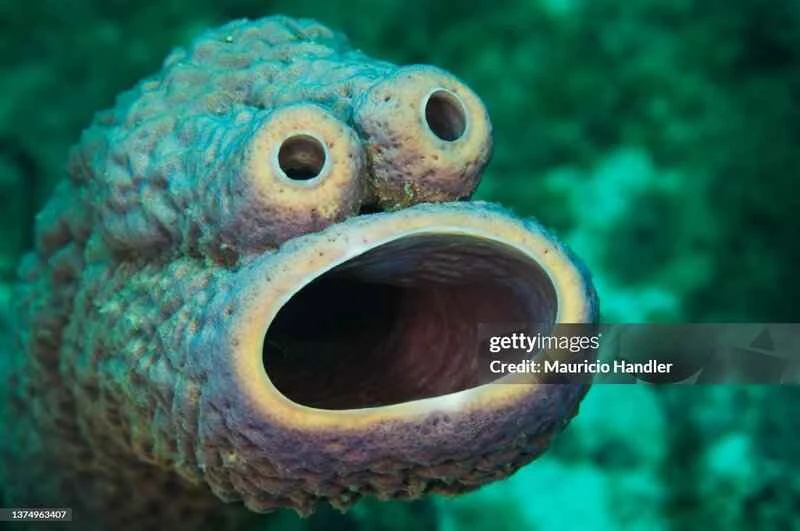
The sponge, with its open tubular structure, appears to be shouting with wide eyes and an open mouth, a rather comical and amusing sight. Many people who saw the photo immediately thought of the plush, cookie-loving character from the famous American children's show, Sesame Street.
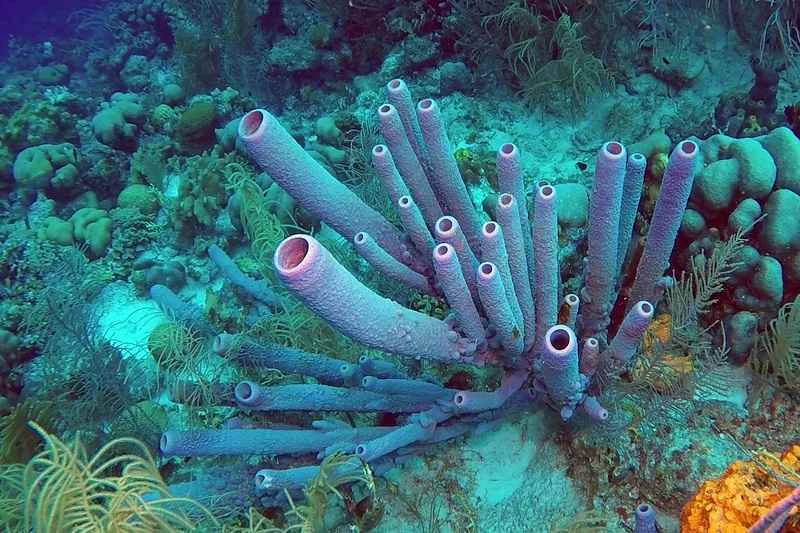
Of course, real-life furnace sponges don't eat cookies; they feed on plankton in seawater, absorbing nutrients from the water to sustain their lives. As filter feeders, furnace sponges are "cleaners" in the marine ecosystem, not only with their adorable appearance but also playing a vital role in maintaining ocean water quality.
The list of the top ten cutest marine animals is based on their appearance, behavior, and other information, and also references relevant online rankings. It is for reference only and aims to help you learn about the world's cutest marine animals. If you have any questions, please feel free to comment or offer corrections at the end.