Although dinosaurs went extinct approximately 65 million years ago, their descendants and close relatives still survive on Earth, and some extant animals still retain a dinosaur-like appearance and characteristics. Some animals are called "living fossils" because they have preserved ancient appearances and physiological features during evolution, allowing us to glimpse the biological landscape of ancient times. So, which animals today still look like dinosaurs? How have they maintained these dinosaur-like features over such a long period? We will explore these animals in detail below.
I. Birds – Direct Descendants of Dinosaurs
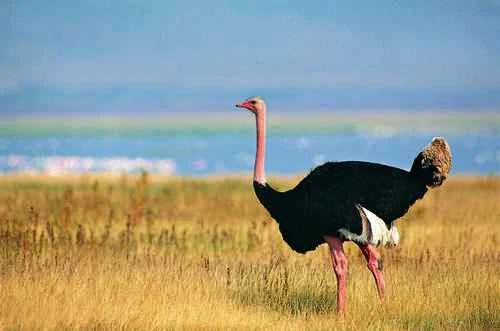
1. Ostrich
Ostriches are the largest living birds. Their enormous size, long necks, and long legs are reminiscent of some dinosaurs, especially small, bipedal theropods. Ostriches cannot fly, but they can run very fast, reaching speeds of up to 70 kilometers per hour, a speed similar to that of many dinosaurs.
Similarities : Ostriches share striking similarities with dinosaurs in their bipedal locomotion, skeletal structure, and some physical characteristics, especially with smaller theropod dinosaurs such as Velociraptors or Tyrannosaurus rex.
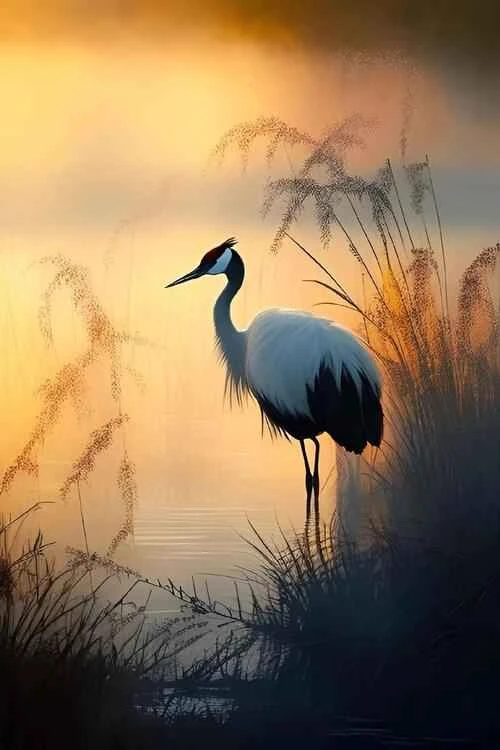
2. Crane
Cranes are elegant, long-legged birds whose slender bodies and long necks evoke images of ancient dinosaurs, particularly striking resemblances to herbivorous dinosaurs such as Iguanodon or Coelophysis. Their gait on the ground is similar to that of many bipedal dinosaurs.
Similarities : The crane's tall stature, long neck, and bipedal walking style make it look very similar to some herbivorous dinosaurs, especially their overall body proportions.
II. Reptiles – Close Relatives of Dinosaurs
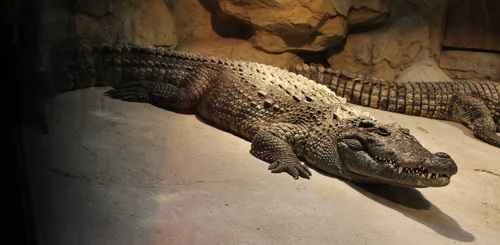
1. Crocodile
Crocodiles are among the oldest living reptiles, sharing a common ancestor with ancient dinosaurs. Their massive size, scaly skin, and powerful bite are reminiscent of those fearsome carnivorous dinosaurs. In fact, crocodiles have existed on Earth for over 200 million years, contemporaneous with dinosaurs, and have remained remarkably unchanged.
Similarities : The crocodile's long tail, thick skin, and ferocious appearance are similar to some dinosaurs, especially large carnivorous dinosaurs (such as Spinosaurus).
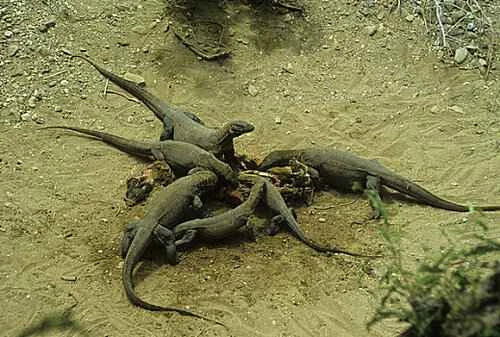
2. Monitor Lizard
Monitor lizards are giant species of lizards, and their appearance bears a striking resemblance to many small dinosaurs. Monitor lizards are cold-blooded animals, adept at moving quickly on land, especially the Komodo Dragon, which is considered the largest living lizard in the world, reaching lengths of up to 3 meters.
Similarities : The monitor lizard's body shape, limb posture, and hunting methods are very similar to those of small dinosaurs, such as velociraptors, especially their scaly skin and head structure.
III. Marine Animals – The Marine Legacy of Ancient Dinosaurs
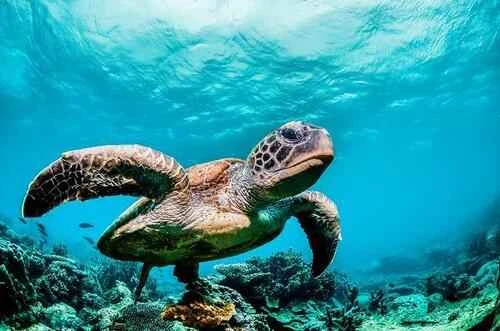
1. Sea Turtle
Sea turtles are ancient marine reptiles whose history dates back 100 million years and who once coexisted with dinosaurs. Their heavy shells and slow movements are reminiscent of some ancient dinosaurs, especially armored herbivores like ankylosaurus.
Similarities : The turtle's hard shell and bulky body bear a striking resemblance to many dinosaurs, such as ankylosaurs or stegosaurs.
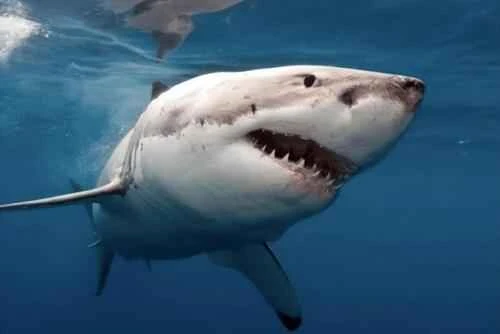
2. Great White Shark
Although great white sharks are fish, their history dates back hundreds of millions of years. Their powerful jaws and ferocious hunting instincts made them one of the most threatening creatures in the ocean. While not directly related to dinosaurs, their ferocious nature and dominance of the seas evoke images of marine dinosaurs, such as mosasaurus.
Similarities : Great white sharks share similar hunting habits and apex predator status with ancient marine reptiles such as mosasaurs.
IV. Dinosaur Shadows in Mammals
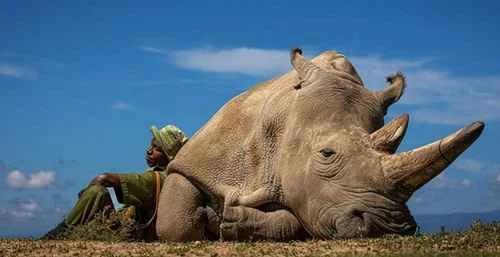
1. Rhinoceros
Rhinoceroses are large, herbivorous mammals with massive bodies, thick skin, and powerful limbs. Their appearance is reminiscent of ancient dinosaurs, especially Triceratops. Although rhinoceroses are mammals, their thick skin and horns bear a striking resemblance to the headdress of Triceratops.
Similarities : The rhinoceros's horn, massive size, and tough skin are extremely similar to those of ceratopsian dinosaurs such as Triceratops, especially their slow-moving figures on the grasslands, which make people feel as if they are in the age of dinosaurs.
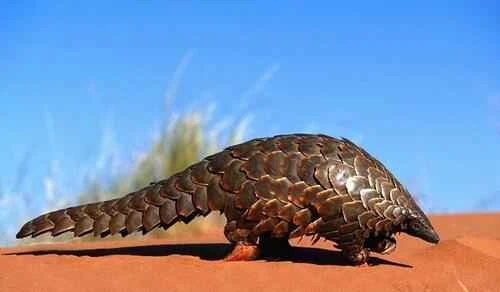
2. Pangolin
Pangolins are the only mammals on Earth covered in scales, and their appearance is very similar to that of many dinosaurs, especially armored dinosaurs like ankylosaurus and stegosaurs. Pangolin scales are composed of keratin, which protects them from predators.
Similarities : The scales and defense mechanisms of pangolins are remarkably similar to those of armored dinosaurs such as ankylosaurs and stegosaurs.
V. Amphibians – Sharing similar environments with ancient dinosaurs
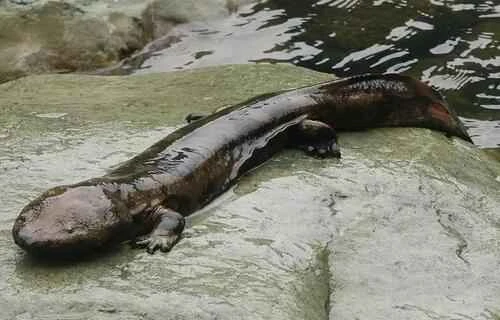
1. Chinese Giant Salamander
The giant salamander is the largest amphibian in the world, with an ancient appearance, a broad and flat body, and lives in water. Its appearance is reminiscent of some ancient dinosaurs, especially early amphibians and aquatic reptiles. The giant salamander's history dates back to the age of dinosaurs, making it one of the oldest living amphibians.
Similarities : The giant salamander's broad, flat body and slippery skin make it look like some ancient aquatic reptiles.
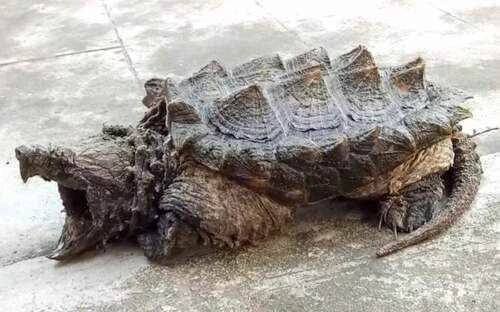
6. Alligator Snapping Turtle
Alligator snapping turtles are named for their enormous size and terrifying appearance. They have hard shells and powerful jaws, and their appearance is very similar to that of ancient dinosaurs, especially ankylosaurs and other armored dinosaurs.
Similarities : The alligator snapping turtle's shell and strong jaws make it look like a smaller version of an ankylosaur or stegosaur, and its hunting methods are also similar to those of some carnivorous dinosaurs.
Although dinosaurs went extinct tens of millions of years ago, their influence continues in many animals today. From giant birds to marine predators to scale-covered reptiles, these animals retain similar body size, appearance, or behavioral characteristics to dinosaurs. They not only demonstrate the continuity of life's evolution but also allow us to glimpse the former glory of those colossal creatures on ancient Earth.