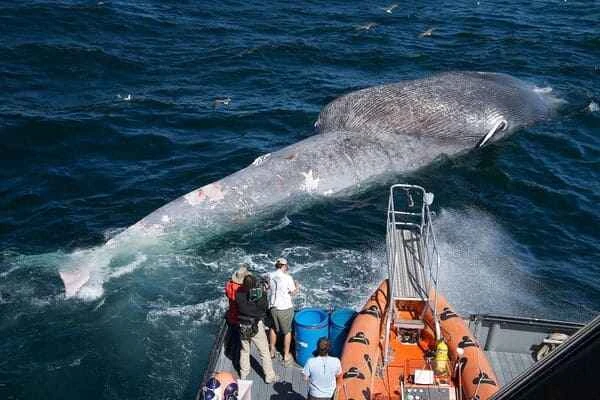
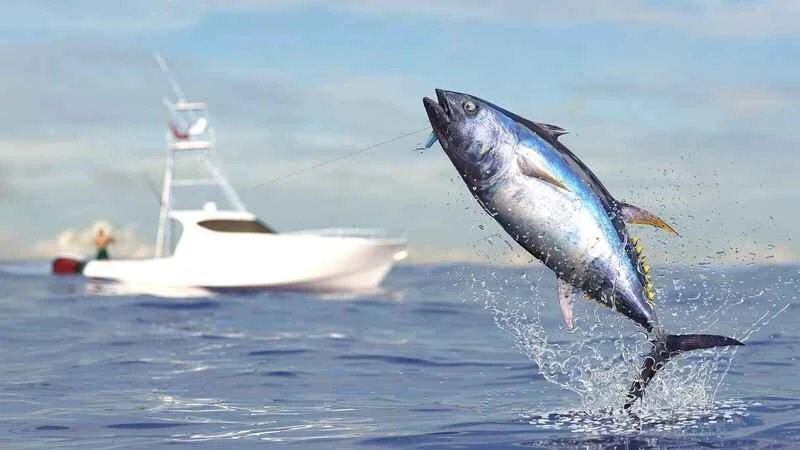
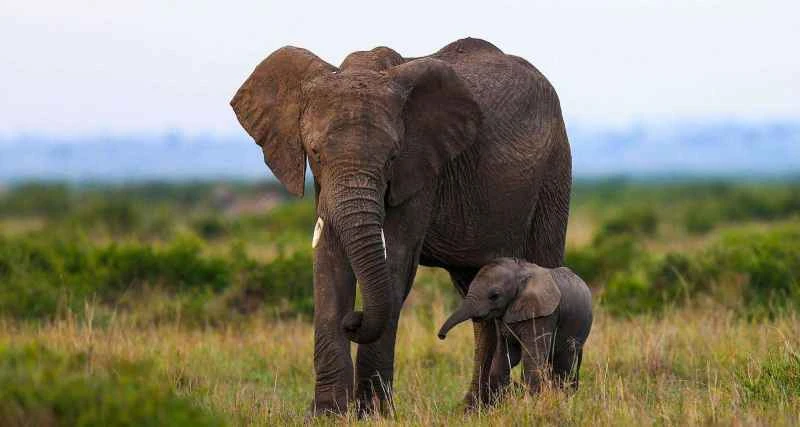
Earth is a planet teeming with life, and wildlife forms the core of biodiversity. Wildlife refers to animals that have not been domesticated by humans and rely on their natural environment for survival and reproduction. Understanding the types and proportions of wildlife not only helps reveal the complexity of Earth's ecosystems but also provides a fundamental scientific basis for the conservation of these species.
This article will explore in detail the species, numbers, proportions of major groups of wild animals worldwide, and their important roles in ecosystems.
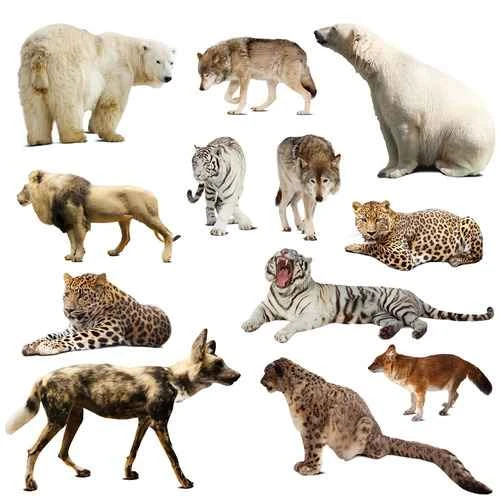
I. Main Classifications of Wild Animals
Wild animals are incredibly diverse, found everywhere from land to sea, from mountaintops to the deep ocean. Generally, based on their biological characteristics, wild animals can be divided into the following main groups:
Mammals
Birds
Reptiles
Amphibians
Fish
Invertebrates
1. Mammals
Mammals are a class of vertebrates characterized by internal development, nursing of offspring, and homeothermic behavior. There are approximately 6,400 species of mammals living worldwide, widely distributed from tropical rainforests to polar ice caps.
Percentage : Mammals make up only about 5% of all vertebrates, but due to their complex behavioral patterns and high level of intelligence, they play an important role in the ecosystem.
Representative species : lions, tigers, elephants, dolphins, bats, etc.
2. Birds
Birds are the only animals with feathers, and there are approximately 11,000 species of birds worldwide. Birds are capable of flight (with some exceptions) and have unique reproductive behaviors, such as nest building and incubation. They are widely distributed across the Earth, inhabiting a variety of environments, including forests, wetlands, grasslands, and urban areas.
Percentage : Birds make up about 14% of the world's vertebrates, making them a very diverse group.
Representative species : eagles, penguins, parrots, hummingbirds, flamingos, etc.
3. Reptiles
Reptiles include lizards, snakes, turtles, and crocodiles. They typically have hard scales or shells and are cold-blooded. There are approximately 10,000 species of reptiles worldwide, most of which live in warm climates.
Percentage : Reptiles account for about 12% of the total number of vertebrates.
Representative species : cobra, Komodo dragon, green sea turtle, alligator, etc.
4. Amphibians
Amphibians, such as frogs, salamanders, and toads, are vertebrates that live both in water and on land. They rely on moist environments to reproduce and survive, and there are approximately 8,000 species of amphibians worldwide.
Percentage : Amphibians account for about 9% of vertebrate species, with frogs being the most common.
Representative species : frogs, giant salamanders, fire salamanders, toads, etc.
5. Fish
Fish are the most numerous group of vertebrates, divided into freshwater fish and marine fish. There are more than 34,000 species of fish in the world, mainly living in various aquatic environments.
Percentage : Fish account for more than 50% of all vertebrate species, making them the most numerous and diverse group of vertebrates.
Representative species : shark, carp, sea bass, salmon, eel, etc.
6. Invertebrates
Invertebrates are animals without a backbone, including insects, crustaceans, mollusks, worms, corals, etc. They constitute the majority of animal species on Earth, with millions of species worldwide.
Percentage : Invertebrates account for more than 95% of all animal species worldwide, making them the largest group in terms of biodiversity.
Representative species : bees, butterflies, spiders, crabs, octopuses, etc.
II. Global Wildlife Species, Number, and Proportion
The distribution of wildlife species globally is extremely uneven, with particularly significant differences in numbers between vertebrates and invertebrates. Scientists estimate that there are approximately 8.7 million different species on Earth, the vast majority of which are wild animals.
1. Vertebrates
Vertebrates, including mammals, birds, fish, reptiles, and amphibians, make up about 5% of all known species. Despite their relatively small number of species, vertebrates often occupy the top of the food chain in ecosystems and play an important role.
Number of vertebrate species : approximately 70,000.
Percentage : Only 5% of the world's animal species.
2. Invertebrates
Invertebrates are the most diverse group of organisms on Earth, estimated to number over 1.5 million, with insects being the most abundant group, comprising the vast majority of invertebrates.
Number of invertebrate species : more than 1.5 million, of which insects account for about 80%.
Percentage : 95% of all animal species in the world.
3. Insects
Insects are the most numerous group of invertebrates, with an estimated over one million species worldwide, making up the majority of all animal species globally. Insects play vital roles in maintaining ecosystems, such as pollination and decomposition of organic matter.
Percentage : Insects make up more than 75% of the world's total animal population.
III. The Ecological Role of Wild Animals
Wild animals play an irreplaceable role in ecosystems, from maintaining the balance of food chains to promoting interdependence among species. Wild animals are vital to the health and stability of Earth's ecosystems.
1. The relationship between predator and prey
In nature, the relationship between predators and prey maintains the population balance in an ecosystem. For example, apex predators such as lions and tigers hunt herbivores to prevent the overpopulation of certain species, thereby maintaining the health of plant communities.
2. Pollination and Seed Dispersal
Wild animals such as insects, birds, and mammals play a crucial role in plant pollination and seed dispersal. Insects such as bees, butterflies, and beetles are the most important pollinators, while some birds and mammals help disperse plant seeds by consuming plant fruits.
3. Maintainers of the food chain
Whether herbivores like elephants or apex predators like wolves and eagles, the presence of wildlife helps maintain the stability of the food chain. Herbivores control plant growth, while carnivores control herbivore populations, ensuring the diversity of the ecosystem.
IV. Threats and Protection of Wild Animals
Despite the vast diversity of wildlife on Earth, they face numerous threats, including habitat loss, climate change, illegal hunting, and pollution. In particular, the populations of many large mammals and predators are declining rapidly.
1. Habitat loss
As human activities expand, wildlife habitats such as forests and wetlands are being destroyed, causing many wild animals to lose their living space.
2. Climate Change
Climate change is altering wildlife habitats, causing species migration, changes in breeding seasons, and reduced food sources, thus impacting their survival.
3. Protective Measures
To address these threats, governments and environmental organizations around the world have taken various measures, such as establishing nature reserves, strengthening wildlife protection laws, and promoting public environmental awareness. These measures help protect endangered species and maintain the Earth's biodiversity.
Wildlife is an essential part of Earth's ecosystem, encompassing a wide range of species including mammals, birds, fish, and invertebrates. Although invertebrates are overwhelmingly more numerous, each species plays a crucial role in maintaining ecological balance. By understanding the types and proportions of these animals, we can better comprehend the complexities of nature and take effective measures to protect these precious lives.