Animal migration is a spectacular natural phenomenon, with millions of creatures traversing thousands of miles in search of survival, reproduction, or better habitat. Under the protection of nature, many animals demonstrate astonishing migratory abilities. From migratory birds in the sky to whales in the ocean, migration is not only a crucial part of animal survival strategies but also a core element of Earth's ecosystems. So, which animals migrate? Why do they migrate? And how do they complete this journey? This article will detail some of the most famous migratory animals in nature.
I. Bird Migration
1. Migratory Birds
Migratory birds are the most typical example of migratory behavior. Every year, tens of thousands of migratory birds fly from the cold north to the warm south in search of suitable habitats and abundant food resources before winter arrives.
Common migratory bird species:
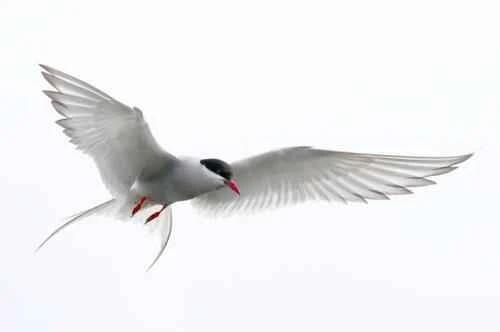
Arctic Tern : The Arctic Tern has the longest migration route, flying from the Arctic to the Antarctic, completing a journey around the entire Earth, with a migration distance of tens of thousands of kilometers.
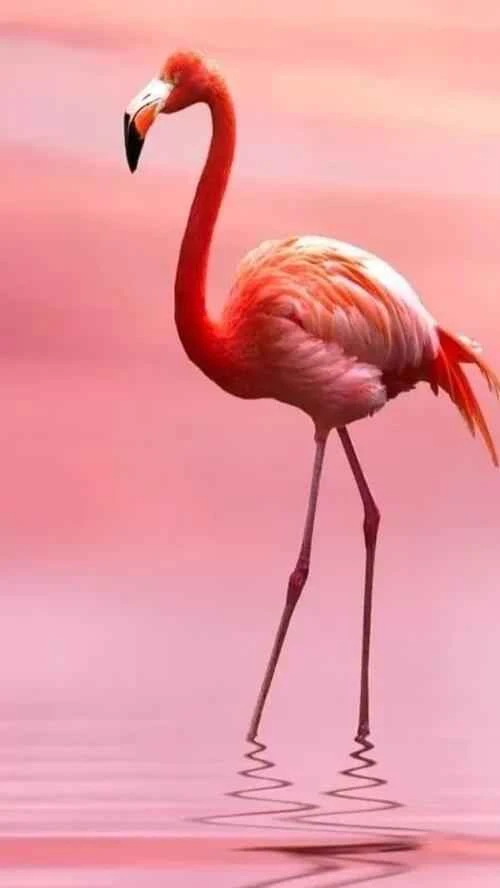
Flamingo : Flamingos migrate through Africa, South America, and South Asia, primarily in search of food and suitable breeding grounds.
Geese : Geese migrate twice a year, in spring and autumn, and fly in a "V" shaped formation, which not only helps reduce air resistance but also enhances teamwork.
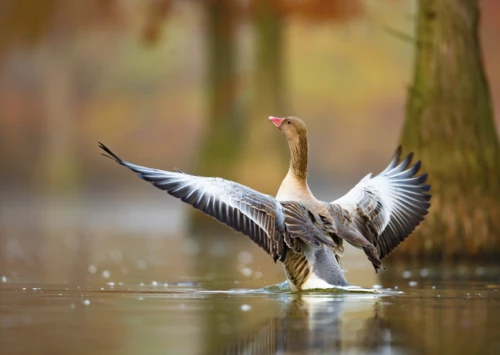
Why do birds migrate?
The main reasons for bird migration are changes in climate and food availability. During the cold winter, food resources in the north become scarce, and birds need to fly to the warmer south to survive the winter. As temperatures rise, migratory birds return north to breed.
II. Marine Animal Migration
1. Whale
Whales are among the largest marine mammals in the world, and they also have extremely long migration routes. Many species of whales migrate between different seasons, swimming from cold polar waters to warm tropical waters.
Common migratory whale species:
Humpback whales migrate between the North and South Poles every year. During the breeding season, they breed in warm waters, while during the feeding season, they migrate to polar waters rich in plankton.
Gray whales migrate over a distance of approximately 20,000 kilometers, stretching from the west coast of North America all the way to the lagoons of Mexico.
Why do whales migrate?
Whale migrations are primarily related to reproduction and foraging. During the summer, they migrate to the rich polar waters to feed and accumulate energy, while in the winter they migrate to warm tropical waters to reproduce, ensuring that newborn calves grow in a warm environment.

2. Sea Turtles
Sea turtles are known for their amazing sense of direction and undertake long-distance migrations every year in search of suitable beaches for breeding.
Common sea turtle migration species:
Green Sea Turtle : Green sea turtles travel thousands of kilometers each year from their habitat back to the beach where they were born to lay their eggs.
Loggerhead Turtle : The loggerhead turtle's migration route crosses the Atlantic Ocean, from the coast of North America to the west coast of Africa, in search of suitable breeding grounds.
Why do sea turtles migrate?
The primary purpose of sea turtle migration is to lay eggs. Female sea turtles return to the beaches where they were born each year during the breeding season; this process, known as "homing," is a remarkable instinctive behavior.

III. Terrestrial Animal Migration
1. Wildebeest
The Great Migration, or "wildhorse migration," is one of the most spectacular natural phenomena in the world. Every year, more than a million wildebeest migrate from the Serengeti plains to the Maasai Mara National Park, a journey that traverses Tanzania and Kenya.
The characteristics of the wildebeest migration:
Large-scale migration: Wildebeest migrations are usually accompanied by tens of thousands of zebras and antelopes, traversing treacherous rivers and grasslands.
Life or death : During their migration, wildebeest face threats from predators such as lions and crocodiles, as well as harsh natural conditions.
Why do wildebeest migrate?
Wildebeest migration is primarily in search of fresh grasslands and water sources. With the arrival of the dry season, wildebeest migrate north in large herds, and with the arrival of the rainy season, they return to the southern Serengeti plains.

2. Reindeer (Caribou/Reindeer)
Reindeer are deer that live near the Arctic Circle and migrate every winter and summer, making them one of the most representative migratory animals in the polar regions.
The characteristics of reindeer migration:
Extreme environment : The environment in which reindeer migrate is extremely harsh. They need to cross snow-covered wilderness and endure extreme low temperatures and storms.
Herd migration : Caribou migrate in large herds, covering hundreds of kilometers in search of suitable habitats and food resources.
Why do reindeer migrate?
Reindeer migrate primarily to escape the harsh winter and in search of food and breeding grounds. In summer, they migrate to the northern tundra region, while in winter they migrate south to the forest region.

IV. Insect Migration
1. Monarch Butterfly
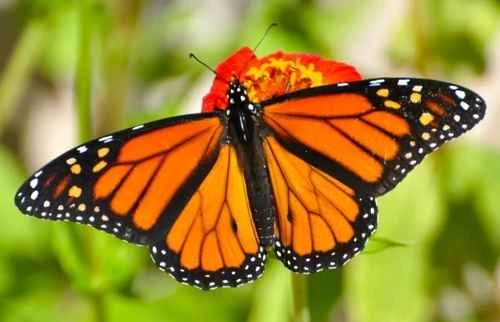
Monarch butterflies are among the most famous migratory insects in the world. Every autumn, they migrate from North America to Mexico, a journey of thousands of kilometers.
Characteristics of monarch butterfly migration:
Multigenerational migration : The entire migration process of monarch butterflies spans multiple generations. A single butterfly cannot complete the entire journey, so its offspring will continue to complete the unfinished migration route.
Precise location : Monarch butterflies can accurately locate specific mountain ranges in Mexico, demonstrating an amazing sense of direction and instinct.
Why do monarch butterflies migrate?
The primary reason for monarch butterfly migration is temperature change. The cold winters of North America cannot sustain monarch butterflies, so they migrate to Mexico, where the climate is warmer, to spend the winter.
V. Fish Migration
1. Salmon
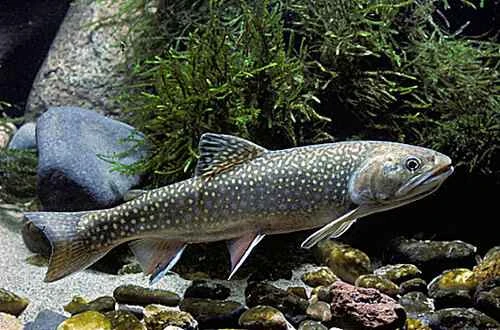
Salmon are a prime example of migration between freshwater and ocean. Every year, tens of thousands of salmon migrate from the ocean back to the rivers where they were born to spawn, a highly representative migration behavior.
Characteristics of salmon migration:
Swimming upstream : During their migration, salmon need to swim upstream, crossing rapids, waterfalls, and various obstacles to return to the freshwater rivers where they were born.
A Journey of Life and Death : The migration of salmon is often the final stage of their lives, and many salmon die shortly after spawning.
Why do salmon migrate?
Salmon migrate to return to freshwater to spawn, relying on specific environments in rivers to ensure the survival of their offspring. This migratory behavior ensures the reproduction and continuation of their population.
Migration is an amazing natural phenomenon in the animal kingdom. It not only demonstrates the wisdom and adaptability of animals in coping with environmental changes, but also shows the complexity and interconnectedness of Earth's ecosystems. From migratory birds in the sky to whales in the ocean, and wildebeest on land, every animal demonstrates its close interaction with its environment through migration.