Guatemala boasts a diverse range of ecosystems, from mangroves and rainforests to alpine cloud forests, but it also faces the dual pressures of rapid habitat loss and illegal hunting. According to the International Union for Conservation of Nature (IUCN) Red List, species are classified from least to most threatened as follows: Least Concern (LC) / Near Threatened (NT) / Vulnerable (VU) / Endangered (EN) / Critically Endangered (CR) / Extinct in the Wild (EW) / Extinct (EX) .
 The following is a summary of representative animals confirmed to be threatened in Guatemala, including their scientific names, key identification points, distribution hotspots, and major threats, for easy browsing and popular science dissemination.
flagship species
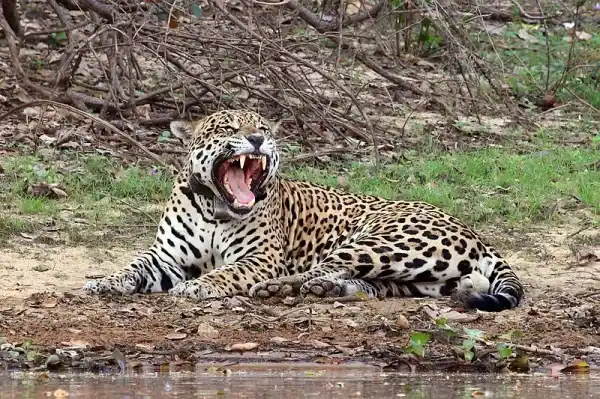
1) Jaguar Panthera onca
Global Status : Near Threatened (NT); In Guatemala : Regionally Threatened/Endangered
Key identifying features : The largest cat in the Americas; golden base with "rose ring" markings.
Hotspots : Petén lowland rainforest, Lacanton woodland and transboundary corridors.
Main threats :
Forests have been converted into pastures/farmland (literature estimates that Guatemala's habitat has shrunk by about 37% ).
Prey such as deer and monkeys have decreased.
Conflicts with ranchers, retaliatory killings, and poaching.
Key points for in-situ conservation : maintaining cross-border ecological corridors, and mitigating human-wildlife conflict through compensation/fence and herding dog programs.
2) Puma concolor (Central American cougar)
Global status : Least Concern (LC); In Guatemala : Regionally Threatened
Key identification features : Second only to the jaguar in size, with solid-colored fur and a long tail.
Distribution and ecology : Wide range of activity, highly dependent on forest connectivity.
Threats : Habitat fragmentation leading to increased risks of migration for food, poaching, and the illegal pet trade.

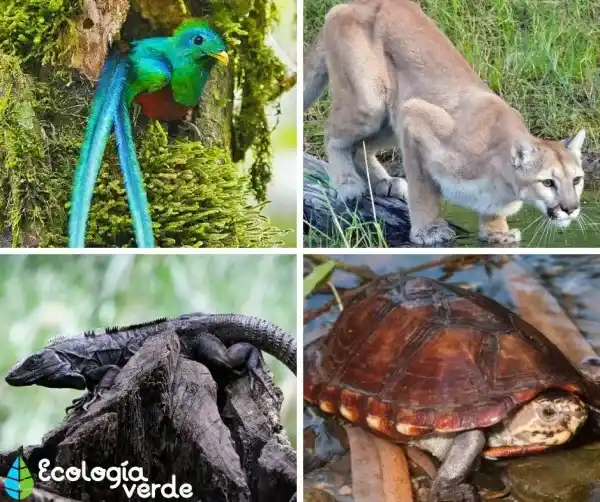
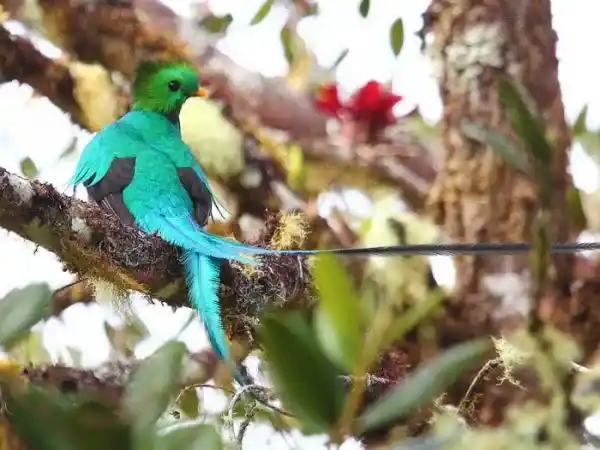
3) Resplendent Quetzal ( Pharomachrus mocinno )
Global Status : Near Threatened (NT); In Guatemala : Symbolic flagship species, Regionally Endangered
Key identifying features : The male has exceptionally long green tail feathers and a crimson breast. It was designated the national bird in 1871 .
Habitat : High-altitude cloud forests (such as Altavirapas, Celo Sanguill, etc.).
threaten :
Cloud forest logging and road encroachment.
Illegally captured to be kept as pets (the survival rate in captivity is extremely low).
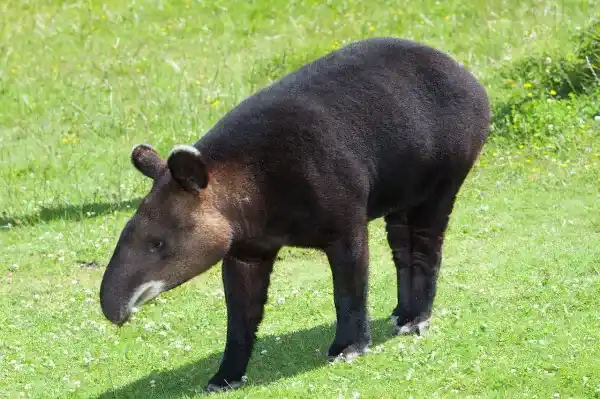
4) Central American Tapir (Taperi bairdii )
IUCN : Endangered (EN)
Key identification features : The largest land mammal in Central America, with a short snout. It can reach 2 meters in length and weigh 300 kg .
Distribution : Lowland tropical rainforests of Guatemala; estimated wild populations nationwide <1,000.
Threats : Large-scale deforestation, poaching, and roadkill.
Key protection points : a complete network of core area, buffer zone, and ecological corridor; nighttime speed limits and access roads.
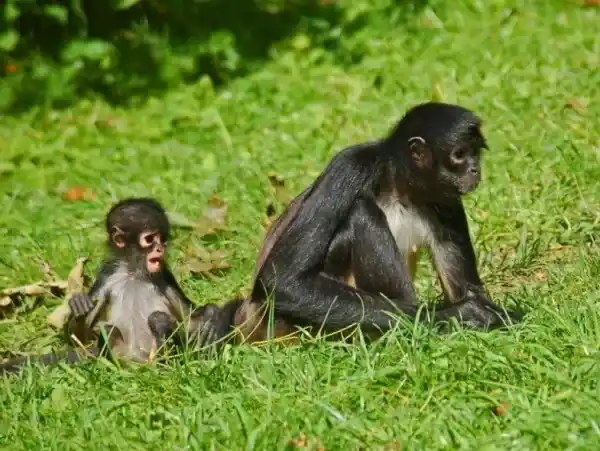
5) Black Hand Spider Monkey Ateliers geoffroyi
IUCN : Endangered (EN)
Key identifying features : missing thumb, black hands and feet; extremely strong entanglement of the tail , long arms and short legs, typical arboreal swinger.
Distribution : Northern tropical rainforests and secondary forests.
Threats : Deforestation and fragmentation, illegal juvenile trade.
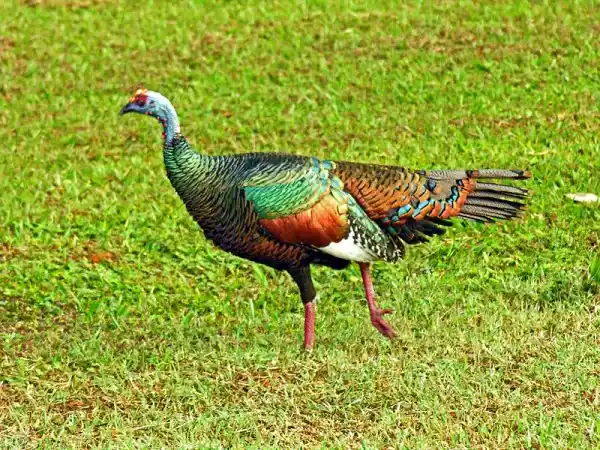
6) Blue-spotted forest turkey (Peacock Pheasant) Meleagris ocellata
IUCN : Near Threat (NT)
Key identification features : body plumage with a golden-green metallic sheen, tail feathers with concentric "eye spots"; terrestrial and diurnal.
Distribution : Extends from the Yucatan Peninsula to northern Guatemala.
Threats : Habitat degradation and hunting pressure.
Other threatened species in Guatemala
mammals
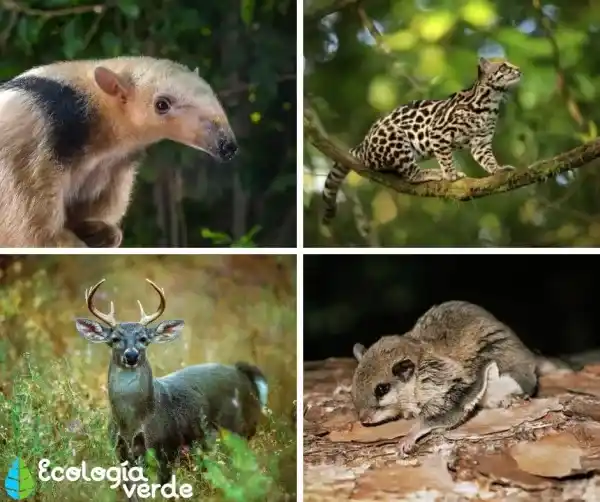
Small anteater, *Tamandua mexicana* (tropical broadleaf forest; poaching and dog attacks).
Leopardus tigrinus (forest fragmentation, fur and pet trade).
White-tailed deer Odocoileus virginianus (overhunting and habitat shift).
Southern flying squirrel Glaucomys volans (reduced burrowing trees).
birds
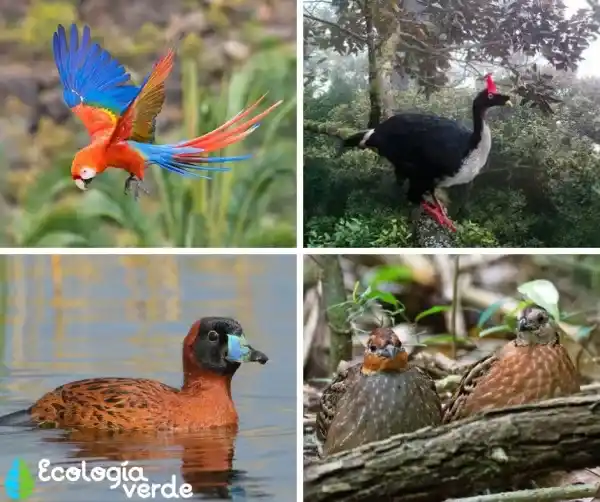
Scarlet Macaw ( Ara macao) (nest tree felling, baby bird smuggling).
Horned Turkey (Oreophasis derbianus) (endemic to alpine cloud forests, extremely dependent on large-diameter trees).
Black-faced hard-tailed duck (Nomonyx dominicus) (wetland degradation).
Dactylortyx thoracicus (Understory disturbed).
Reptiles
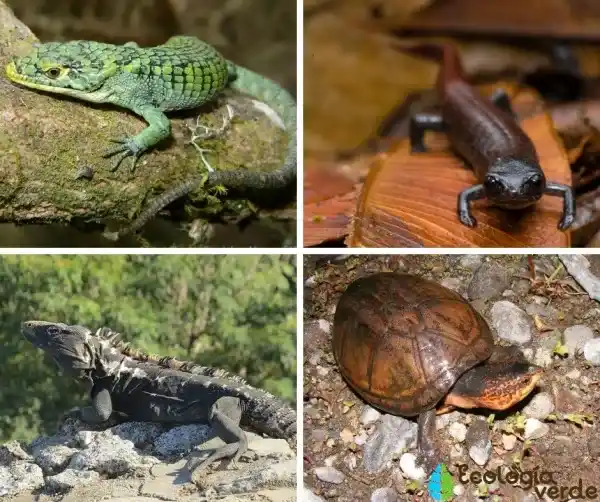
Tree dragons (genus Abronia ) (high-altitude forest microhabitat specific, highly fragmented).
The salamander Bradytriton silus (the cool, damp understory is extremely sensitive to microclimate).
Black spiny-tailed iguana ( Ctenosaura pectinata ) (hunted and traded in limestone slopes and suburbs).
Kinosternon scorpioides (freshwater wetland degradation and foraging).
Note: Global and local ratings may not be entirely consistent; the above are representative species that are significantly threatened, declining, or controlled in Guatemala.
How to help threatened wildlife in Guatemala
Prioritize protected area networks such as Tikal National Park, Laguna del Tigre, and Sierra del Lacandón, and select compliant eco-guided tours and accommodations.
Refuse to buy and sell wild animals : Do not buy live animals, feathers, hides, or animal products of unknown origin in traditional handicrafts; report any suspected transactions promptly.
Reduce the pressure of fire and logging : Participate in or donate to community sustainable management projects (shade coffee/sustainable cocoa, understory beekeeping, etc.) to reduce the motivation to directly cut down native forests.
Safe travel and viewing : Slow down on forest trails at night, avoid feeding or approaching juveniles; maintain appropriate distances when birdwatching and animal watching.
Support scientific monitoring : volunteer and donation efforts for camera traps, acoustic monitoring, population baseline surveys, and cross-border corridor projects.
summary
Guatemala boasts highly concentrated biodiversity and is extremely sensitive to habitat integrity. Protecting large predators (such as jaguars and lions) and umbrella species (such as the Central American tapir, the resplendent quetzal, and the blue-spotted forest turkey) will simultaneously benefit hundreds of other symbiotic plant and animal species in the region. A comprehensive approach centered on combating illicit trade, maintaining forest connectivity, and empowering community livelihoods is key to reversing the decline in species numbers.
References
National Committee for Protected Areas (2009). Guatemala and its biodiversity. Guatemala, Serviprensa Editorial Department.
Martínez, B. (April 20, 2016). These are endangered plants and animals in Guatemala. Prensa Libre: Guatemala.
IUCN Editorial Team (May 15, 2019). Regional projects support social inclusion as a strategy for protecting coastal biodiversity. Guatemala, IUCN News.