Since the release of *Jurassic Park* in 1993, hundreds of millions of viewers have been captivated by the mystery and awe of dinosaurs. The 2015 *Jurassic World* series brought even more new dinosaurs and stunning visual effects, making many dinosaurs household names. Do you know which dinosaurs appeared in the movies? Did they really exist? This article provides a comprehensive overview of 18 representative dinosaurs from *Jurassic World* and their real-world scientific background.
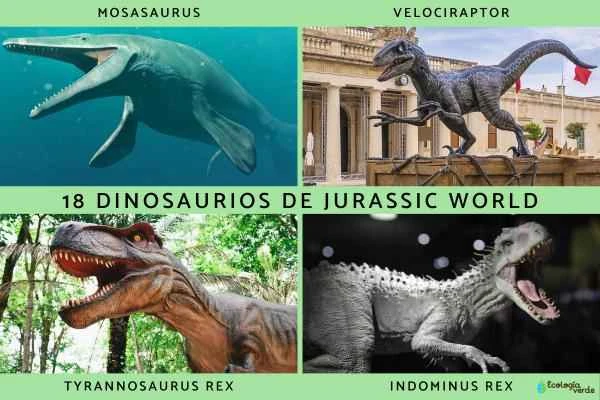
Table of contents
Stegosaurus
Baryonyx walkeri
Triceratops
Dimorphodon
Mosasaurus
Velociraptor
Edmontosaurus
Tyrannosaurus rex
Gallimimus bullatus
Hybrid Tyrannosaurus Rex (Indominus rex, fictional)
Other dinosaurs that appear (Compsognathus, Coronasaurus, Pteranodon, Spinosaurus, Microceratops, Ankylosaurus, Pachycephalosaurus, Apatosaurus)
1. Stegosaurus
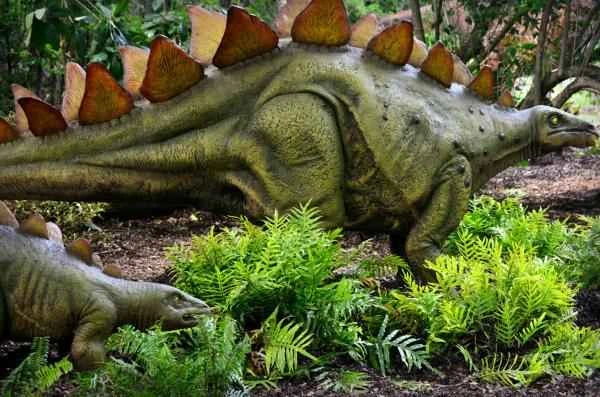
Stegosaurus was a large, quadrupedal herbivorous dinosaur, characterized by two rows of upright bony plates on its back and sharp spikes at the end of its tail. These plates helped regulate body temperature, absorb sunlight, and also served as defensive weapons. Stegosaurus fed on low-lying plants such as ferns and conifers.
2. Baryonyx walkeri
Baryonyx was a large theropod dinosaur that lived near water. It had powerful hind limbs and large, hook-like claws on its forelimbs, and reached a length of about 10 meters. It primarily fed on fish, and its long, slender teeth were perfectly suited for catching slippery prey. It also occasionally ate carrion.

3. Triceratops
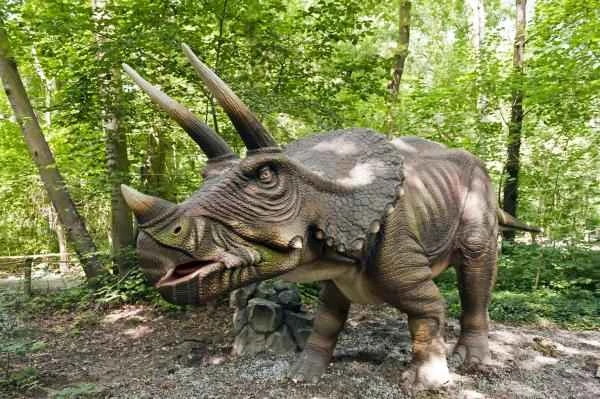
Triceratops is the most famous ceratopsian dinosaur, with a large bony neck frill on its head and three horns. The neck frill and horns served both as defense against predators (such as Tyrannosaurus Rex) and as a means of fighting and display among its own kind. Adult Triceratops could weigh up to 9 tons and were herbivores.
4. Dimorphodon
Strictly speaking, it wasn't a dinosaur, but a pterosaur (reptile) that lived at the same time as dinosaurs. It had a wingspan of about 1.5 meters and two types of teeth: large, sharp teeth in the front and smaller teeth in the back, adapting to a diverse diet (insects, small vertebrates). Its body was covered in hair, not feathers.

5. Mosasaurus
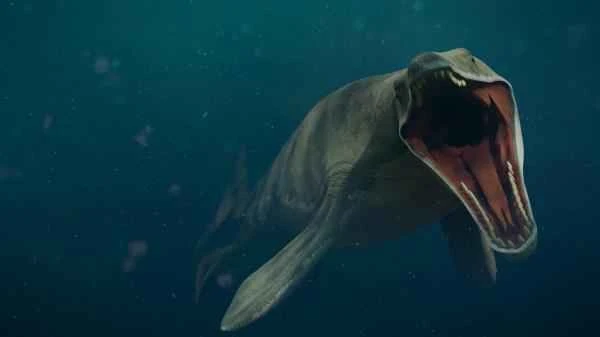
Mosasaurus was the apex predator of the oceans during the Late Cretaceous period, reaching lengths of up to 18 meters. Its limbs evolved into flippers, and it lived in shallow seas. It fed on fish and turtles, making it a top predator. Although often referred to as a dinosaur, it is scientifically classified as a large marine reptile.
6. Velociraptor
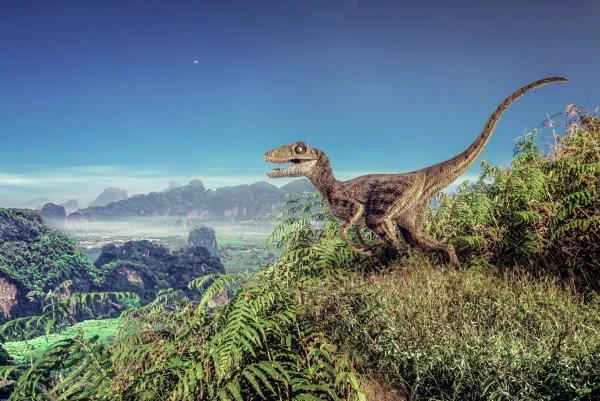
In the film, it is portrayed as an intelligent, cooperative, and large predator, but in reality, Velociraptor was only about 0.5 meters tall and the size of a turkey. In fact, the film depiction is closer to Deinonychus. The real Velociraptor was probably covered in feathers and fed on small animals.
7. Edmontosaurus
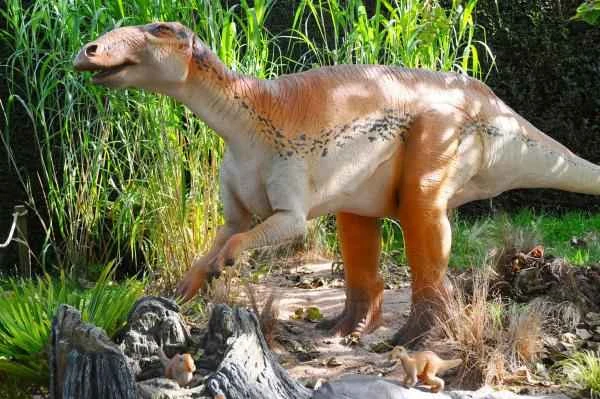
The "hadrosaurus" was a representative species, reaching up to 14 meters in length. It had a broad head and a flat, duck-like beak, and mainly fed on plants such as conifers. It walked on four legs and could also stand and run on its hind limbs, making it a "giant" of the Late Cretaceous period.
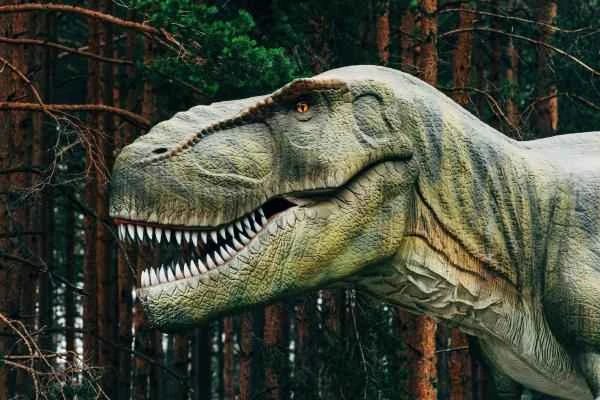
8. Tyrannosaurus rex
The most popular carnivorous dinosaur, it was 13 meters long and 6 meters tall. Its forelimbs were short but incredibly powerful, its teeth were up to 20 centimeters long, and its bite force could reach 4 tons. The real Tyrannosaurus Rex was likely covered in primitive feathers, and was both a predator and a scavenger.
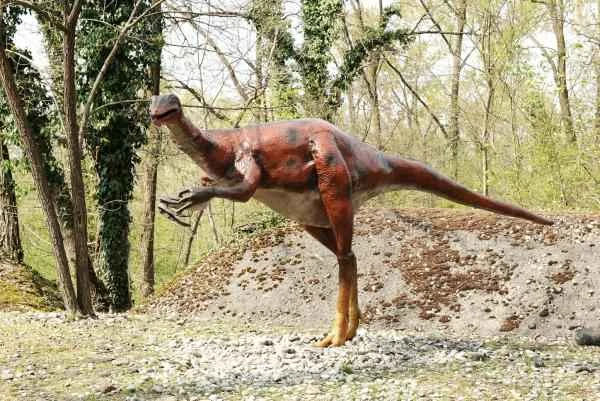
9. Gallimimus bullatus
Its name means "Geronimoosaurus," and it had a long neck, slender hind limbs, and a body shape similar to a modern ostrich, adapted for fast running. It was omnivorous, feeding on small plants and insects. It used its long tail for balance.
10. Indominus rex (fictional species)
Indominus rex is a fictional hybrid dinosaur in the Jurassic World series, created for the sake of the story. It combines genes from Tyrannosaurus Rex, Giganotosaurus, Velociraptor, and other animals, and also incorporates DNA from animals like frogs and snakes. It possesses camouflage, intelligence, and extremely high aggression. It serves as a warning against the misuse of genetic technology and the need for respect for nature.

11. Other dinosaurs that appear
Compsognathus : A medium-sized carnivorous theropod.
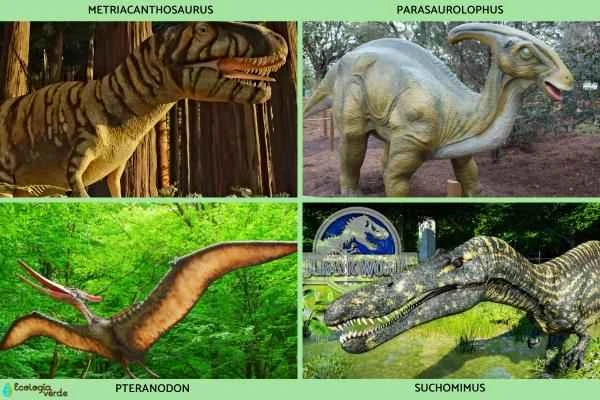
Parasaurolophus : A herbivorous dinosaur with a distinctive "long tube" crest on its head.
Pteranodon : A large pterosaur with a wingspan of up to 7 meters.
Suchomimus : A fish-eating theropod with prominent spiny projections on its back.
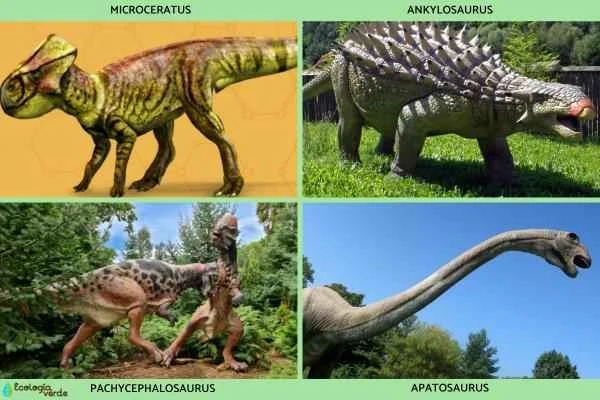
Microceratus : A small ceratopsian.
Ankylosaurus : Its entire body is covered in bone armor, and it has a huge bone hammer at its tail, making it extremely defensive.
Pachycephalosaurus : with an extremely thick skull, possibly used for fighting among its own kind.
Apatosaurus : A giant, long-necked herbivorous dinosaur that could reach 20 meters in length.
The difference between reality and movies
Many film depictions are based on real dinosaur fossils, but with artistic embellishments in terms of size, intelligence, and appearance. For example, the Velociraptor's size is enlarged and its feathers are omitted. Some "dinosaurs," such as Mosasaurus and Pterosaur, are not actually dinosaurs, but rather other reptiles from the same era.
Conclusion
The Jurassic World series has sparked a greater interest in dinosaurs and paleontology. Through the comparison of film and science, viewers can learn about real prehistoric giants and develop a sense of awe for the diversity of life on Earth. If you'd like to learn more about dinosaur species, names, and fossils, please continue to follow our dinosaur encyclopedia!