They are the rulers of the sky, the singers of the spring forests, and among the most fascinating animals on Earth. Today, we take you into the world of birds, revealing 10 core truths about them, each one breathtaking!
1. There are as many as 10,000 known bird species worldwide.
While mammals hold a revered place in our hearts, there are actually almost twice as many species of birds as mammals! There are currently about 10,000 bird species worldwide. Passeriformes (such as sparrows and robins) are the most numerous group, known for their ability to perch on branches and their love of singing. Other major bird classifications include Gruiformes (such as red-crowned cranes), Cucurbita (such as cuckoos), and Columbiformes (such as pigeons).
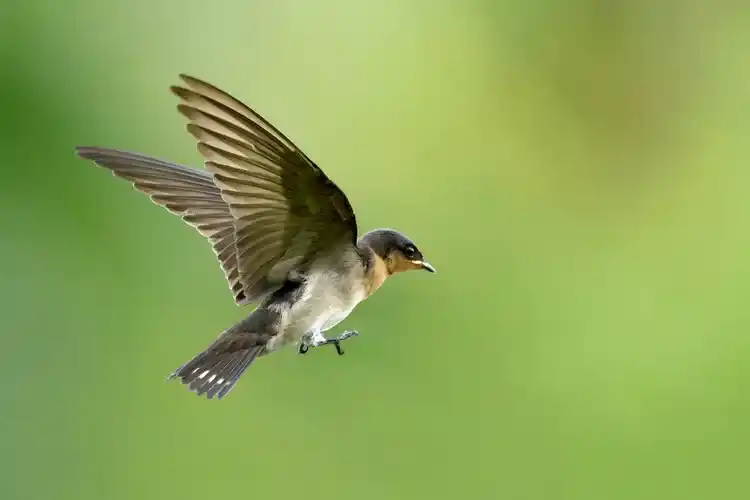
2. Birds are divided into two major groups.
Birds are biologically divided into two main subclasses: Paleognathae (such as ostriches, emus, and kiwis) and Neognathae (which include almost all other birds). Although Paleognathae sounds like ancient species, they actually evolved mainly after the extinction of the dinosaurs; while Neognathae can be traced back to the Mesozoic Era.
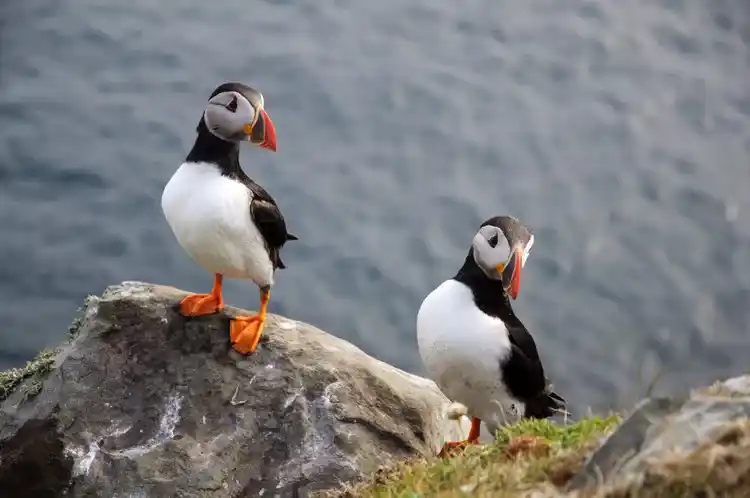
3. Feathers are a distinctive feature of birds.
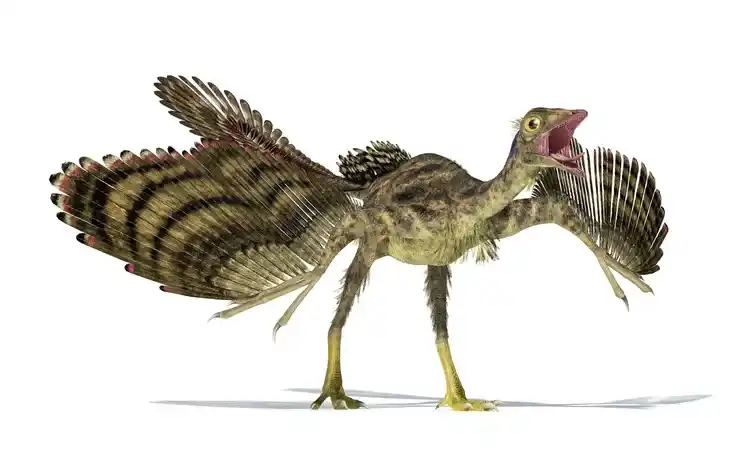
Animals have fur, fish have scales, insects have exoskeletons, but only birds have feathers. Feathers did not initially evolve for flight; they originated from dinosaurs and were used for insulation. Later, feathers were gradually "upgraded" into a tool for flight.
4. Birds originated from dinosaurs.
It is a scientific consensus that modern birds are direct descendants of dinosaurs. They are closely related to theropod dinosaurs such as Velociraptors. Although not all dinosaurs had the opportunity to evolve into birds, one lineage successfully survived the Cretaceous-Paleogene extinction event, ultimately giving rise to the chickens, ducks, and geese we know today.
5. Birds' closest relative is the crocodile.
Surprisingly, birds and crocodiles are actually closely related! They both originated from an ancient reptile—archosaurs. While dinosaurs, pterosaurs, and marine reptiles went extinct, crocodiles and birds survived and each evolved unique survival strategies.
6. Birds communicate using sound and color.
Have you ever heard birdsong in the morning? That's birds using song to communicate, especially during the breeding season. Birds use song to attract mates and mark their territory. Their colorful plumage is also a form of "communication"—not only attracting mates but also intimidating competitors.
7. Most birds practice monogamy.
In the bird world, "loyalty" is more like a seasonal phenomenon: most birds maintain a pair for the entire breeding season, incubating and raising their offspring together. However, a few birds can remain with the same mate for life, and some female birds can store male sperm for up to three months in case of emergency.
8. Birds have a wide variety of parenting methods.
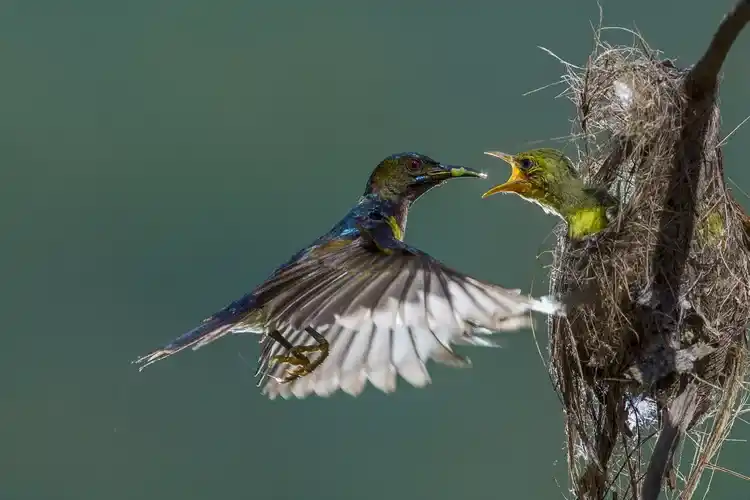
Some bird pairs raise their young together, while others are single mothers or single fathers, and still others are completely hands-off – for example, Australian native chickens bury their eggs in piles of decaying leaves and let them incubate at natural temperatures, so the chicks are independent as soon as they are born.
9. Birds have an extremely fast metabolism.
Don't underestimate these little birds; their heartbeats are much faster than yours. A quiet domestic chicken can have a heart rate of up to 250 beats per minute, while a resting hummingbird can have a rate of over 600! In comparison, a human's heart rate is only around 100 beats per minute, and a cat's is only 150 to 200 beats per minute.
10. Birds inspired the theory of natural selection.
Darwin's theory of natural selection was largely inspired by his observations of birds in the Galapagos Islands. He discovered that birds on different islands had different beak shapes, which were adaptations to their respective ecological environments. These "Darwin's finches" became one of the strongest pieces of evidence for the theory of evolution.
Epilogue: The Sky Poet Who Came From the Dinosaurs
Birds are not only a miracle of flight, but also a masterpiece of natural selection and evolution. From the sparrow on the street to the albatross on the distant sea, their existence tells the story of the magnificent evolution of life on Earth. Follow us to explore more secrets of the natural world!