Our everyday understanding of "animals" often deviates from the scientific definition. We generally think of animals as those living beings that can move, react, and have limbs and a trunk. However, not all animals meet these external characteristics. So, what is the accurate scientific definition of an animal? This article will provide a comprehensive understanding of the definition and main characteristics of animals, and classify them from multiple perspectives, including spinal structure, diet, habitat, reproductive methods, and lifestyle habits.
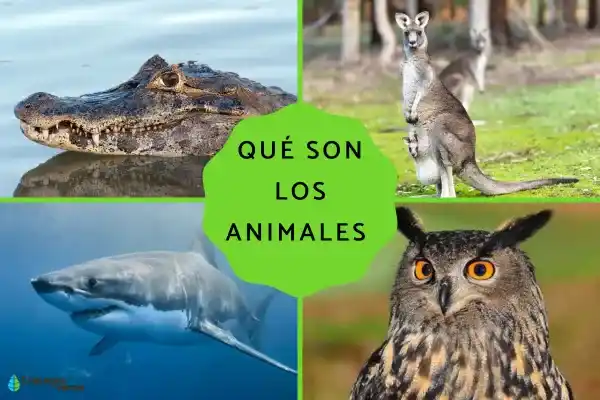
Definition of animals and overview of the animal kingdom
From a biological perspective, animals are:
Multicellular organisms;
Heterotrophic organisms (organisms that cannot synthesize food themselves and must obtain external nutrients).
The cells lack a cell wall;
It possesses a nervous system and can sense external stimuli;
It has a blastula stage during development;
Cells in the body are highly organized to form various tissues and organs.
Organisms that meet all the above criteria are classified as "Reino Animalia". This group of organisms is the most recently emerged group in the history of Earth's evolution, dating back to the Cambrian period approximately 525 million years ago. These primitive animals originated in the ocean and subsequently spread to various ecosystems.
Humans, too, belong to the animal kingdom and are entirely dependent on earlier life systems such as the plant, fungal, and bacterial kingdoms. Therefore, in the macro-ecosystem, animals are closely connected with other life forms.
Main characteristics of animals
Animals possess a series of unique and complex life characteristics, mainly including:
Eukaryotic cell structure : Animal cells have a nucleus, and their genetic material exists in the form of DNA;
Multicellular : Composed of thousands of cells, which perform complex functions through tissue structures;
Heterotrophic nutrition : Individuals who cannot produce food through photosynthesis must obtain energy through ingestion.
Aerobic respiration : releasing energy by breaking down organic matter with oxygen;
High adaptability : Whether in water, on land or in the air, animals have evolved different forms and physiological mechanisms to adapt to their environment;
Proactive behavior : Animals will actively respond to their environment, including behaviors such as foraging, defense, and migration;
A highly developed sensory system : obtaining environmental information through senses such as sight, hearing, and smell.
Because of the vast diversity of animal species, scientists further classify them using different criteria to facilitate research and understanding.
Detailed Explanation of Animal Classification
I. Classification by Vertebral Structure
1. Vertebrates
Animals possessing a notocorda, or vertebral skeleton, belong to the phylum Chordata. Specifically, they include:
Common vertebrates : The notochord develops into the vertebral column (such as mammals, birds, reptiles, etc.).
Urochordates (such as tunicates) : The notochord exists during the embryonic stage and disappears later;
Cephalochordates (such as amphioxus) : The notochord lives throughout their lives.
2. Invertebrates
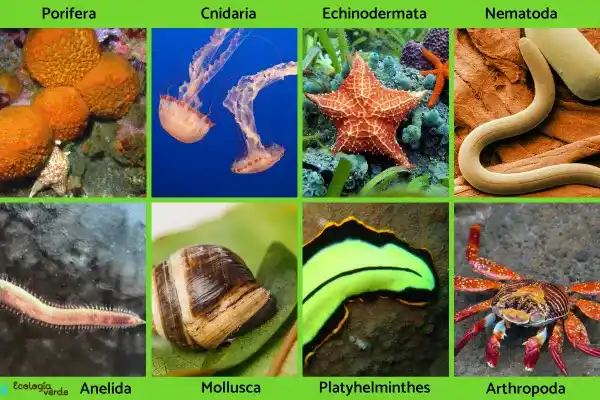
Lacking a notochord, they constitute the largest group in the animal kingdom. They encompass multiple animal phyla, such as:
Phylum Porous animals (sponges)
Phylum Cnidaria (jellyfish, sea anemones, etc.)
Phylum Echinodermata (starfish, sea urchins, etc.)
Nematodes (Cephalopoda)
Annelida (earthworms, leeches)
Phylum Mollusca (snails, octopuses, shellfish)
Phylum Platyhelminthes (planarians, tapeworms)
Phylum Arthropoda (insects, spiders, crustaceans)
Many invertebrates possess exoskeletons and undergo a process of molting to grow and shed their skin.
II. Classification by Dietary Nature
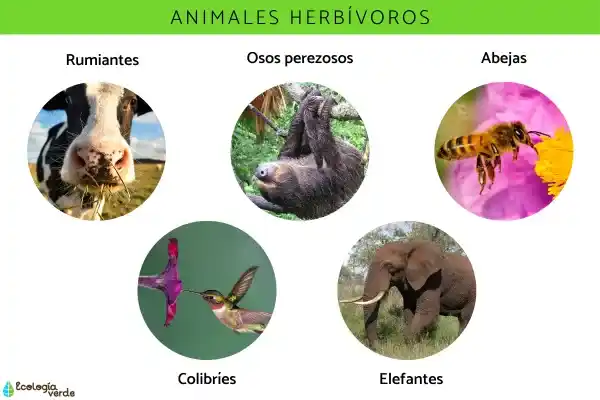
1. Herbivores (Herbívoros)
They feed solely on plants. Further subdivided into:
Frugivores (frugívoros)
Polinívoros (starfish)
Wood-eating animals (xilófagos)
Leaf-eating animals (folívoros)
Ruminants (such as cattle and deer) : possess complex stomach structures;
Bees, hummingbirds, etc .: have specialized beaks adapted to herbivorous diets.
2. Carnivores (Carnívoros)
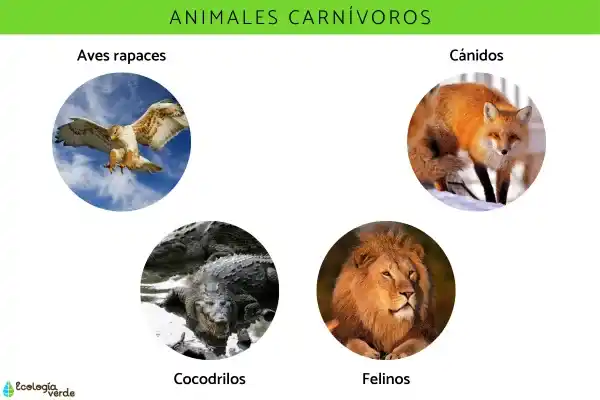
They feed on other animals, acting as either active predators or scavengers. Typical groups include:
Birds of prey (eagles, falcons)
Crocodile
felines and canines
Reptiles such as snakes
These animals typically possess features such as sharp teeth, claws, high speed, or hunting strategies.
3. Omnivores (Omnívoros)
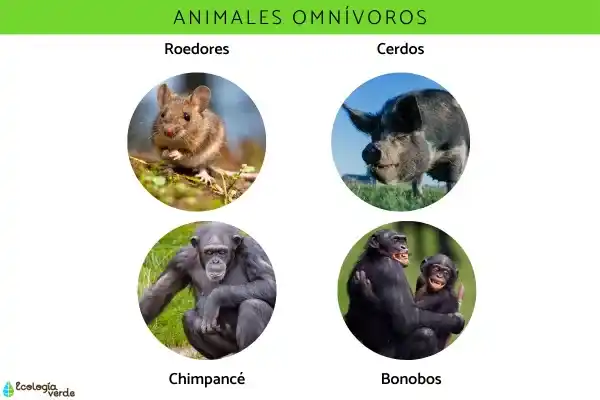
It eats both plants and animals, for example:
mouse
pig
Chimpanzee, bonobo
Humans
Omnivorousness provides greater flexibility in food choices, which helps adapt to changing environments.
III. Classification by Habitat
1. Terrestrial animals
They live on the land surface or its appendages (such as trees). Common examples include:
Horses, zebras, deer
Spiders and other arthropods
2. Aquatic animals (Acuáticos)
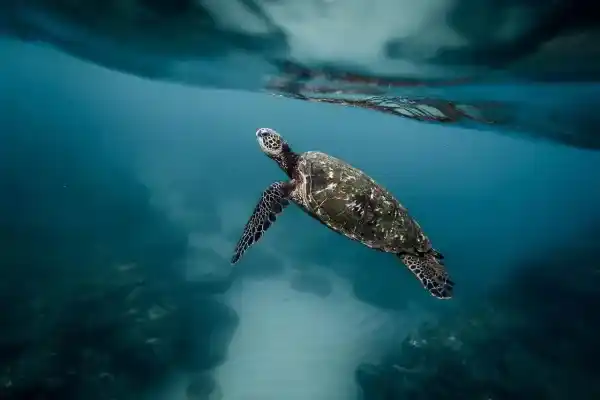
Must live in water, such as:
fish
Filter feeders such as sponges and sea anemones
mammals such as whales and dolphins
Its adaptive features include gill respiration and hydrodynamic morphology.
3. Amphibious animals (Aeroterrestrial animals)
Although they can fly, they primarily rely on land for survival, such as:
birds
bat
Gliding mammals (such as sugar gliders)
Some insects (butterflies, dragonflies)
IV. Classification by Reproduction Method
1. Oviparous animals (Ovíparos)
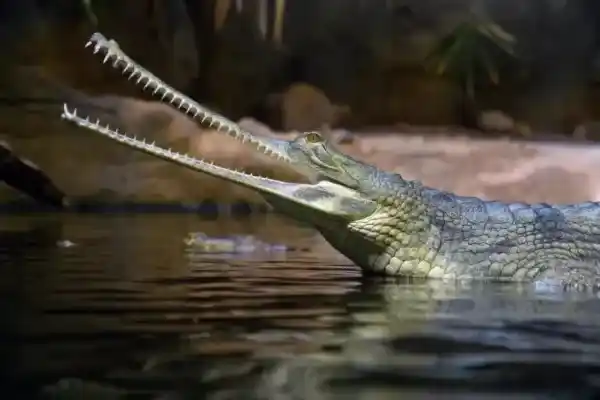
After laying eggs, the eggs develop in the external environment, including:
Birds, reptiles, insects
Monotremes (platypus, echidna)
2. Viviparous animals (Vivíparos)
An embryo develops within the mother's uterus, such as:
Most mammals
Marsupials (such as kangaroos) : The young continue to develop in the pouch.
3. Ovoviviparous animals
The egg develops and hatches inside the mother's body, and is born alive, for example:
Some sharks
Some snakes
Some invertebrates
V. Classification by work and rest habits
1. Diurnos (animals that move around at night)
Active during the day and resting at night, relying on vision to perform actions. Commonly seen in:
Humans
birds
Mammals such as cows and dogs
Insects such as butterflies and bees
2. Nocturnal animals (Nocturnos)
Active at night, primarily relying on their sense of smell and hearing. Common groups include:
bat
owl, nightjar
fox, mouse
Moths, fireflies
Nocturnal behavior helps avoid high temperatures or predators, increasing the chances of survival.
If you'd like to delve deeper into the various classifications of animals, you can read more articles about the animal kingdom. Hopefully, this article has opened the door to the rich diversity of the animal world for you.