What are the top ten easiest large ornamental fish to keep in the world? There are thousands of varieties of large ornamental fish on the market. This article lists more than ten relatively easy-to-keep large ornamental fish, including oscars, clown knife fish, flowerhorn cichlids, red snapper, blood parrot fish, silver arowana, gar, flying fox cichlids, and Siamese tiger cichlids. Let's take a look!
1. Map fish
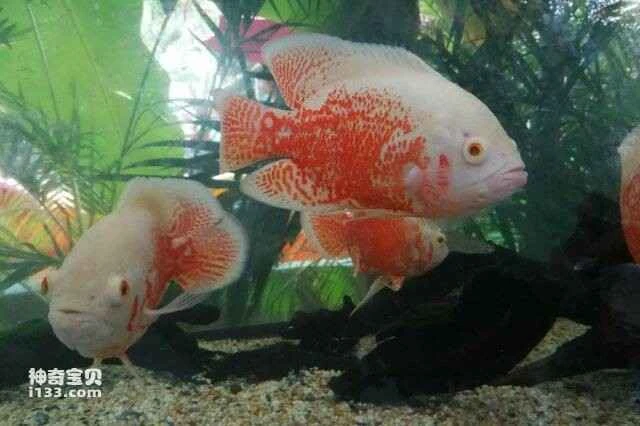
The map fish gets its name from the irregular red and orange-yellow markings that resemble a map. Under suitable natural conditions, it can reach a length of 30 centimeters. Map fish are slow-moving and not aggressive, but they have an enormous appetite and are extremely voracious. They will eat almost anything acceptable, but their favorite food is live small fish and shrimp. Therefore, they are very easy to keep in captivity. They are also robust and adaptable to almost any water quality. As long as the water temperature is maintained at around 26℃ and they are provided with ample food, they will thrive without special care. The only thing to note is that they really do eat and sleep like pigs, and they also excrete a lot of waste; therefore, a large aquarium is essential when keeping them.
2. Seven-star knife fish
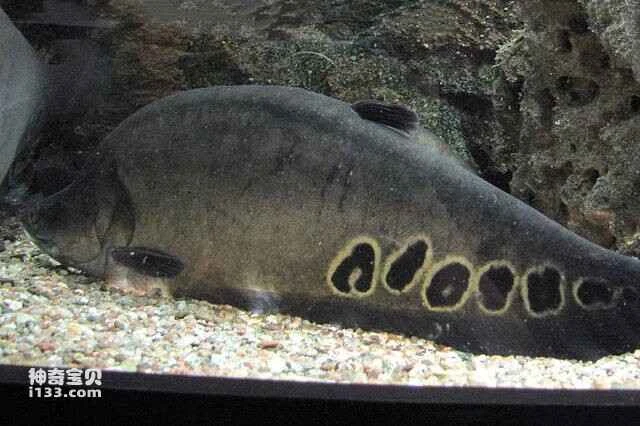
The seven-spotted knife fish, also known as the bambusa or flower knife fish, grows to 70-90 cm in length. Its most striking feature is its seven neatly arranged black spots, which are quite attractive. Seven-spotted knife fish are gentle in nature and not demanding in terms of water temperature, thriving between 22-28℃. They grow very quickly and prefer animal-based food, such as live small fish and shrimp. Being nocturnal, they should be fed at night. During the day, they are not very active, so providing hiding places in the tank will enhance their adaptability.
3. Flowerhorn fish
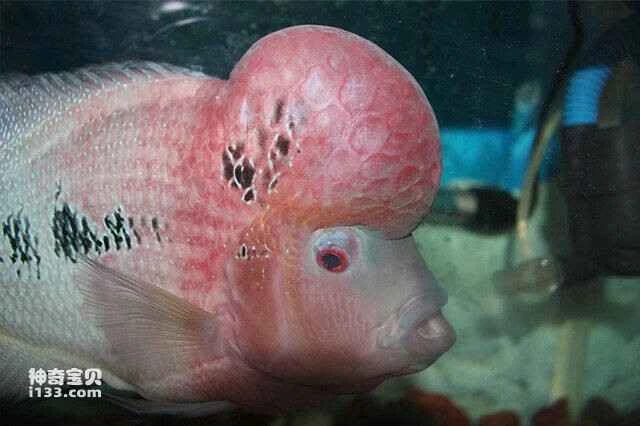
Flowerhorn cichlids, also known as rainbow cichlids, reach an adult length of 20-40 cm. They are short, high-backed, and have beautiful, vibrant colors with rich variations, making them highly valued for their ornamental qualities. Flowerhorn cichlids are very territorial and can be quite aggressive and combative in mixed aquariums, so they are generally best kept alone. They have a wide diet, accepting both natural and artificial feeds, typically brine shrimp, shrimp meat, fish, bloodworms, and tubifex worms. In recent years, Flowerhorn cichlids have become a popular aquarium fish, with some even considering them a feng shui fish, believed to bring good fortune and ward off evil.
4. Lucky Fish
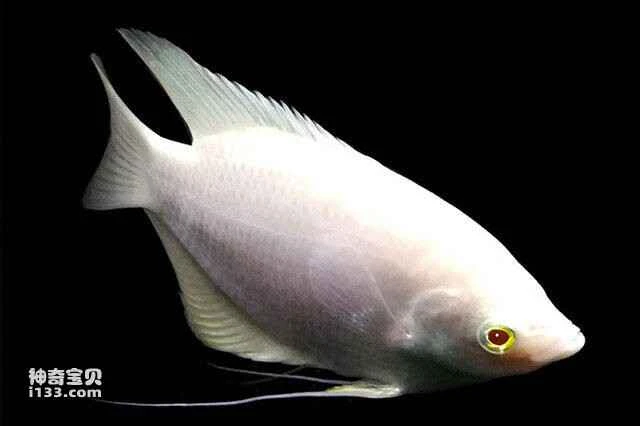
The Redtail Catfish, also known as the Warship Catfish, grows to 20-69 cm in length as an adult. They grow quickly and are not demanding in terms of water quality, requiring a water temperature of 22-32℃ and neutral or slightly acidic soft water. Feeding the Redtail Catfish requires careful attention. Firstly, ensure their food is nutritious, using fresh food high in protein; avoid feeding them rotten, spoiled, or nutritionally incomplete food. Secondly, provide ample food, as they are omnivorous and consume a large amount; feed them daily as needed. Redtail Catfish thrive in tanks larger than 1 meter in length. Although males may fight, they are suitable for keeping with most fish of similar size.
5. Blood Parrot Fish
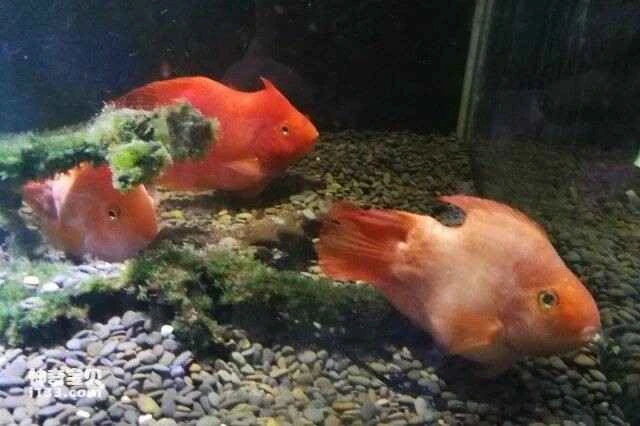
Blood parrotfish, also known as the God of Wealth fish, are a type of parrotfish. They grow to 15-20 cm in length, with a vibrant red body, a plump shape, and soft fins, making them very endearing. Blood parrotfish are robust and sturdy, eating almost anything, including artificial food, flakes, pellets, bloodworms, brine shrimp, water fleas, etc.—they're like a garbage can, accepting anything. Because of their wide diet and constant eating, coupled with their extreme adaptability to water quality, they are very easy to keep alive, requiring minimal care—just regular water changes are sufficient, essentially making them free-range. When blood parrotfish are kept in groups, the resulting vibrant red display is truly spectacular.
6. Silver Arowana

The silver arowana, also known as the double-barbeled bony-tongued fish, measures 50-70 cm in length. It is the most docile and prolific of all bony-tongued fish. When keeping silver arowana, it is crucial to pay close attention to water quality, as illnesses are generally caused by poor water quality and improper care. Maintaining good water quality is fundamental to successfully raising silver arowana. Water quality issues are not difficult to resolve; three points are key: first, maintain the pH level between 6.5 and 7.5; second, establish a proper nitrification system; and third, allow the water to age before setting up the tank, and ideally, age the water before each water change. Mastering water quality management is half the battle won in successfully raising silver arowana.
7. Gar
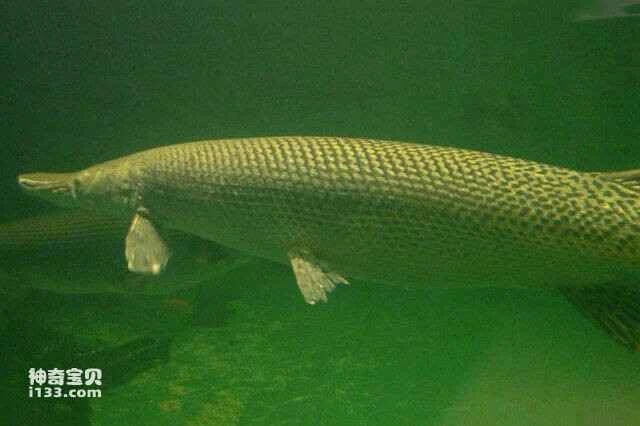
Adult gar can reach up to 3 meters in length and are large, potentially destructive ornamental fish known for their voracious appetite and defecation. When feeding gar, simply maintain the water temperature between 22-26℃; they are not particularly demanding in terms of water quality. Gar are carnivorous, consuming small fish, shrimp, fish meat, and bloodworms. They can swallow fish up to a quarter of their own size without chewing, demonstrating their highly developed digestive system. Furthermore, gar require minimal water changes; one fishkeeper changed the water only once every three months, adding nitrifying bacteria, resulting in a bottom layer of waste, yet the gar still thrived.
8. Flying Phoenix Fish
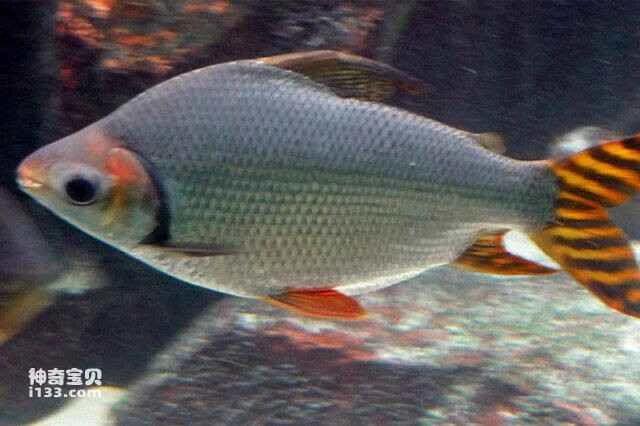
The Flying Phoenix, reaching 30 cm in length, is a popular ornamental fish among Chinese and overseas Chinese communities, often kept alongside arowanas, tigerfish, and deep-sea turtles. Flying Phoenixes are very easy to care for; maintaining the same water quality as arowanas, tigerfish, and deep-sea turtles is sufficient, requiring minimal special attention. They are omnivorous, readily consuming garbage, removing oily film, and even eating arowana feces. They will also eat shrimp that arowanas cannot consume, essentially acting as a "high-level cleaner" for the aquarium. Not only are they easy to keep, they also help maintain the aquarium's cleanliness.
9. Thai Tiger Fish
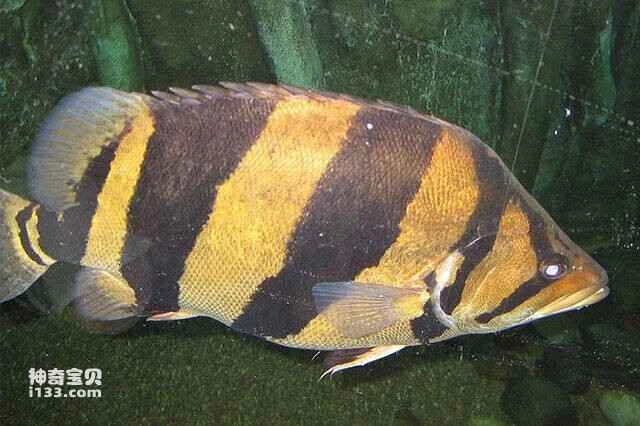
The Siamese tigerfish reaches a length of 40 cm. As adults, they develop tiger-like stripes on their bodies, making them highly prized for their ornamental value and often used to entertain VIPs. Despite their name, the Siamese tigerfish is a robust species, and although named "Thai tiger," they are gentle and timid, making them easy to keep with other fish. They thrive in slightly acidic to neutral soft water with a low salinity, requiring the addition of salt during their care. Because they prefer areas with abundant aquatic plants, rocks, and caves, making caves their homes, it's best to provide bottomless flowerpots to simulate caves, giving the tigerfish a sense of belonging and making them more docile.
10. Crown Three Rooms
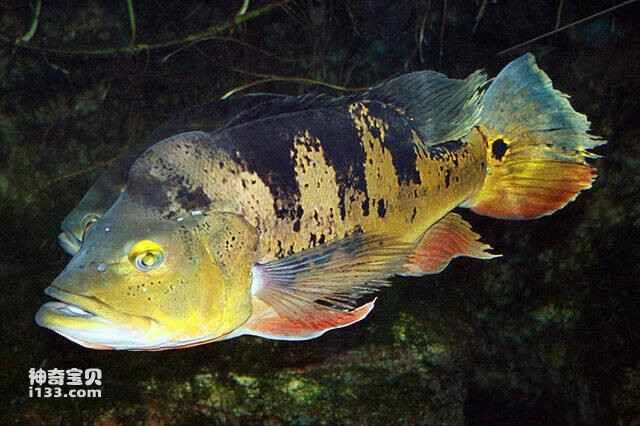
The Crown Snakehead, also known as the Golden Tiger Snakehead, measures 30-60 cm in length. It is both a high-end food fish and a very popular ornamental fish. Keeping Crown Snakeheads is quite simple: maintain a pH of 5.5-6.5 and a temperature of 25-30℃. As a fierce predatory ornamental fish, its feeding doesn't require much attention. Its powerful jaws and wide mouth help it subdue even the most difficult prey. Therefore, if keeping it in a tank with other fish, ensure that the other fish are not too small, otherwise, it may be easily injured.