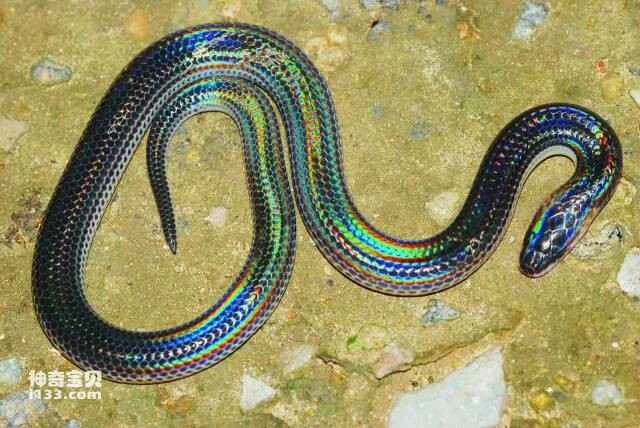
Small ornamental fish are beloved for their compact size and beautiful appearance, and many people want to keep them but don't know where to start. This article lists more than ten easy-to-keep ornamental fish: guppies, kissing bass, pufferfish, betta fish, tiger barbs, neon tetras, zebra danios, moonfish, mollies, and dwarf mergansers. Most of these species are suitable for beginners, easy to care for, and don't require many special conditions. Of course, each fish has its specific needs and habits, so it's best to understand their characteristics before keeping them to ensure they live healthily and happily in your aquarium.
1. Guppies
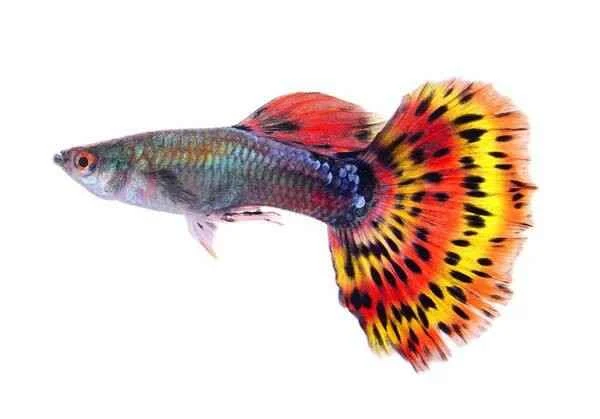
Guppies, also known as anchovies, are 3-4 cm long, with adult females reaching about 5 cm. They are known for their vibrant colors and graceful shapes. Many people assume that guppies, being such beautiful small fish, must be delicate. However, those who have kept guppies know that they are not as difficult to care for as they seem. Guppies are incredibly resilient and adaptable to new environments. They can tolerate polluted water and are not picky about their living conditions, thriving in rivers, lakes, and ditches. Guppies generally prefer aged water; as long as the water isn't too murky, it can be changed infrequently. This is ideal for fish keepers, as water changes are often time-consuming, and keeping guppies saves a significant amount of time.
2. Gourami

Kissing bass are common ornamental fish. Wild fish reach 20-33 cm in length, while those in captivity reach 3-5 cm. Their bodies are generally milky white or pale pink. Some kissing bass are entirely silver-gray or bluish-green, and a few are white. All fins are transparent with a slightly silvery tint. Kissing bass swim very slowly, appearing graceful and elegant, possessing a captivating charm and ornamental value. They are usually very docile and active, therefore not suitable for keeping with quiet tropical fish. They enjoy swimming at all levels of the water, but often rest at the bottom of the aquarium.
3. Doghead fish
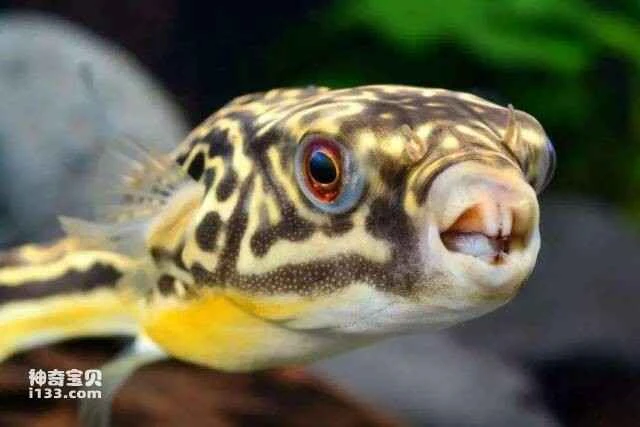
Pufferfish, also known as forked-nosed pufferfish, have highly poisonous livers and ovaries. There are many varieties of pufferfish; the white-spotted pufferfish is generally 1.5-3 cm long, the black-spotted pufferfish is generally 1-2.5 cm long, and the radiated pufferfish is generally 3-6 cm long... Zebra pufferfish are relatively easy to keep. They are not demanding in terms of water temperature; as long as the water temperature is maintained at around 24℃, they will thrive. As for the pH value, maintaining it between 7 and 7.5 is sufficient.
4. Douyu (Fighting Fish)
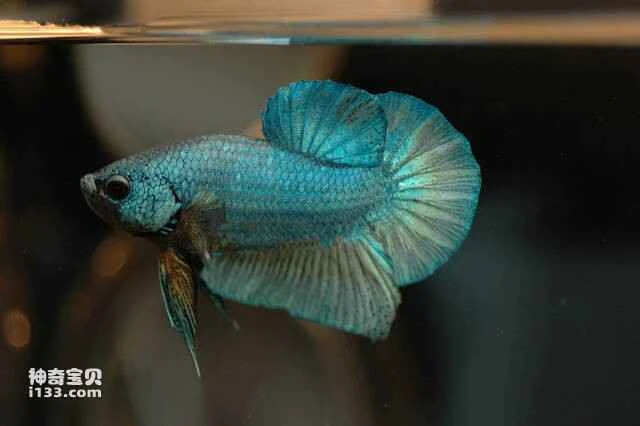
Betta fish are divided into Chinese fighting fish and Siamese fighting fish, each with numerous varieties. Adult Chinese fighting fish reach a length of approximately 7-10 cm or more, while adult Siamese fighting fish reach approximately 5-8 cm. Betta fish are relatively hardy ornamental fish, being omnivorous with a preference for carnivorous diets. They are not picky eaters and only need to be fed once a day. Betta fish have very low requirements for water temperature, unlike other small ornamental fish, and are arguably even more adaptable than humans. They can survive in water temperatures between 4-31℃, but for faster growth, the ideal temperature range is 24-27℃.
5. Tiger barb
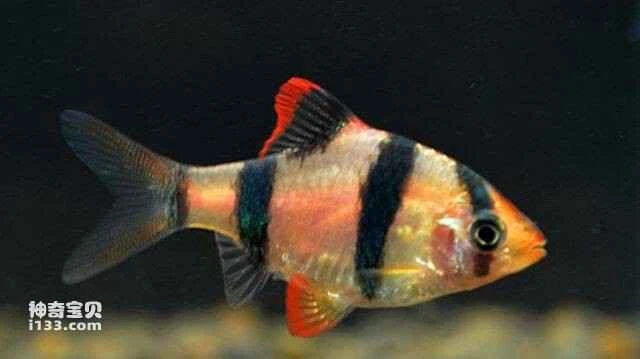
Tiger barbs, also known as four-striped barbs, are 5-6 cm in length. They are omnivorous, preferring live food such as bloodworms and tubifex worms, but will also accept commercial fish food. They are not picky eaters and are easy to feed, but they are voracious; the more you feed them, the more they will eat. Therefore, it's best to control the amount you feed them and avoid feeding them too much at once. Tiger barbs are active and like to chase each other, so they are not suitable for keeping with other long-tailed fish such as angelfish. They are better suited to being kept in groups, which is more conducive to maintaining their normal lifespan.
6. Neon tetra

Neon tetras, measuring 3-4 cm in length, are a popular and commonly kept aquarium species. Some say they are difficult to keep, but this is not the case; proper water management is key. Neon tetras prefer slightly acidic water, ideally soft, aged water. Simply put, avoid frequent water changes; change the water approximately every two weeks, and each time, do not change more than one-third of the aquarium's total volume. Furthermore, neon tetras are omnivorous, requiring minimal care. Insects, plant debris, artificial food, daphnia, bloodworms, and more are all suitable food sources for them.
7. Zebrafish
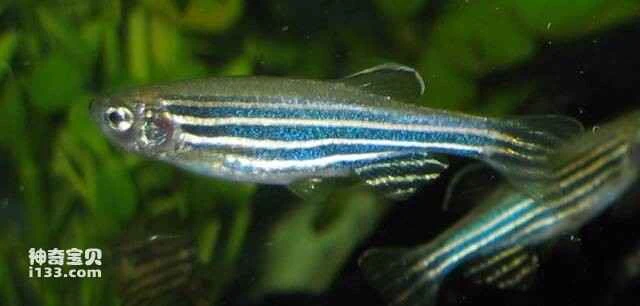
Zebra danios are 4-6 cm long and have zebra-like stripes covering their bodies. They are active, cold-hardy tropical fish with strong resistance to temperature changes. They are not demanding in terms of water quality and can survive as long as the water temperature does not drop below 20°C. They can eat various animal-based or dry foods. Zebra danios are gentle, small, and almost constantly swimming in the aquarium, making them very easy to keep and suitable for keeping with other fish species. Furthermore, zebra danios reproduce very quickly, often making them a top choice for beginners in tropical fish keeping.
8. Moonfish
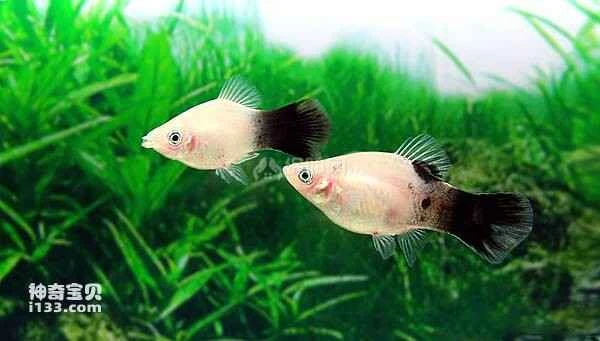
Moonfish, also known as spotted swordtails, are an important species of tropical fish. Small and exquisite, with vibrant colors, they are very appealing, typically measuring 4-6 cm in length. Moonfish are docile and quiet, swimming and feeding gracefully. They are not picky eaters and can be fed tubifex worms, daphnia, and commercially prepared foods, primarily live daphnia. Chopped spinach or lettuce leaves can also be given. They have a strong reproductive capacity, notably their ability to hybridize with swordtails, producing new varieties such as the red moonfish, sunset moonfish, and needle-tailed red moonfish.
9. Molly
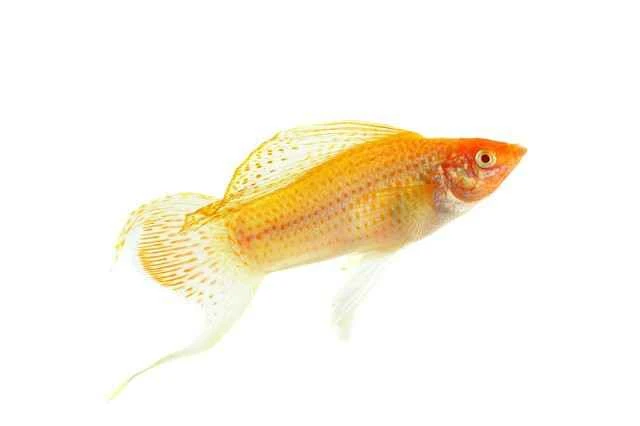
Molly fish, also known as Molly mackerel, typically grow to 8-10 cm in length. They are extremely docile and never attack other fish. There are several artificially bred varieties of Molly, including the stable Black Molly, which has become a distinct species, and the Balloon Molly, whose abdomen swells like a balloon. Molly fish are unique in two ways: they prefer hard water and are more herbivorous than other fish, constantly nibbling on aquatic plants and algae on the tank walls. They can be fed leafy greens. While they are relatively adaptable to water temperature, they are extremely sensitive to water quality and require frequent water changes.
10. Lili Fish
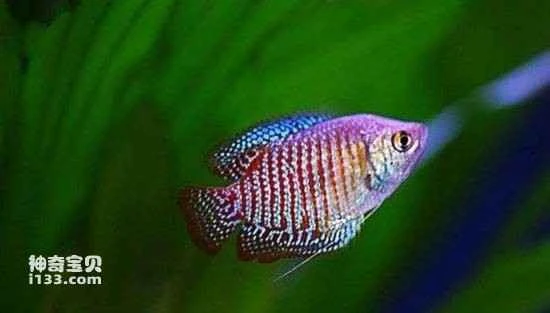
The dwarf goby, also known as the lagodon, typically measures 5-6 cm in length. Dwarf gobies are not demanding in terms of water quality and food, preferring clear, aged water. They are gentle but timid, so providing them with plenty of aquatic plants and rocks for hiding places is beneficial. When happy, dwarf gobies often spray water playfully, making them suitable for keeping with other calm and quiet fish. Furthermore, because dwarf gobies possess a labyrinth organ and exhibit nest-building and parental care behaviors, artificial breeding is not difficult, which is one of the main reasons they are relatively easy to keep.