In September 2023, scientists unveiled a fascinating yet slightly eerie new species—the vampire wasp, scientifically known as *Capitojoppa amazonica *. This unique insect was discovered in the biodiverse western Peruvian Amazon, a region renowned for its stunning wildlife.
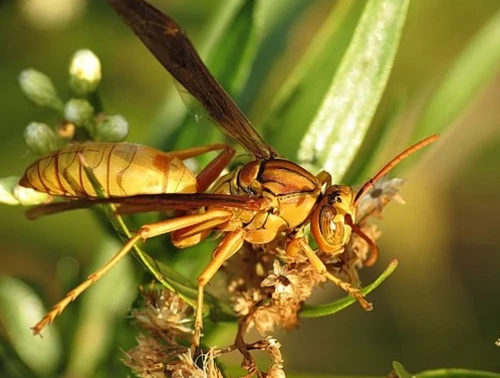
What is a vampire wasp?
The vampire wasp is a parasitic organism with a rather gruesome life cycle. Unlike most wasps that build nests or live in colonies, the vampire wasp employs a more insidious method of reproduction. Female vampire wasps place their eggs one by one inside the body of a host insect, which may be a caterpillar or other small insect. The host, unaware of its surroundings, becomes a temporary home for the larvae.
Life Cycle: A Terrifying Process
Once the eggs hatch inside the host, tiny wasp larvae begin feeding on the host's tissues. This feeding process doesn't happen immediately; the larvae need time to grow large enough to escape the host. Eventually, the larvae emerge from the host's body, usually leading to the host's death. This cycle illustrates the complex and often brutal interactions in nature, especially in ecosystems like the Amazon.
Ecological role
While vampire wasps may sound creepy, they play a vital role in ecosystems. Parasitic wasps like these help regulate insect populations and maintain balance in their environments. By controlling the numbers of certain host insects, they promote ecosystem health and ensure that no single species dominates.
Why is this discovery important?
The introduction of *Capitojoppa amazonica* is significant in several ways. First, it expands our understanding of the biodiversity of the Amazon rainforest, a critical region threatened by deforestation and climate change. Each new species discovery provides insights into the complexities of these ecosystems and underscores the importance of their conservation.
Furthermore, studying such unique species may lead to discoveries in other fields, such as medicine. Many parasites have evolved complex mechanisms that scientists can study to find potential applications in health and disease control.
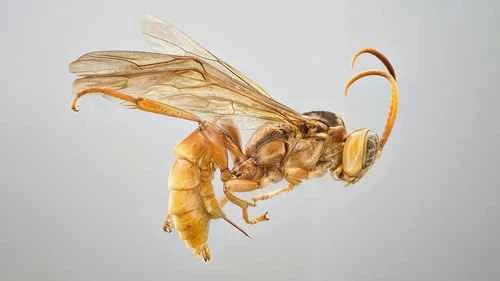
The vampire wasp may be one of nature's most chilling creations, but it reminds us that nature's wonders and horrors coexist. Its discovery not only reveals the richness of the Amazon's biodiversity but also underscores the necessity of protecting these vital ecosystems. The more we learn about creatures like the vampire wasp, the deeper our understanding becomes of the complex web of life that sustains our planet. Welcome to the jungle, indeed!