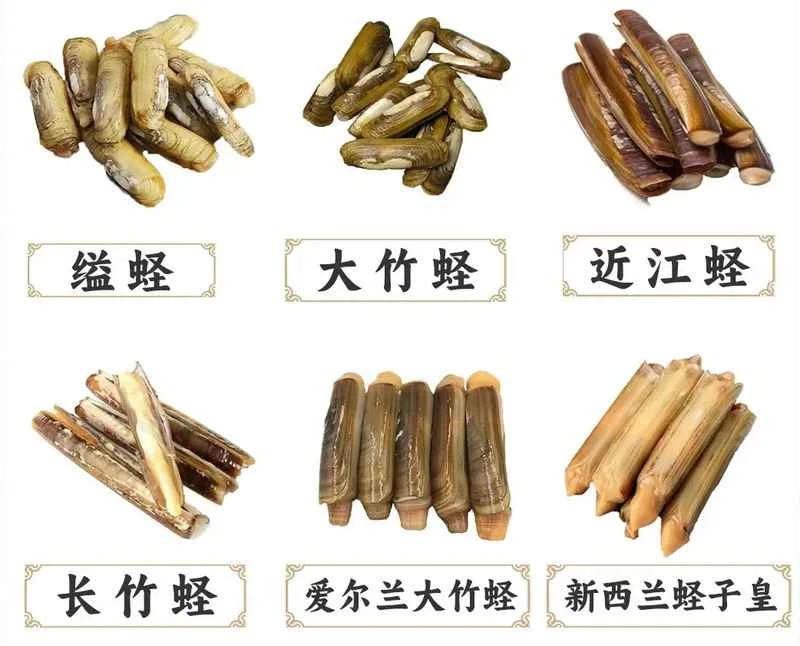
Razor clams are a common type of shellfish, rectangular in shape, with a yellowish-green or yellowish-brown shell that is thin and brittle. The flesh is yellowish-white and has a delicious flavor. Besides being eaten fresh, they can also be processed into dried razor clams, razor clam oil, etc. So, which type of razor clam is the most delicious? Today, we've compiled a list of ten common razor clam varieties: *Razor clams*, *Razor scabra*, *Razor davidii*, *Razor iris*, *Razor davidii ... and *Razor davidii* from New Zealand. Let's take a look at the classification of razor clams and related information.
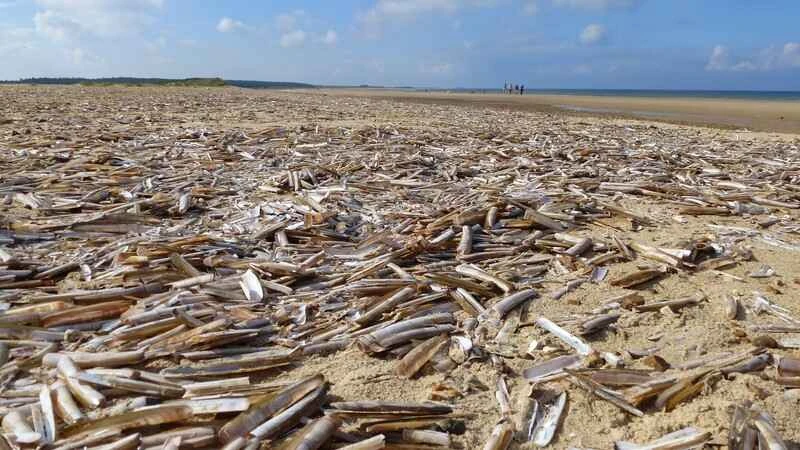
1. Razor Clam (thin and short shell/yellowish-brown) (China/Japan)
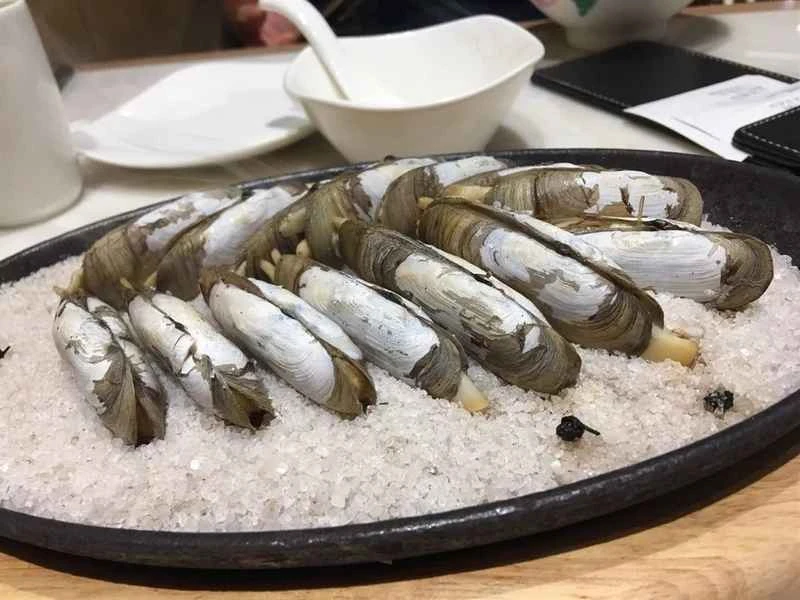
Razor clams are the most common type of razor clam in daily life and are also one of the most cost-effective razor clams. Razor clams belong to the genus Razor Clam of the family Razorclams. They are widely distributed in the intertidal zone and shallow sea areas of Japan and the northern and southern coasts of my country. They are slightly flat in shape, with a shell length of about 6-8 cm. The shell is relatively thin and easily broken during transportation. There is a shallow indentation naturally running from the top of the shell to the ventral edge. The shell looks relatively rough and is yellowish-brown or grayish-brown, covered with fine growth lines.
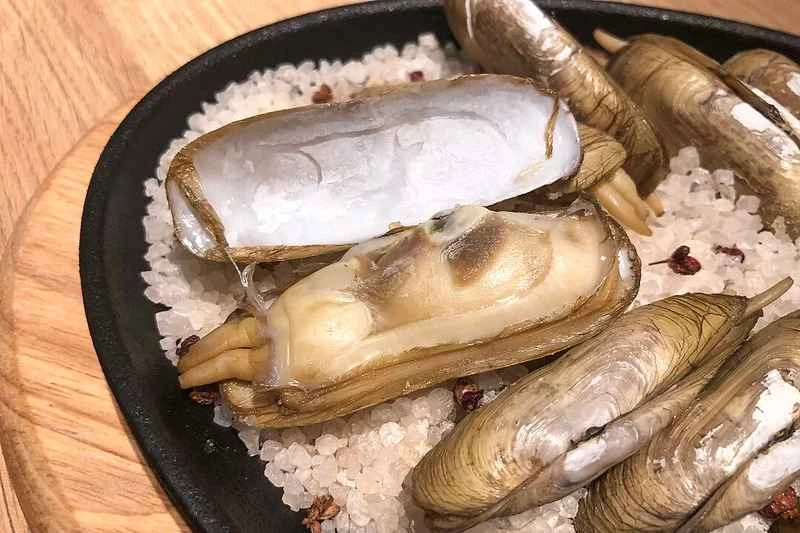
Razor clams have a relatively long siphon used for feeding and excretion, hence the name "beauty's leg." Their meat is delicious and firm, making them suitable for stir-frying, boiling in soup, or grilling.
2. Long bamboo clam (slender shell/smooth shell surface) (China/Korea/Japan)
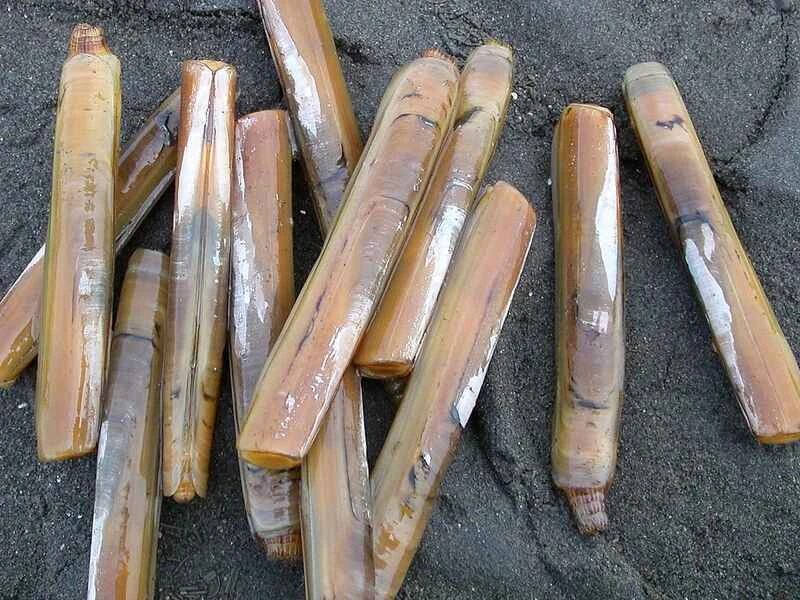
The long bamboo clam is one of the top ten types of razor clams and is considered a high-quality variety. Its flesh is elastic and resilient, fresh, delicate, and sweet, making it suitable for steaming, stewing, and braising. It is also rich in various nutrients; the shell has anti-inflammatory and nodule-dispersing properties, while the clam meat has functions such as reducing fever, improving eyesight, quenching thirst, and relieving hangovers.
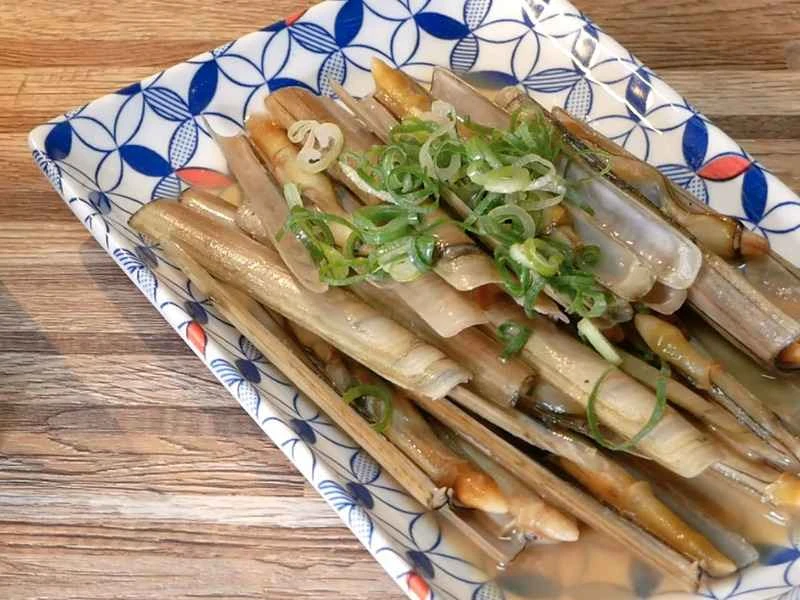
The most distinctive feature of the long bamboo clam is that it can reach a length of more than 15 centimeters. Its shell is thin and brittle with a smooth surface, usually yellowish-brown or light reddish-brown. One end is straight and the other end is rounded. When the two shells are closed, the shape is like a thin bamboo tube. It is distributed in the coastal areas of the Bohai Sea, Yellow Sea, East China Sea, and South China Sea in China, the Korean Peninsula, and southern Hokkaido to Kyushu in Japan.
3. Irish Giant Razor Clam (Large size/Dark brown shell) (Ireland/United Kingdom)
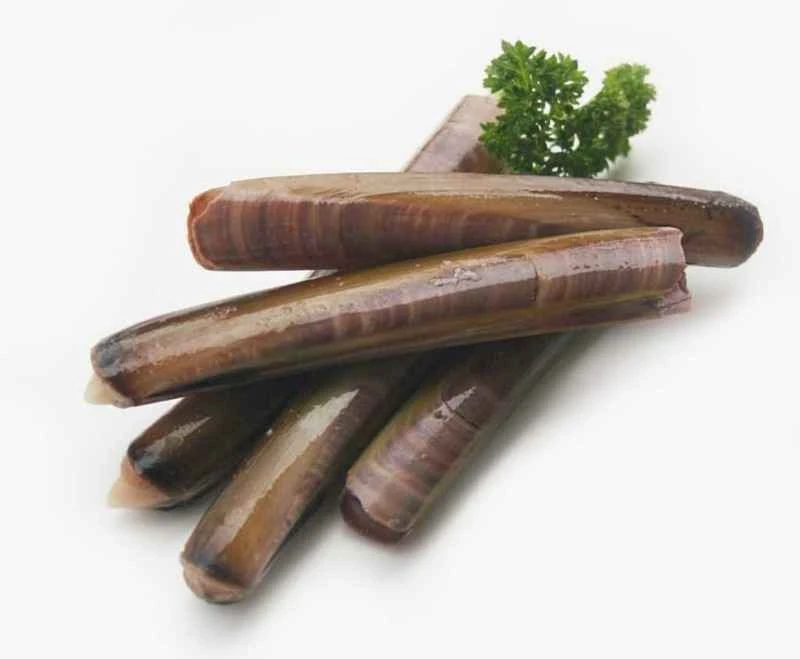
The Irish giant razor clam is a wild razor clam species found only in the waters of Ireland and the United Kingdom. Known for its meaty and sweet flavor, it is enjoyed on tables around the world. While similar in appearance to the Chinese razor clam, the Irish giant razor clam is larger, reaching up to 21cm in length. Its shell is typically dark brown or black with prominent longitudinal stripes. Its foot muscles are particularly well-developed, allowing it to burrow and hide in its preferred small, hard muddy sediments.
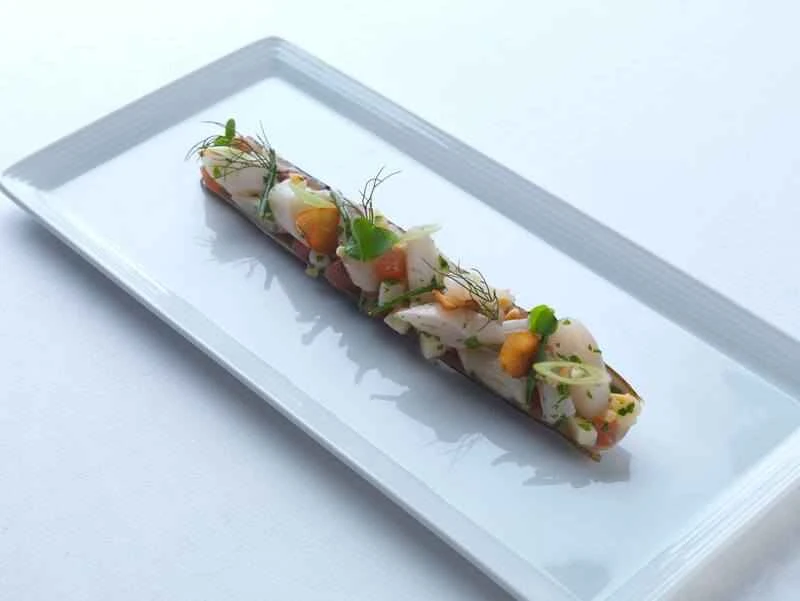
Because these razor clams live in colder waters, their meat is exceptionally delicious. With just a little cooking, their freshness is perfectly brought out. Boiled razor clams have tender and fragrant meat with a delicious broth; steamed or grilled razor clams are juicy and flavorful.
4. Large bamboo clam (large body/wide shell) (Philippines/North Korea/Japan)
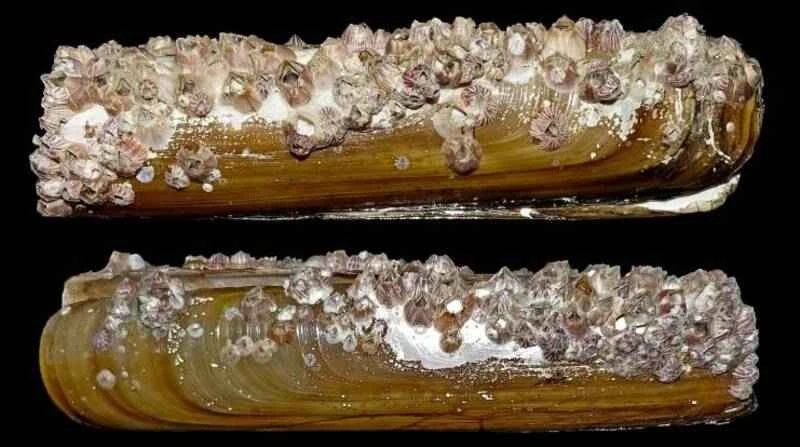
Where are the best quality razor clams found? The large bamboo razor clam is a delicious type of razor clam, mainly distributed in the Philippines, Korea, and Japan, and widely found in the Bohai Sea, Yellow Sea, East China Sea, and South China Sea of my country. Also known as the "King of Razor Clams," the large bamboo razor clam is a relatively large species. Its shell is dark gray or black with longitudinal stripes, slightly convex, and the ventral margin curls inwards. It is quite wide and has a plump body.
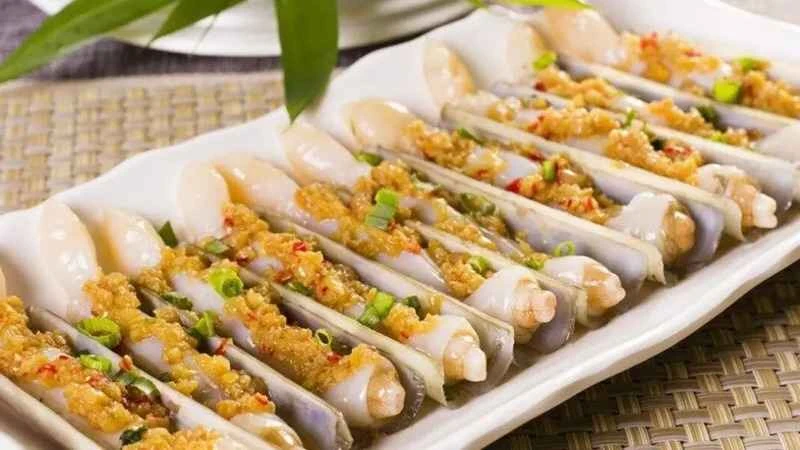
It is understood that the siphon of the large bamboo clam is relatively short and plump, protruding with a meaty texture. The meat is delicious and elastic, making it suitable for cooking, grilling, or making clam sauce and other dishes.
5. New Zealand Razor Clams (shell grayish-brown/with longitudinal stripes) (New Zealand)
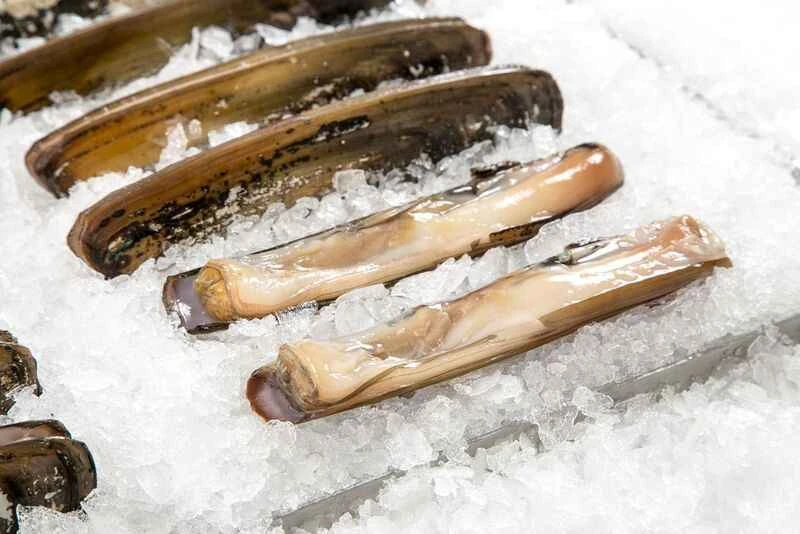
The New Zealand king razor clam is a species of razor clam native to New Zealand. Caught off the New Zealand coast, it is large, with a grayish-brown shell featuring distinct longitudinal stripes. Its flesh is sweet, crisp, and chewy. According to our understanding, New Zealand razor clams are most abundant in spring. After hibernating through the winter, they emerge to mate, making this the best time to enjoy them.
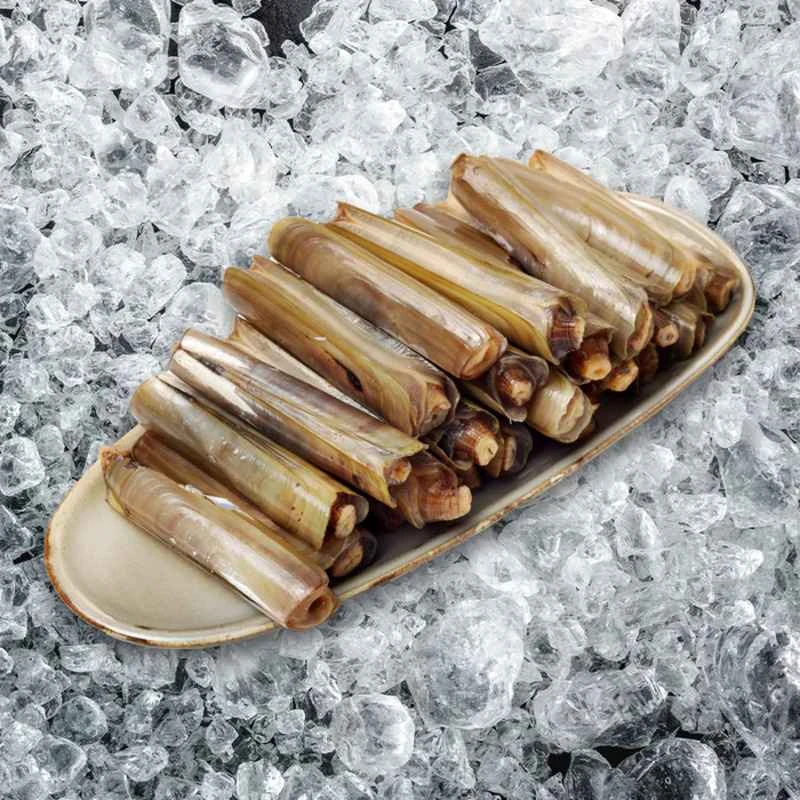
New Zealand razor clams are called "King of Razor Clams" for two reasons. First, they look very different from those in China, with each clam weighing more than three ounces. Second, their meat is very sweet and has a full flavor, making them suitable for stir-frying, boiling, grilling, and other cooking methods.
6. Omi Razor Clam (large size/shallow dent) (Japan/Southern Fujian region of China)
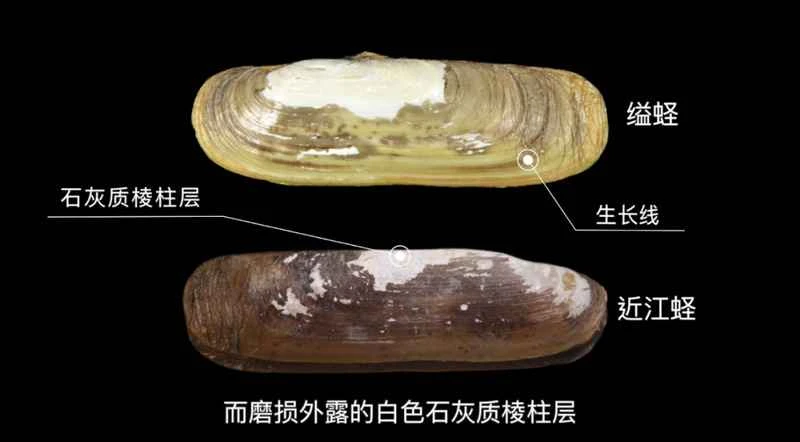
The razor clam *Sinocyclocheilus kojiana* is a type of clam that closely resembles the razor clam *Sinocyclocheilus kojiana*, and for a long time was considered the same species until it was officially named *Sinocyclocheilus kojiana* in 2006. We learned that the razor clam also has fine, irregular growth lines on its shell, and its shell ends are rounded. In adult clams, the outer layer peels off from the top of the shell to the periphery, revealing a white, calcareous prismatic layer—all similar to the razor clam. The differences lie in its slightly longer shape, shallower indentations, a greater shell length-to-height ratio than the razor clam, a wider range of salinity tolerance, and a faster growth rate.
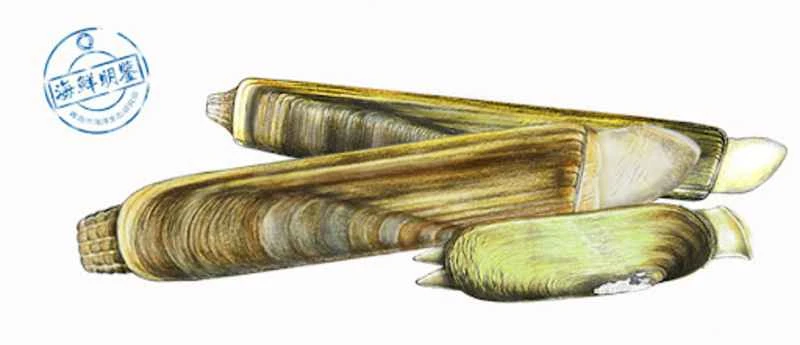
Razor clams are widely distributed in Japan and the Minnan region of my country. They prefer to live near estuaries where freshwater flows in, and their meat is delicious and has a delicate texture.
7. Straight-shelled razor clam (shell is cylindrical/pale yellow) (Indian Ocean/Western Pacific Ocean)
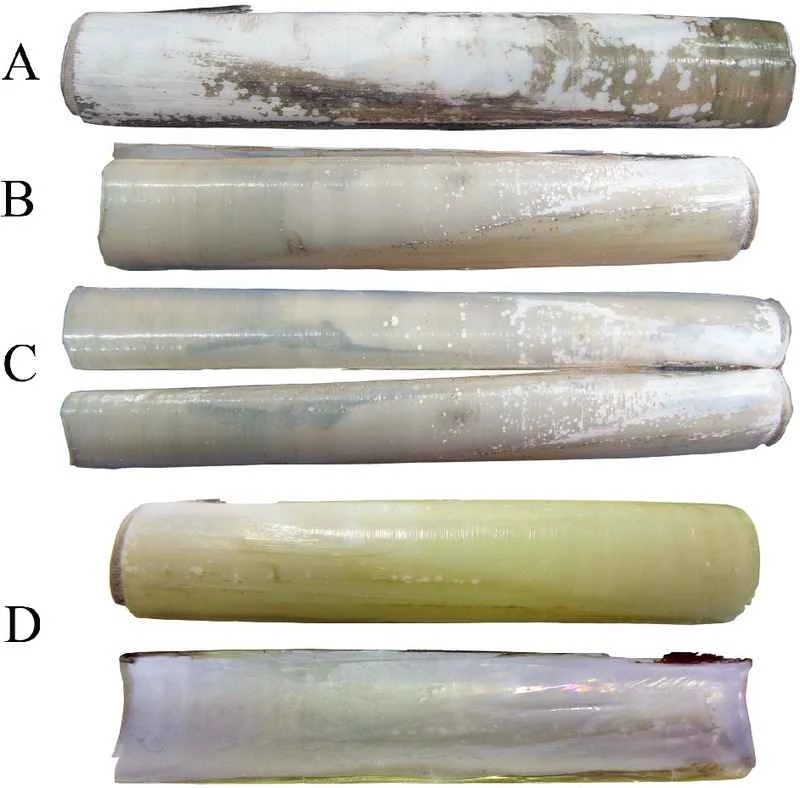
The straight bamboo razor clam is one of the most delicious types of razor clams, with tender, crisp, sweet, and refreshing meat. Its flavor is even more intense after stir-frying. The straight bamboo razor clam is distributed in the Indo-West Pacific Ocean, and usually inhabits the intertidal zone to the subtidal zone up to 60 meters deep, as well as shallow beaches with more sand and less mud.
This type of razor clam has a slender, cylindrical shell with a thin shell, straight dorsal and ventral margins, and openings at both ends. The umbo is located at the very front of the shell, and the external ligament is small. The shell surface has fine growth lines, and the shell has a pale yellow, glossy outer skin. A diagonal line from the upper corner of the umbo to the ventral margin at the end divides the shell surface into upper and lower parts. The upper part has alternating purple-red and white bands, while the lower part has no bands. The hinge is small, and each of the two shells has one cardinal tooth.
8. Razor Clam (shaped like a small, straight-backed knife) (Western Coast of the United States)
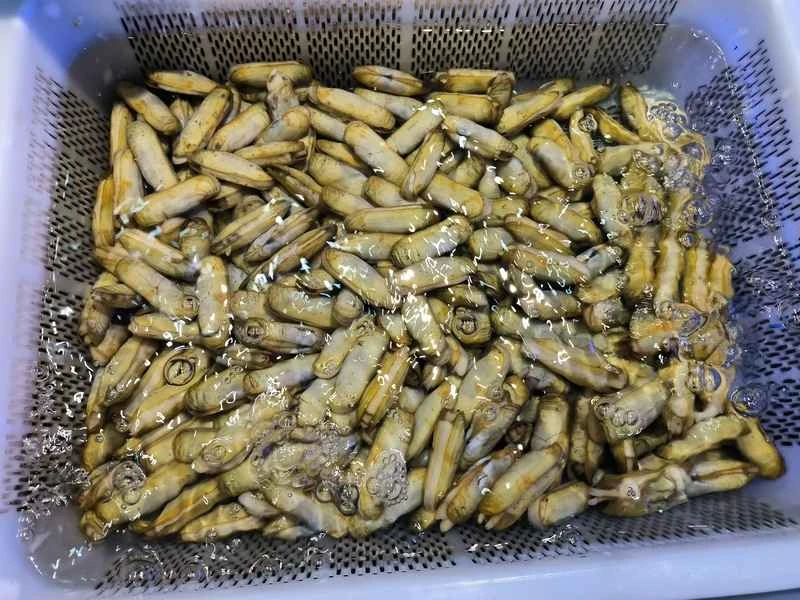
Razor clams, also known as sword clams, are a common type of razor clam. Their shells are relatively flat, resembling a small, straight-backed knife, hence their name. Razor clams are mainly distributed along the western coast of the United States, and are also common in the South China Sea, Indonesia, and Singapore. They are closely related to bamboo clams, but are larger and have more meat. Their shells are equal in size, thin, narrow, and long, with a pale yellowish-green surface and a powdery white interior with a slight sheen. While razor clams can grow quite large, smaller ones are preferred for their "fresh, tender, crisp, and refreshing" texture. Cooking them requires precise control of heat; overcooking will result in a tough, chewy texture.
9. Small razor clams (small/oval-shaped) (Malaysia/Philippines)
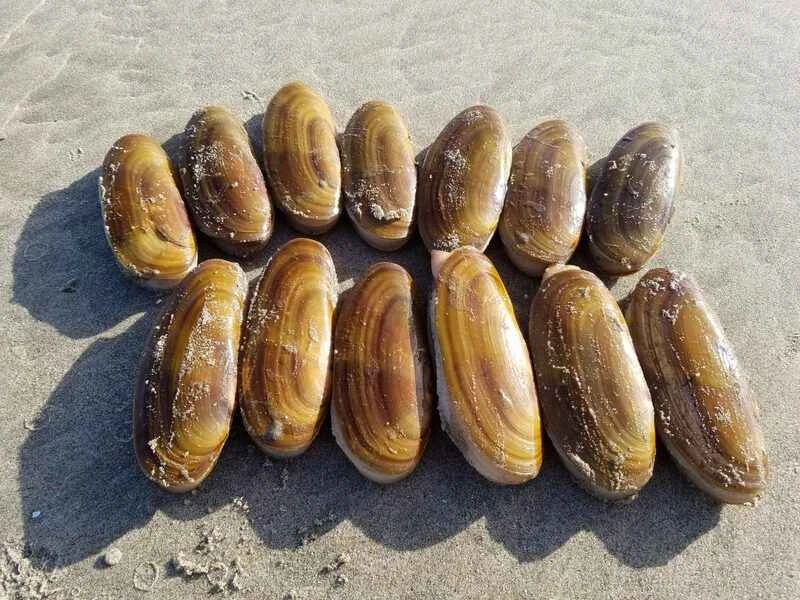
Razor clams are among the smaller species of razor clams, mainly found along the coast south of Zhejiang in China, and also distributed in Malaysia and the Philippines abroad. The shell is oval-shaped, thin, and significantly larger at the anterior end than the posterior end. The anterior and posterior margins are rounded, the ventral margin is slightly concave in the middle, and the umbo is located at the front. The ligament is prominent and the shell is dark brown. The shell surface is yellowish-white or grayish-white, covered with a yellowish-brown periostracum. The growth lines are fine and dense. The inner surface of the shell is grayish-white. Below the umbo, there is a longitudinal rib extending towards the ventral margin. The hinge is short and has three cardinal teeth. The anterior adductor muscle scar is nearly pear-shaped, and the posterior adductor muscle scar is nearly triangular. Compared to common razor clams, razor clams appear light and agile. They are typically eaten in clear soup to appreciate their plump and delicious flavor.
10. Purple-skinned razor clam (shell has purple markings) (Taiwan, China)
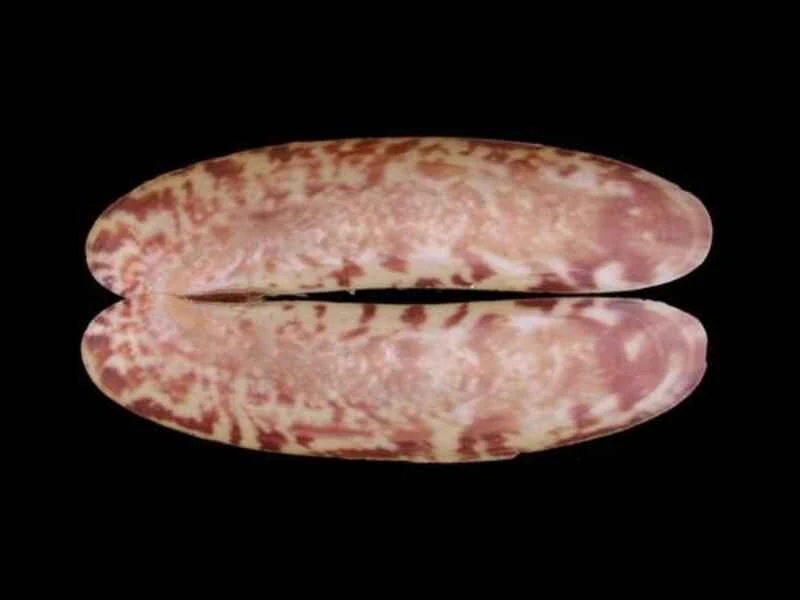
The purple-skinned razor clam, also known as the flower-knife razor clam, is one of the ten most common razor clam species. While most razor clam species have grayish-brown shells, the purple-skinned razor clam is an exception. Its shell is rounded, white, and covered with purple or brown patterns, making it very attractive. The shell is thin, with two equal shells, open at both ends, and a small apex located at the front. The dorsal margin is slightly straight, while the ventral margin is rounded and curved upwards. The shell surface is covered with a thin outer membrane. It is mainly distributed in Taiwan, with a small distribution in eastern Arabia. It primarily inhabits sandy seabeds in the intertidal zone. The purple-skinned razor clam has delicious meat, and its attractive appearance has made it a popular choice among many.
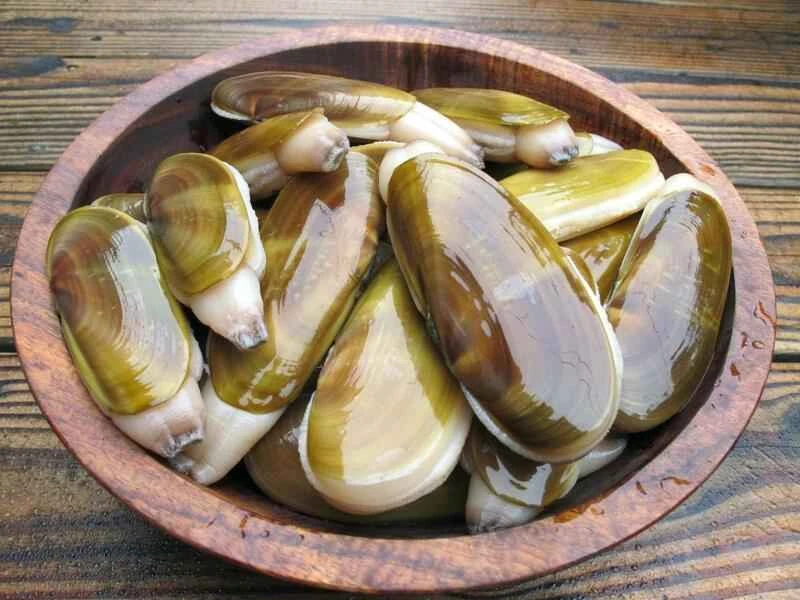
The ranking of the top ten types of razor clams is based on the characteristics and quality of common razor clams, taking into account the public awareness of different types of razor clams, and combining this with other relevant rankings/lists on the internet. This list is for reference only. If you have any questions, please feel free to comment/discuss at the end.