Sea snails are a common type of seafood, known for their tender and delicious meat. They are also rich in nutrients, being a typical high-protein, low-fat, and high-calcium natural animal-based food. So, what are some delicious types of sea snails? Delicious sea snails include mud snails, fragrant whelks, conch shells, coconut snails, cat's eye snails, horseshoe snails, flat jade snails, cone snails, sesame snails, and spicy snails. Today, we've compiled a list of the world's ten most famous sea snail species. Let's take a look at the ranking and related information about sea snails.
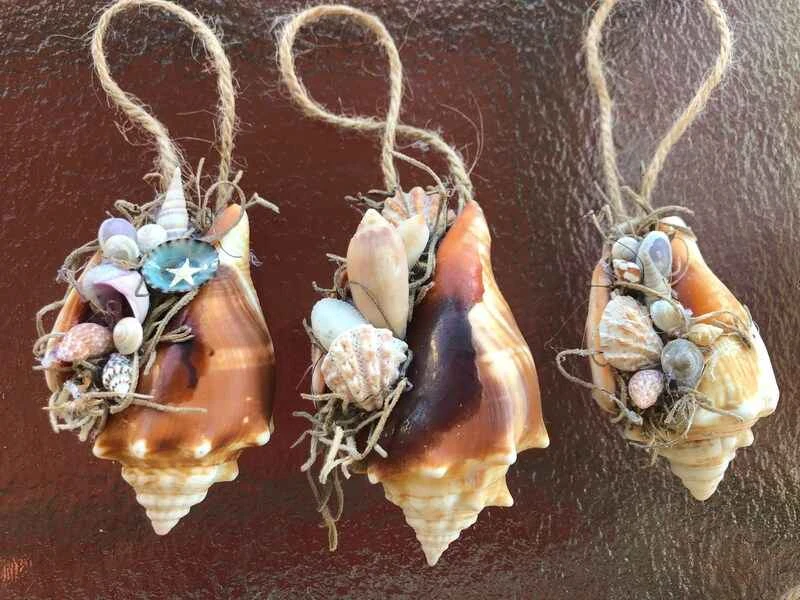
Battle Conch Ornament
1. Mud snails (fresh and sweet/chewy and springy)
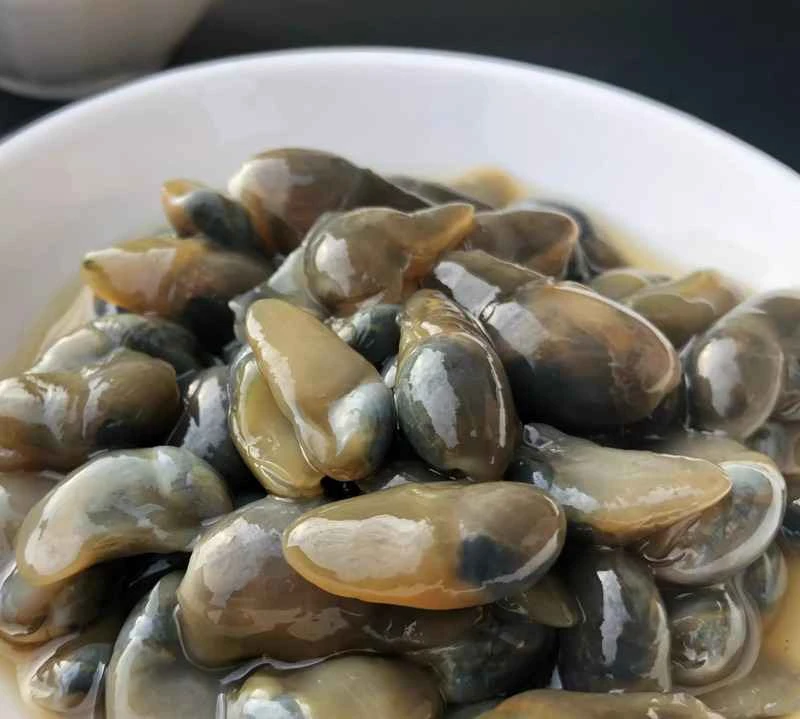
Mud snails are among the most delicious types of sea snails, mainly distributed in coastal areas of Japan, Korea, and mainland China. Mud snails have rectangular bodies, large and thick head discs, underdeveloped mantles, and well-developed lateral feet that cover part of the sides of the shell. The shell is oval; the shells of juveniles are thin and brittle, while those of adults are harder and white, with a surface resembling spiral rings, a smooth inner surface, and a yellowish-brown outer skin.
Mud snails, photographed at Carrefour supermarket.
Mud snails are generally raised for 5-6 months before being harvested and sold. The snail meat is crisp and can be used to make porridge or stir-fry. The best quality mud snails are those produced when peach blossoms are in full bloom from Grain Rain to Grain Full, and they taste particularly delicious. The "Osmanthus Mud Snails" produced during the Mid-Autumn Festival, although not as good as the "Peach Blossom Mud Snails" produced in the third month of the lunar calendar, are still large, fatty, and extremely delicious.
2. Whelk (plump, flavorful, and slippery)
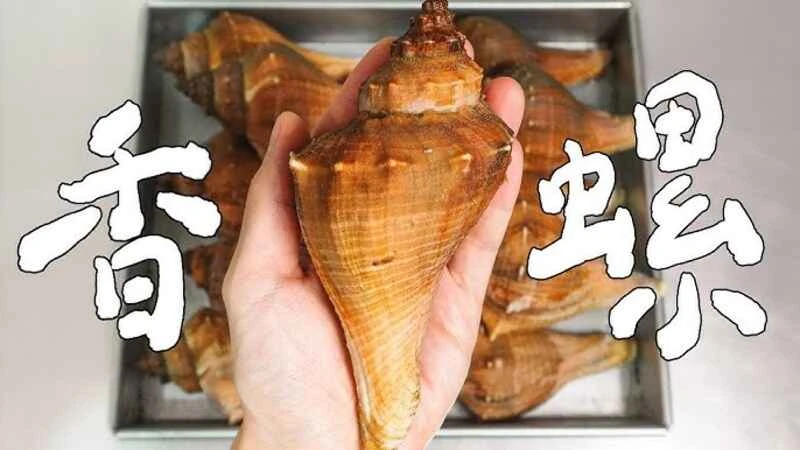
The whelk, also known as the golden whelk or the golden thread whelk, is a species endemic to my country, found in the Yellow Sea and Bohai Sea, mainly distributed in Guangdong, Fujian, Liaoning, Shandong and other regions. The whelk's shell is nearly rhomboid, relatively hard, and light brown in color. It prefers to inhabit the seabed with high salinity, has well-developed salivary glands that secrete protein-degrading enzymes, and feeds on algae and microorganisms.

The reason it's called a fragrant snail is because its meat is very sweet and delicious. Although it's not particularly chewy, it's very tender, especially the yellow part at the tail, which is incredibly flavorful. Steamed snails are delicious, retaining their original taste and leaving a lingering fragrance that makes you want more. However, a word of caution: don't drink ice water after eating snails, as it can cause diarrhea.
3. East Wind Whelk (delicious meat/crispy and refreshing)

There are two main types of whelks: the mud whelk and the spotted whelk. They are high-quality whelks that are very popular in domestic and international markets. The whelk shell is grayish-white with a yellowish-brown outer layer and faint light brown patches. It is also known as the flower whelk. It is vertically distributed in the subtidal zone at depths of several meters to tens of meters. It can adapt to water temperatures of 14-33℃, salinity of 14-34, and pH of 8.0-8.4. Its maturity and breeding season is from April to September.
The Dongfeng whelk has a milder fishy smell, making it perfect for those who dislike the fishy taste of seafood. Common cooking methods include blanching, stir-frying with chili, and braising in soy sauce. Once cooked, the meat is firm, pale orange-yellow in color, and has a unique sweet taste of the ocean. Its texture is crisper and more refreshing than that of ordinary whelks, which is why many people love to eat it.
4. Coconut snails (crisp and chewy/sweet and delicious)
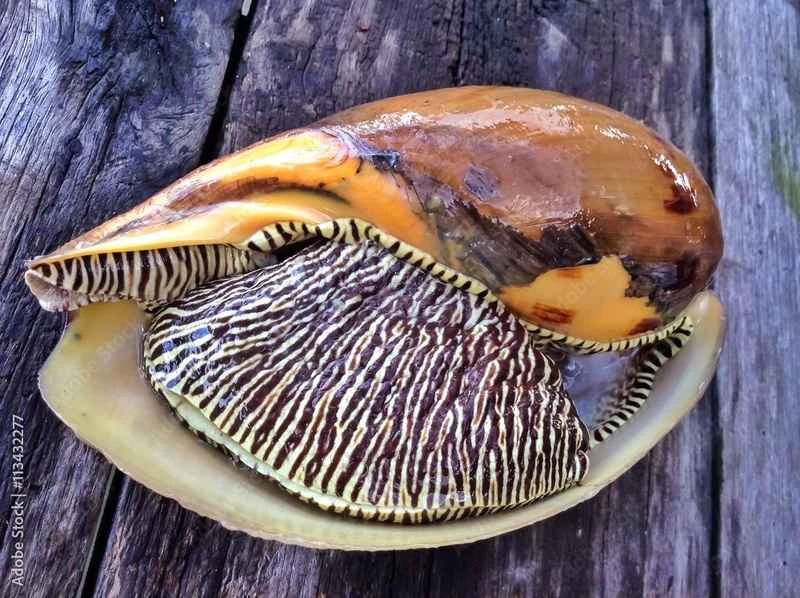
The coconut snail, also known as the papaya snail, has a yellowish-brown shell shaped like a papaya, smooth with dark brown spots. It is mainly distributed in warm and tropical sandy or muddy shallow seas. The coconut snail is a carnivorous sea snail that feeds on shellfish and small benthic animals. It is quite large, with a shell length exceeding 20 centimeters, but only a few parts are edible; generally, only the foot is consumed. Slicing it and stir-frying or making soup are both good options. The coconut snail meat itself has little flavor, but stir-frying it with plenty of oil and sauce, combined with the snail's crisp texture, makes it very delicious. In soups, it pairs well with pork ribs or chicken for a flavorful and delicious broth.
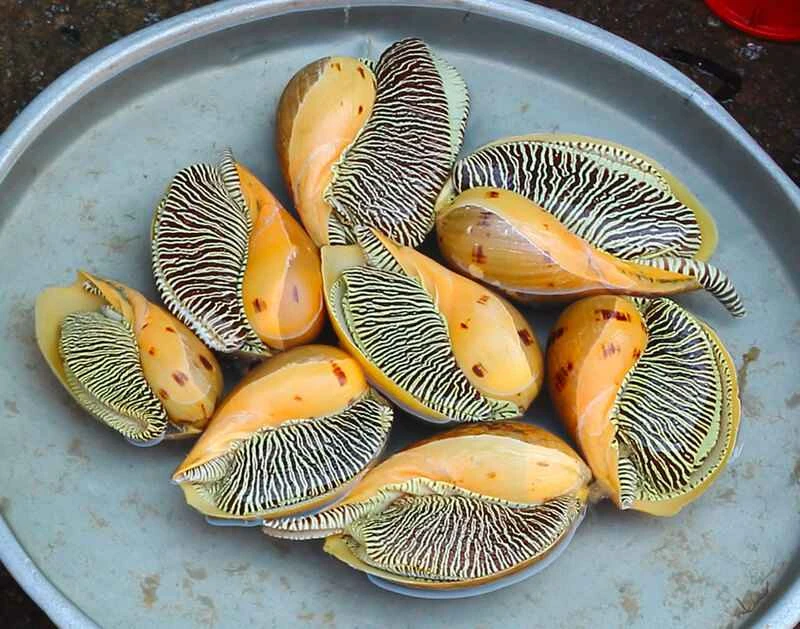
Besides being delicious, coconut snails are best known for producing pearls—Melo pearls, a precious type of natural seawater pearl.
5. Cat's Eye Snail (Tender and springy texture/Delicious flavor)
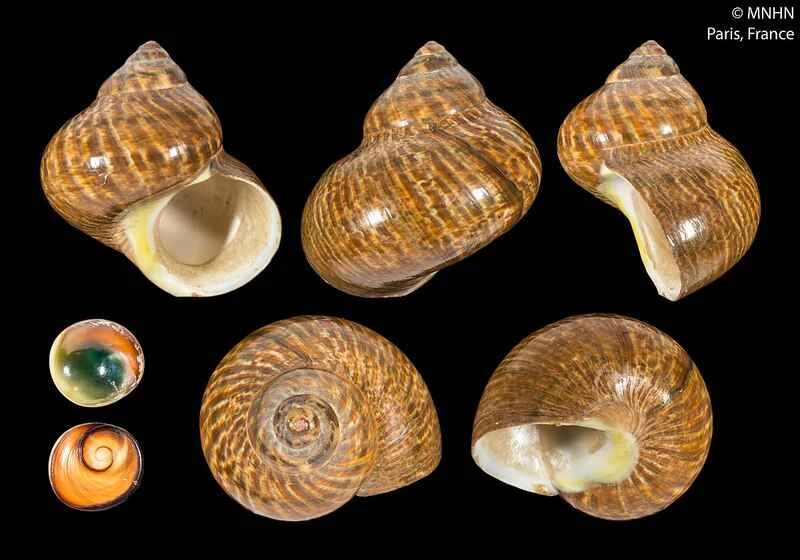
Cat's eye snail is one of the top ten delicious sea snails, named for its mouth flap, which resembles a cat's eye in color, as it crawls. Commonly found in the tropical Indo-Pacific region, its shell opening is yellow or greenish-yellow, and the entire shell surface is richly colored. Common shell color combinations include a dark brown base with black bands, interspersed with white spots and stripes. There are also plain greenish-yellow shells. The snail meat is edible, and the shell can be carved into artwork.
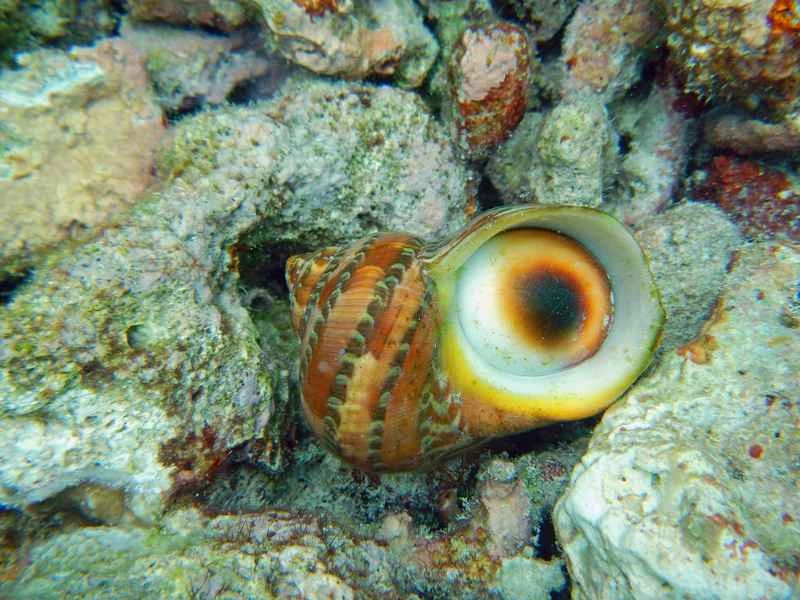
Cat's eye snails can be stir-fried with chili or steamed. When stir-fried with chili, add seasonings and ingredients and stir-fry until flavorful. When steamed, first clean the cat's eye snails, put them in a pot and steam until cooked, then dip them in a sauce made of oil, ginger and vinegar before eating. The meat is chewy and delicious, making it a popular type of sea snail among consumers.
6. Horseshoe snails (tender meat, no fishy smell/delicious)
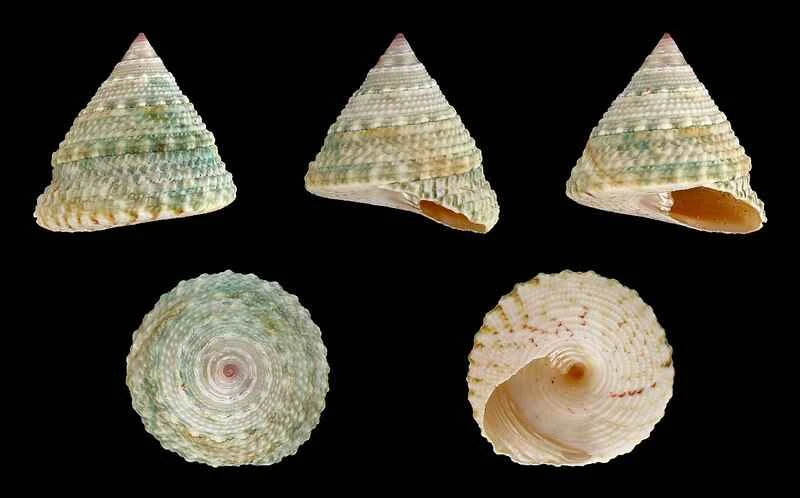
What kind of sea snail is the most delicious? The horseshoe snail, found in shallow coastal waters from the equator to high latitudes, is a world-renowned seafood ingredient. Its short, conical shell has one flat end, resembling a horseshoe, hence its name. Widely distributed, they can be found from the intertidal zone to the deep sea. They are dioecious, fertilize externally, and most have free-swimming larvae.
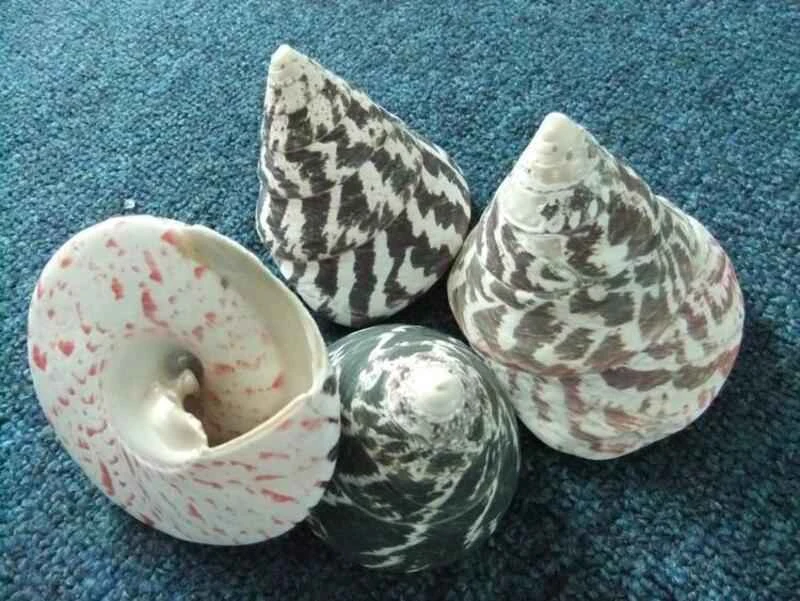
Horseshoe snails have a delicious flavor and can be cooked simply by boiling them in salt water. A touch of ginger juice and balsamic vinegar will bring out their natural freshness, and they are also excellent for making soup. Furthermore, horseshoe snail shells have a thick nacreous layer with a beautiful pearly luster, making them suitable for decorative purposes. However, they contain heavy metals that are harmful to the human body, so caution should be exercised when using them.
7. Flat Jade Snail (firm flesh/fresh and fragrant yellow roe)
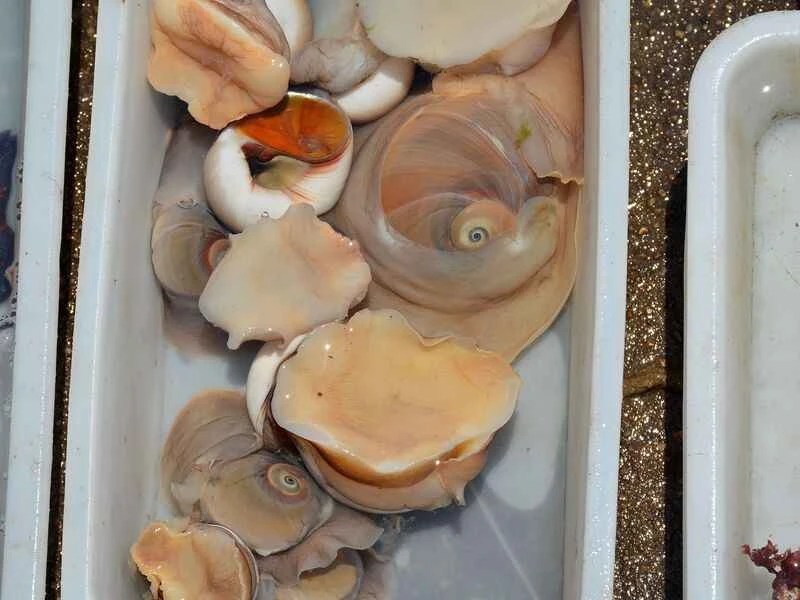
Large flat snails, photographed at Tuandao Farmers Market.
The flat-shelled snail is an edible sea snail; its meat is used in cooking, while its shell is ornamental and can be used to make handicrafts. The shell is hemispherical, thick, flattened and wide dorsoventrally, with a low apex, a relatively short spire, and a sudden increase in the width of the body whorls. The shell surface is smooth without ribs, with obvious growth lines. The shell surface is pale yellowish-brown, the apex is purplish-brown, and the base is white. Because of its large and deep umbilicus, it is also known as the belly-navel snail.
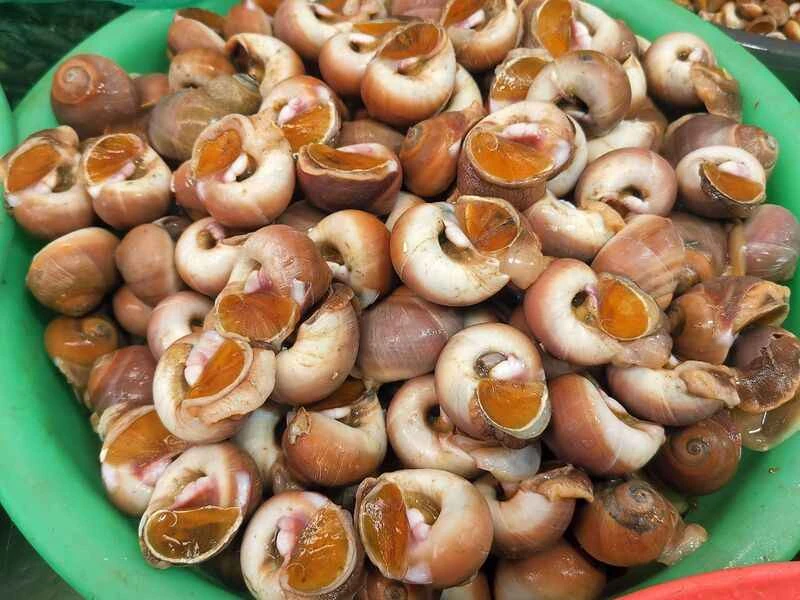
Flat jade snail, photographed at the front sea of Zhanshan, Qingdao.
Because flat snails live in sandy areas on the seabed, you need to spit out the sand before eating them. The meat is firm, and the yellow roe at the tail is very fresh and fragrant, even with a texture similar to crab roe. They are very flavorful when stir-fried and have a great taste. Large flat snails can be boiled, sliced, and mixed with cucumber, which tastes even better than sea snails.
8. Cone snail (chewy and bouncy / unique way of eating)
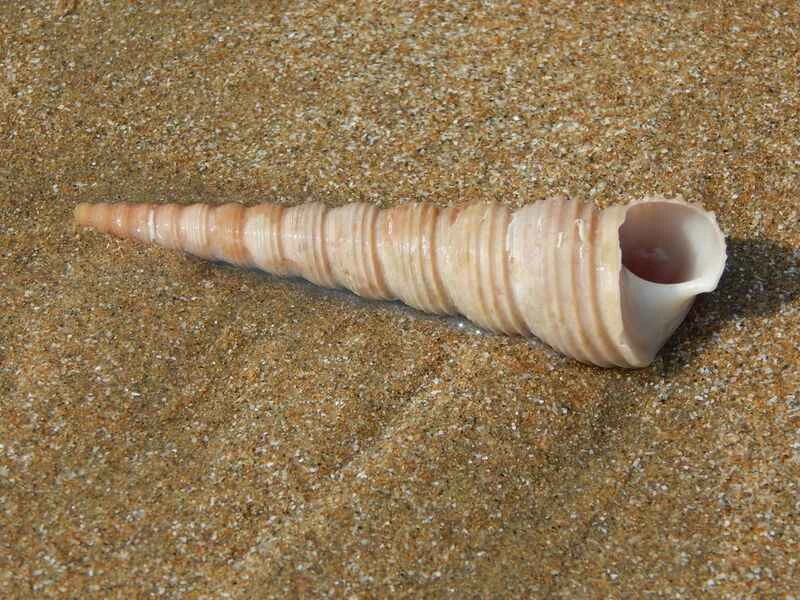
Unlike other sea snails, the cone snail has a very long and slender body, forming a uniform spiral shape from top to bottom. The snail meat inside is also long and spiral-shaped, making it quite distinctive. Its opening is relatively small, and its tail is also quite sharp. It's delicious even with a simple stir-fry. Cone snails are a common ingredient in night market food stalls. After the cone snails have expelled the sand, the tail is knocked off, making them easy to stir-fry and absorb flavors, and also easier to eat. With a light suck of the lips, the delicious snail meat, along with the broth, pops into your mouth. The meat is tender and the flavor is incredibly tempting.
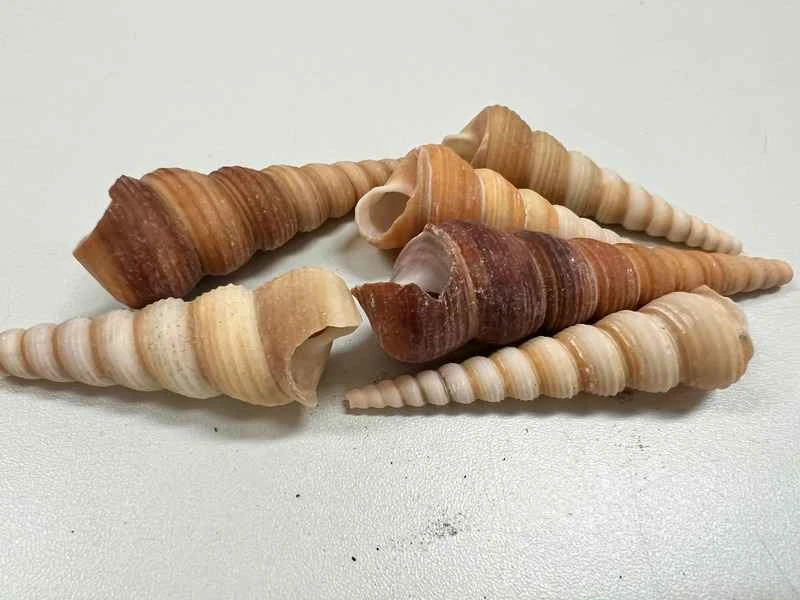
Cone snails are also rich in protein, vitamins, essential amino acids and trace elements. They are a natural health food that is high in protein, low in fat and high in calcium, and are known as "pearls on a plate".
9. Sesame snails (plump and delicate/firm texture)
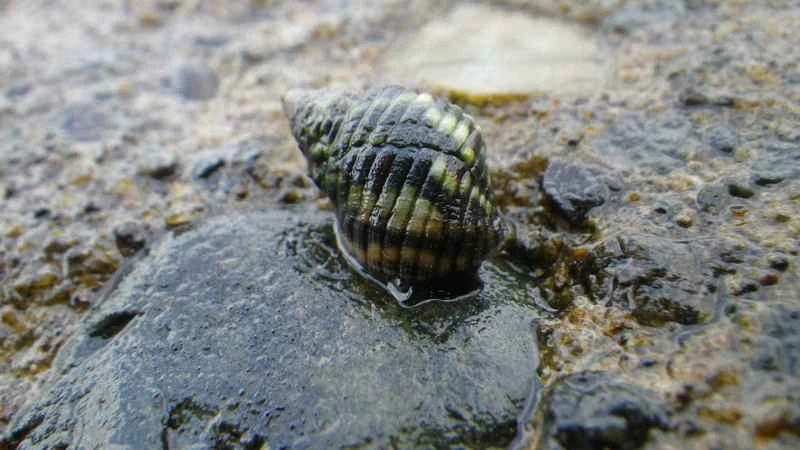
The single-toothed snail, also known as the sesame snail, is a eurythermal benthic mollusk widely distributed in the intertidal zone of both northern and southern my country. It is a delicious sea snail. The shell of the single-toothed snail is tower-shaped, dark green with white, greenish-brown, and yellowish-brown markings. The aperture is nearly heart-shaped, with a thin outer lip and a thick inner lip. The inner lip has rows of rib-like teeth along its edge, and the base of the inner lip thickens to form a strong white single tooth. It mostly lives on rocks, in crevices, or under rocks in the upper and middle intertidal zone, feeding on seaweed.
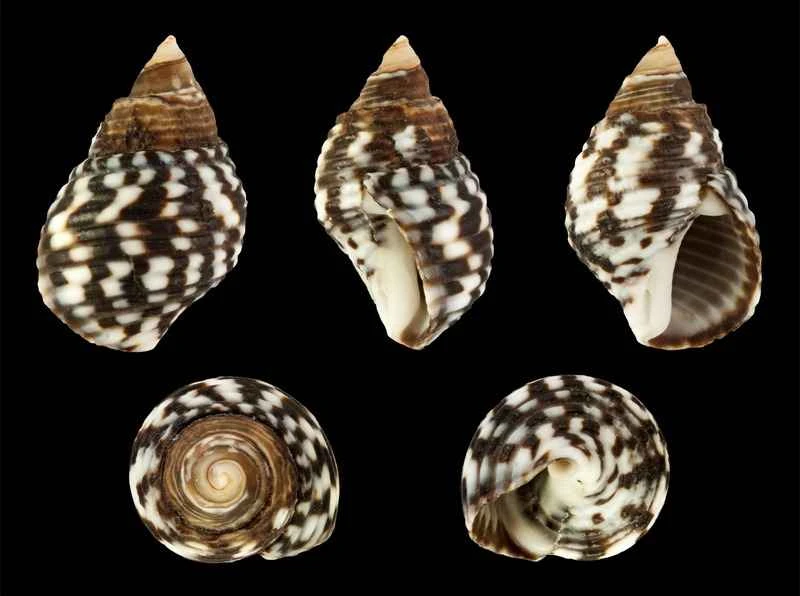
Sesame snail meat has a unique sweetness and the umami flavor of seafood. It has a firm texture and is rich in nutrients, especially vitamin E, which is very helpful in preventing skin pigmentation and inhibiting skin aging.
10. Spicy snails (the snail meat is firm and elastic/slightly spicy)
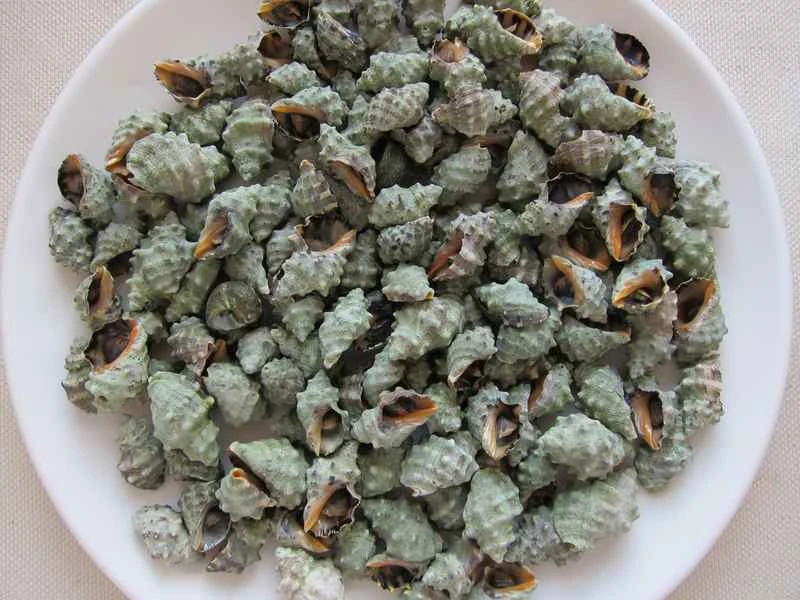
The spicy snail, scientifically known as *Sinocyclocheilus var. rubrum*, gets its name from the capsaicin in its tail, which gives it a slightly spicy taste. It is spindle-shaped with a thick, sturdy shell that is grayish-green and yellowish-brown, often interspersed with white stripes. The inside of the shell is yellowish-white, while the inner side of the outer lip is dark purple. Found along coastlines, it is one of the most common snails in the intertidal zone and feeds on barnacles and bivalves.
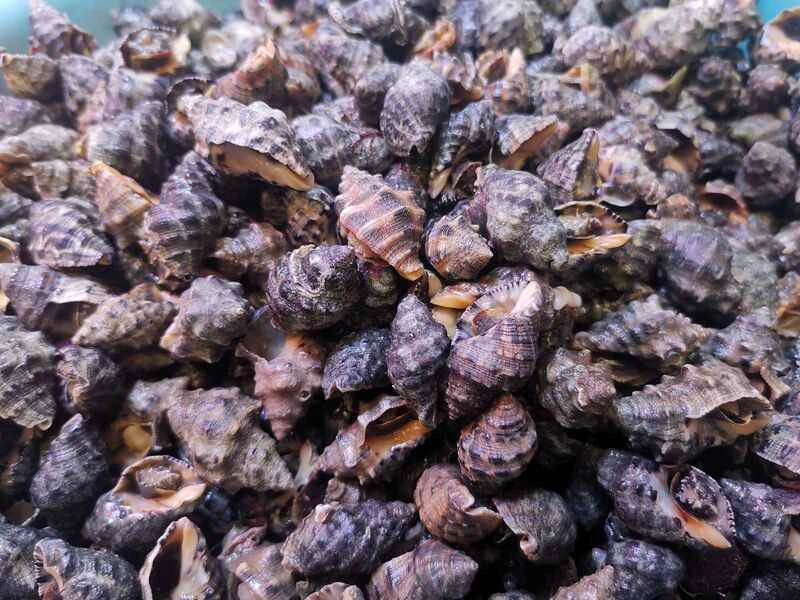
Warty lychee snail, photographed at Tuandao Farmers Market.
Spicy snails are one of the easiest sea snails to find while beachcombing. Their meat is firm and elastic, with a slightly bitter and spicy flavor that gently stimulates the taste buds, making it palatable even for those who don't eat spicy food. Because of their thick shells, stir-frying with soy sauce or scallion oil isn't suitable; they're better suited for making soup after proper preparation. This not only results in a delicious soup but also has the effects of softening hardened masses, dispersing lumps, and clearing heat and toxins.
The ranking of the world's top ten conches is based on research into the taste, characteristics, and quality of common conches, taking into account public awareness of conch species and other relevant information, and combining this ranking with other relevant online rankings/lists. This list is for reference only. If you have any questions, please feel free to comment/discuss at the end.