Mediterranean seabirds include a wide variety of birds such as the Mediterranean petrel (Puffinus yelkouan), the Mediterranean Corriere (Calonectris diomedea), the Great Northern Gannet (Morus bassanus), the European Cormorant (Gulosus aristotelis), and the Yellow-legged Gull (Larus michahellis).
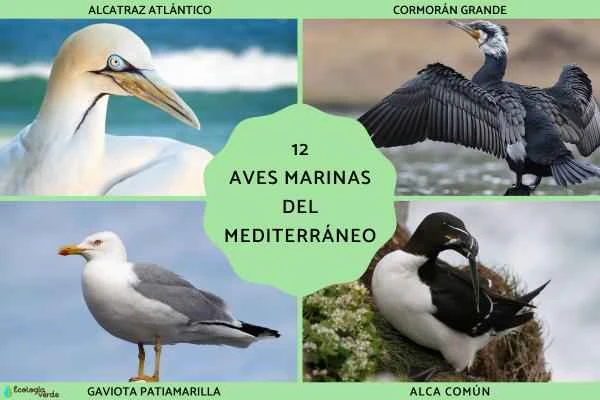
Table of contents
Mediterranean Scissor-billed Gull
Mediterranean Grey-billed Gull
Northern gannets
great cormorant
crested cormorant
Auduan Gull
Yellow-legged Gull
Black-billed Crested Tern
Common puffins
Medium White Merganser
European petrel
parasitic skua
1. Mediterranean Scissor-billed Gull (Puffinus yelkouan)
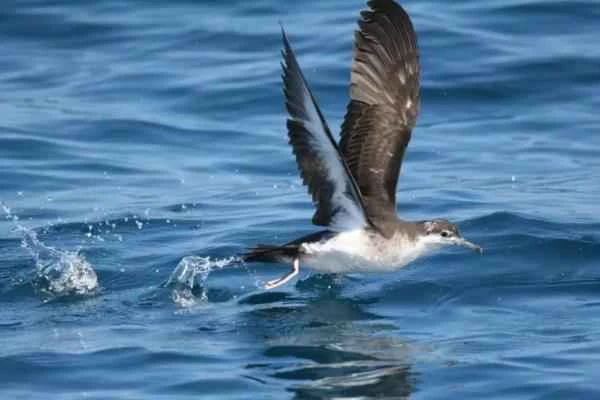
The Mediterranean Scissor-billed Gull is a medium-sized seabird endemic to the Mediterranean Sea. It typically breeds in groups on rocky islands and is known for its noisy calls. It feeds on fish, cephalopods, and fishery waste. It breeds only a small number of chicks each year but has a relatively long lifespan.
2. Mediterranean Grey-billed Gull (Calonectris diomedea)
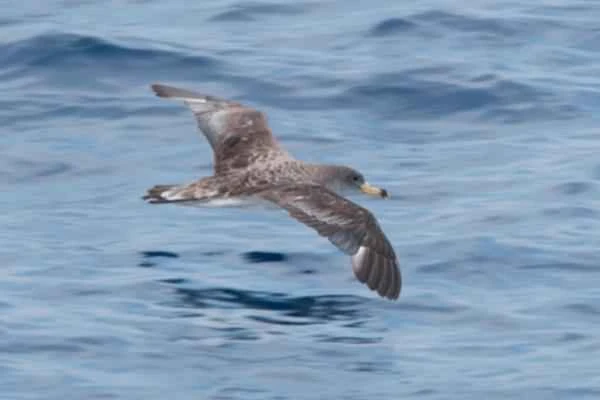
The Grey-billed Scissor-billed Gull is a relatively large bird, mainly distributed along the Mediterranean coast, migrating to West Africa in winter. It feeds on small fish, cephalopods, and crustaceans, and likes to follow fishing boats. Nests are typically built in island caves, and each clutch contains only one white egg.
3. Northern Gannet (Morus bassanus)
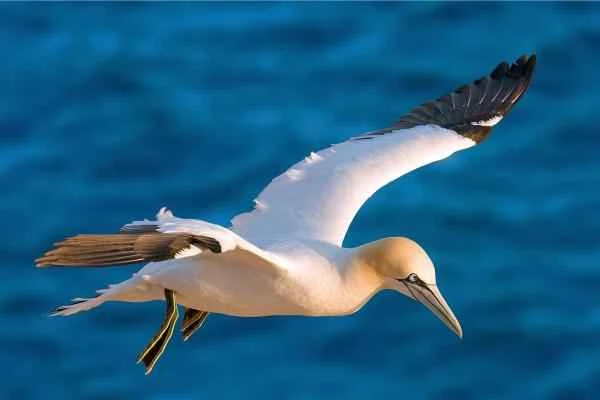
The Northern Gannet is a common large seabird in the Mediterranean winter, with white plumage and a yellow head. It is adept at swooping down from high altitudes to catch fish, and migrates back to its original nest each year to breed, laying only one egg.
4. Great Cormorant (Phalacrocorax carbo)
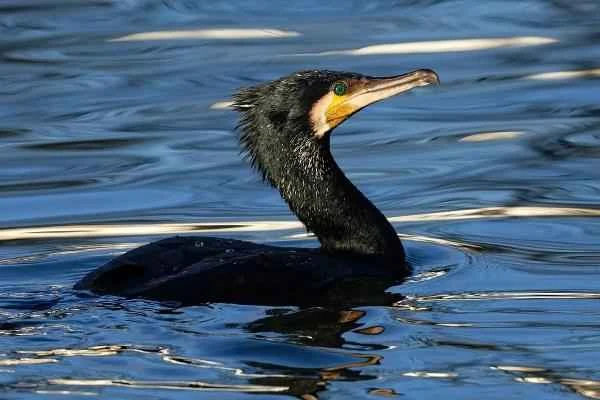
Great cormorants are winter visitors, with predominantly dark plumage and white faces and throats. Their long necks and sharp beaks are well-suited for catching fish. They often stand on rocks or tree trunks, spreading their wings to dry their feathers.
5. Crested Cormorant (Gulosus aristotelis)
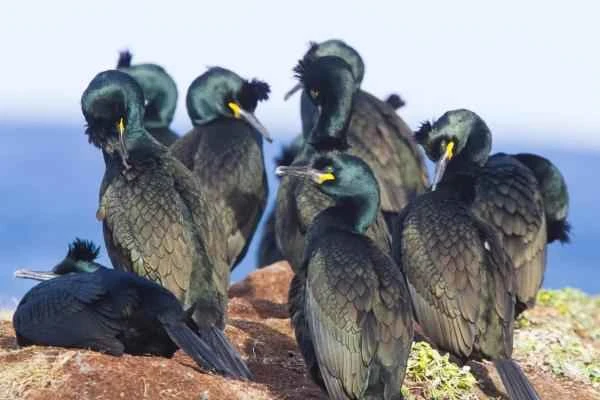
Crested cormorants are small and elegant, and are often found on steep rock faces and remote coastlines. Their population has declined significantly due to overfishing, pollution, and damage from fishing nets.
6. Larus audouinii

The Oldouan Gull is a rare gull species endemic to the Mediterranean. It prefers to breed on remote, quiet rocky islands and its main diet consists of pelagic fish and terrestrial and marine invertebrates. Its primary breeding grounds are in the Ebro River Delta.
7. Yellow-footed Gull (Larus michahellis)

The Yellow-legged Gull is the most widely distributed and numerous large gull species in the Mediterranean. It has a robust body, bright yellow legs, and is highly adaptable, found in everything from marshes and beaches to cities. It also has an extremely diverse diet.
8. Black-billed Crested Tern (Thalasseus sandvicensis)

The Black-billed Crested Tern is one of the most common terns in the Mediterranean, forming dense and noisy breeding flocks. They are adept at swooping down to catch fish from high altitudes and are typical migratory seabirds.
9. Common Auk (Alca torda)

The common puffin is covered in black and white feathers, with a white stripe across its face. It is mainly distributed in Northern Europe and the west coast of France and England, nesting on rocky cliffs along the cold sea coast in summer. They primarily feed on fish and are excellent divers.
10. Common White Merganser
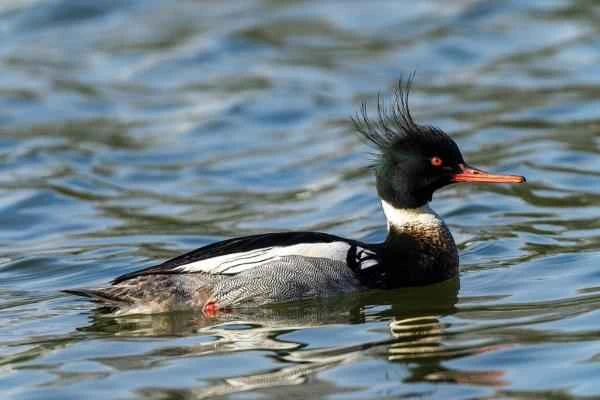
The Common Merganser is easily identifiable by its bushy crest, and there are clear differences between the sexes. They inhabit lush vegetation in mountainous areas, lakes, and coastal regions, and mainly feed on fish such as salmon, bass, and carp.
11. European petrel (Hydrobates pelagicus)

The European petrel is the smallest seabird in Europe, dark in color, and a swift and agile flyer. It mainly feeds on small crustaceans, cephalopods, and plankton, and usually nests on hidden rocks, laying only one egg per year.
12. Parasitic skuas (Stercorarius parasiticus)
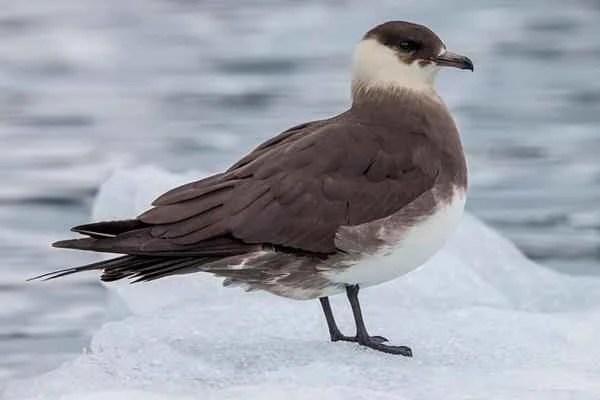
The parasitic skuas resemble gulls in size, with hooked beaks, and are migratory birds. They are known for preying on other seabirds and stealing their food. They are extremely aggressive during the breeding season and often nest in the Arctic tundra or grasslands.
Summarize
These 12 seabird species are key members of the Mediterranean ecosystem, showcasing the unique charm of Mediterranean biodiversity. Protecting these seabirds and their habitats is crucial for maintaining ecological balance.