Crocodiles are animals that evoke awe, fear, and curiosity in humans. Their large size and imposing appearance, especially their massive mouths filled with sharp teeth, make them one of the most iconic reptiles. Although they appear slow-moving, they are actually very dangerous predators, and every year, animals and even humans become their prey in their habitats.
In this article, we will guide children to learn about the main characteristics of crocodiles, their habits, hunting methods , and whether they are truly dangerous.
Basic characteristics of crocodiles
Scientific name and classification : Crocodiles belong to the order Crocodylia and are apex predators among reptiles. They belong to the "Archaeopteryx" family, which has existed on Earth for over 200 million years , making them older than dinosaurs.
Size : Crocodiles are huge, reaching up to 6 meters in length and weighing over 800 kilograms .
Skin : Their skin is tough and rough, covered with keratinous scales, which can protect them from external damage. However, this skin was once heavily hunted for commercial purposes, used to make leather goods (such as shoes, belts, handbags, etc.), which once brought crocodiles to the brink of extinction. Today, many countries have laws to protect crocodiles and prohibit illegal hunting.
Aquatic Adaptability : Crocodiles are perfectly suited to aquatic environments. The structure of their nostrils and throats prevents water from entering their lungs, allowing them to remain underwater for up to 6 hours and even hold their breath for two days when at rest.
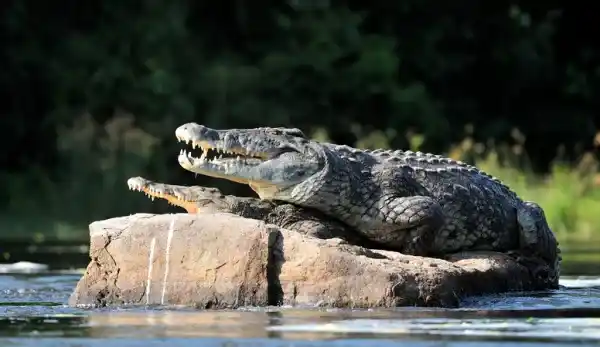
Thermoregulation : Crocodiles are cold-blooded animals and cannot generate heat through metabolism. They regulate their body temperature by basking in the sun or opening their mouths wide . Therefore, when people often see crocodiles basking in the sun with their mouths open, it does not mean that they are about to attack people.
Crocodile Habits: Behavior, Habitat and Diet
Limb structure : Crocodiles have four legs, with five toes on their forelimbs and four on their hind limbs. While their movements appear clumsy, often crawling, they are extremely agile swimmers in the water. Their thick, long tails help maintain balance and provide powerful propulsion while swimming.
Habitat :
Crocodiles live in tropical and subtropical regions and are commonly found in:They can survive in rivers, lakes, wetlands, mangroves, and even coastlines , and can freely switch between freshwater and saltwater environments.
North America (such as Florida)
Central America
Australia
Most of Africa
Some Asian countries
Food : Crocodiles are carnivorous and have a very wide range of diets.
Small food items: crabs, fish, birds, etc.
Large prey: antelope, zebra, buffalo, and even smaller animals like hippos and humans.
They also feed on carrion, making them important ecological "cleaners".
How Crocodiles Hunt
Crocodiles are ambush predators , known for their patience and stealth.
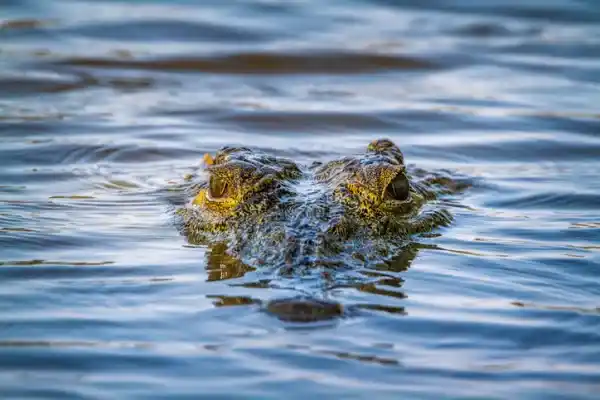
They lurk in the water, only their eyes and nostrils showing, and quietly approach animals drinking water at the riverbank.
When the prey lowers its guard, the crocodile will suddenly pounce and bite down with its powerful jaws.
Then, they drag their prey into the water and tear it apart using a "death roll" .
Because crocodiles' teeth are not suitable for chewing, they can only tear their prey into large pieces, swallow them directly, and then rely on stomach acid to digest them.
Interestingly, crocodiles have an adjustable metabolic rate :
Sufficient food intake → faster digestion
Food shortages slow down digestion, thus prolonging survival time.
Are crocodiles really dangerous?
Of the 23 known species of crocodiles , only about 6 are considered to pose a serious threat to humans.
The two most dangerous :
The Nile crocodile (Crocodylus niloticus) – the largest crocodile in Africa, causes hundreds of human deaths every year.
Saltwater crocodile (Crocodylus porosus) – the world's largest crocodile, found in Australia, Southeast Asia, and the Indian Ocean.
Dangerous species in the Americas :
Alligators – primarily found in Florida, USA.
Caiman – primarily found in South America.
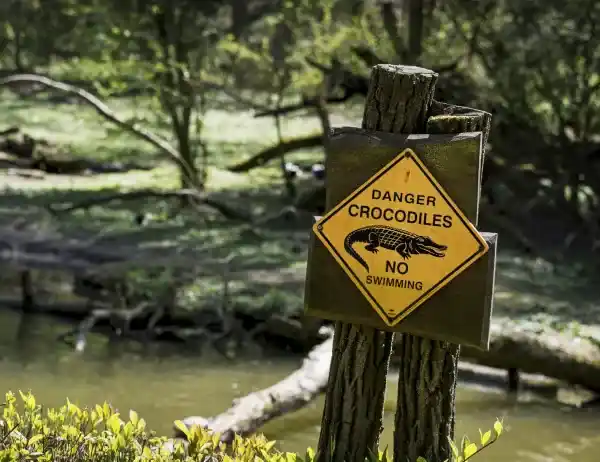
According to statistics, nearly a thousand people worldwide die each year from crocodile attacks . This makes crocodiles considered one of the most dangerous wild reptiles.
Summarize
Crocodiles are among the oldest and most powerful reptiles on Earth, possessing remarkable adaptability and hunting skills . They play a vital role in ecosystems, serving not only as apex predators but also helping to maintain the balance of the food chain.
However, crocodiles are facing threats in some areas due to illegal hunting, habitat destruction , and commercial demand for their leather. Understanding crocodiles and respecting their habitats is a crucial step towards harmonious coexistence between humans and nature.