Globally, numerous species face extinction, with Asia being one of the most critical regions. Many animals here are teetering on the brink of extinction due to illegal hunting and trade (both live and in parts) and habitat destruction . Furthermore, factors such as climate change, pollution, and tourism development are accelerating this process.
Human activities are inextricably linked to the fate of these animals. We need to be more acutely aware of the serious consequences of our actions in order to take measures to protect them. This article will list some of Asia's most endangered animals , with a special focus on the current status of the giant panda.

1. Red Panda (Ailurus fulgens)
The red panda, also known as the red panda, is far less famous than the giant panda, but it is one of the most endangered mammals in Asia . It is small in size, resembles a raccoon in appearance, and has reddish-brown fur.
Distribution : Mainly found in the high-altitude forests of southwestern China, the Himalayas, and northern Myanmar.
Current status : It is currently listed as "Endangered" and its population is declining.
Threats : Deforestation, habitat fragmentation, poaching (for fur), and conflict with human activities.
Further Reading: Why is the red panda heading towards extinction?
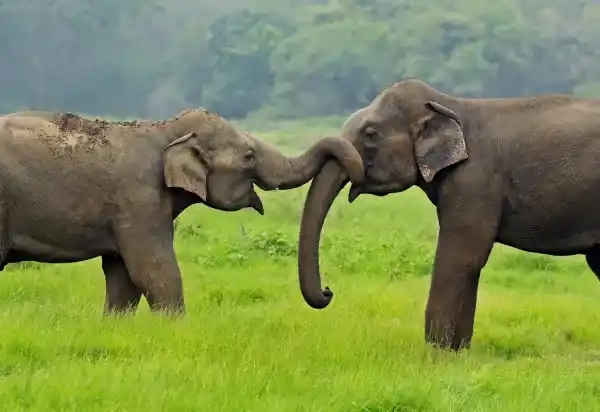
2. Asian elephant (Elephas maximus)
Asian elephants are the largest land animals in Asia. Slightly smaller than African elephants, they have played an important role in human civilization—used in agriculture, logging, warfare, circuses, and tourism.
Distribution : Mainly distributed in India, Sri Lanka, Thailand, Myanmar, Laos and Cambodia.
threaten :
Overexploitation and capture: Many wild individuals are illegally captured for performances or as exhibits in private zoos.
Habitat destruction: Rapid urbanization and agricultural expansion have deprived elephant herds of their habitat.
Ivory trade: Illegal hunting continues despite legal prohibition.
Currently, Asian elephants are listed as an "endangered species".
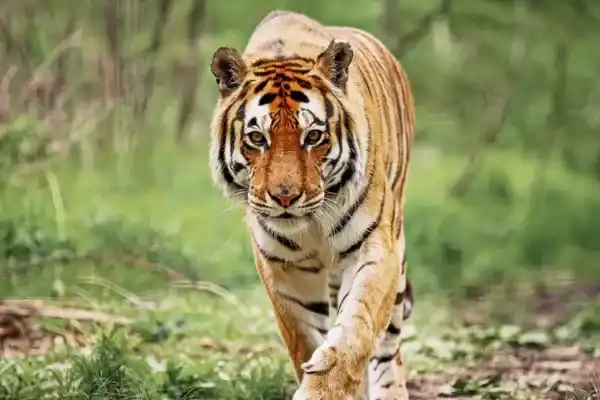
3. Bengal tiger (Panthera tigris tigris)
The Bengal tiger is one of the world's most iconic tiger subspecies. Despite measures taken by governments and conservation organizations, its numbers continue to decline.
threaten :
Illegal poaching (tiger skins and bones are often traded on the black market).
Habitat loss and fragmentation.
Overexploitation of the tourism industry.
Current situation : The wild population is less than 3,000 individuals.
Reminder: Avoiding tourism activities such as "taking photos with tigers" and "watching tiger performances" is an important step in protecting tigers.
4. Snow leopard (Panthera uncia)
The snow leopard, known as the "ghost of the snow mountain," is a large feline that lives in the Himalayas and the high mountains of Central Asia.
Features : Thick, dense fur with black spots on a grayish-white base, making it highly aesthetically pleasing.
threaten :
Climate change is causing degradation of alpine ecosystems.
Poaching (fur is extremely expensive on the black market).
The expansion of livestock farming has led to conflicts between humans and wild animals.
Current situation : The number of wild snow leopards is less than 5,000, and it is decreasing every year.
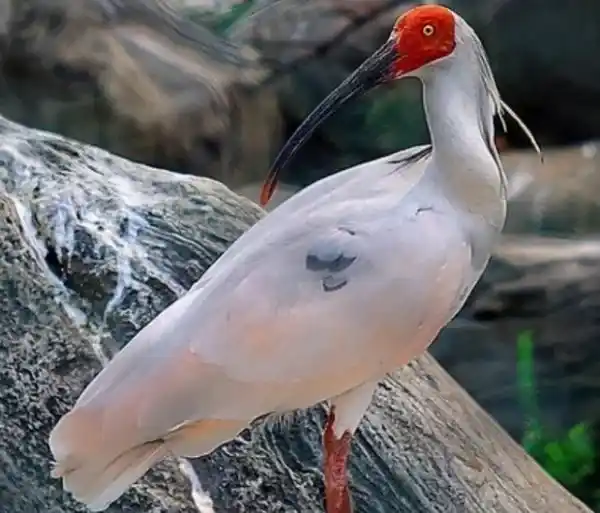
5. Crested Ibis (Nipponia nippon)
The crested ibis, also known as the Japanese ibis or the Oriental white ibis, was once widely distributed in China, Russia, South Korea, and Japan, but is now nearly extinct.
Current situation : It can only be seen in a few areas of Japan and in protected areas established in Yangxian County, Shaanxi Province, China.
Conservation progress : Artificial breeding projects have achieved some success, and the numbers have rebounded somewhat, but the animals are still in a highly endangered state.
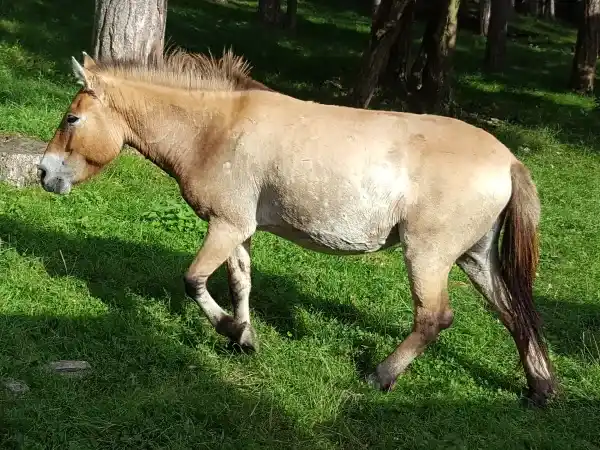
6. Przewalski's horse (Equus ferus przewalskii)
This is currently the only truly wild horse breed still existing in the world; all other so-called "wild horses" are derived from domesticated horses that have been rewilded.
Distribution : Mongolian grasslands and parts of China.
History : It nearly went extinct in the 20th century and survived only thanks to a few captive individuals.
Current situation : Through artificial release, some populations have recovered, but they are still at high risk.
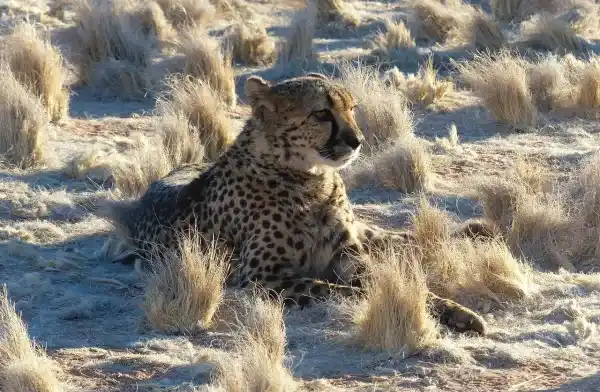
7. Asian Cheetah (Acinonyx jubatus venaticus)
Most people know that cheetahs live in Africa, but few know that cheetahs also live in Asia .
Distribution : It now exists only in a very small desert area within Iran.
Current status : Fewer than 50 individuals remain in the wild, making it one of the most endangered large cat species in the world.
Threats : poaching, low survival rate of young, habitat conversion to farmland and construction land.
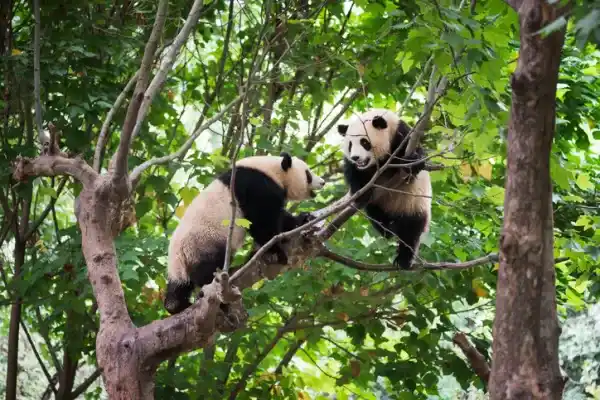
8. Giant Panda (Ailuropoda melanoleuca)
Giant pandas are a symbol of China and even the whole of Asia. They were long listed as "endangered," but thanks to effective conservation measures, their population has rebounded.
Current status : The International Union for Conservation of Nature (IUCN) has revised its status to "Vulnerable," meaning it is no longer the most urgently endangered species, but still requires continued protection.
Protection measures include: establishment of nature reserves, restoration of bamboo forest habitats, and artificial breeding programs.
Summarize
Asia boasts rich biodiversity, yet it faces unprecedented threats. From red pandas to snow leopards, from Asian elephants to Asian cheetahs , the survival crises of these animals are all closely related to human activities.
What can we do?
Resist the illegal trade in wildlife products.
Support wildlife conservation organizations.
Choose responsible travel.
Pay attention to environmental protection and reduce excessive exploitation of nature.
Protecting these species is not only about protecting the species themselves, but also about safeguarding the entire ecosystem and the future of humanity.