Scientific research estimates that there are approximately 7.77 million animal species on Earth. This is a staggering number, but unfortunately, excessive human intervention and destruction of natural habitats are driving more and more species to extinction, especially in regions like the Amazon basin, which are considered vital resource treasures.
This article will take you deeper into the endangered animals of the Amazon region , the threats they face, and the conservation measures we can take.
What is Amazon, and where is it located?
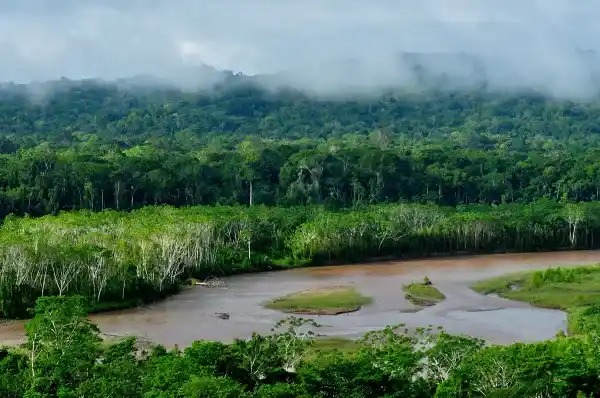
The Amazon (Amazonía) is the largest tropical rainforest region on Earth, and its name comes from the Amazon River.
The Amazon River originates in the Arequipa region of Peru, flows through Colombia and Brazil, and eventually empties into the Atlantic Ocean.
Length and volume : At 7,062 kilometers long, it is the world's longest and largest river in terms of flow, accounting for about one-fifth of the Earth's total liquid freshwater.
Origin of the name : In the 16th century, the Spanish explorer Francisco de Orellana was attacked by a tribe of female warriors during his expedition. This reminded him of the "Amazonian warriors" in Greek mythology, so he named the river "Amazon".
The Amazon is not only the world's largest rainforest, but also one of the most biodiverse regions.
The main reasons for the endangerment of Amazonian animals
The largest part of the Amazon is located in Brazil, a country that has long faced the serious problems of deforestation and degradation .
The rate of forest loss is alarming : since 1970, the area of forest lost in Brazil has exceeded the land area of France.
main reason :
Agricultural expansion : Large areas of rainforest are being cleared for soybean cultivation and livestock ranching.
Industrial logging : A large portion of this is illegal and often involves burning forest land to clear areas.
Hydropower projects : Dams built within a river basin alter the river's ecosystem.
Other threats include climate change, mining, pollution, and frequent forest fires.
These factors combined have led to the gradual disappearance of rainforest habitats, and many animals that depend on forests are rapidly declining.
Amazonian animal diversity and endangered species
The Amazon is one of the richest ecological treasure troves on Earth, home to approximately 643 recorded vertebrate species :
Birds : 326 species
Fish : 185 species
Mammals : 67 species
Amphibians : 37 species
Reptiles : 28 species
Many of these species are endemic to the Amazon , such as: sloths, golden lion tamarins, spider monkeys, electric eels, bullet ants, poison dart frogs, green anacondas, black caimans, glass frogs, and Jesus lizards.
However, deforestation, poaching, pollution, climate change, and the illegal animal trade are driving these unique creatures to the brink of extinction. Birds and reptiles, in particular, that inhabit the canopy are rapidly declining in numbers as forests disappear.
Representative endangered animals of the Amazon
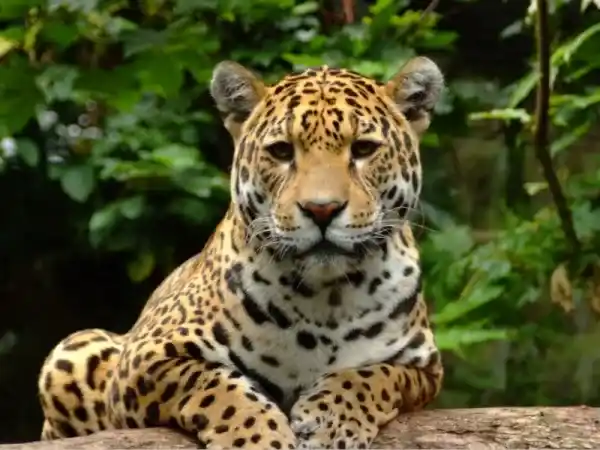
Jaguar ( Panthera onca )
The largest cat in the Americas and the third largest in the world, after the lion and the tiger.
Key threats include: deforestation leading to habitat fragmentation, increased competition for food, and poaching.
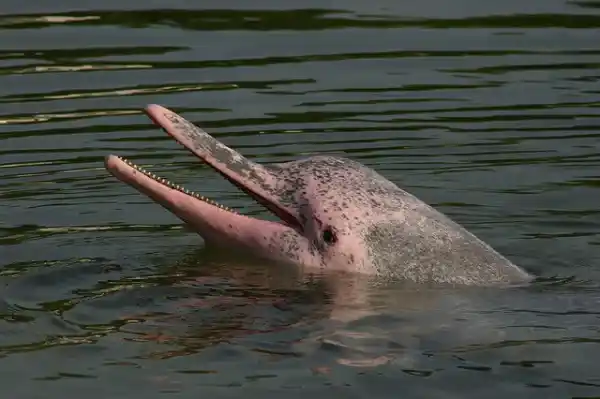
Amazon pink river dolphin ( Inia geoffrensis )
The world's largest freshwater dolphin.
They inhabit shallow rivers and feed on fish.
Threats: Habitat degradation, river blockage of migration, overfishing, and hunting in some areas.
Giant Otter ( Pteronura brasiliensis )
A large aquatic carnivorous mammal whose main food is fish.
They inhabit freshwater rivers, streams, and lakes.
Threats: poaching (for fur), water pollution, and habitat destruction.
Caribbean manatee ( Trichechus manatus )
They inhabit shallow waters and feed on seagrass and aquatic plants.
Threats: Hunting, ship collisions, habitat loss.
Their extremely low reproduction rate makes population recovery even more difficult.
How can we help protect endangered animals in the Amazon?
Currently, several measures are being implemented with the goal of protecting ecosystems and reducing damage :
Zero logging law (Ley de Deforestación Cero) : Strictly prohibits illegal logging.
Timber import control : Strengthen legal supervision and restrict illegal timber trade.
Partnering with Indigenous communities : Supporting local residents and Indigenous people’s conservation efforts and increasing their participation.
We as individuals can also contribute:
Avoid purchasing products associated with rainforest destruction (such as illegal timber and certain agricultural products).
Support environmental organizations and conservation projects.
When traveling in the Amazon, choose sustainable tourism over destructive activities.
Summarize
The Amazon is one of the most important ecological treasures on Earth, nurturing countless unique species. However, due to deforestation, climate change, and human activities, animals such as jaguars, pink river dolphins, giant otters, and manatees are facing extinction.
Protecting the Amazon is not just about saving a single species; it's about safeguarding the global climate, ecosystems, and the future of humanity. Each of our choices can contribute to protecting the Amazon's biodiversity.