The Capibala is a unique and fascinating animal, renowned for its friendly, quiet, and social nature. As the world's largest rodent, the Capibala not only plays a vital ecological role but has also won the hearts of many animal lovers with its endearing appearance and amusing behavior. In this article, we will delve into the Capibala, from its habits and relationship with the ecosystem to why it has become a focus of attention.
What is Kapibala?
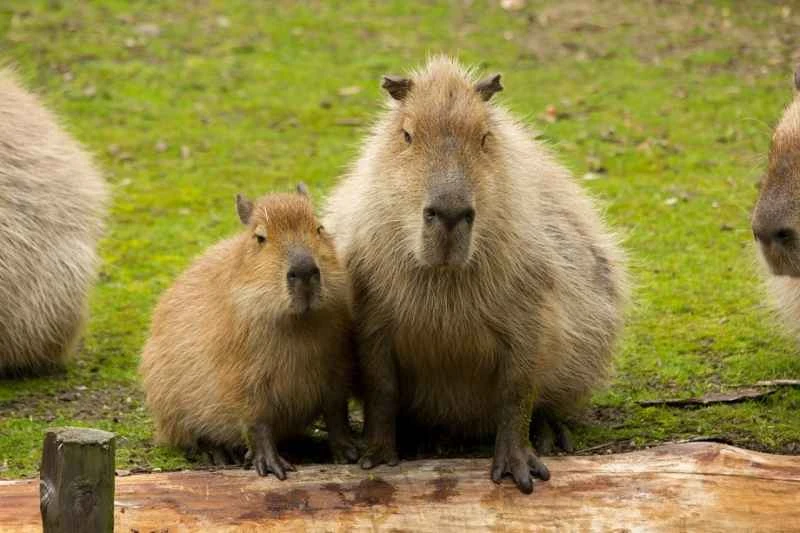
Capybaras ( Hydrochoerus hydrochaeris ), also known as water capybaras, are large, semi-aquatic rodents that primarily inhabit wetlands, rivers, and lakes in South America. The name Capybara originates from an indigenous language and means "herbivore." They are highly social animals and often live in groups.
Kapibala's physical characteristics
Size : Capibara is the largest rodent in the world. Adult individuals typically weigh between 35 and 66 kilograms and can reach a length of 1.2 meters.
Coat color : Their fur is relatively coarse, and the color ranges from brownish-yellow to reddish-brown, allowing them to blend well into their natural environment.
Limbs : Kapibala has short but powerful limbs. Its forelimbs have four toes and its hind limbs have three toes. The toes are webbed, which makes it easier for them to swim in the water.
Head features : Capibala have a large head with their eyes, ears and nostrils located on the top of their head, allowing them to remain alert even when most of their body is submerged in water.
Kapibala's lifestyle
Habitat
Capibala primarily inhabit the tropical rainforests and grasslands of South America, particularly favoring locations near water sources. They are semi-aquatic animals, making water an indispensable part of their lives.
Water dependence : Kapibala typically inhabit areas near rivers, lakes, swamps, and wetlands, where water not only provides them with drinking water but also shelter from predators.
Areas with abundant vegetation : Kapibala need a lot of grass and aquatic plants for food, so they prefer areas with dense vegetation.
social behavior
Kapibala are known for their highly social behavior, and they typically live in groups of 5 to 30 individuals, sometimes reaching up to 100.
Group structure : A Kapibala group typically consists of a dominant male, several females and their offspring.
Mutual care : Members of a Kapibala group groom each other to strengthen social bonds and reduce parasites.
Vigilant cooperation : There is a clear division of labor within the group, with some members responsible for feeding and others remaining vigilant to guard against attacks from predators.
Daily activities
Kapibals are most active at dawn and dusk, and they usually rest in the shade or soak in the water during the hot days of the day.
Foraging behavior : Kapibala is a herbivore that mainly feeds on grass, aquatic plants, tree bark, and fruit.
Aquatic activities : They like to swim or soak in water, which not only helps them regulate their body temperature but also helps them avoid insect bites.
Ecological role of Kapibala
As a herbivore
Capibala are key herbivores in the ecosystem, playing a vital role in maintaining vegetation balance.
Controlling grassland growth : By consuming large amounts of herbaceous plants, Kapibala helps control the growth rate of plants and prevents vegetation from becoming overgrown.
Facilitating seed dispersal : Kapibala inadvertently disperses its seeds to different areas while foraging, contributing to the spread and diversity of the plant.
Food sources for predators
Although Kapibala are large, they remain an important food source for many predators.
Main predators : Jaguars, caimans, and pythons are the main natural enemies of Kapibala.
The role of the food chain : As a medium-sized herbivore, Kapibala plays an important role in the food chain, connecting vegetation and large predators.
Why is Kapibala so popular?
Gentle personality
Kapibals are known for their gentle and friendly nature, and they generally show a high degree of tolerance towards other animals and humans.
Interactions with other species : Kapibala are often seen living with birds, monkeys and even crocodiles, and their social nature makes them harmonizers in the ecosystem.
Suitable as a pet : In some countries, Kapibala are kept as pets, but they need to be provided with a suitable environment and diet.
The impact of social media
In recent years, Kapibala has gained widespread attention on social media for his adorable appearance and unique behavior.
Kapibala and Hot Springs : Images of Kapibala in Japanese hot springs have gone viral online, significantly increasing the animal's popularity.
Kapibala emojis : Their leisurely lifestyle and gentle expressions have been made into various emojis, which are loved by young people.
How to protect Kapibala?
Although Kapibala is not currently listed as an endangered species, habitat loss and overhunting pose a threat to its population.
Habitat protection
Wetland conservation : The wetland ecosystems on which Kapibala depends are facing serious threats from human activities, and protecting wetlands is key to protecting Kapibala.
Reduce pollution : Reduce water pollution and ensure the safety of Kapibala's water sources.
Legal protection
Hunting bans : Many countries have enacted laws prohibiting the illegal hunting of Kapibala.
Education and awareness campaigns : Raise public awareness of the importance of Kapibala and encourage community participation in conservation activities.
Kapibala's connection to culture
Its place in local culture
Capibala is considered an important food source in many indigenous cultures of South America, and it is also imbued with symbolic meaning.
Festive food : In some regions, Kapibala meat is considered a traditional delicacy.
Symbolic meaning : Due to its close association with water, Kapibala is often considered a symbol of rain and harvest.
Image in popular culture
Animation and Picture Books : The image of Kapibala frequently appears in children's picture books and animations, conveying themes of warmth and friendship.
Documentary : In many nature documentaries, Kapibala is portrayed as a symbol of peace and social interaction.
Summarize
Kapibala are fascinating animals whose unique appearance, friendly nature, and important ecological role make them a focus of attention. Whether learning about their habits or appreciating their role in the ecosystem, Kapibala offer a deeper understanding of the complexities of nature.
By protecting wetlands, reducing human disturbance to their habitats, and raising public awareness, we can all contribute to the future of Kapibala. Hopefully, this article will not only introduce you to Kapibala but also inspire your passion for protecting these adorable creatures.