When you think of snakes, do you immediately picture long, enormous pythons or cobras? But snakes aren't all imposing giants. In nature, there are also tiny snakes so small they can barely make a circle on your finger! Today, let's talk about the "world's smallest snakes"—these 10 little guys are both mysterious and adorable, unique in the diversity of snakes.
1. Barbados Threadsnake
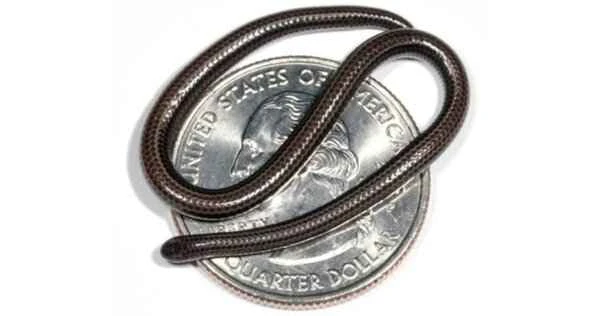
Among the world's smallest snakes, the Barbados blind snake is undoubtedly the champion. This snake is mainly found on the island of Barbados in the Caribbean, and adults are only about 10 centimeters long, like a small noodle!
The Barbados blind snake prefers to live in the soil and feeds on ants and termites. Its eyes are so degenerated that it is almost blind, truly deserving the name "blind snake." Despite its unassuming appearance, it is a vital "hero" in controlling insect populations within the local ecosystem.
2. Borneo Blind Snake
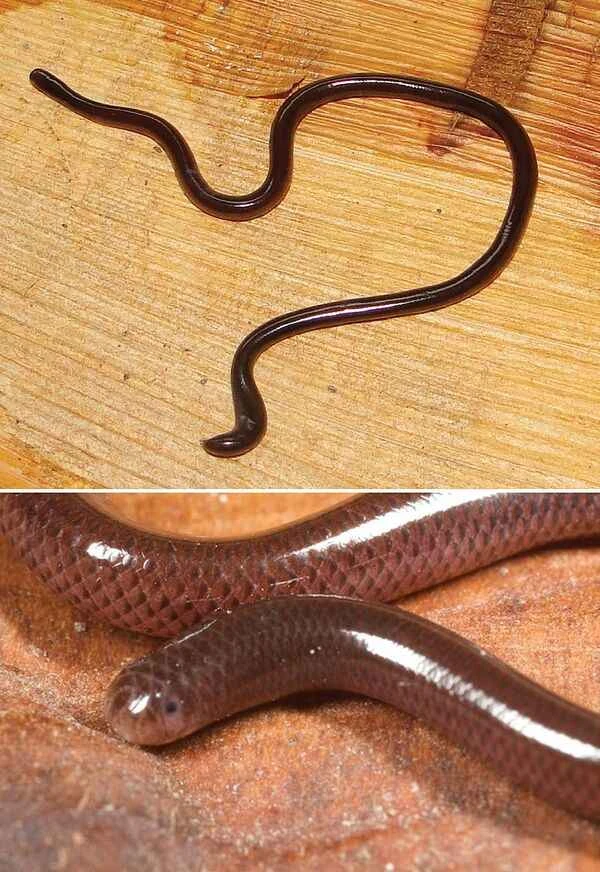
The Bornean blind snake, also known as the "flowerpot snake" because it often hides in flowerpot soil and is transported around the world along with plants. They are typically only 10 to 15 centimeters long, look very similar to earthworms, and have a smooth, shiny surface.
This snake is one of the parthenogenetic species, meaning it can reproduce without a male. This unique reproductive method makes them one of the most widely distributed dwarf snakes in the world, found in warm regions of Asia, Africa, the Americas, and Australia.
3. Variegated Snail-Eater
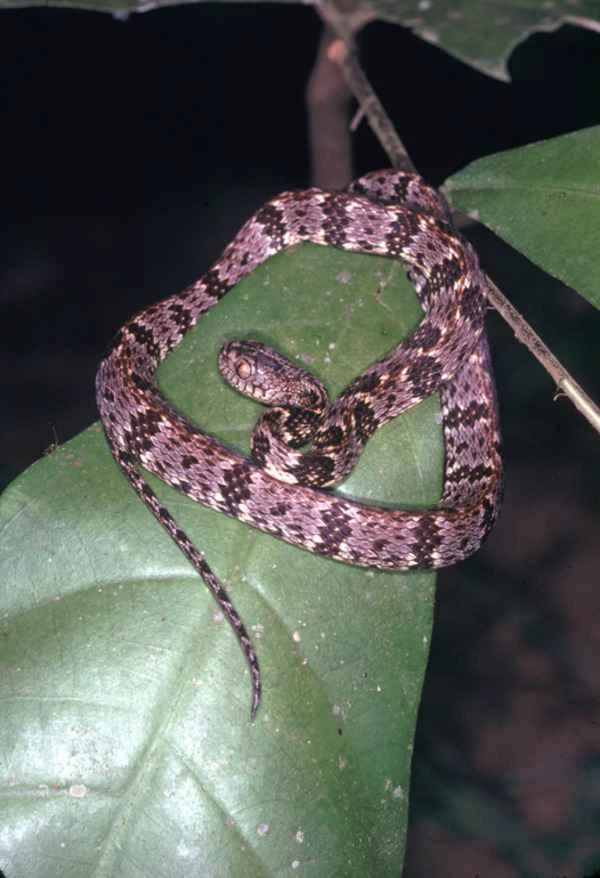
As its name suggests, the striped snail-eating snake feeds on snails and is a miniature snake found in Central and South America. Although they can reach a length of about 25 centimeters , their bodies are extremely slender, making them appear even smaller than they actually are.
These snakes are adept at using their nimble little mouths to pull snails out of their shells and "enjoy" them. For gardening enthusiasts, they are natural "pest cleaners."
4. Texas Blind Snake
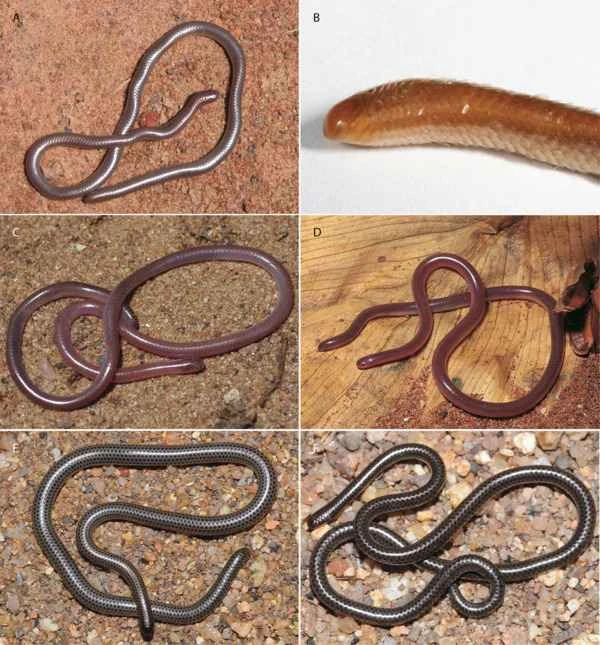
Texas blind snakes are mainly distributed in the southern United States and Mexico, and adults typically only reach 7 to 15 centimeters in length. They have a smooth, pinkish appearance and look similar to earthworms.
This snake lives underground and feeds mainly on termites and ants. Because they are so adept at hiding, seeing one in its natural environment is truly a stroke of luck!
5. Flat-headed Snake
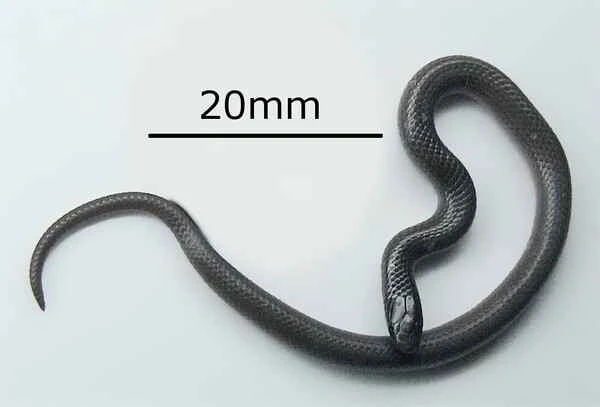
The flathead snake is one of the smallest snakes in North America, typically measuring 15 to 20 centimeters in length. It gets its name from its flat head, and its light pinkish-brown color makes it ideal for hiding among soil and fallen leaves.
The flat-headed snake's main food is centipedes and other small invertebrates. Although small in size, they play an important predatory role in the ecosystem.
6. Peter's Threadsnake
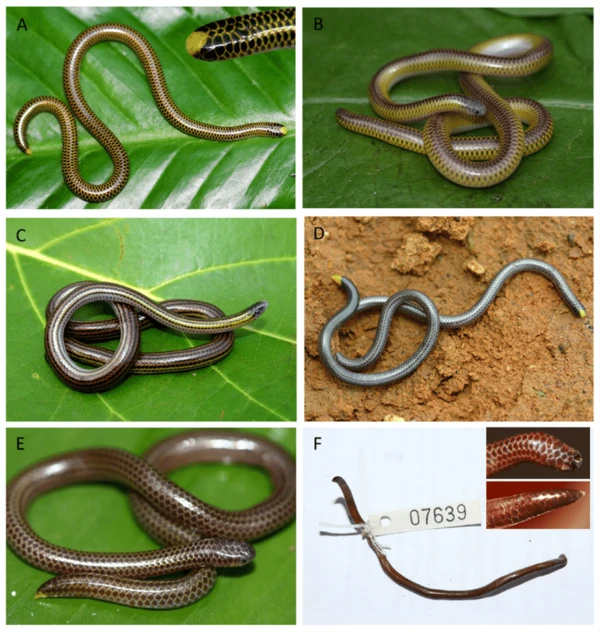
The Peter blind snake and the Barbados blind snake are related, both found in parts of Africa, and are about 10 to 12 centimeters long. They are also blind snakes, with their eyes so degenerated that they are almost blind.
This snake primarily feeds on ants and termites and prefers to live in soft soil. As a member of the "world's smallest snake" family, the Peter's blind snake has adapted to the challenges of underground life.
7. Lined Snake
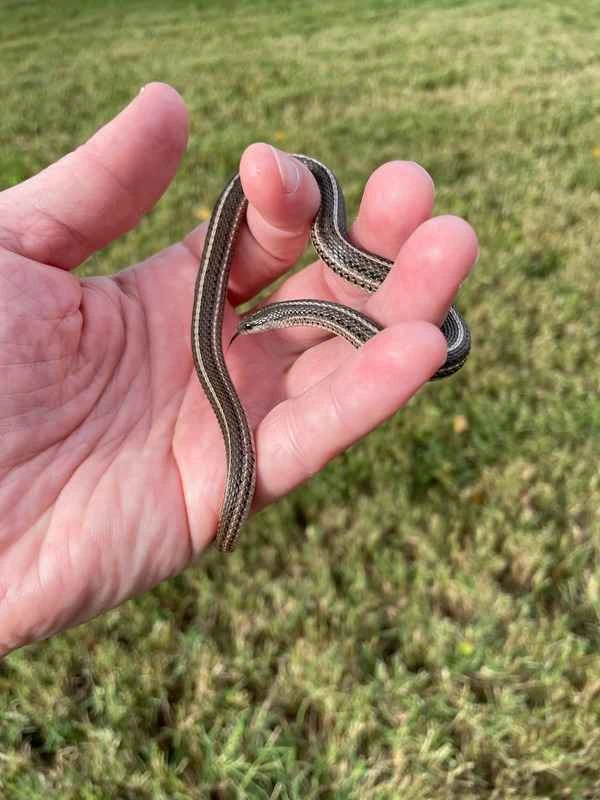
The striped snake is a small, non-venomous snake primarily found in the grasslands of the United States. Adults are about 20 to 30 centimeters long, with a slender body and light-colored stripes on their backs, making them very easy to identify.
They prefer to live in soft soil and mainly prey on earthworms. This snake is completely harmless to humans and is actually very helpful in maintaining soil health.
8. Ringneck Snake
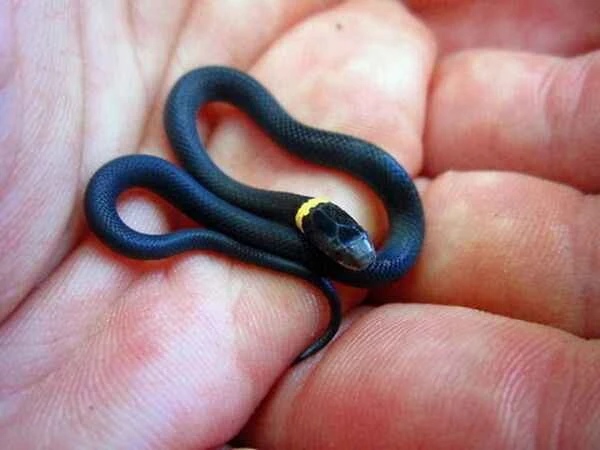
Collared snakes get their name from the orange or yellow "necklace" around their necks, and they typically measure 25 to 35 centimeters in length. They have slender bodies and black or gray backs, making them look both small and elegant.
This snake is widely distributed in North America and prefers moist forest and grassland environments. It feeds on amphibians and insects and is a very active small snake.
9. Malagasy Blind Snake
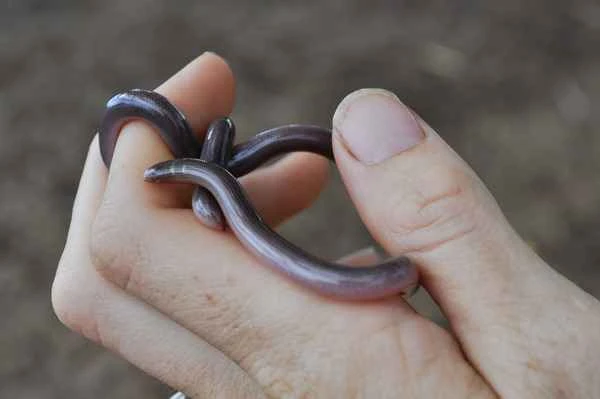
As its name suggests, this blind snake is found in Madagascar and is one of the smallest snakes in the world, measuring only about 15 centimeters in length. Like other blind snakes, they live underground and feed mainly on ants and termites.
The discovery of the blind snake in Madagascar once again demonstrates the diversity of snakes, proving that even the "world's smallest snake" has its own way of surviving.
10. Short-Headed Garter Snake
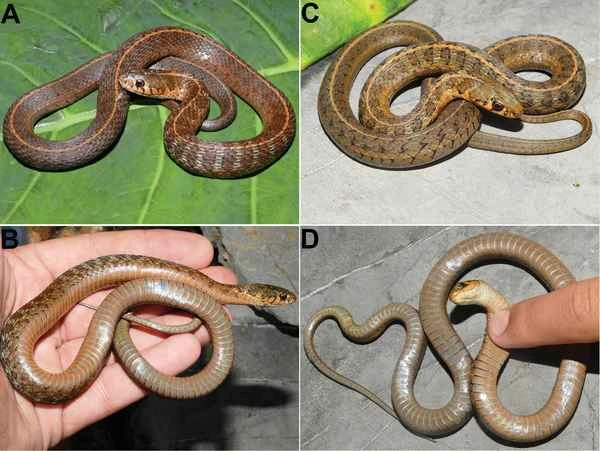
The short-headed cobra is a miniature member of the cobra family, measuring approximately 20 to 30 centimeters in length. They have slender bodies and slightly short, rounded heads, and are found in parts of the United States.
This snake feeds on amphibians and invertebrates, is docile, and poses no threat to humans. Although small in size, its contribution to the ecosystem is significant.
The "Big Role" of a Small Snake
Although the "world's smallest snakes" are not as large as those majestic giant snakes, they play an important role in the ecosystem. For example:
Controlling pest populations : Many miniature snakes feed on ants, termites, and snails, helping to maintain ecological balance.
Soil health guardians : Small snakes such as blind snakes indirectly promote plant growth by digging burrows and loosening the soil.
A link in the food chain : Miniature snakes are also a food source for many birds and mammals.
Conclusion
From the Barbados blind snake to the short-headed snake, these "world's smallest snakes" showcase the wonder and diversity of nature. Though small, they are full of adaptability and unique charm, making them an indispensable part of our understanding of the snake world.
The next time someone mentions snakes, tell them that bigger snakes aren't necessarily scarier. These mini snakes are both fun and beneficial to the ecosystem, and they definitely deserve our renewed attention!