While humans demonstrate remarkable endurance in nature, theoretically, some animals possess endurance limits far exceeding ours. Which animals do you think have exceptional endurance? Below, I've compiled a list of 10 animals with the greatest endurance in the world, including swifts, hummingbirds, pronghorn antelopes, sled dogs, horses, ostriches, and camels. Let's take a look at their endurance performances.
1. Swift (flying continuously for 10 months)

Swifts are undoubtedly considered among the most enduring animals. These birds can fly continuously, landing only when necessary, such as to lay eggs or when they are bored. What makes them remarkable is their incredible speed and their tendency to constantly circle and soar, rarely touching the ground or vegetation. During flight, swifts can eat, drink, bathe, and even mate. These birds can fly continuously for up to 10 months, covering distances of up to 500,000 kilometers. It's also worth noting that they can sleep in flight, as only half of their brain remains asleep while the other half stays awake. Overall, swifts are considered one of the fastest and most enduring animals.
2. Hummingbirds (with the highest metabolic rate among vertebrates)
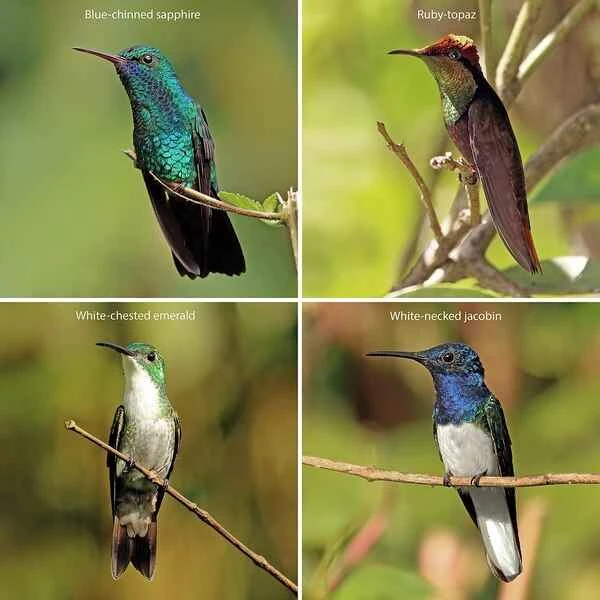
Hummingbirds are among the most endurance-oriented animals. They are renowned for their wingbeats, being one of the fastest-flapping birds in the world, averaging 50 flaps per second; some species can even reach 200 flaps per second. Hummingbirds possess incredibly flexible wings, propelling their bodies forward with both upward and downward flaps—a significant difference from other birds. They are the only birds capable of sustained hovering and inverted flight, thanks to their unique metabolic adaptations to meet their energy demands. Hovering is one of the most energy-intensive forms of locomotion, but hummingbirds possess the highest metabolic rate among vertebrates, enabling them to achieve this astonishing flight capability.
3. Pronghorn (the animal best known for its endurance running)
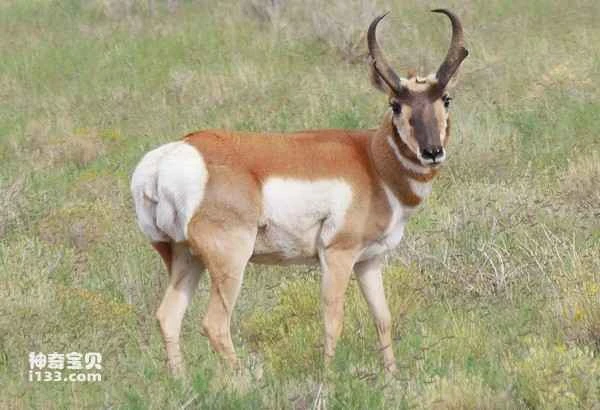
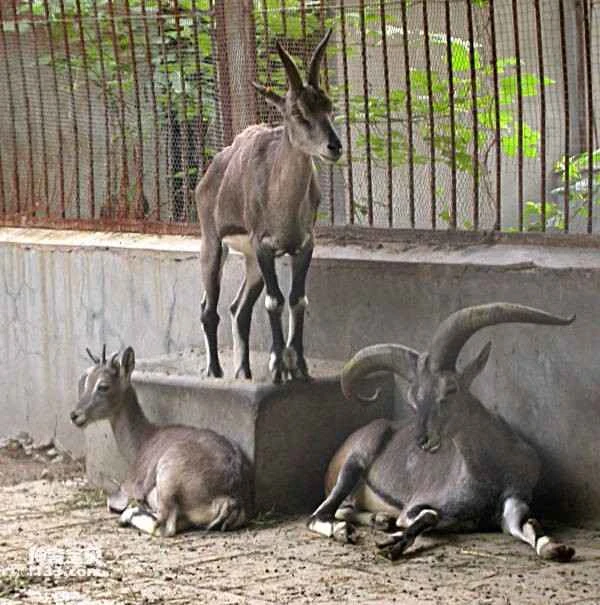
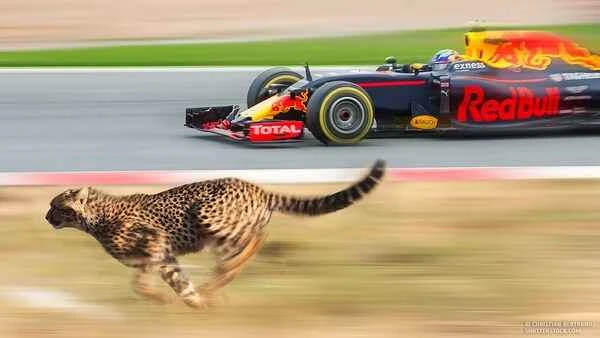
Ungulate animals are among the most capable long-distance runners, with the pronghorn exhibiting particularly remarkable endurance. These animals are close to cheetahs in speed, but excel at long-distance running, renowned for their high-speed endurance and leaps of up to 6 meters. Even a four-day-old pronghorn calf can run faster than a human, reaching speeds of up to 95 kilometers per hour, and possesses astonishing stamina. They can maintain speeds of 80 to 90 kilometers per hour for up to 11 kilometers, far exceeding the running speed of any extant carnivore, thus earning them the reputation as one of the most capable long-distance endurance runners on Earth.
4. Sled dogs (for running with heavy loads in extremely cold conditions)
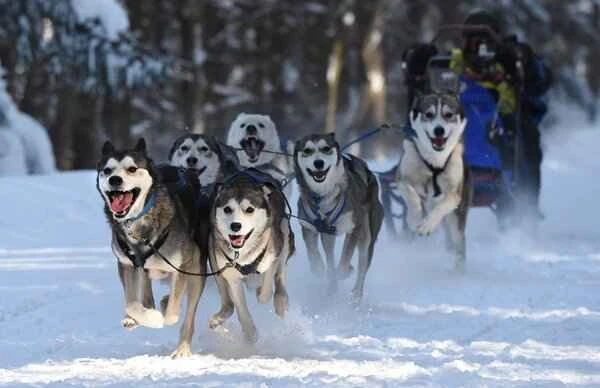
Dogs also rank highly in animal endurance rankings, being excellent long-distance runners. Compared to humans, dogs prefer long-distance running, possessing superior endurance and speed. Dogs can complete long distances at high speeds for extended periods. Their muscles and respiratory systems are better adapted to prolonged jogging. Sled dogs, in particular, excel. They can run with heavy loads in extremely cold environments; for example, in sled rallies near the Arctic, dozens of Samoyeds can pull hundreds of kilograms of cargo for extended periods in temperatures as low as -40°C, resting only for a few hours each day.
5. Horse (excels in endurance running)
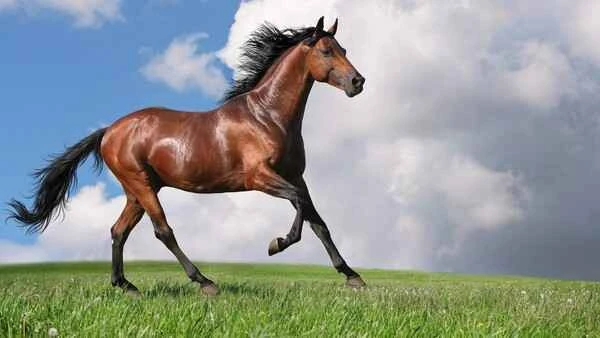
When it comes to animals with exceptional endurance, the horse is undoubtedly the top choice for many. Historically, horses were the mainstay of transportation, possessing strong physiques and well-developed muscles, giving them unique advantages in speed and strength. They excel in long journeys and prolonged labor, making them one of the most adept at endurance running. Their speeds can reach between 20 and 60 kilometers per hour. Throughout history, whether in trade or military campaigns, horses have demonstrated remarkable endurance and reliability. Furthermore, horses possess a powerful cardiovascular system that rapidly delivers large amounts of oxygen, making them less prone to fatigue during long runs.
6. Ostrich (the long-distance running champion on land)
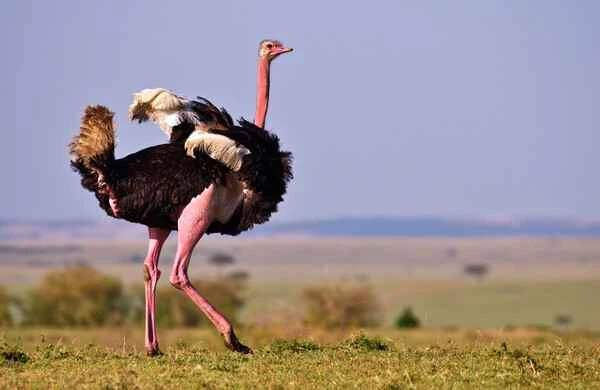
When it comes to endurance athletes among animals, ostriches are undoubtedly among them. Although they cannot fly using their vestigial wings, they can run at speeds up to 72 kilometers per hour. In the desert, ostriches demonstrate astonishing running ability, with each stride reaching 3.5 meters and continuous running speeds of up to 50 kilometers per hour, capable of running for more than 5 minutes. During a sprint, their speed can exceed 70 kilometers per hour, while also being able to leap over obstacles 5 meters high. Even when carrying a load of about 250 to 300 kilograms, ostriches can easily maintain a stable speed of 60 kilometers per hour, and even on the hot plains of Africa, they can maintain a speed of 50 kilometers per hour for several hours without stopping.
7. Camel (ship of the desert)
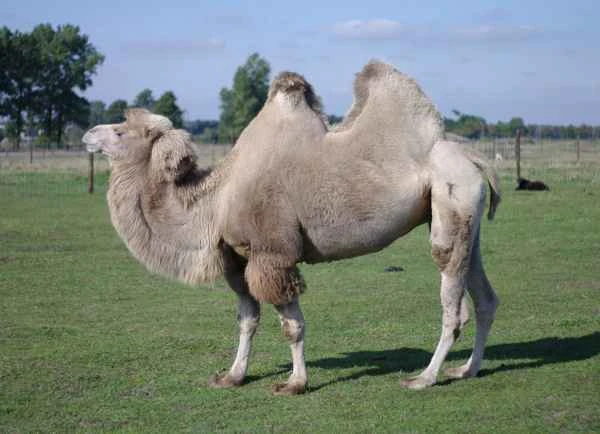
Camels play a vital role in the desert, hailed as ships traversing the desert sea, and are known as "ships of the desert" for their remarkable survival abilities. Desert regions have sparse vegetation and scarce grazing resources, yet camels tenaciously survive thanks to their exceptional resilience against hunger. Even after days and nights without grass, they remain active and can continue carrying heavy loads. Camels are adapted to the extreme desert climate, coping well with both high temperatures and frigid temperatures. Even in temperatures as high as 40 degrees Celsius, they can still carry loads weighing up to 300 kilograms and trek dozens of kilometers without difficulty. Although camels can only travel at a speed of 16 kilometers per hour, they can maintain this pace for 16 hours continuously, demonstrating remarkable endurance.
8. Wild donkey (strong physique and endurance)
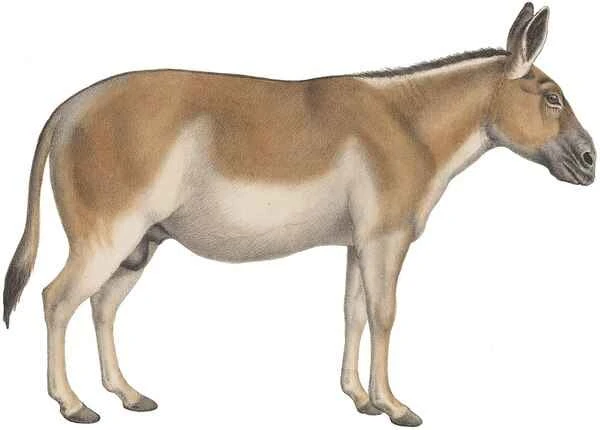
Donkeys are renowned for their incredible endurance, able to withstand both extreme cold and heat, as well as remarkable resistance to hunger and thirst, along with keen eyesight, hearing, and smell. Among all donkey species, the Tibetan wild ass is particularly remarkable. While similar in size and running speed to wild horses, the Tibetan wild ass's endurance far surpasses that of wild horses. They can reach speeds of 60 to 70 kilometers per hour. Notably, the Tibetan wild ass has an extremely unique habit: a love of racing cars. There have been instances of cars and four wild asses running side-by-side for tens of kilometers at an altitude of 4,000 meters in the desert, with the ass maintaining their pace without faltering. The Tibetan wild ass possesses exceptional endurance, capable of running continuously for 40 to 50 kilometers without rest.
9. Wolf (possesses both endurance and speed)
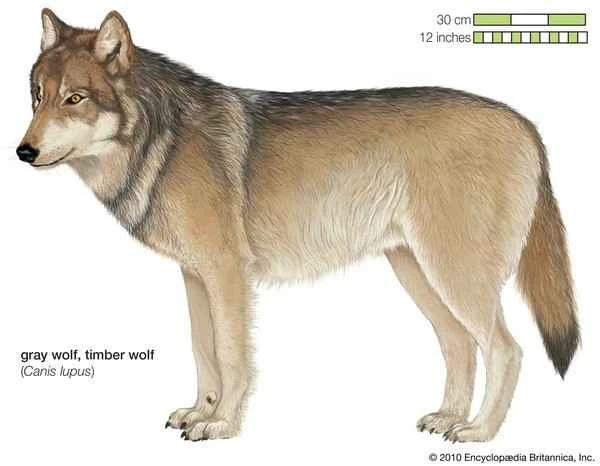
Wolves are widely recognized as one of the most endurance-bearing animals. Their narrow chests and powerful backs and legs give them highly efficient mobility, enabling them to walk for tens of kilometers at speeds of approximately 10 kilometers per hour, adapting them to prolonged, sustained running. Wolves can maintain a speed of 50 kilometers per hour for up to 20 minutes, and when chasing prey, their speed can approach 65 kilometers per hour, with each stride covering up to 5 meters during a sprint. A wolf's heart accounts for one-third more of its body weight than that of most mammals, and its heart rate is relatively low. Furthermore, their paws have thickened, keratinized pads that provide excellent cushioning and protection, similar to the hooves of ungulates. Unlike other top predators such as felines that prioritize speed and accuracy, wolves excel at endurance races.
10. Worker bees (they do nothing but eat, sleep, and work)
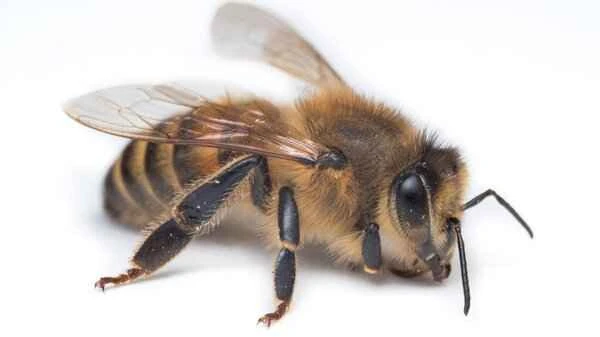
If we exclude the limitation of vertebrates, based on measurable standards, the most enduring animal is probably the worker bee. In a bee colony, most of the work is done by worker bees, whose tasks include feeding larvae and the queen, cleaning the hive, removing dead bees or debris, compacting pollen, producing honey, building combs, filling gaps with propolis, and guarding the hive. Worker bees typically live only a few months—a short but fulfilling life, seemingly never ceasing to work. Aside from eating and sleeping, they work tirelessly and diligently every day. Worker bees truly deserve to be called the epitome of diligence.