Insects are found in every corner of the world, and many species are unavoidable "companions" of human society, often causing hygiene problems for households. The top ten common household pests include fleas, bedbugs, cockroaches, flies, mosquitoes, ticks, mites, and more. Which household pest do you hate the most? Which of these pests gives you the biggest headache?
1. Fleas (parasites that live on mammals, sucking blood/spreading diseases/highly resilient)
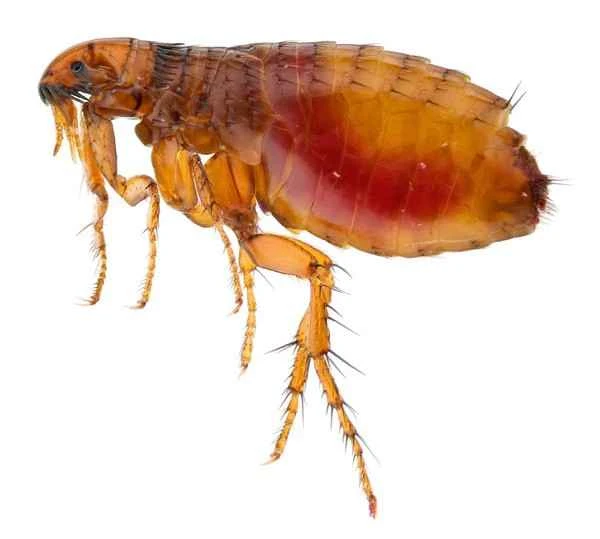
Fleas, one of the top ten household pests, are widely distributed globally. Both males and females are blood-sucking and sensitive to temperature changes, requiring their hosts to maintain a normal body temperature to parasitize them. Once a host becomes ill, causing a rise in body temperature, or dies and its body temperature drops, the fleas will quickly transfer to other hosts to feed on blood. These fleas can jump from animals such as dogs, cats, and rats onto humans to feed. Fleas transmit a variety of diseases, including plague, endemic typhus, tapeworm infection, and hypodermal parasitic diseases. Due to human commercial activities and transportation, some flea species have become globally widespread. Furthermore, adult fleas can go up to 12 months without feeding, making them difficult to eradicate completely in a short time. They also lay eggs in clothing and carpets, further complicating treatment.
2. Bed bugs (blood-sucking/unpleasant odor/highly resilient)
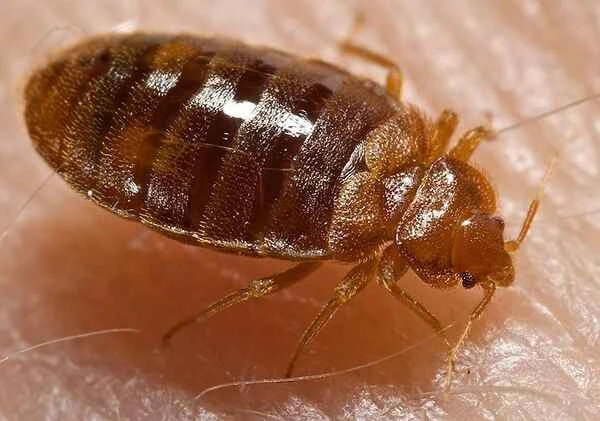
Bed bugs, also known as stink bugs, often hide in indoor walls, crevices of wooden furniture, straw mats, and bedding. They may also appear in the crevices of tables and chairs in vehicles and public places. Some of them co-parasitize humans, releasing a distinctive odor, and tend to swarm. They are hidden during the day and active at night, feeding on blood. These bed bugs do not have a strong host preference; they not only feed on human blood but also parasitize rodents, birds, and livestock. After being bitten, people with sensitive skin may experience local redness, swelling, and itching. Scratching can lead to bacterial infections. Without the opportunity to come into contact with a host, bed bugs will starve themselves. In low-temperature, high-humidity environments, adult bed bugs can typically endure starvation for 6-7 months or even more than a year.
3. Cockroaches (omnivorous insects/carrying various pathogens/highly resilient)
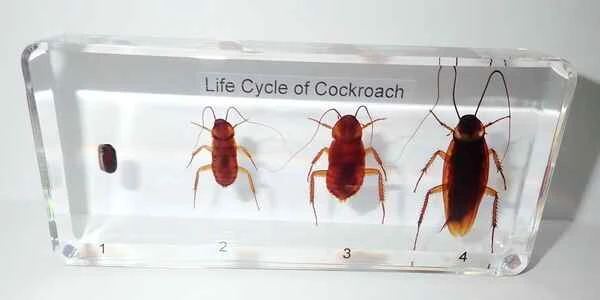
Among common household pests, cockroaches are undoubtedly a prominent presence. In China, cockroaches are considered the "number one of the four pests." They are omnivorous insects, primarily feeding on bread, rice, pastries, various cooked foods, fruits, vegetables, and beverages. They also gnaw on cotton products, leather goods, paper, soap, and other items. Outdoors, cockroaches feed on decaying organic matter and may even consume dead animals. Cockroaches can carry bacteria that cause various diseases, including Asian cholera, pneumonia, diphtheria, glanders, anthrax, and tuberculosis, through artificial inoculation, posing a serious threat to human health.
Common cockroach species in China include the German cockroach, the American cockroach, and the black-breasted cockroach. The German cockroach is the smallest but has an extremely high reproductive rate, while the American cockroach is visually more terrifying and can also fly.
4. Flies (omnivorous insects/disease-spreaders/highly resilient)
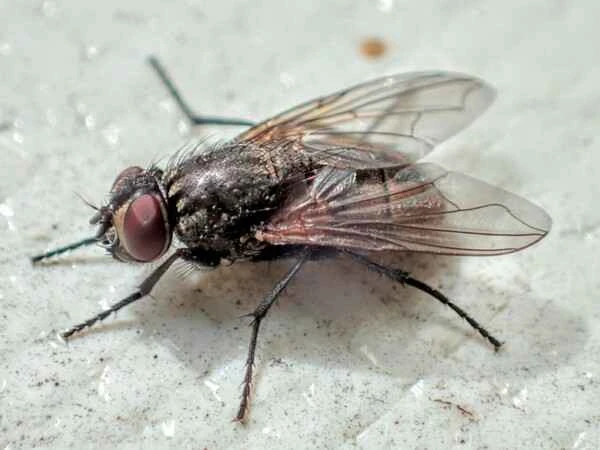
When discussing the most harmful pests in the home, many people might overlook flies, but in fact, flies pose a very serious threat. They are found all over the world and thrive in feces, garbage, and decaying matter. Flies are omnivorous, consuming a wide variety of substances, including human food, human and animal excrement, kitchen scraps, other garbage, and plant sap. Of particular concern is their significant impact on livestock and poultry farming, as they can transmit important diseases such as avian influenza, Newcastle disease, and foot-and-mouth disease. During outbreaks, flies can accelerate the spread of these infectious diseases. Furthermore, flies can transmit more than 30 diseases, including typhoid fever, paratyphoid fever, poliomyelitis, infectious hepatitis, polio, cholera, dysentery, infant diarrhea, food poisoning, and intestinal parasitic diseases.
5. Mosquitoes (bite and suck blood/transmit diseases)
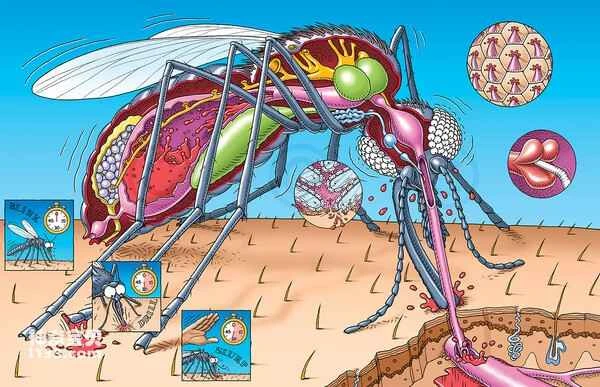
Summer is the season for common household pests, among which mosquitoes are the most annoying. They not only bite and suck blood, causing physical and mental discomfort, but also transmit a variety of diseases. Studies have shown that mosquitoes are the primary vectors for over 80 different diseases. The harm mosquitoes pose to humans on Earth is undoubtedly enormous. In China, mosquitoes transmit diseases including dengue fever, Japanese encephalitis, malaria, and filariasis, among others. It's worth noting that dusk is when mosquitoes are most active and the best time to kill them. Mosquitoes often hide in corners, ceilings, under beds, and behind chairs, so pay special attention to these areas when spraying insecticides. These measures can help effectively reduce mosquito infestations in your home.
6. Ticks (lifelong bloodsuckers/carriers of viruses/transmits diseases)
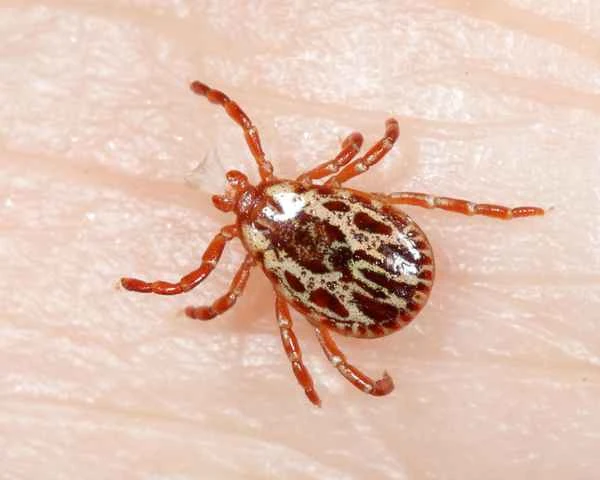
Ticks are a feared household pest, widely distributed globally. Whether adult or larval, blood-sucking is their primary mode of life throughout their life cycle. Their host range includes terrestrial mammals, birds, reptiles, and amphibians, with some species even preferring to endoparasitize humans. When ticks feed on the human body, they can transmit various infectious diseases, causing serious consequences and even endangering the victim's life. Although tick bites are not noticeably painful, they often cause acute inflammatory reactions such as local congestion and edema at the bite site, sometimes leading to secondary infections. The neurotoxins secreted by some ticks can cause muscle weakness, leading to respiratory failure and ultimately death.
7. Mites (ubiquitous/reproduces rapidly/harms health)
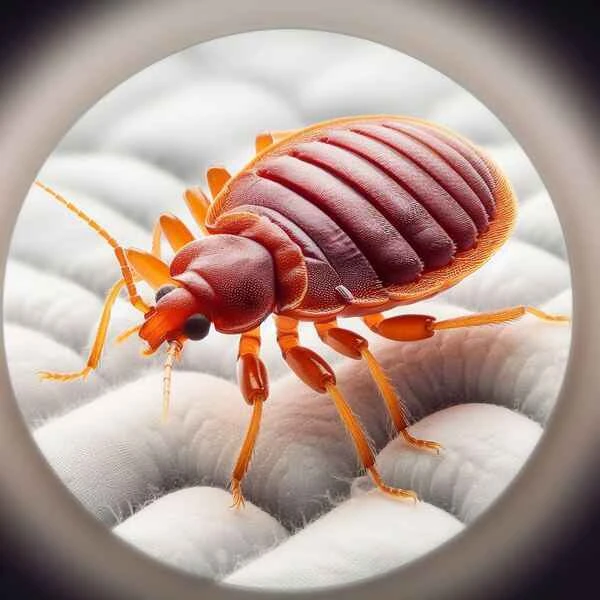
Dust mites are among the most common and insidious pests in homes, widely distributed in dark corners, carpets, mattresses, pillows, sofas, air conditioners, and summer mats. They have diverse lifestyles, including herbivorous, saprophytic, parasitic, and predatory. The main types of dust mites that parasitize humans are Demodex folliculorum (hair mites) and Demodex brevis (sebaceous gland mites), which primarily inhabit the sebaceous glands of the face. Dust mites reproduce extremely rapidly, multiplying into ten to twenty generations per year. Their corpses, secretions, and excrement can all become allergens, leading to allergic dermatitis, asthma, bronchitis, nephritis, allergic rhinitis, and other diseases.
8. Lice (blood-sucking/transmitting diseases)
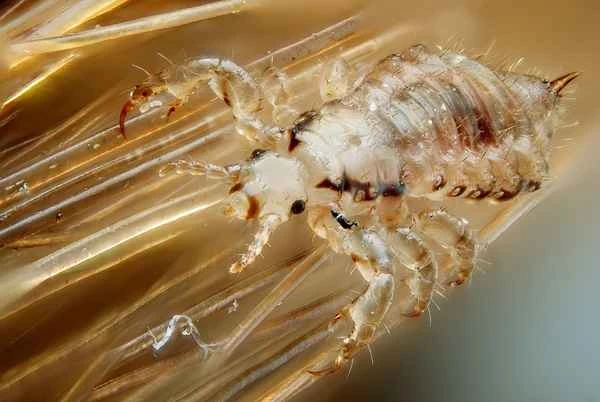
Lice are among the most stubborn and difficult-to-eradicate pests. They parasitize hairy areas of the human body, typically laying eggs at the hairline and preferring to congregate behind the ears. Body lice mainly live on clothing in close contact with the body, particularly in folds, collars, and waistbands, laying their eggs on the fabric fibers. Pubic lice, on the other hand, primarily inhabit areas with denser, looser hair, mainly parasitizing the pubic and perianal hair, and are commonly found on eyelashes in other body parts. Under natural conditions, these parasitic lice crave human blood; larvae feed at least once a day, while adult lice may feed several times a day. They can also transmit a range of diseases, such as epidemic typhus, trench fever, and louse-borne relapsing fever. However, lice infestations can be prevented by frequently changing and washing clothes and bed sheets, and by regularly washing hair. Maintaining good hygiene is crucial, especially avoiding sharing combs and toiletries with others.
9. Termites (high reproductive rate/long lifespan/damages furniture)
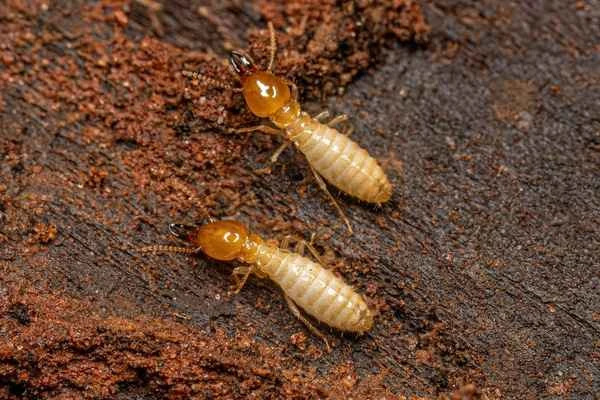
Termites are widely distributed in tropical and subtropical regions, with their main activity area in China covering a vast area south of the Huai River. Despite their name, termites are not actually classified as ants, but rather closer to cockroaches in insect classification. Although similar in size and behavior to common ants, termites are more closely related to cockroaches in classification. They are experts in decomposing wood fibers in nature, thus causing damage to wooden buildings and furniture. Termites prefer to live in hidden, temperature- and humidity-suited, loose soil rich in organic matter, such as human dwellings, livestock sheds, toilets, caves, and wall cracks, all of which provide ideal breeding grounds for termite larvae. Termites have a high reproductive rate; each queen can lay 400-500 eggs per day, with some laying up to 80,000 eggs. They have a long lifespan, approximately 15-30 years, with some individuals even living up to 50 years.
10. Clothes moth (damages clothing)
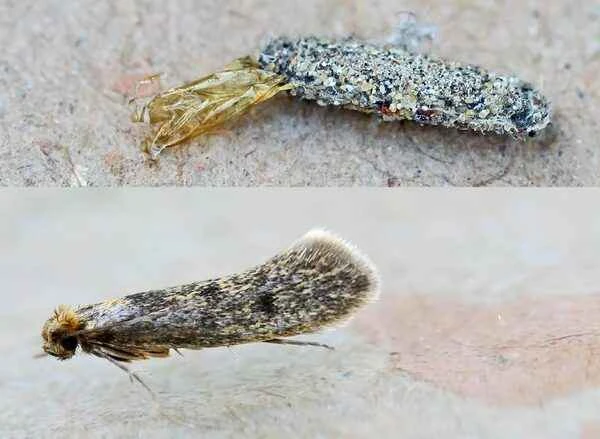
The clothes moth is a household pest widely distributed around the world. Its larvae are slow-moving, spin cocoons, and damage textiles, including stored wool, upholstered furniture, fur, carpets, blankets, fishmeal, synthetic wool, and cotton blends. These larvae are often found in the crevices of clothing storage rooms and upholstered furniture.
Clothes moths are fragile and have limited flight distances, thus restricting their activity range. They are particularly attracted to textiles with food or other contaminants attached to them; signs of clothes moths may also appear on collars and folds of clothing, but pure cotton clothing is relatively less susceptible to damage. Generally, when changing seasons, it is essential to clean and dry clothes before placing them in a clean wardrobe, which can effectively reduce the occurrence of pests.
Other common household pests:
Fruit flies, booklice, silverfish, ground beetles, moth flies, rice weevils, sweet potato weevils, bean weevils, culverts, carpet beetles, grain beetles, meal borers, stink bugs, springtails, scale insects, moth midges, tobacco beetles, grain moths, carpet beetles, mirid spiders, sharp-eyed fungus gnats, hoverflies, false flour beetles, small fungus beetles, mealybugs, etc...
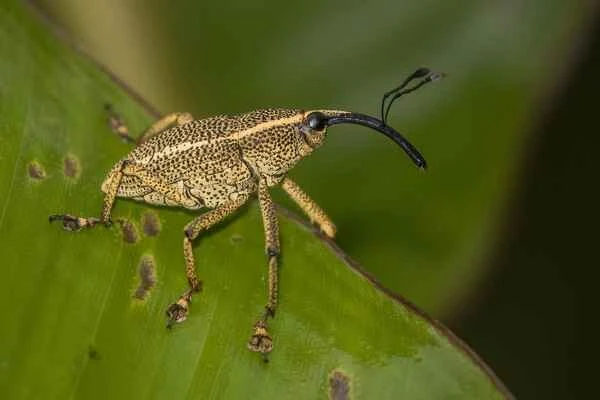
weevil