In nature, "survival of the fittest" dictates how different environmental conditions shape the unique appearances and habits of animals. Today, we'll share ten of the world's most distinctive animals: the blue whale, platypus, Komodo dragon, clams, Murphy's rat, Pompeii worm, radioresistant cocci, tardigrade, archaea, and humans. Let's explore their unique characteristics!
1. Blue Whale
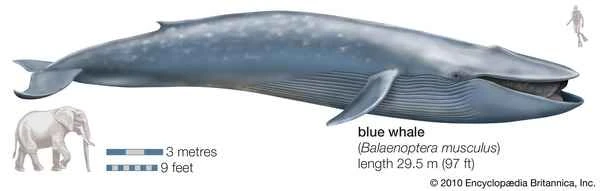
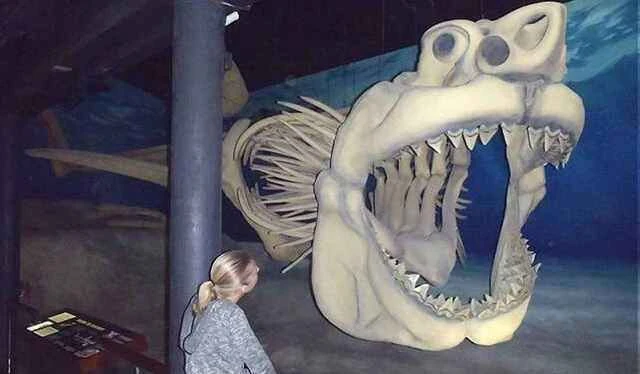
The blue whale is a marine mammal, not only the largest whale on Earth but also the largest known living animal. A blue whale can reach 33 meters in length and weigh up to 181 tons. Its head is exceptionally large; its tongue could hold 50 adults, and its heart is about the size of a small car. A newborn blue whale calf can even weigh more than an adult elephant, demonstrating its immense size.
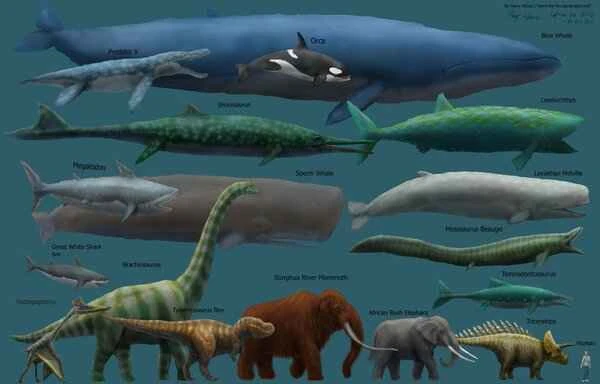
Blue whales exhibit astonishing power, generating approximately 1,500 to 1,700 horsepower, making them unparalleled giants and strongmen in the animal kingdom.
2. Platypus
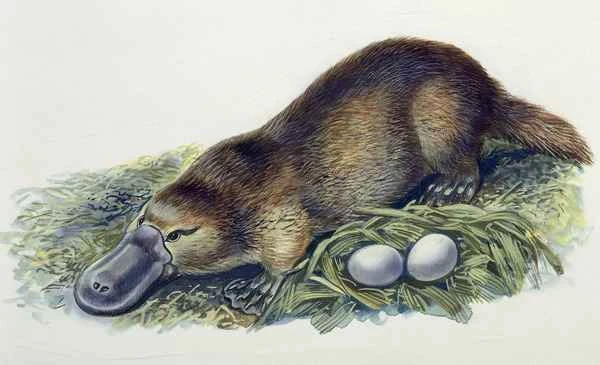
The platypus is considered one of the most primitive mammals on Earth and is also a uniquely shaped creature: plump, with a flat tail, a duck-like bill, and distinctive small eyes that seem to convey a gentle and harmless aura. Because platypuses mainly live on isolated islands in the Southern Hemisphere, far from the continents of the Northern Hemisphere, they face relatively few natural predators, and having not undergone much evolution, they retain some genes from ancient animals.
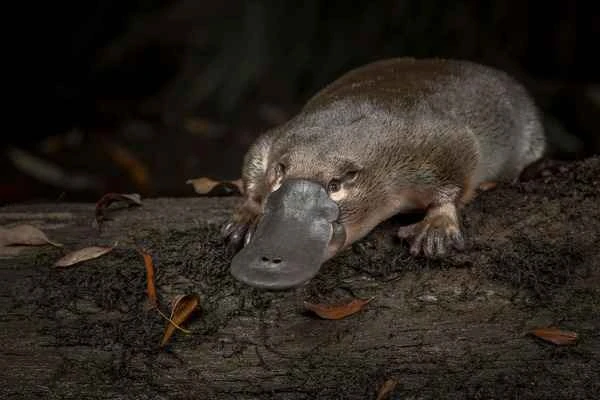
Despite being a mammal, the platypus exhibits characteristics similar to amphibians or reptiles: it lays eggs, can live in water, and its claws resemble those of a duck. Overall, the platypus possesses many features worthy of further study.
3. Komodo dragon
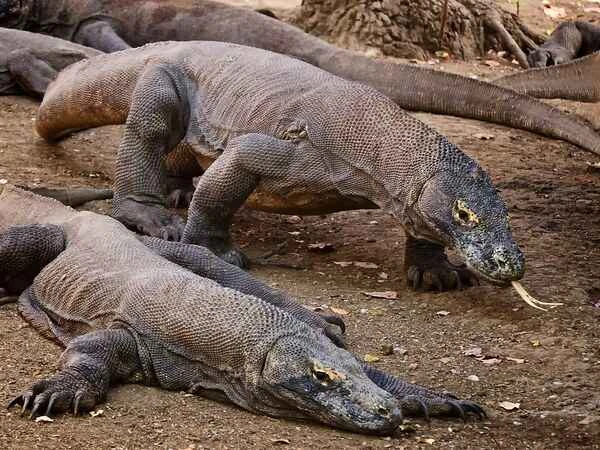
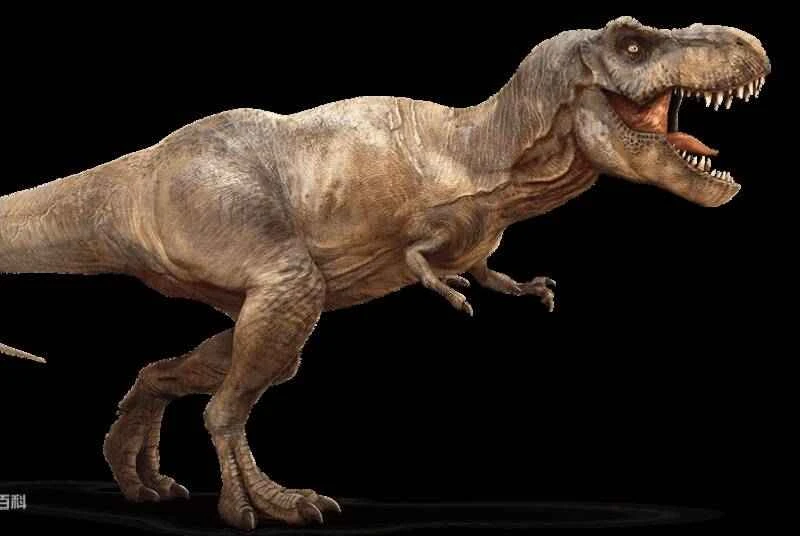
The Komodo dragon, also known as the Komodo monitor lizard, can grow up to 3 meters long and weigh up to 70 kilograms . It is the largest known living lizard and is considered one of the living fossils of the dinosaur era. The Komodo dragon possesses 60 constantly replacing, serrated teeth that can reach up to 2.5 centimeters in length. Its hunting strategy relies on its deadly venom and bacteria-rich saliva. These characteristics make it extremely lethal when hunting.
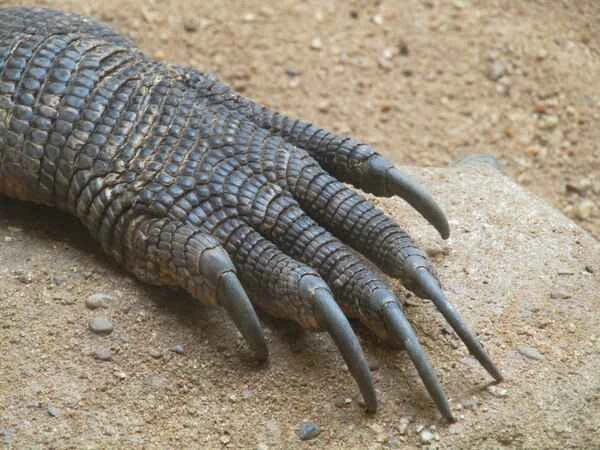
Furthermore, Komodo dragons are known for their unwavering pursuit of their prey once they lock onto it, which may be one of the reasons they have survived to this day.
4. Ming (clams)
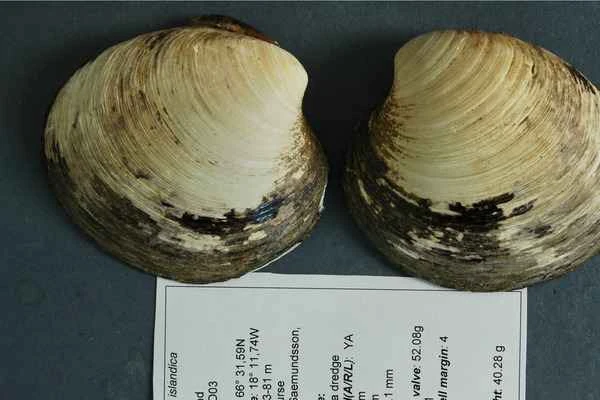
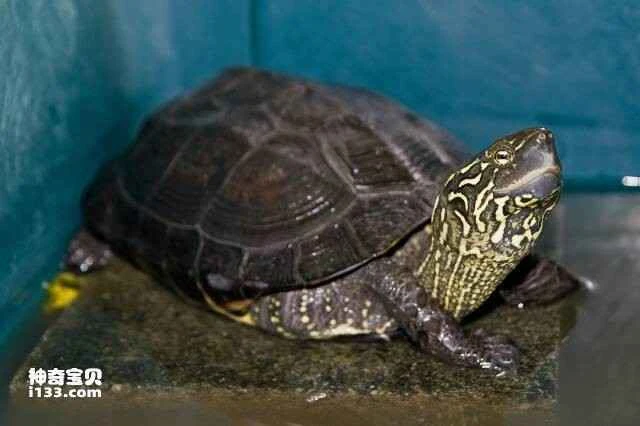
This clam, known as "Ming," is a deep-sea round clam named after its origins in the Ming Dynasty of China. It is considered one of the longest-living animals on Earth. Records show that a round clam that lived to be 507 years old was once captured, but unfortunately, this ancient mollusk died during scientific research.
The average lifespan of these "bright" clams is difficult to pinpoint precisely, as scientists are still exploring the lifespan of these creatures. Had it not been for a chance discovery, their age might have remained hidden for even longer in the dark depths of the ocean.
5. Murphy's rat
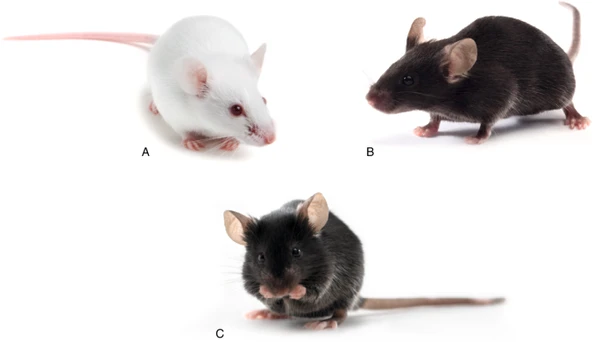
Murphy's rat, commonly known as the "MRL rat," is a small house mouse with remarkable tissue regeneration capabilities, discovered in 1999. It is one of the most regeneratively potent species in the mouse genus, and due to gene mutations caused by residual drugs in its body, it is frequently used in scientific experiments. These rats recover rapidly from injuries without leaving scars, and possess the ability to regenerate toes, tails, and even vital internal organs, including the heart. Scientists hope to explore potential methods for human organ regeneration by studying MRL rats.
6. Pompeii worm
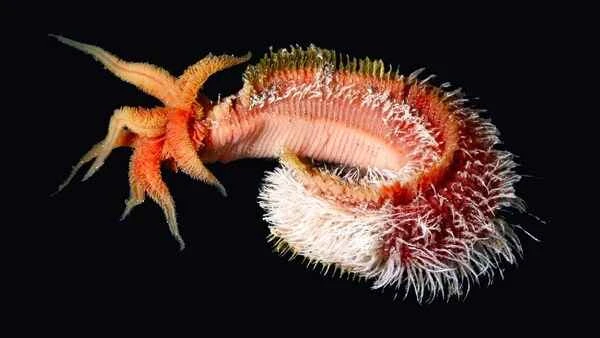
Unless you're a lucky enough marine biologist, you'll never see the Pompeii worm. These bizarre-looking creatures inhabit the craters of deep-sea trenches in extremely harsh environments. Incredibly, these tiny worms must endure immense seawater pressure—pressure strong enough to crush a human to death within seconds.
In addition, Pompeii worms can withstand extreme temperatures of up to 81 degrees Celsius. These worms, which are 6 to 8 centimeters long, are considered to be among the most heat-resistant and temperature-tolerant animals known on Earth.
7. Radiation-resistant cocci
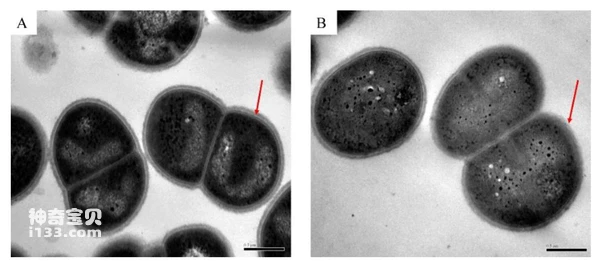
Tiny bacteria, though little known, are a focus of scientific research. Radiation-resistant cocci are a type of micrococcus with extremely strong radiation resistance, exhibiting resistance to various DNA-damaging agents, thus attracting significant attention from the scientific community. Experts have discovered several remarkable characteristics of radiation-resistant cocci, including high-temperature resistance and corrosion resistance. Most notably, it possesses astonishing radiation resistance; even under radiation conditions sufficient to kill other organisms, radiation-resistant cocci can continue to survive.
Scientists are currently studying the DNA of this microorganism, hoping to apply it to the field of pharmacology or develop similar computer transmission media.
8. Water bear
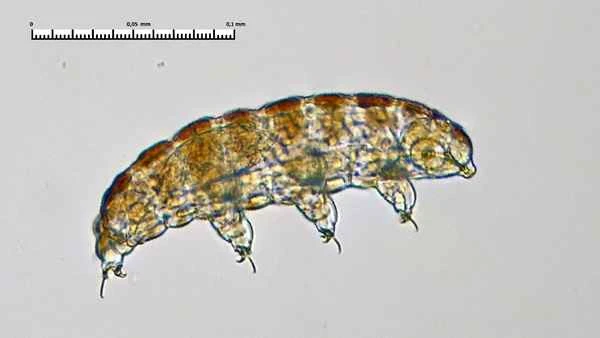
Tardigrades, also known as water bears, are affectionately called "Little Beauty" by some. These tiny creatures are among the most resilient organisms known on Earth, possessing incredible endurance and tenacious vitality. Tardigrades can survive for up to 30 years without food or water, and when they enter a cryptobiological state, they can withstand extreme temperatures, radiation, and even survive in the vacuum of space. Therefore, we can find traces of them in both the deep sea and outer space.
Tardigrades can even survive dehydration, making them one of the creatures that have existed on Earth for over 5 million years.
9. Archaea
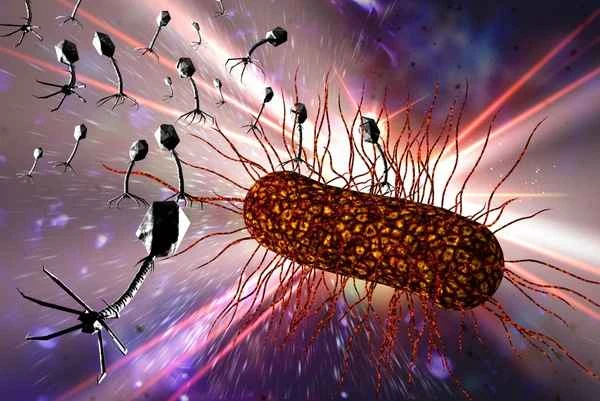
These tiny, cellular organisms, named archaea in the 1950s, are rare bacteria capable of surviving extreme temperatures, pH levels, and salinity. Archaea are a group of microorganisms independent of other species, with an ancient history, and can even be found deep within the Earth's crust. Despite their minuscule size, archaea are an indispensable part of Earth's biological clock, forming the microbial composition of one-fifth of the animals on Earth, and are speculated to be among the ancestors of life on Earth.
Some have even boldly speculated that archaea did not originate from Earth, but may have been brought to Earth by extraterrestrials.
10. Humans

Ultimately, we must confront ourselves. Research shows that in the millions of years since humans appeared on Earth, tens of thousands of animal species have gone extinct at our hands. We possess the ability to alter the environment, even controlling the course of natural evolution to some extent. To meet the demands of a growing population, we have recklessly destroyed forests for agriculture and engaged in large-scale hunting of animals. With the rapid development of technology, some new diseases have even been artificially created. We have changed the world, but if we anger nature, it will wage a life-or-death struggle against humanity.