Salmon, also known as salmon, is a cold-water fish with a high degree of migratory characteristics. Its flesh is a bright orange-red color, with a smooth and tender texture, and is rich in nutrients, thus earning it the reputation of "gold of the sea".

So, what kinds of salmon are there? Common salmon varieties include Pacific salmon, Norwegian salmon, Faroe Islands salmon, Atlantic salmon, sockeye salmon, chum salmon, pink salmon, coho salmon, whitebait, and rainbow trout. Below, we've compiled a list of the world's top ten salmon varieties, taking you through information about these premium salmon species.
1. Pacific salmon (King salmon from New Zealand/USA/Chile, the main species of wild salmon)
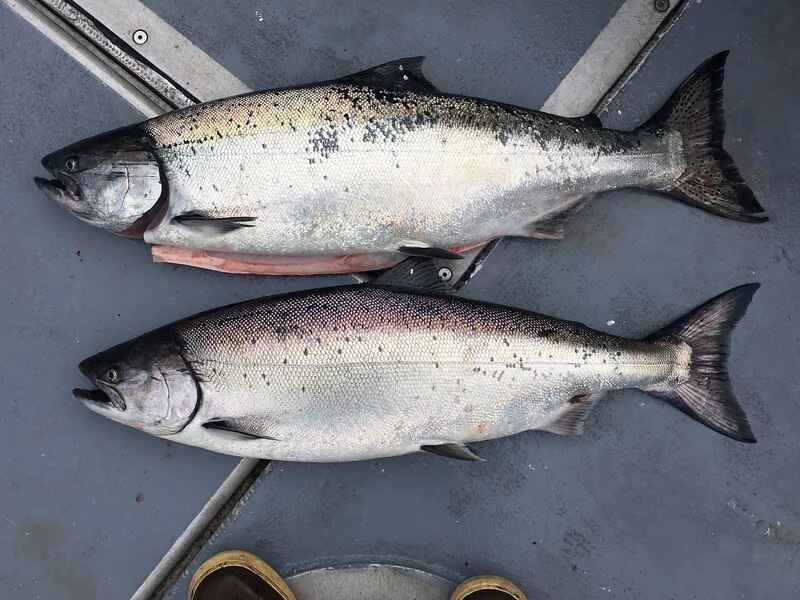
Pacific salmon, also known as king salmon, is a top-tier variety of salmon, and most wild salmon commonly found in the market is of this type. As the largest of all salmon, king salmon has a more rounded body and a shorter tail compared to ordinary salmon, possessing a unique flesh structure. This fish is significantly richer in natural fish oils than other salmon, especially omega-3 fatty acids, resulting in a delicate texture, rich and complex flavor, and a delicious, intense taste, making it an ideal choice for sashimi.
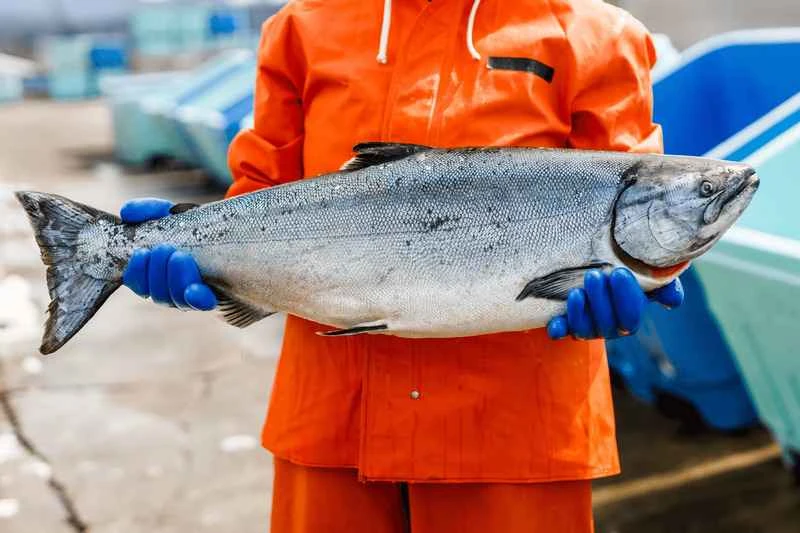
King salmon are mainly distributed in New Zealand, the United States, Canada, Chile, Japan and Russia, with New Zealand king salmon being widely regarded as the best choice.
2. Norwegian salmon (accounting for half of global production)
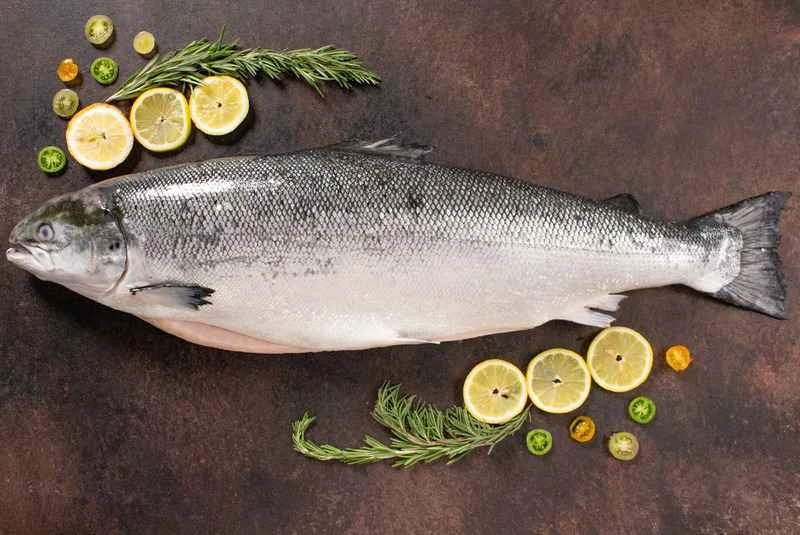
Norwegian salmon is one of the top ten premium salmon varieties. As the world's largest salmon producer, Norway accounts for about half of the global annual production. Norwegian salmon has a spindle-shaped body with black edges on its fins, and its most distinctive feature is the black spot on its lateral line.
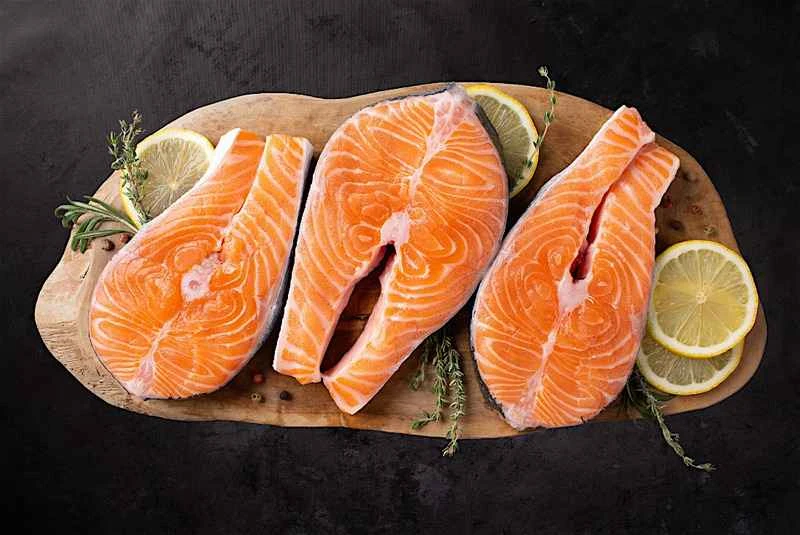
Its flesh is tender yet firm, with a vibrant orange-red color, a smooth texture, and strong elasticity. Almost the entire fish is edible, and its excellent taste and quality are maintained regardless of the cooking method. In Norway, the most popular way to enjoy it is in fish soup. Due to its abundant production, much of Norwegian salmon is exported to the EU fresh, whole, and highly praised.
3. Faroe Islands salmon (Faroe Islands, Denmark; the Hermes of salmon)
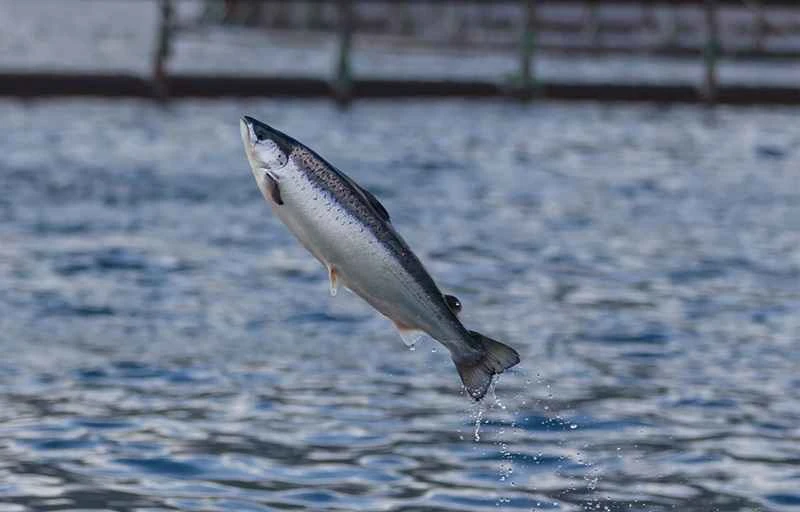
Which type of salmon tastes best? Faroe Islands salmon is renowned for its excellent taste and rich nutrition, earning it the title of "the Hermes of salmon." This type of salmon is mainly produced in the waters off the Faroe Islands of Denmark, where the clear, unpolluted seawater has a low temperature and salinity that changes with the tides, making it ideal for the growth of high-quality salmon.
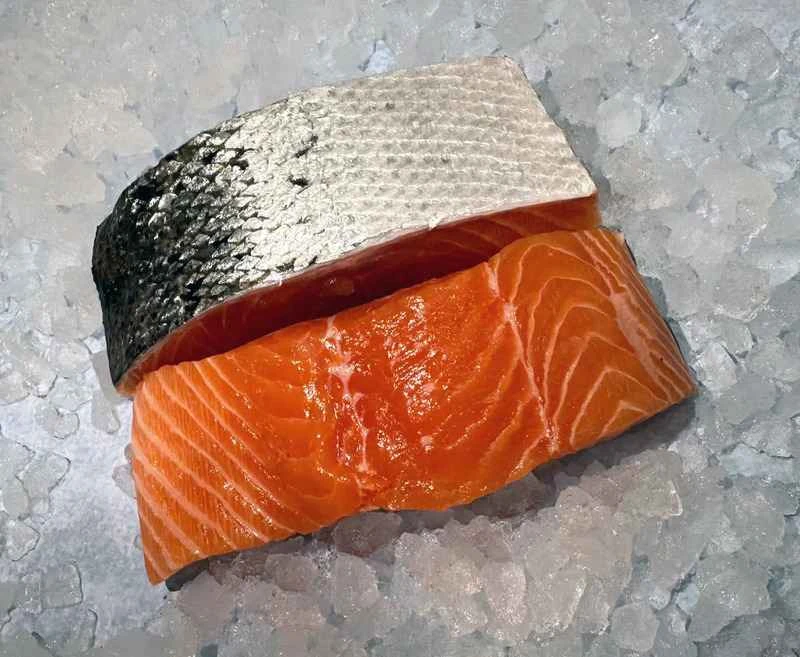
Faroe salmon has a large, flat head, pale orange flesh, and a rich acorn aroma. Its flesh is delicate and sweet, with a smooth texture. Eating it raw is a very common way to enjoy it. Whether thickly or thinly sliced, paired with a touch of wasabi soy sauce, it's an irresistible delicacy with a smooth, sweet taste that's unforgettable.
4. Atlantic salmon (Northeastern North America/British Islands, the main species of farmed salmon)
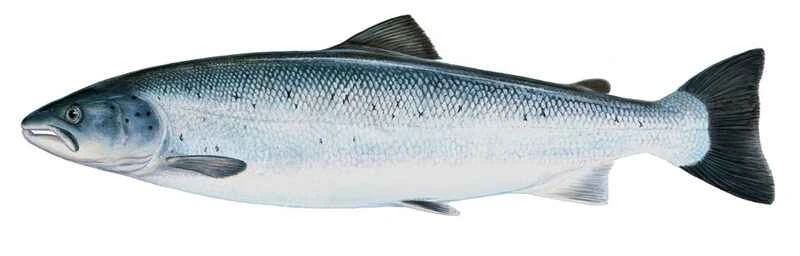
Atlantic salmon is one of the most popular salmon species in the world. Due to its relatively small wild population, the market is mainly dominated by farmed salmon. It has a spindle-shaped body, black-edged fins, and light orange flesh that is firm and elastic with a delicate and mild flavor. It is suitable for various cooking methods, but not for clear soups due to its high fat content.
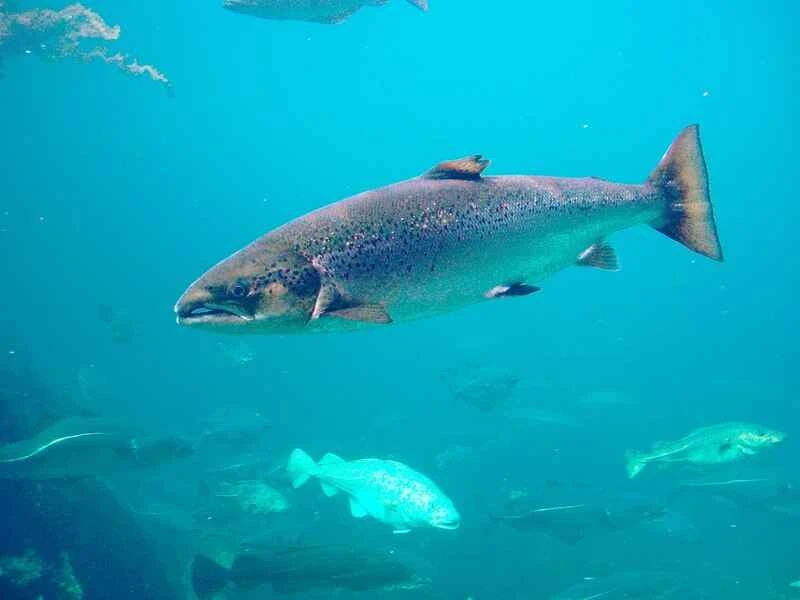
Atlantic salmon are mainly distributed in temperate waters along the Atlantic coast to the Arctic Ocean, including northeastern North America, the British Isles, and the coast of Scandinavia. Since most are farmed, they are relatively safe to eat raw, with a low risk of parasite infection, making them a healthy and safe type of salmon.
5. Sock salmon (Russia/Japan/USA, with bright red flesh)
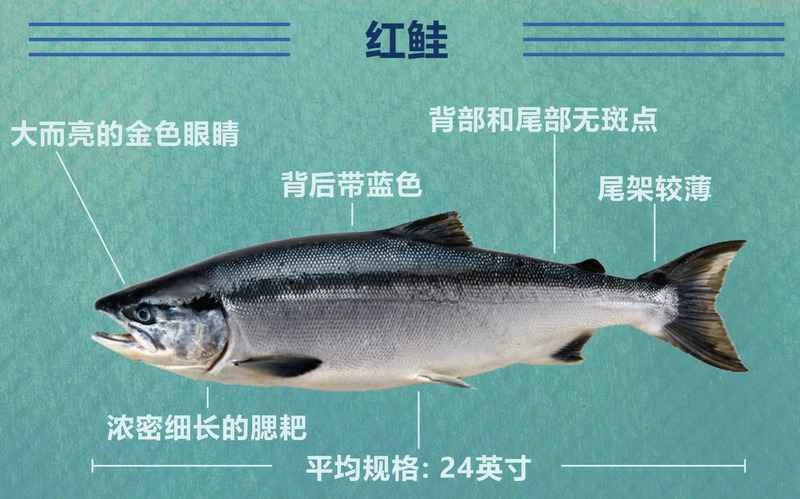
Sockeye salmon, also known as blueback salmon, is one of the most delicious and healthiest varieties of salmon. This salmon has blue skin and vibrant red flesh. Because sockeye salmon can only be caught in the wild, it is typically smaller than most other salmon, has a moderate fat content, and its flesh is more delicate and firm, making it flavorful without being greasy.
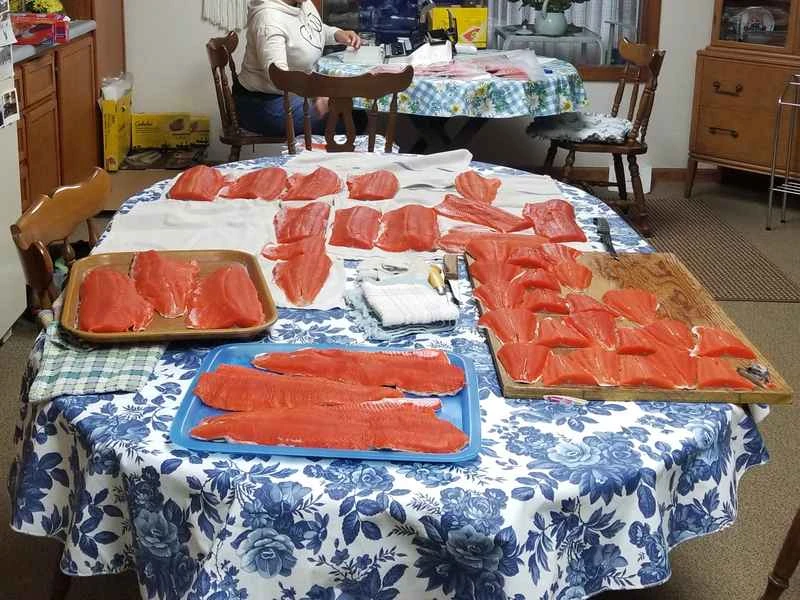
Sockeye salmon are mainly distributed in the North Pacific Ocean, from northern Japan and Russia all the way to Washington State in the United States. This salmon is highly praised for its bright red flesh and oil content of up to 9%, with Japan being the largest consumer market for sockeye salmon.
6. Chum salmon (Northern Pacific, average flesh quality/mostly edible roe)
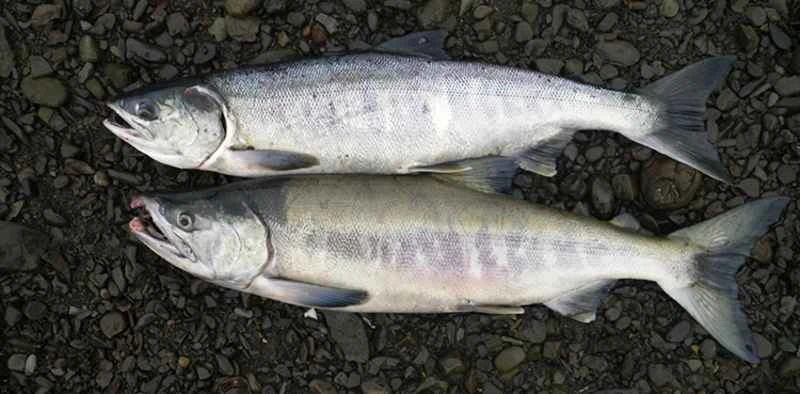
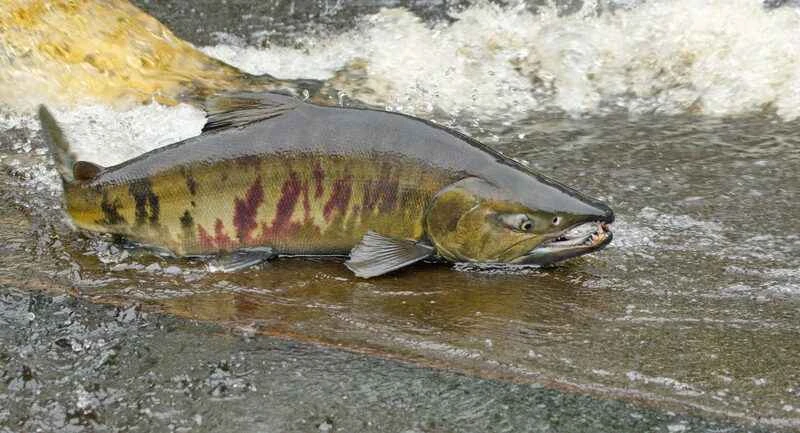
Cichlids are one of the largest salmon species and are considered a valuable economic fish worldwide. They can weigh up to 16 kilograms, have a low fat content, and are not very palatable when eaten raw, so they are usually used for canning. A common way to eat them is to preserve their roe with salt and make sushi. Cichlid roe is rich in protein and lecithin, making it highly nutritious and helpful in preventing fat metabolism disorders.
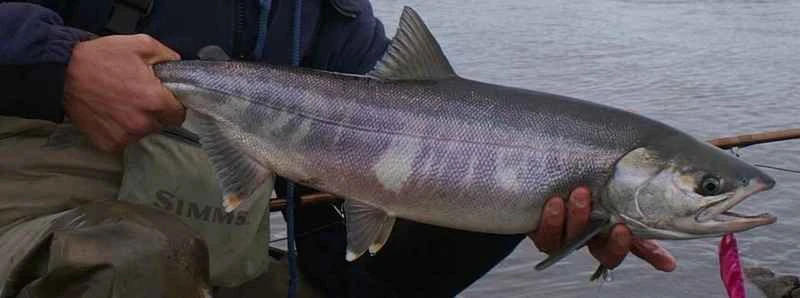
Chum salmon are widely distributed in the North Pacific and are relatively common in the Heilongjiang, Tumen, and Suifen Rivers of my country, where they are often referred to as "chum salmon." In addition, their distribution range also includes Japan, South Korea, the eastern coast of Siberia, and from the Bering Sea to British Columbia in Canada and Alaska and Oregon in the United States.
7. Pink salmon (Alaskan waters, small in size/pink flesh)
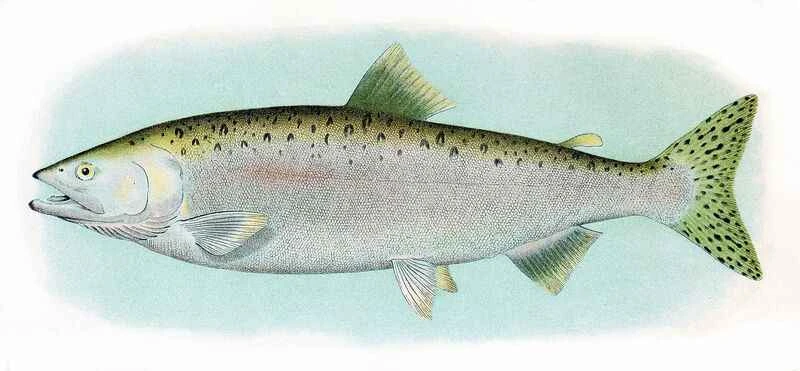
The pink salmon, also known as the humpback salmon, gets its name from the hump on the back of the male during the breeding season, and is one of the ten most common salmon species. This fish can be caught throughout the waters from southeastern Alaska to Norton Bay in the Bering Sea, with the largest catches concentrated in Prince William Sound and near Kaudilko Island in southeastern Alaska, typically during late summer, especially July and August.
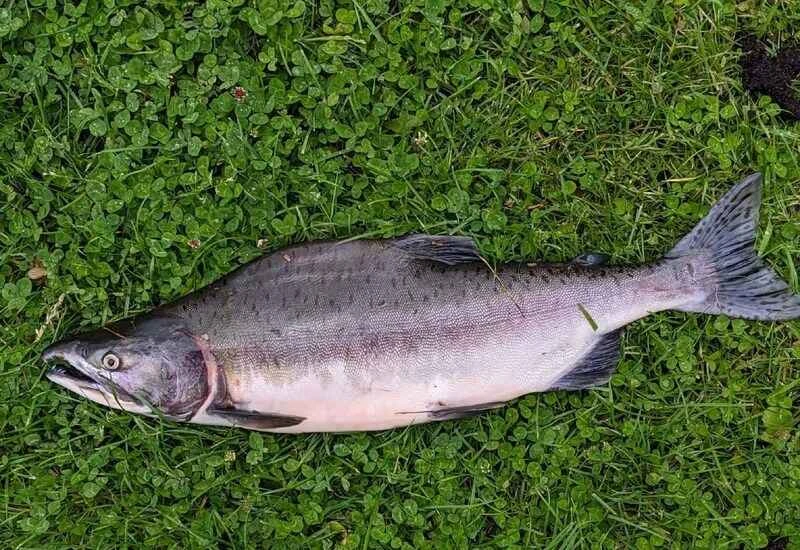
Pink salmon are relatively small, the smallest of the salmon species. Their flesh is delicate, mild in flavor, and low in fat, making them a very affordable salmon option. They are often used in canned or smoked salmon products.
8. Coho salmon (Chile/USA, entirely silvery-white body)
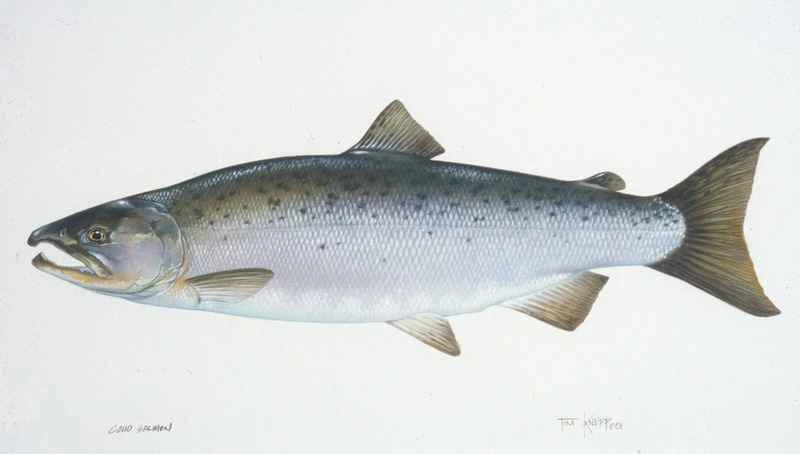
What kinds of salmon are there? Coho salmon is one of the most popular types, despite its relatively low yield, its taste is exceptional. Coho salmon has a silvery-white appearance and a moderate size. Its flesh color and texture are very similar to king salmon and sockeye salmon, but its flesh is relatively leaner, with about 30% less oil content than king salmon and sockeye salmon. The flesh is a deep orange color, with a moderate fat content and a soft texture, making it an excellent choice for sashimi, sushi, and other dishes, and perfect for those who dislike strong fishy smells.
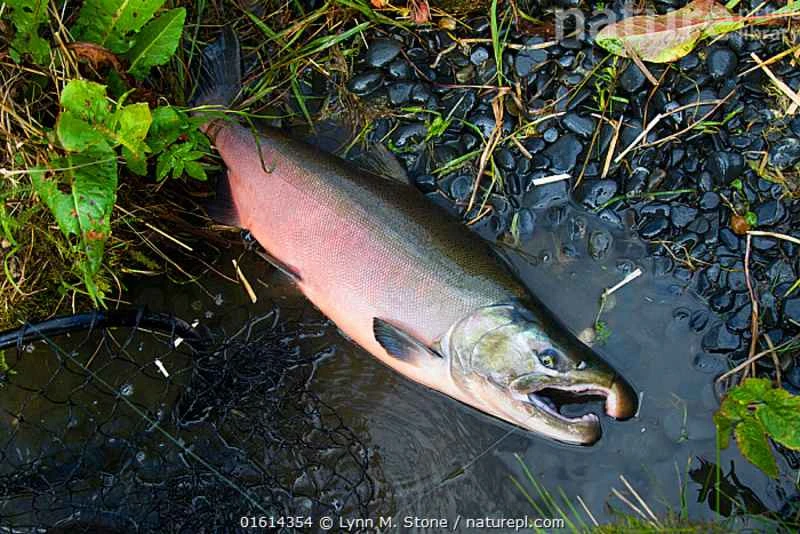
According to statistics, 70% of the world's coho salmon comes from farmed salmon, with Chile being the largest coho salmon farmer, while the United States supplies a considerable amount of wild coho salmon.
9. Rainbow trout (a widely farmed freshwater salmon species worldwide)
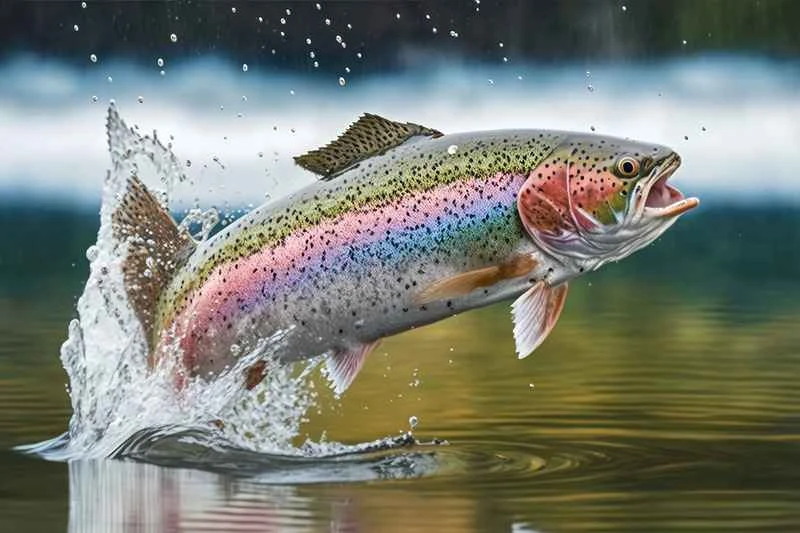
Rainbow trout get their name from the subtle iridescent colors on their sides. Because they can be farmed in freshwater, they are also known as freshwater salmon. Rainbow trout flesh is pinkish-white, low in fat, with a delicate texture, rich flesh, soft bones, almost no fishy smell, and no small bones. It does not need to be scaled before eating and tastes excellent whether eaten raw or smoked.

On August 10, 2018, the group standard "Raw Salmon" was officially released, listing rainbow trout as a type of salmon. Rainbow trout originated from the Pacific coast of North America and mainly grew in the mountain streams of California, USA. Today, they are widely distributed in more than 20 countries in the Americas, Europe, Oceania, East Asia, and Southern Africa, and are a very common farmed fish worldwide.
10. Autumn Whitefish (Russia/UK)
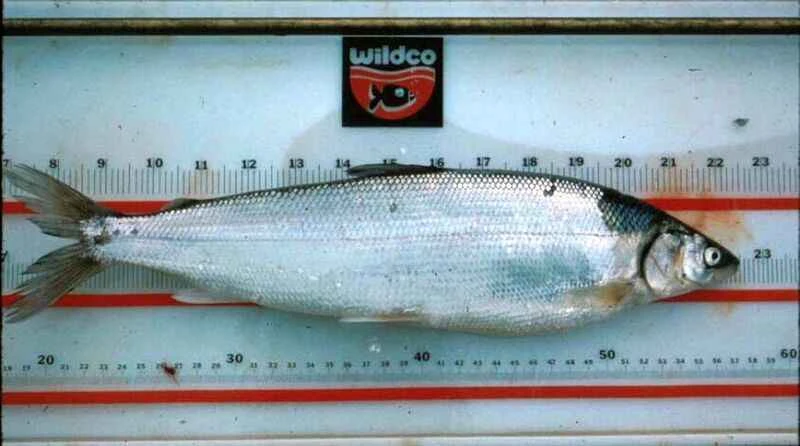
Whitefish, also known as autumn salmon or salmon, is a common edible salmon species. It has a slender body, reaching up to 65 cm in length, with a shimmering silvery-white sheen, a deep black back, and grayish-white or colorless pelvic fins. The flesh is pale orange, and the fat content varies depending on the season. Fresh whitefish is not suitable for raw consumption; it must be frozen at low temperatures before being sliced and enjoyed. It is typically not used in sushi but is more commonly found in other dishes.

This fish is mainly distributed within the Arctic Circle, including Siberia in Russia, Alaska in the United States, Canada, the United Kingdom, and Ireland. In China, a small number of autumn whitefish have also been introduced into Lake Sayram in Bortala Mongol Autonomous Prefecture, Xinjiang. As an important economic fish species of Lake Baikal, it enjoys the reputation of being "the delicacy of Lake Baikal".
The Top 10 Salmon Ranking is based on the characteristics and quality of common salmon species. This list is for reference only. If you have any questions, please feel free to comment/discuss at the end.