The tiger (Panthera tigris) is one of the world's largest cat species. Historically, there were nine subspecies, but currently only six remain, distributed throughout Asia. This article will provide a detailed explanation of the six extant tiger subspecies, their respective distribution areas, ecological characteristics, and the conservation challenges they face. It is essential reading for animal lovers and conservationists!
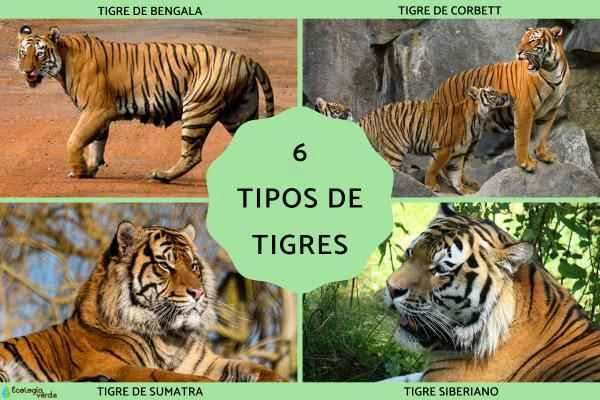
Table of contents
What are the extant subspecies of tiger?
Introduction to the 6 surviving tiger subspecies
Bengal tiger
Indochina Tiger
Malayan tiger
Sumatran tiger
Siberian tiger
South China tiger
Extinct subspecies of tiger
Reasons for Tigers' Endangered Status and the Importance of Conservation
1. What are the extant subspecies of tiger?
Currently, there are only 6 tiger subspecies remaining in the world:
Bengal tiger (Panthera tigris tigris)
Indochinese tiger (Panthera tigris corbetti)
Malayan Tiger (Panthera tigris jacksoni)
Sumatran tiger (Panthera tigris sumatrae)
Siberian tiger (Panthera tigris altaica)
South China tiger (Panthera tigris amoyensis)
2. Introduction to the 6 surviving tiger subspecies
1) Bengal tiger (Panthera tigris tigris)
The Bengal tiger is the most widely distributed and most numerous tiger subspecies globally, primarily found in India, Nepal, Bangladesh, Bhutan, and parts of Southeast Asia. They inhabit a variety of ecosystems, ranging from rainforests to savannas. Bengal tigers possess an orange undercoat with distinctive black stripes. Due to poaching and habitat loss, they are currently listed as endangered by the IUCN.
2) Indochinese Tiger (Panthera tigris corbetti)
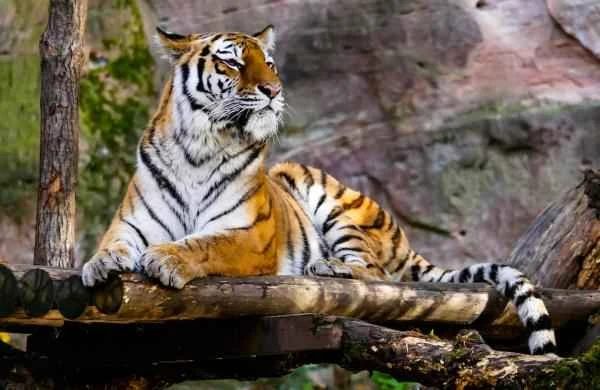
Distributed in Southeast Asia (such as Cambodia, Laos, Thailand, and Vietnam). Slightly smaller than the Bengal tiger, with darker fur and tighter stripes. Only about 700-1300 individuals remain worldwide. The main threats are habitat fragmentation, poaching, and inbreeding.
3) Malayan Tiger (Panthera tigris jacksoni)
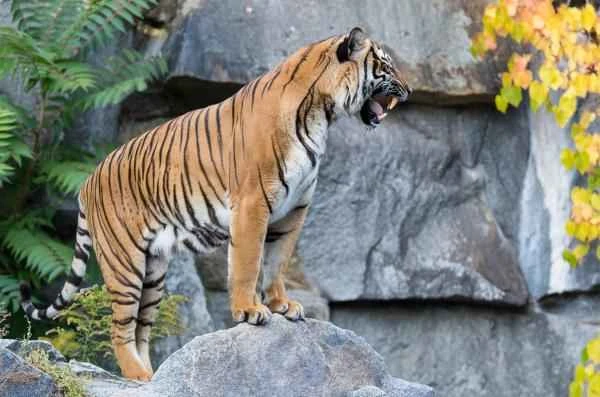
Primarily distributed in the Malay Peninsula, only about 250 individuals remain in the wild, with an extremely scattered population. It exhibits significant genetic differences from the Indochinese tiger. Due to poaching and habitat loss, the IUCN lists it as a critically endangered species.
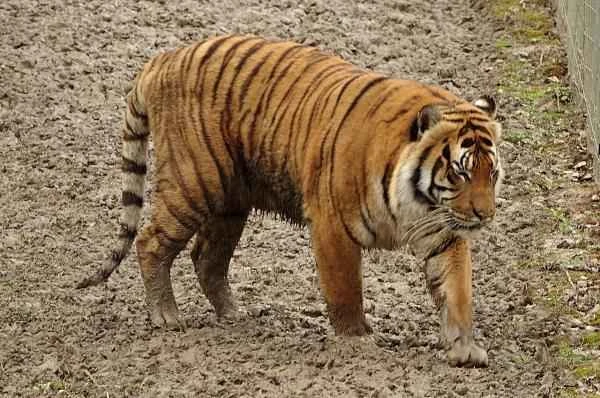
4) Sumatran tiger (Panthera tigris sumatrae)
Found only on the island of Sumatra in Indonesia, it is the smallest extant tiger subspecies. A skilled swimmer, it is commonly found in tropical rainforests and swamps. Genetic analysis reveals unique genetic characteristics, making it of great conservation value; it is currently classified as critically endangered.
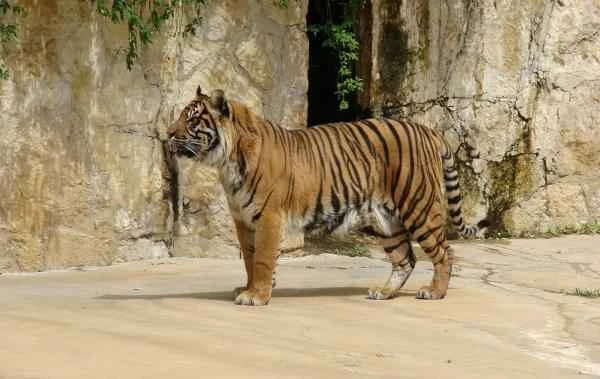
5) Siberian tiger (Panthera tigris altaica)
Also known as the Amur tiger, it is found in the Russian Far East and the border region between China and Russia. It is the largest extant tiger subspecies, adapted to extremely cold environments, with its fur becoming particularly thick in winter. There are fewer than 500 individuals in the wild worldwide, and the main threats are poaching and habitat loss.
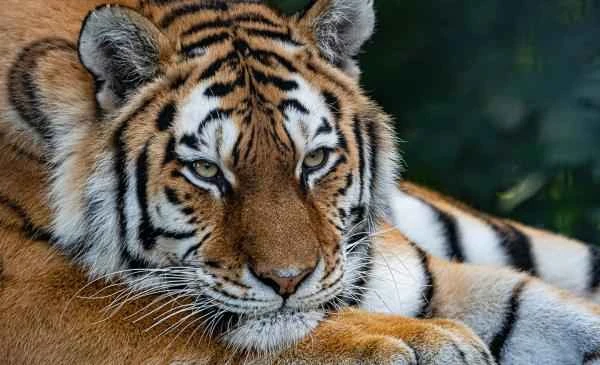
6) South China tiger (Panthera tigris amoyensis)
Also known as the "Xiamen tiger," it is the world's most endangered tiger subspecies, now extinct in the wild and only found in a few zoos. It is considered the ancestor of all modern tigers, making its conservation extremely important.
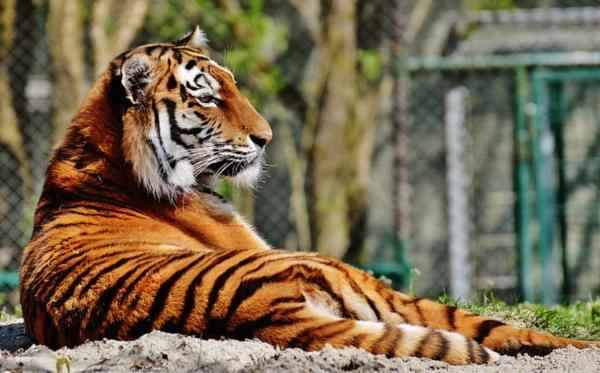
3. Extinct tiger subspecies
There were also three extinct tiger subspecies in history:
The Caspian tiger (Panthera tigris virgata) – found around the Caspian Sea, became extinct in the 1970s;
Javan tiger (Panthera tigris sondaica) – Java, Indonesia, extinct in the 1980s;
Bali tiger (Panthera tigris balica) – Bali, extinct in the 1940s.
4. Reasons for Tigers' Endangered Status and the Significance of Conservation
Poaching, habitat loss, and human-wildlife conflict are the main reasons for tigers' endangerment. Their fur, bones, and organs fetch high prices on the black market, while human activities leading to deforestation drastically shrink their habitat. Protecting tigers not only saves top predators but also helps maintain the integrity of ecosystems and biodiversity.