Argentina boasts an incredibly rich reptile diversity. From stunning crocodiles and monitor lizards to a variety of snakes, lizards, and unique native turtles, the miracles of survival and evolution unfold across this vast land. Whether you're a nature enthusiast, science writer, or wildlife conservation volunteer, this complete list of Argentine reptiles is a must-have!
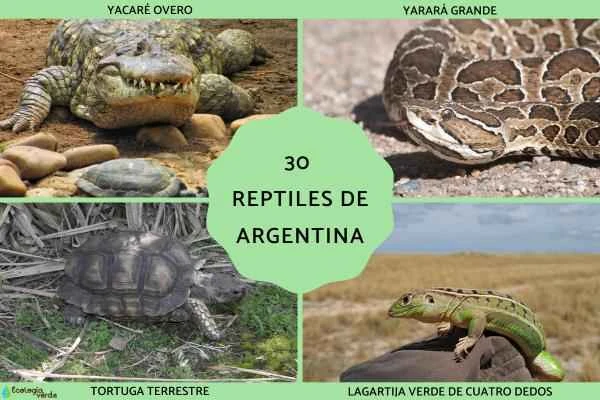
Table of contents
Overview of common reptiles in Argentina
Detailed introduction of representative species
Yacaré overo
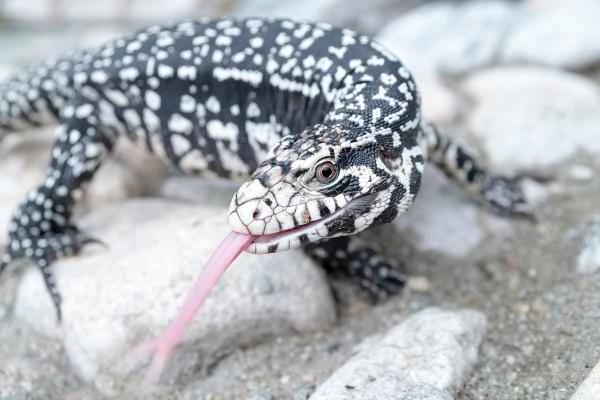
Argentine monitor lizard (Lagarto overo)
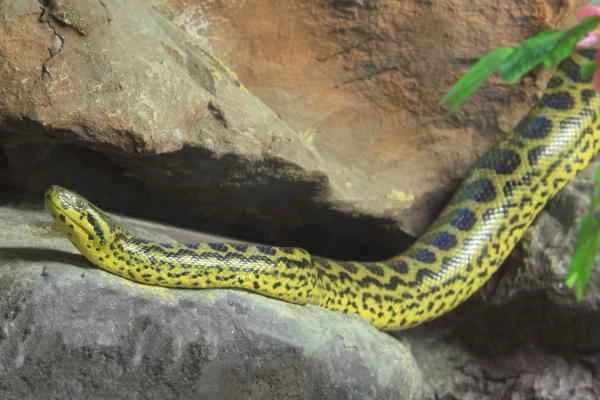
Boa curiyú (黄阿那康达)
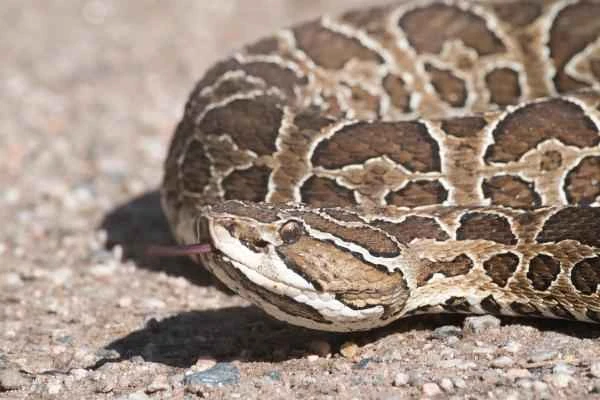
Yarará grande (cross-shaped poisonous viper)
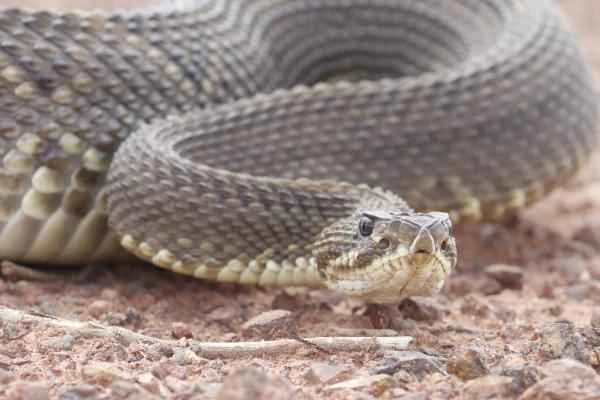
Rattlesnake (Cascabel)
Coral snake (Serpiente coral)
Lake Turtle/Bell Turtle (Tortuga de laguna)
Tortoise (Tortuga terrestre argentina)
Other representative species
Other Argentine Reptiles
Significance of species diversity conservation
1. Overview of Common Reptiles in Argentina
Argentina is home to hundreds of reptile species, including crocodiles, monitor lizards, pythons, vipers, various lizards, and native turtles. For example, alligators, monitor lizards, yellow anakonda, poisonous vipers, rattlesnakes, coral snakes, lake turtles, and tortoises are all essential species in the Argentine ecosystem.
2. Detailed introduction of representative species
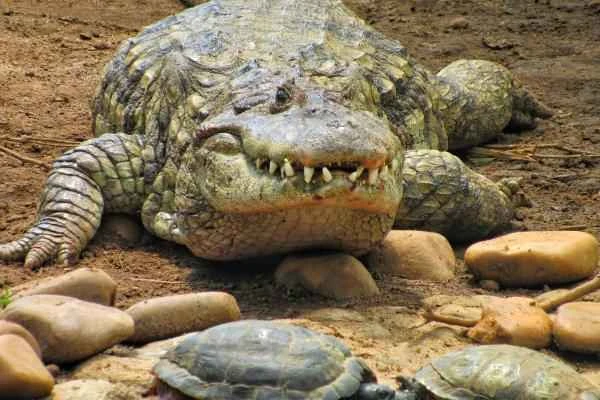
1) Alligator (Yacaré overo, Caiman latirostris)
Characteristics: One of the two types of crocodiles in Argentina, with a short and wide snout, reaching a maximum length of 3.16 meters.
Habitat: Rivers, swamps, shallows, with a preference for lush, vegetated waters.
Protecting the status quo: Promoting sustainable use and conservation through the "Yacaré Project".
2) Argentine monitor lizard (Lagarto overo, Salvator merianae)
Characteristics: Body color is dark gray to black, with white horizontal bars and ringed tail bands.
Habitat: Omnivorous, oviparous, hibernates in winter.
Conservation measures: The "Tupinambis Project" advocates for scientific management to protect leather and meat resources.
3) Huang Anakangda (Boa curiyú, Eunectes notaeus)
Characteristics: One of the largest aquatic snakes in South America, with a yellow base and black spots; females are larger than males.
Habits: Commonly found in wetlands and grasslands, with a wide range of diets including fish, amphibians, birds and mammals.
They can reach up to 4 meters in length and weigh over 40 kilograms.
4) Cross poison viper (Yarará grande, Bothrops alternatus)
Characteristics: Venomous snake, with a cross-shaped marking on its head and a robust body.
Habitat: Grassland and waterside.
Harm: It is one of the main causes of snakebites in the local area.
5) Rattlesnake (Cascabel, Crotalus durissus terrificus)
Features: It has a unique rattle at the end of its tail to warn predators.
Color: Yellowish-brown with dark diamond patterns.
Habitat: Dry grasslands and sparse shrublands.
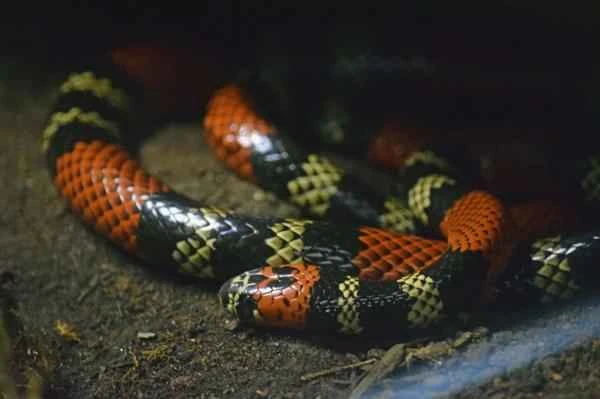
6) Coral snake (Serpiente coral, Micrurus altirostris)
Characteristics: Red, black, white and yellow tricolor bands, slender body shape.
Danger: Highly poisonous, mainly distributed in northern Argentina.
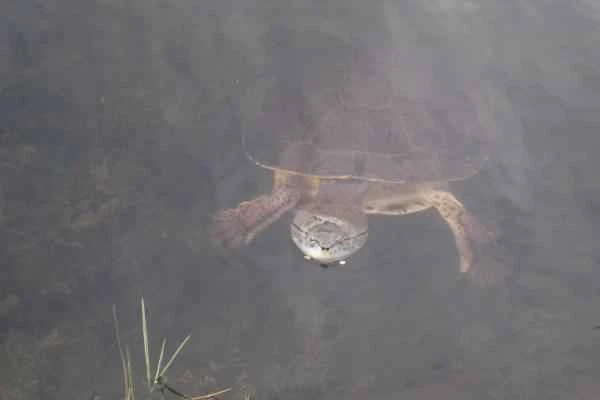
7) Lake turtle/Bell turtle (Tortuga de laguna, Phrynopsis hilarii)
Characteristics: Freshwater turtle, adapted to aquatic life, with webbed limbs.
Habits: Omnivorous, highly social.
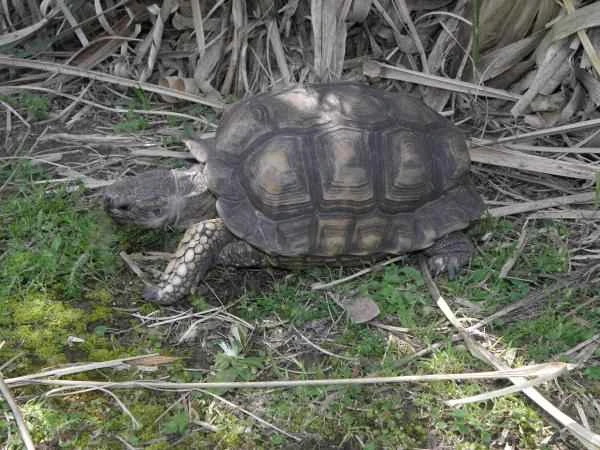
8) Argentine tortoise (Tortuga terrestre argentina, Chelonoidis chilensis)
Characteristics: Tall, round, brown shell; primarily herbivorous.
Conservation status: Vulnerable, threatened by habitat destruction and illegal trade.
3. Other representative species (selected from a few)
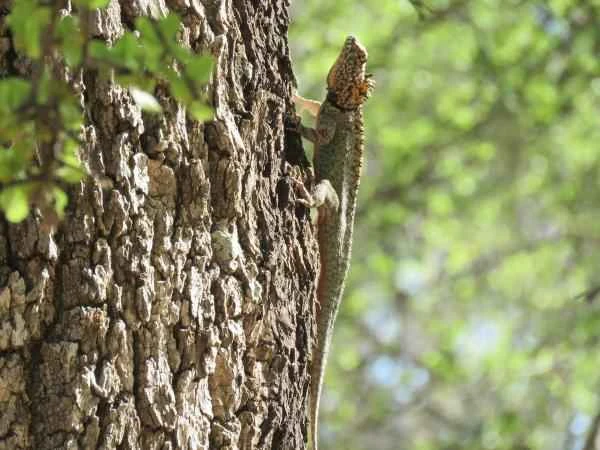
Rock-splitting lizard (Lagarto de los quebrachales, Tropidurus spinolosus) : Commonly found in rocky areas and on tree trunks, with spines along its back.
Striped lizard (Mabuya listada, Aspronema dorsivittatum) : A small lizard with a wide distribution.
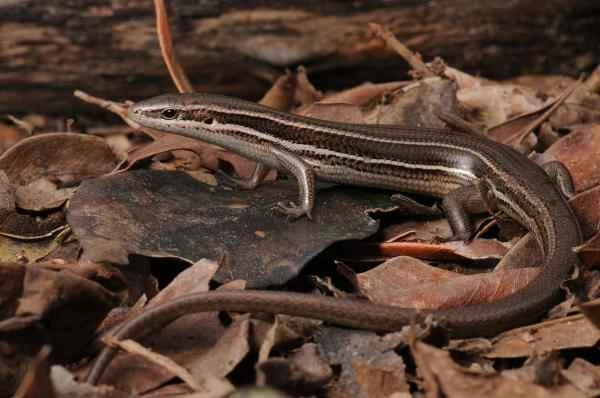
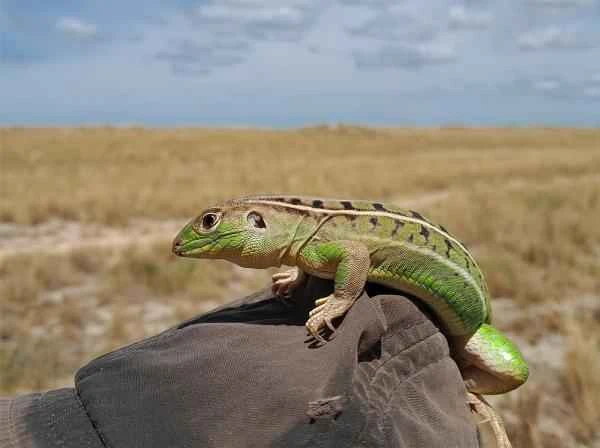
Four-toed Green Lizard (Lagartija verde de cuatro dedos, Teius oculatus) : Strong, fast runner, and good at digging burrows.
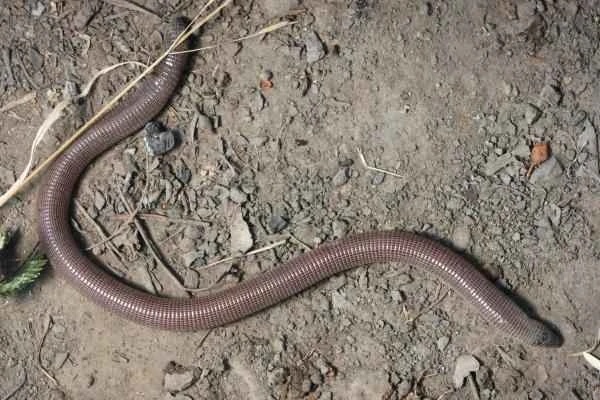
Blind snake (Viborita ciega, Amphisbaena darwinii) : A limbless lizard that lives underground and is extremely secretive.
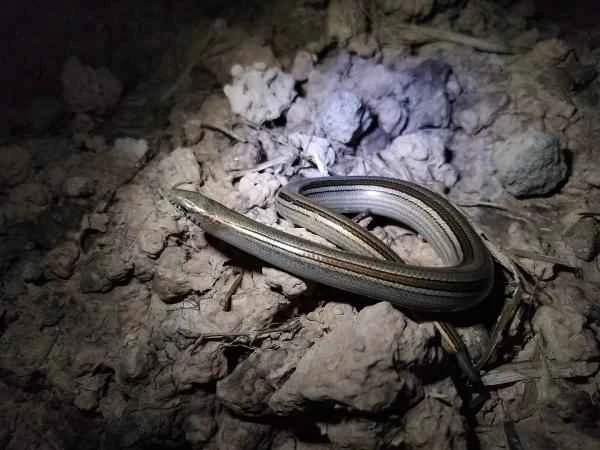
Crystal snake (Viborita de cristal, Ophiodes intermedius) : A limbless, shiny-skinned lizard, often mistaken for a snake.
Salamanca gecko (Gecko salamanca, Homonota fasciata) : Nocturnal, widely distributed.
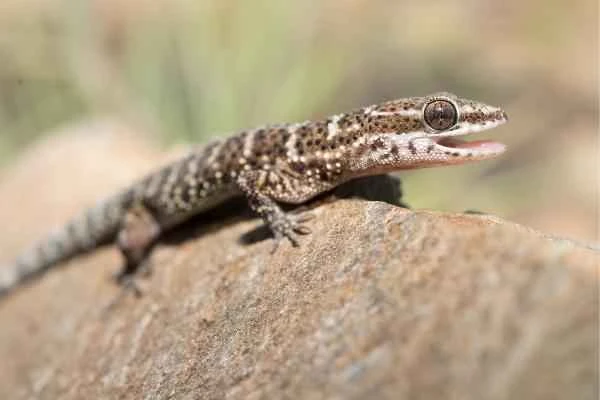
Chaco lizard (Lagartija chaqueña, Liolaemus chacoensis) : A small lizard endemic to the Chaco region.
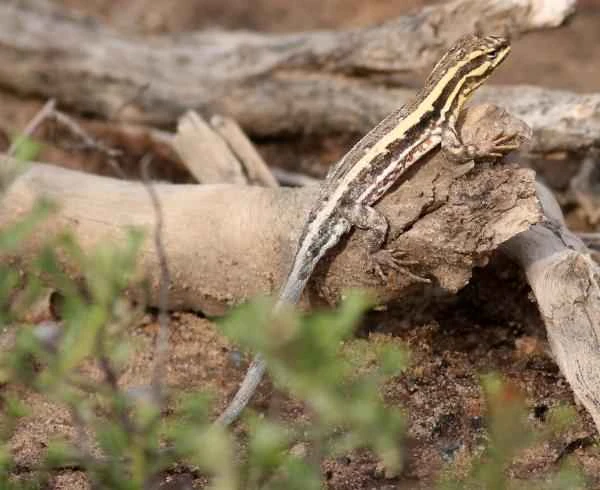
4. Other Argentine Reptiles (Supplement to Common/Important Species)
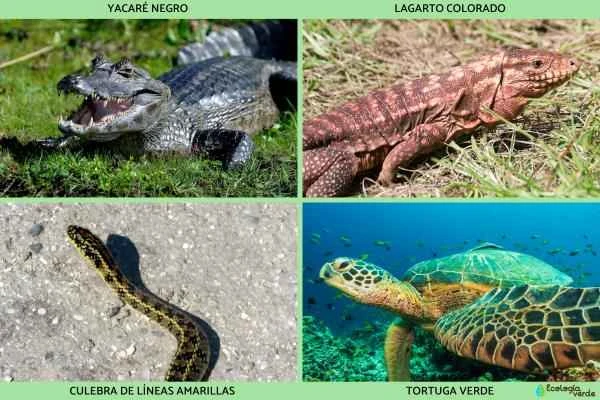
Black crocodile, red monitor lizard, eastern climbing lizard, teryu lizard, false chameleon, false cross viper, false coral, giant water snake, bulb python, yellow-striped snake, grass snake, Moroccan tortoise, snake-necked turtle, green sea turtle, red sea turtle, etc.
5. The significance of conservation and biodiversity
Argentina's reptiles are not only an important part of the ecosystem but also play an irreplaceable role in scientific research and nature education. However, habitat loss, environmental pollution, and illegal hunting continue to threaten many species. Strengthening the protection and sustainable management of native species is of great significance for maintaining biodiversity and ecological security.