For most wild animals, reproduction can be a sudden and intense urge, perhaps triggered by a scent associated with a mate or by witnessing behaviors that symbolize a reproductive invitation. Below, we've compiled a list of animals with the strongest reproductive desires: dolphins, fur seals, longhorn beetles, elephants, yellow-bellied buntings, rabbits, Indian stick insects, honeymoon flies, bonobos, and mosquitoes. Let's take a look!
1. Dolphins
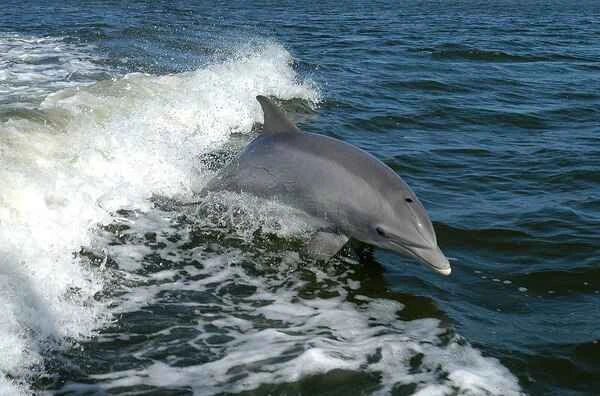
Dolphins are not only highly intelligent but also extremely curious creatures, which may explain why they seem eager to engage with almost anyone they encounter. They can mate several times a day, and male dolphins can even force females to reproduce. Furthermore, dolphins are extremely selective in their choice of breeding partners, seeking out other animals or hard objects to satisfy their desires. They have mated with turtles, sharks, eels, and other animals, and have even engaged in numerous bestiality relationships.
2. Sea lion
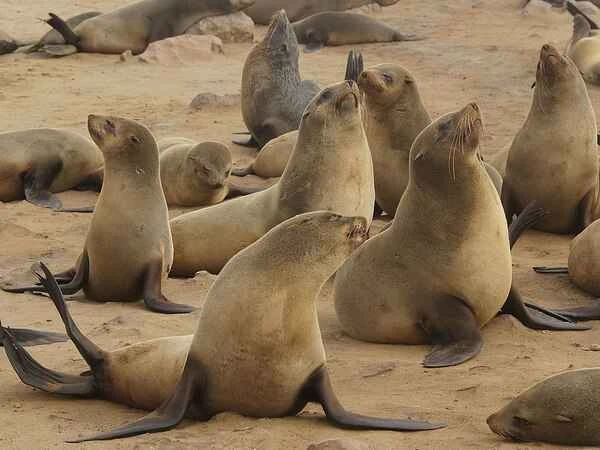
Nature has miraculously granted them the privilege of polygamy, with each male fur seal having a varying number of females. In rare cases, some particularly unfortunate males may only have one or two females, while others can reproduce with 50 or even 100 females. One to five days after mating, the females give birth to their only offspring. Immediately after giving birth, the females begin a new breeding cycle, mating with males again. They truly never stop!
3. Longhorn beetle
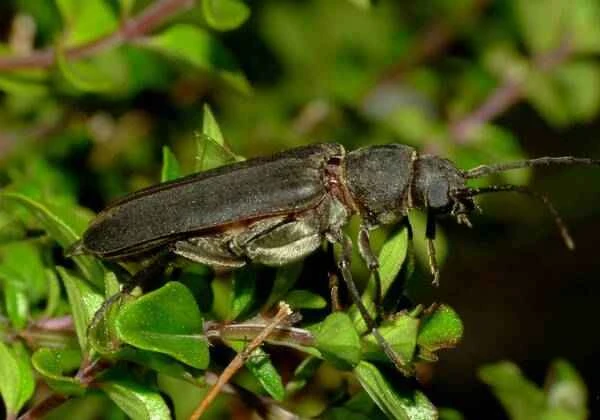
Research data from Dr. Michael Mayerus of the University of Cambridge in the UK shows that longhorn beetles reproduce more frequently and with higher quality than any other animal: they can reproduce for up to 9 hours a day, with each sexual encounter lasting up to 90 minutes, and each session lasting three times in succession. This excessive sexual activity naturally takes a heavy toll on the longhorn beetle's body. Because this small animal has no time to replenish its calorie expenditure, its lifespan is reduced to only one year! Besides reproduction, longhorn beetles are almost always eating whenever they have free time, resulting in them consuming approximately 20 leaves covered in harmful substances every day.
4. Elephant
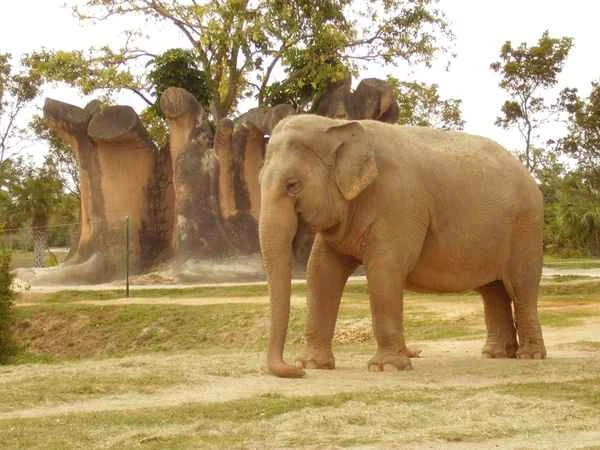
Elephant breeding season is very short, lasting less than a minute. However, during the annual breeding season, a male elephant's intense desire drives it into a frenzied state, with its testosterone levels surging for several months. During this time, even if it's not the alpha male, it can still dominate the herd. When a male elephant cannot find a female during the breeding season, it may even mate with a rhinoceros. Desire makes the elephant incredibly agitated, and if the rhinoceros resists, it will attack it with its fists and feet—it's terrifying!
5. Yellow-bellied Iron-clawed Bunting
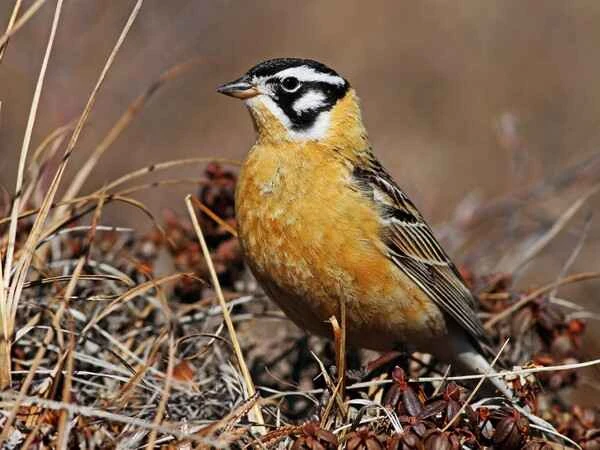
This unassuming bird breeds incredibly frequently, completing up to 365 breeding cycles in just over a week. At its peak, they breed 5.3 times per hour. During their fertile period, females actively choose their preferred males; their mate selection is not fixed, and can even be described as indiscriminate. Each female will seek out two or three males from within her territory or the vicinity to breed with, while the males simultaneously breed with several nearby females.
6. Rabbit
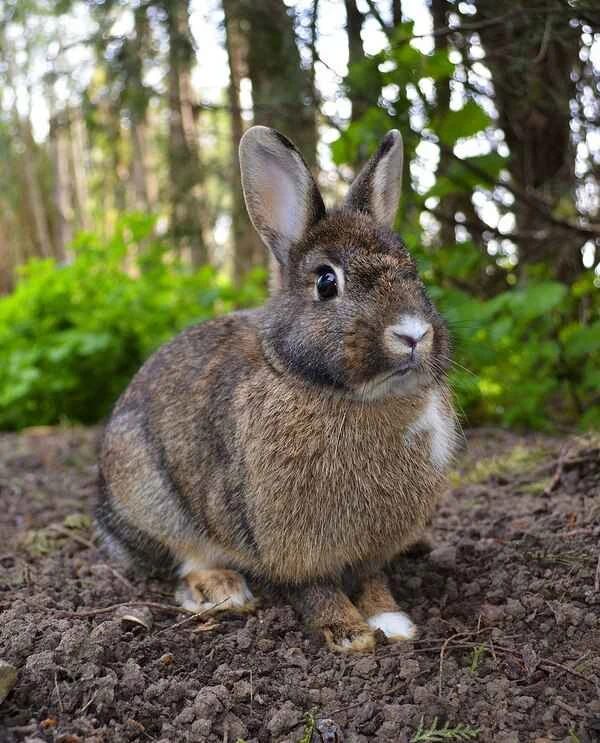
When talking about animals with a strong reproductive drive, rabbits are a must-mention. Rabbits can reproduce year-round, without a fixed ovulation period. The female rabbit ovulates whenever the male rabbit conquers her. The breeding season for rabbits lasts 3-5 days, with a cycle of 7-15 days. During the breeding season, a female rabbit with a strong libido will actively court and mount male rabbits, even mounting her own kits or other female rabbits. When the male rabbit chases and mounts her, she will lie down, stretch her body, and raise her hindquarters to accommodate the male's reproductive actions, indicating her willingness to reproduce.
7. Stick insect
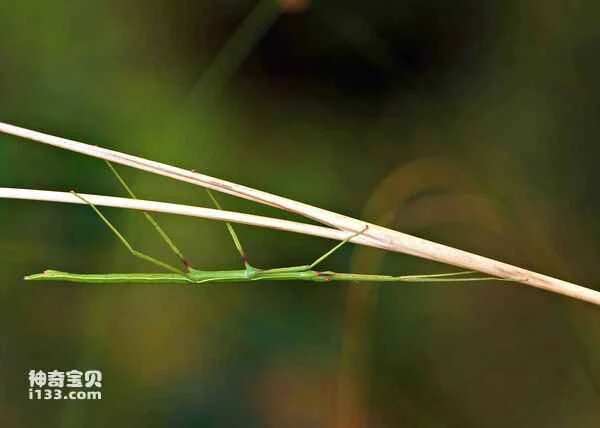
Indian stick insects can reproduce for up to 79 days, a world record. During this time, the male clings tightly to the female's back. When the male and female's tails unite, sperm is released into the female's body. Of course, during this nearly three-month-long reproductive period, the male cannot continuously inject sperm; instead, he mates with the female intermittently, releasing sperm intermittently. This extremely long reproductive period of the stick insect is an extreme example of "mate-maintaining reproduction."
8. Honeymoon Fly
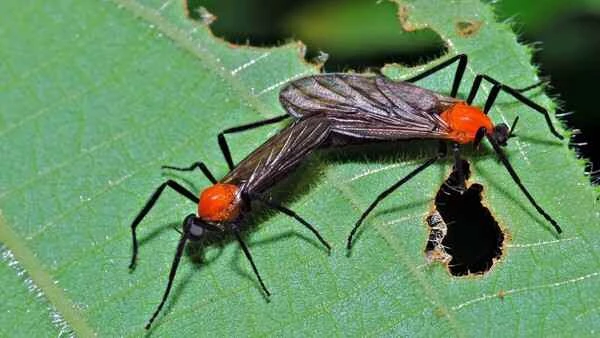
Newly mature male honeymoon flies hover low in the air, gathering in dense swarms, waiting for the females to emerge from their pupae. When the females finally emerge, a swarm of males swoops down like a storm, covering them completely. The males violently vie for the female's attention, bumping against her body as they compete to reproduce. It's terrifying! After successful reproduction, the males maintain only a telson connection with the female and live together for a full five days!
9. Bonobos
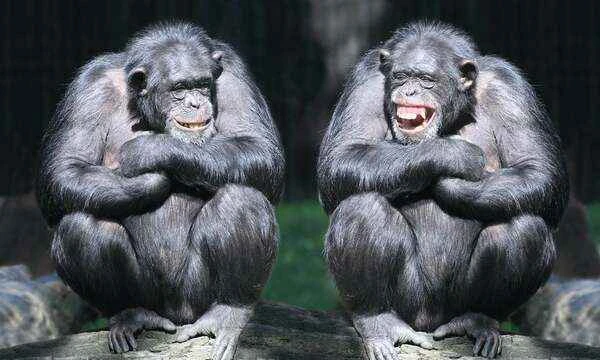
"The most promiscuous of animals," bonobos reproduce at the drop of a hat, using this behavior as the most important communication tool in their social lives. From conflict resolution to food payment, everything is resolved through indiscriminate reproduction. They engage in both heterosexual and homosexual relationships. Their frequent reproduction eliminates many conflicts. Bonobos allow reproduction at any time, even the infants are busy breeding; however, males over six years old will no longer reproduce with their mothers. Their reproductive posture is not like that of other apes, which simply mount, but rather resembles that of humans.
10. Mosquitoes
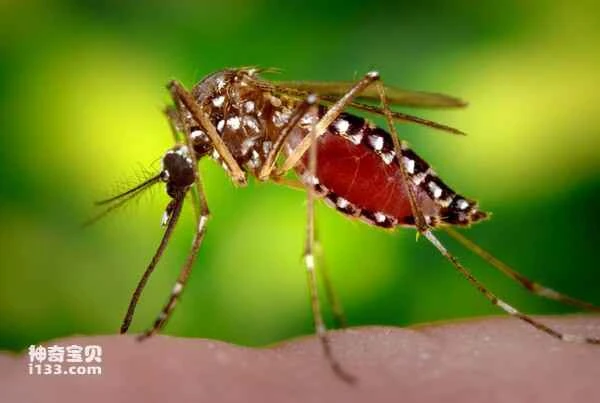
Male mosquitoes typically prepare for reproduction in the first few days after reaching adulthood, while female mosquitoes are usually ready to reproduce as soon as they emerge from their pupae. Males will wait nearby while the female is still a pupa, and once she hatches, they will seize her respiratory tube and reproduce with her. At this stage, the female mosquito is essentially still an immature—how eager these mosquitoes are! Of course, males have ways of distinguishing between males and females inside the pupa. Otherwise, the mosquito world would be in chaos.
This list of the top ten animals with the strongest reproductive desires is compiled from descriptions on relevant websites. The order is not ranked and is for your reference and entertainment purposes only. If you have any questions, please feel free to comment/criticize at the end.