Reproduction among animals often begins, proceeds, and ends in violence, with the entire process sometimes resembling a nightmare, and even resulting in death. This article will list ten animals with bizarre reproductive behaviors, including marsupials, bedbugs, weevils, flatworms, bees, octopuses, anglerfish, Pacific banana slugs, jumping spiders, and orb-weaver spiders. Below are the details; let's take a look.
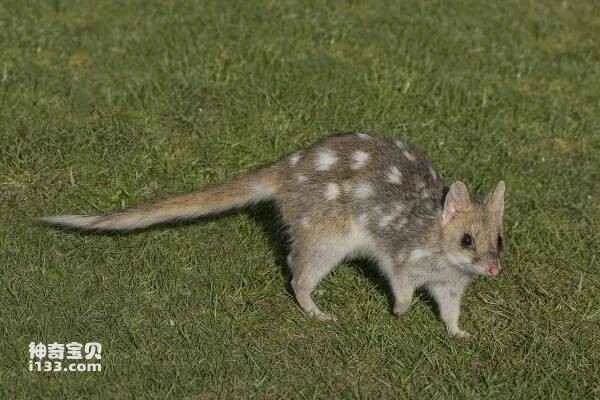
1. kangaroo
Every winter, female marsupials enter their breeding season, leading to a violent breeding frenzy within the marsupial family. Male marsupials attempt to reproduce with as many females as possible. They grab females by the neck, forcibly drag them away, and then reproduce. Typically, a marsupial breeding session can last up to three hours, sometimes even an entire day. The reason for this protracted struggle is that male marsupials cannot ejaculate a large amount of fluid at once, requiring multiple attempts to ensure the female is pregnant and thus perpetuate their genes. After breeding, to avoid competing with their offspring for food in the already harsh environment, the male marsupials collectively choose to die.
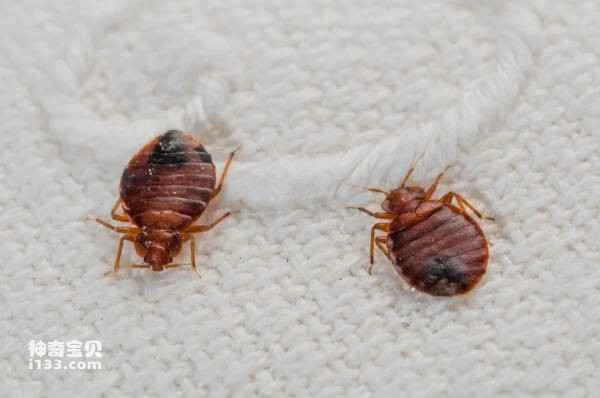
2. Bed bugs
Bed bugs have a very unusual reproductive method. Unlike some other animals that court before reproducing, male bed bugs don't seek out the female's reproductive organs. Instead, they insert their reproductive organs directly into the female's stomach, ejaculate, and then quickly run away. The fluid then enters the female's bloodstream, flows into the spermatheca, and finally into the ovary. This reproductive method has a gruesome name: "traumatic insertion."
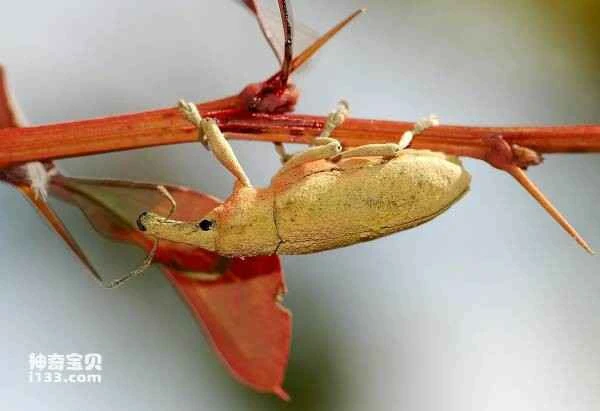
3. Weevils
Over 350,000 species of beetles live on Earth, each with its own unique and diverse reproductive methods. Among them, female weevils often suffer a tragic fate during reproduction. Male weevils possess terrifying spines on their reproductive organs, frequently injuring the females during the process. Given that reproduction is an exceptionally painful process, why do female weevils agree to reproduce with males? Weevils live in extremely arid regions, and liquids provide the females with the much-needed water. With ample water, the females' reproductive interest decreases significantly; however, when water is scarce, they become intensely thirsty for reproduction.
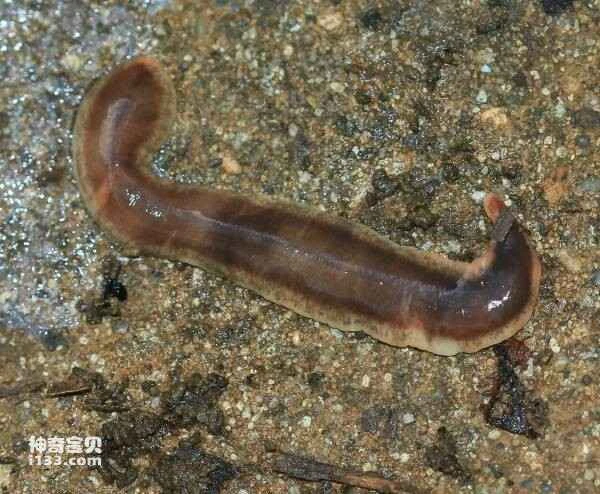
4. Flatworm
Reproduction might seem straightforward for hermaphroditic animals, but the reality is often quite different. Take flatworms, for example; they fight for the right to be fathers, making reproduction a dangerous activity. These animals possess dagger-like reproductive organs, used not only for reproduction but also for hunting. During reproduction, two flatworms fight, neither wanting to be the mother. The flatworm that is stabbed becomes the mother, shouldering the responsibility of raising the offspring, while the victor continues to enjoy bachelorhood, seeking another mate.
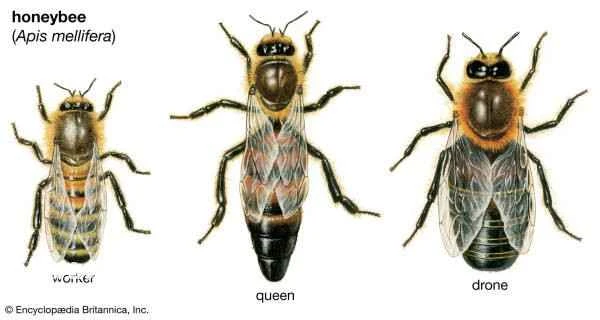
5. Bees
We all know that bees die shortly after stinging. Drones meet the same fate after mating with the queen. Before mating, the new queen eliminates all her sisters to ensure her dominance of the hive is not threatened. The queen mates with a dozen or so drones. These drones are chosen from tens of thousands of drones in the hive—a lucky selection, but this good fortune quickly turns to misfortune. The drone dies shortly after its reproductive organs rupture inside the queen. The queen stores the fluid for later use. This fluid can produce 1,500 eggs per day, a process that can continue for up to three years.
6. Octopus
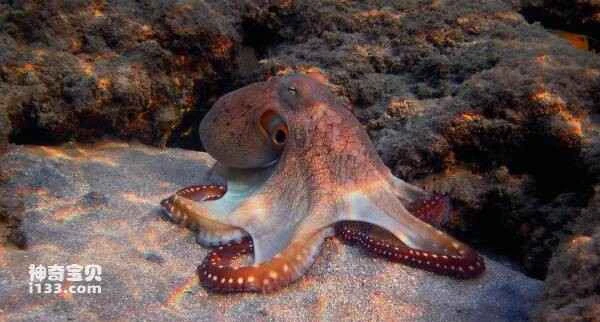
The reproductive process of some octopus species is even more bizarre. The male paper nautilus octopus can detach its reproductive organ from its body and swim towards the female. Male cloak octopuses are only about one forty-thousandth the size of females. They swim to a chosen female, attach their reproductive organ to her body, and then swim away, dying shortly afterward. The female is almost unaware of the entire process. The male's reproductive organ moves all the way to the opening of the female's gills, waiting for her eggs to mature. At this point, it removes its reproductive organ, tears open its seminal vesicle, and allows fluid to combine with its eggs. By this time, its mate may no longer be alive.
7. Anglerfish
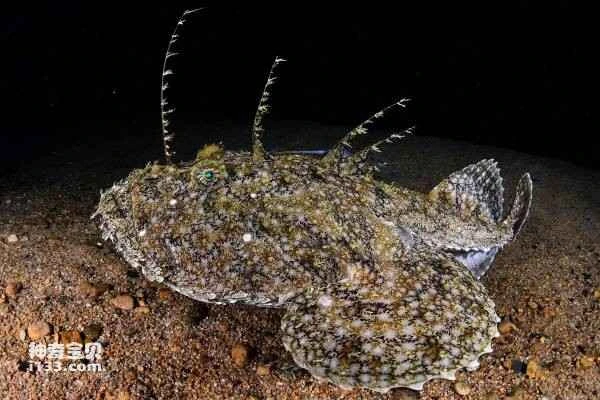
Not only are anglers ugly, but the males are also rather cunning. When you're looking for a lifelong mate, you'll naturally be very attentive to the woman you desire. But anglers are different. When a male finds a beautiful woman, he'll bite her and release a biochemical enzyme that binds them together, and they'll remain stuck together, forever embracing. When the female is ready to reproduce, the male's reproductive organs provide her with sperm.
8. Pacific Banana Slug
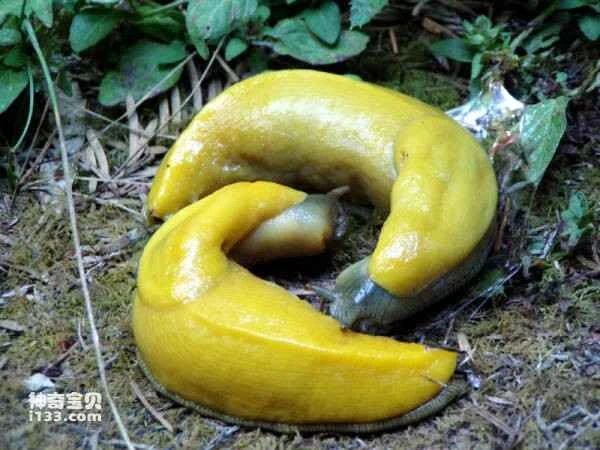
The Pacific banana slug uses pheromones to attract other slugs for reproduction. This species is hermaphroditic, with each animal possessing both male and female reproductive organs. Banana slugs can reproduce and lay eggs year-round, and their breeding rituals can last over 12 hours, often reaching unbelievable levels. Their breeding conditions are demanding and cruel; firstly, they select mates with reproductive organs of similar size; secondly, during reproduction, these hermaphroditic banana slugs chew on each other's reproductive organs.
9. Jumping spider
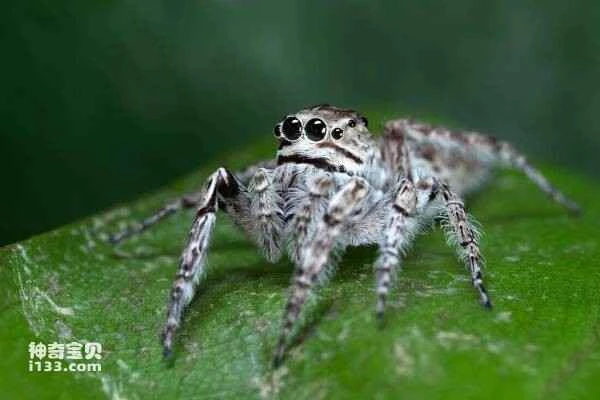
Jumping spiders use UVB (medium-wave ultraviolet light) to communicate during courtship, but this UVB is invisible to humans. When exposed to UV light, the scales of male jumping spiders turn white and green, while the antennae of females turn green. Without UVB, jumping spiders lose interest in reproduction. In other words, when the opposite sex is in the absence of UV light, the brightly colored scales and antennae are absent, making it difficult for the spider to develop a reproductive interest.
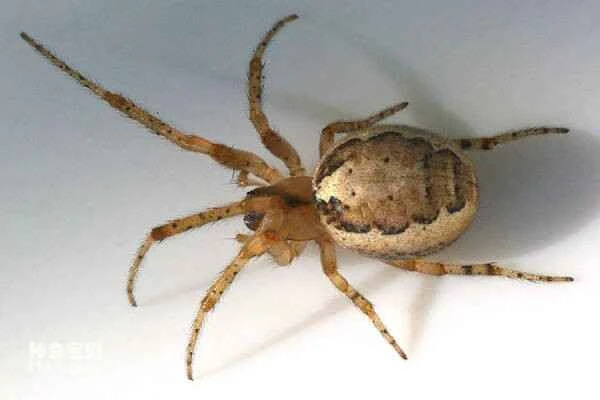
10. Orb-weaver spider
During the reproductive process, orb-weaver spiders voluntarily sacrifice their bodies, following a predetermined procedure to die or become food for the female. After injecting a fluid into the female using its antennae, the male dies immediately. Its heart stops beating at the same time as the injection. This strategy of willingly sacrificing to secure paternity further promotes successful male reproduction. The antennae of the dead male remain swollen, making them difficult to remove. These antennae act as reproductive sockets, preventing other competitors from taking over the female's body.
This list of the top ten animals with unusual reproductive behaviors is primarily based on their various behaviors during the breeding season, and also references relevant internet rankings/lists. This list is for reference only and aims to help you understand these ten animals with unusual sexual behaviors. If you have any questions, please feel free to comment/discuss at the end.