Turtles are undoubtedly one of the easiest pets to keep! However, some species in the turtle world are quite challenging to care for, requiring owners to invest time and effort in maintaining water quality, environment, and diet. Below, we've listed ten of the most challenging aquatic turtle species: Malayan snail-eating turtle, leaf turtle, diamondback terrapin, pig-nosed turtle, four-eyed turtle, serrated turtle, round-eared turtle, spiny turtle, yellow-margined box turtle, and snake-necked turtle. Keeping these turtles requires higher levels of technical expertise and meticulous care, so please conduct thorough research and preparation before considering keeping them. Simultaneously, it's essential to constantly monitor their health and provide them with a suitable habitat and a nutritionally balanced diet.
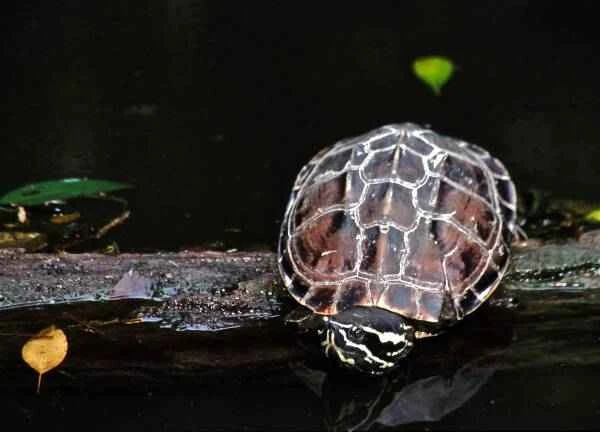
1. Malayan snail-eating turtle
The Malayan snail-eating turtle, also known as the Malayan tortoise or snail-eating turtle, is a rare species native to Southeast Asia. They are absolutely off-limits for novice turtle keepers, as they are among the most challenging turtle species. These turtles are typically sensitive and timid, and have a weak ability to adapt to new environments. Close monitoring of temperature changes is crucial in their daily care, as they are extremely sensitive to temperature fluctuations. Furthermore, Malayan snail-eating turtles have very high requirements for water quality and are prone to shell rot, a common problem among Southeast Asian turtle species.
In addition, the Malayan snail-eating turtle has a very specific diet, mainly consisting of aquatic snails, freshwater snails, and clams. Because these animals mostly have hard shells, owners need to help them break their shells regularly, taking care of them with almost the same care as a baby.
2. Leaf Turtle
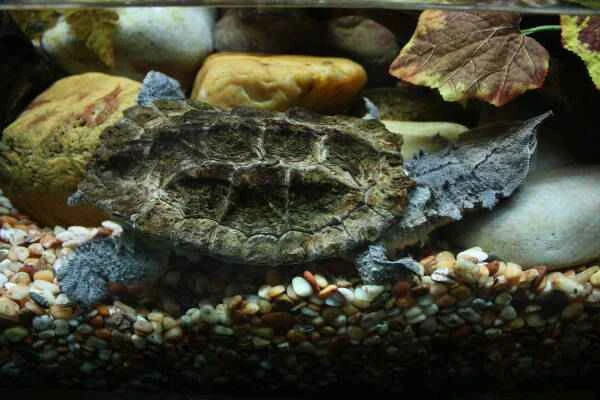
The mata mata turtle, also known as the leaf turtle, originates from northern South America. Its unique appearance attracts many people to keep it as a pet, but the process of raising it is quite demanding and requires considerable care. Leaf turtles have very small eyes and are afraid of direct sunlight, preferring a dark environment. Therefore, special attention must be paid to providing a suitable environment when keeping leaf turtles.
Leaf turtles have very strict water quality requirements. They need balanced water, typically with a pH between 5.5 and 6.5, generally maintained around 6. Water temperature is equally important, and must be kept warm between 26 and 28 degrees Celsius. This requires owners to monitor and adjust the water quality and temperature as needed to ensure the turtles' living environment meets these requirements. Furthermore, leaf turtles almost exclusively eat live food, which may require owners to find ways to obtain live small fish daily, potentially causing some inconvenience.
3. Diamondback Tortoise
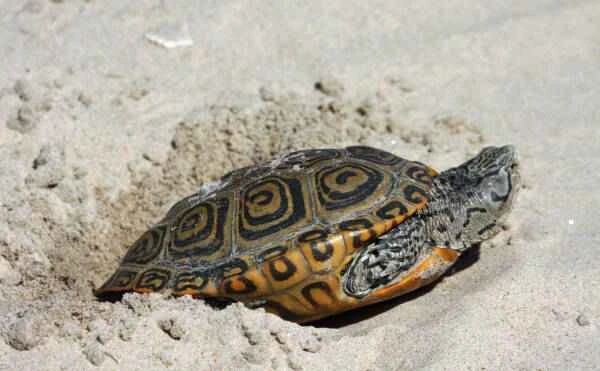
Diamondback terrapins are native to the eastern and southern United States and live in brackish water, making them relatively difficult to keep. To successfully keep diamondback terrapins, there are several important points to consider. First, it's best to add sea salt or coarse salt to the water to create a suitable aquatic environment for them. This closely mimics their natural habitat. Furthermore, diamondback terrapins have very sensitive skin, so a high-efficiency filter is essential. If using sea salt, you'll also need to use common nitrifying bacteria found in freshwater aquariums to ensure stable and purified water.
In addition, to maintain good water quality, it is essential to feed them outside the tank so that their feces can be cleaned up promptly. Diamondback turtles have a large appetite, but we need to control the amount they are fed. Hatchlings should be fed twice a day, while adults should be fed once every two days. As they grow, we need to pay attention to the variety of their diet to ensure that their nutritional intake is balanced and comprehensive.
4. Pig-nosed turtle
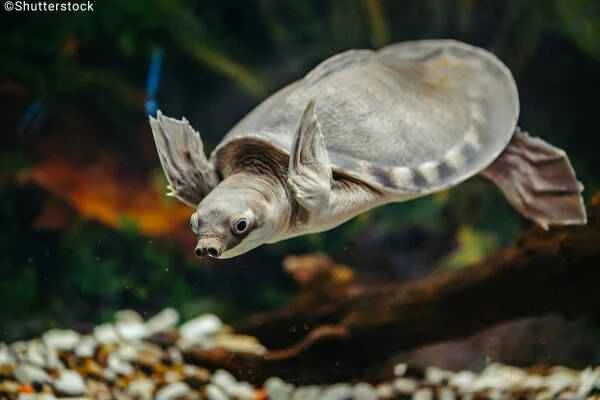
Pig-nosed turtles, native to Australia, Irian Jaya, and New Guinea in Oceania, are beloved by many turtle enthusiasts for their adorable appearance. However, they are a very delicate species, requiring a relatively high level of care. To successfully keep pig-nosed turtles, there are some important points to keep in mind.
First, pig-nosed turtles are large aquatic turtles, so in captivity, the tank must provide ample space for them to move around. This ensures they can swim and stretch comfortably. Maintaining the water temperature is also crucial, with an optimal range of 25-30 degrees Celsius. The pH level should ideally be between 8.0 and 8.3 to create a suitable aquatic environment for their growth.
Pig-nosed turtles are highly aquatic, so their feces can easily lead to eutrophication of the water. Therefore, we need to change the water regularly and disinfect it every 20 days using quicklime or bleach to ensure cleanliness and health. This helps reduce the accumulation of impurities and bacteria, maintaining the hygiene of the turtle enclosure.
5. Four-eyed Spotted Turtle
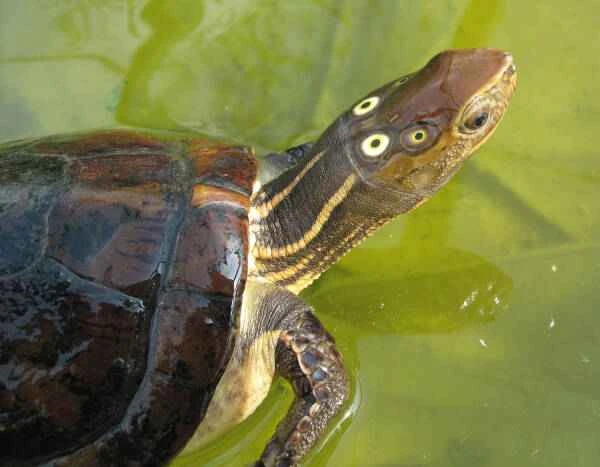
The four-eyed turtle is a timid species that prefers to inhabit dark, secluded spots on the bottom of the water. There are several important points to keep in mind when keeping this turtle. First, regardless of where the turtle was acquired, it needs to be quarantined and disinfected to ensure its health.
Four-eyed turtles are omnivorous, but prefer animal-based food. They enjoy lean pork, small shrimp, small fish, and mealworms. To meet their dietary needs, we need to provide appropriate types and portions of food. Remember, feeding turtles is only one part of providing them with food; we also need to ensure a suitable living environment.
Four-eyed turtles are poikilothermic animals; their activity and food intake change with the ambient temperature. Therefore, recording air and water temperatures is crucial for daily care. By observing temperature variations, we can monitor the turtles' activity and feeding patterns. Pay particular attention to their food intake to ensure their health.
6. Saw-edged turtle
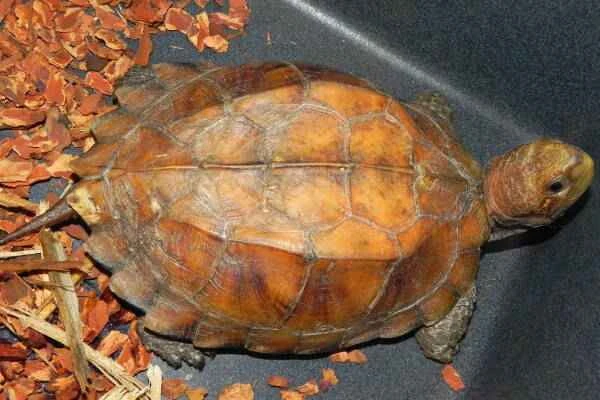
The serrated turtle, also known as the eight-horned turtle, gets its name from the eight serrated protrusions on the back of its carapace. It is a native turtle species to China. Compared to other aquatic turtles, the serrated turtle prefers terrestrial life, so its enclosure needs to be semi-aquatic, semi-terrestrial. Some people choose to line their enclosures with coconut fiber.
Saw-edged turtles have a somewhat challenging diet, requiring a suitable temperature to eat. If the temperature is unsuitable and causes a loss of appetite, you can consider purchasing a heat lamp or similar device to provide adequate warmth. However, be mindful of temperature fluctuations and avoid excessively high temperatures. Generally, saw-edged turtles prefer live food such as earthworms and mealworms. Adding appropriate amounts of fruits and vegetables can increase the variety and nutritional balance of their diet. Remember, keeping saw-edged turtles requires providing a diverse range of food options to meet their nutritional needs.
7. Round Australian Tortoise
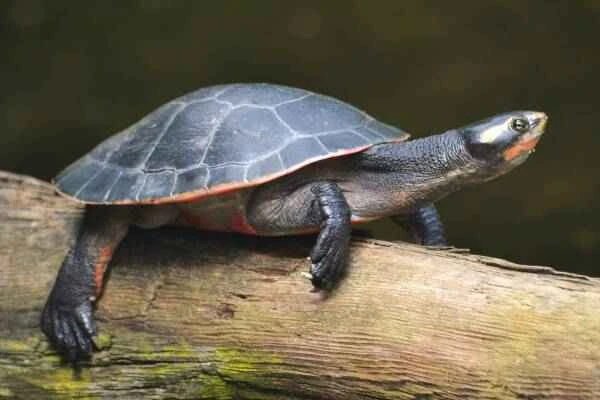
The Australian round-necked turtle, also known as the red-striped curved-necked turtle, is native to Oceania. They are highly aquatic turtles, rarely leaving the water, only coming ashore to bask in the sun and build nests. They love sunbathing, so a solar lamp or heat lamp is necessary; however, natural sunlight is the best option.
To meet the needs of Australian round turtles, we should provide slopes made of cork bark, plastic plants, etc., allowing them to climb out of the water and providing support for their nighttime rest. Australian round turtles are very sensitive to water quality; using tap water can easily cause shell rot, so it's best to use aged water. Finally, it's crucial to ensure that Australian round turtles regularly bask in the sun on their backs. If they are kept indoors long-term, UVB lighting must be provided to meet their needs. Maintaining appropriate lighting conditions is essential for their health.
8. Spiny Mountain Tortoise
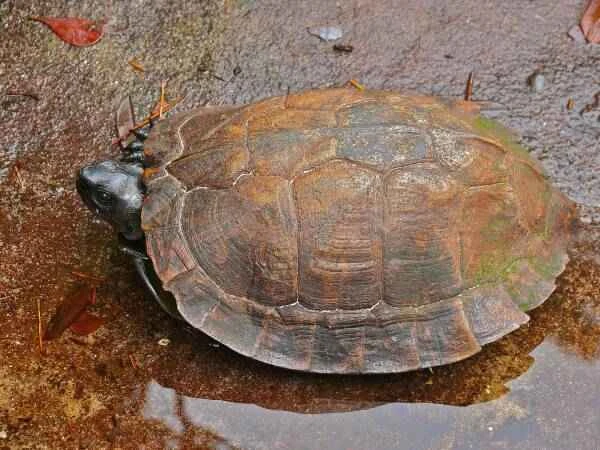
Spiny mountain tortoises are known for the ring of spines around their carapace, making them popular pets. Adult spiny mountain tortoises should be kept in a large aquatic enclosure with separate water and land sections. They should be sprayed with water once or twice a week using a sprinkler system to maintain the necessary humidity.
In addition, spiny tortoises require adequate lighting and basking conditions. The ambient temperature should be maintained between 27-30°C, ensuring a 12-hour daylight and 12-hour nighttime light cycle daily. They are cold-blooded animals and highly susceptible to temperature fluctuations, so keepers need to constantly monitor the temperature. Spiny tortoises are herbivores, and vegetables and fruits are generally their primary diet, with moderate amounts of meat also acceptable.
9. Yellow-throated box turtle
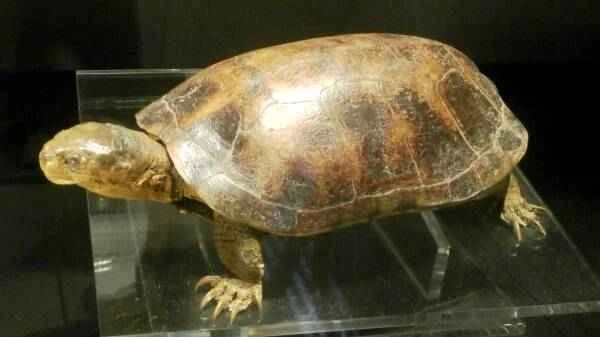
The yellow-margined box turtle, also known as the Chinese box turtle, is one of the oldest and most primitive species of aquatic turtles. They are highly valued for their ornamental qualities, and the color of their carapace changes depending on their environment, making a good tank essential. Although yellow-margined box turtles are not demanding in terms of water quality, tap water still needs to be disinfected to ensure their healthy growth.
In addition, lighting is also an important factor to consider. Ultraviolet rays in sunlight help promote calcium conversion and synthesis in the turtle's body, aid in food digestion and have a bactericidal effect, and also enhance the turtle's coloration. Yellow-margined box turtles are omnivorous and can be fed small fish, dried shrimp, or other carnivorous foods, or a mixed diet.
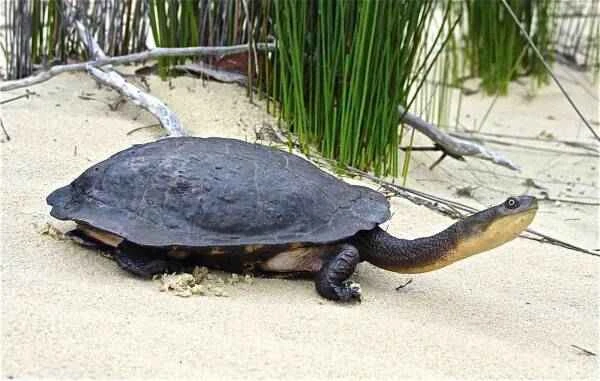
10. Snake-necked turtle
Because of their unique appearance, snake-necked turtles have become popular pets. However, there are many things to consider when keeping them. They have a large appetite and grow rapidly, so a large enough enclosure with a basking platform and driftwood is necessary to provide a comfortable environment.
Water temperature is crucial for the care of snake-necked turtles and should be maintained between 27-30 degrees Celsius. In summer, it's especially important to ensure the temperature doesn't exceed 30 degrees Celsius. Water quality is also critical, requiring regular water maintenance such as sun-drying, water changes, and filtration. The pH level should not be too high; snake-necked turtles prefer acidic water as it inhibits bacterial growth. Furthermore, snake-necked turtles are carnivorous and prefer live prey. Therefore, a suitable supply of meat is necessary to meet their dietary needs.
Disclaimer: The list of the top ten most difficult aquatic turtles to keep was compiled by searching relevant online platforms and taking into account their requirements for factors such as the living environment, water temperature, water quality, and food. If you have any questions, please feel free to comment/criticize at the end.