When we talk about endangered animals, we're not just discussing adorable creatures that may disappear, but rather focusing on the fragile balance of ecosystems and how human activity is disrupting that balance. From lush rainforests to vast oceans, countless species are on the verge of extinction. Let's delve into the world's ten most endangered animals and the importance of saving them.
Why do animals become endangered?
Before understanding these animals, we need to understand why they face the threat of extinction. The main reasons include:
Habitat loss: Deforestation, urbanization, and agricultural activities have encroached on their habitats.
Climate change: Rising temperatures and changing weather patterns are disrupting ecosystems.
Illegal hunting and trade: Many animals are hunted for their fur, ivory, or other body parts.
Pollution: Plastics, chemicals, and waste poison the natural environment.
Invasive species: Non-native predators or competitors often outcompete local wildlife.
What is the definition of endangered?
The International Union for Conservation of Nature (IUCN) classifies species into categories such as "Vulnerable," "Endangered," and "Critically Endangered." Endangered species are those that face an extremely high risk of extinction in the near future.
The world's top ten endangered animals
Here are the ten most endangered animals in the world that deserve our attention:
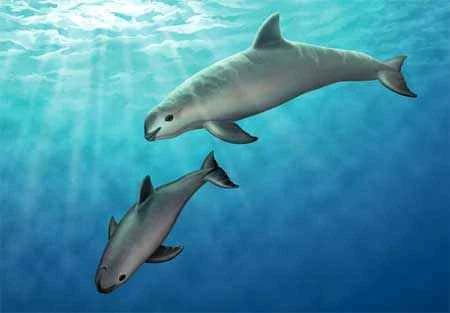
1. Vaquita (small-headed porpoise)
Habitat: Northern Gulf of California, Mexico
Population size: less than 10 individuals
Threat: Vaquitas, often called "marine pandas," are accidentally caught in illegal fishing operations. Their numbers have drastically decreased due to fishing, particularly the use of gillnets.
2. Amur Leopard
Habitat: Russian Far East and Northeast China
Population size: Approximately 120 individuals
Threats: Poaching and habitat destruction. The Amur leopard is illegally hunted for its beautiful fur and is endangered due to habitat loss.
3. Javan Rhino
Habitat: Sunda Strait National Park, Indonesia
Population size: Approximately 80 individuals
Threats: Habitat loss and disease. This rhinoceros is one of the rarest in the world and currently exists only in one protected park.
4. Pangolin
Habitat: Africa and Asia
Population size: Varies by species
Threat: The illegal wildlife trade. Pangolins are the most illegally trafficked mammals in the world, hunted for their scales and meat.
5. Kakapo
Habitat: New Zealand
Population size: Approximately 250 individuals
Threat: Predators introduced by humans. These nocturnal, flightless parrots were nearly wiped out by the invasion of alien predators such as cats and rats.
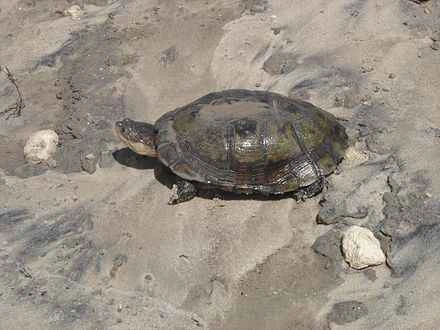
6. Yangtze Giant Softshell Turtle
Habitat: Lakes and rivers in China and Vietnam
Population size: Only 3 confirmed
Threats: Habitat destruction and pollution. This turtle is endangered due to habitat loss and water pollution.
7. Mountain Gorilla
Habitat: Mountainous regions of central Africa
Population size: Approximately 1,000 individuals
Threats: Poaching, disease, and deforestation. Despite conservation efforts, mountain gorilla numbers are slowly increasing, but risks remain.
8. Mexican axolotl
Habitat: Lakes near Mexico City
Population size: Extremely rare in the wild
Threats: Habitat destruction and pollution. This animal, known as the “walking fish,” is common in the laboratory but nearly extinct in the wild.
9. Saola
Habitat: Annamite Mountains in Laos and Vietnam
Population size: unknown, but extremely small
Threats: Hunting and habitat destruction. Known as the "Asian Unicorn," the Saura is extremely rare and mysterious.
10. Hawksbill Turtle
Habitat: Tropical oceans worldwide
Population size: Gradually decreasing
Threats: Poaching and pollution. Due to its beautiful shell, this sea turtle is a target of the illegal trade.
What can we do to help?
Saving endangered animals is not solely the responsibility of conservation organizations. Here are some actions we can take:
Support conservation projects: Donate to organizations such as WWF or IUCN.
Avoid buying products related to endangered species: Be mindful of your consumer choices.
Reduce your carbon footprint: Use public transportation, recycle resources, and conserve energy.
Raise awareness: Educate others about the current status of endangered species.
Protecting habitats: Volunteering for habitat restoration projects.
The Importance of Saving Endangered Animals
Every species plays a vital role in its ecosystem. The loss of one animal can have a ripple effect, impacting other species and even humans. Biodiversity ensures the health of the Earth, stabilizes the climate, and provides resources such as food and medicine.
Final Summary – Overview
| animal | Habitat | Population size | Main threats |
|---|---|---|---|
| Small-headed porpoise | Northern Gulf of California, Mexico | Less than 10 | Accidental catch in fishing nets |
| Amur Leopard | Russian Far East, Northeast China | Approximately 120 | Poaching, habitat loss |
| Javan rhinoceros | Indonesia | ~80 | Habitat loss, disease |
| pangolin | Africa, Asia | It varies depending on the type | Wildlife trade |
| Kakapo | New Zealand | ~250 | Predator invasion |
| Yangtze giant salamander | China and Vietnam | Only 3 confirmed | Water pollution, habitat destruction |
| mountain gorillas | Central African mountainous region | ~1000 | poaching, disease |
| Mexican axolotl | Lakes near Mexico City | Very few | Habitat destruction and pollution |
| Sweep | Laos and Vietnam | unknown | Hunting, habitat destruction |
| Hawksbill sea turtle | Global Tropical Oceans | Gradually decrease | poaching, pollution |
Through our efforts today, we can create a brighter future for these incredible creatures. Time is of the essence—let's act together!