The tufted deer (scientific name: *Elaphodus cephalophus*), also known as the "crested deer" or "tufted reindeer," is a deer species that lives in specific regions of China. Due to its unique appearance and lifestyle, this deer is considered a rare and endangered species among China's wild animals. This article will provide a comprehensive overview of the tufted deer's scientific classification, morphological characteristics, habitat, ecological behavior, and conservation status, helping you gain a deeper understanding of this endangered species.
Scientific taxonomy
The tufted deer belongs to the family Cervidae, and is part of the same family as other deer such as the sika deer and red deer. Specific classification information is as follows:
Kingdom: Animalia
Phylum: Chordata
Class: Mammalia
Order: Artiodactyla
Family: Cervidae
Genus: Elaphodus
Species: Tufted deer (Elaphodus cephalophus)
Morphological characteristics and physical properties
Appearance and characteristics
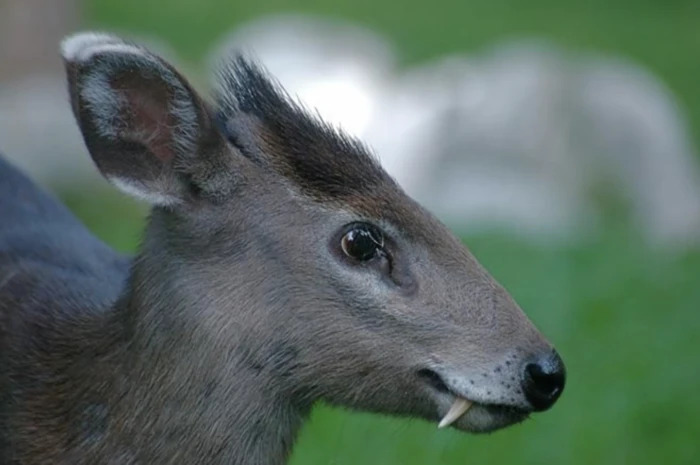
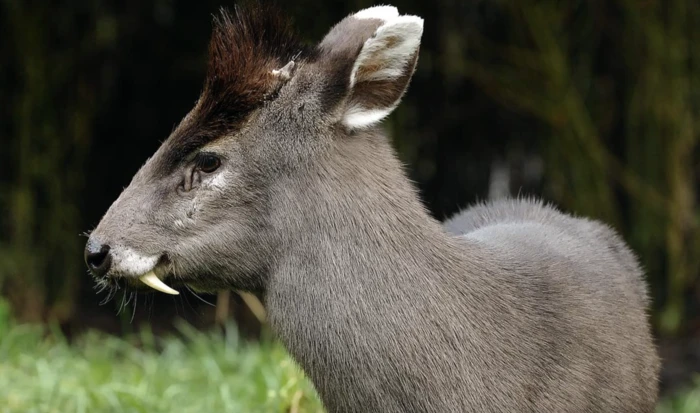
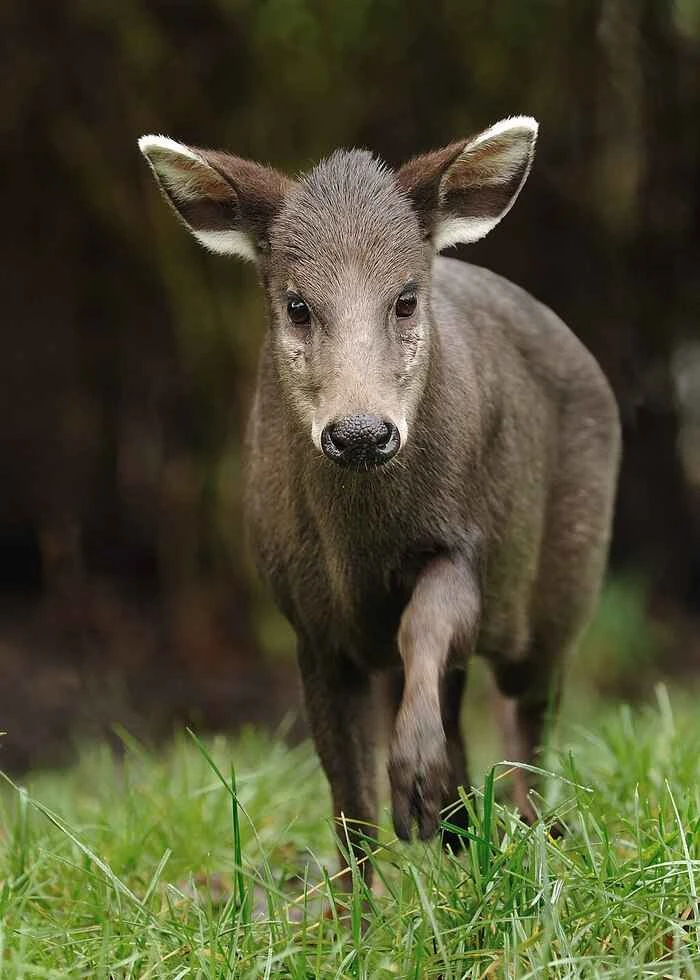
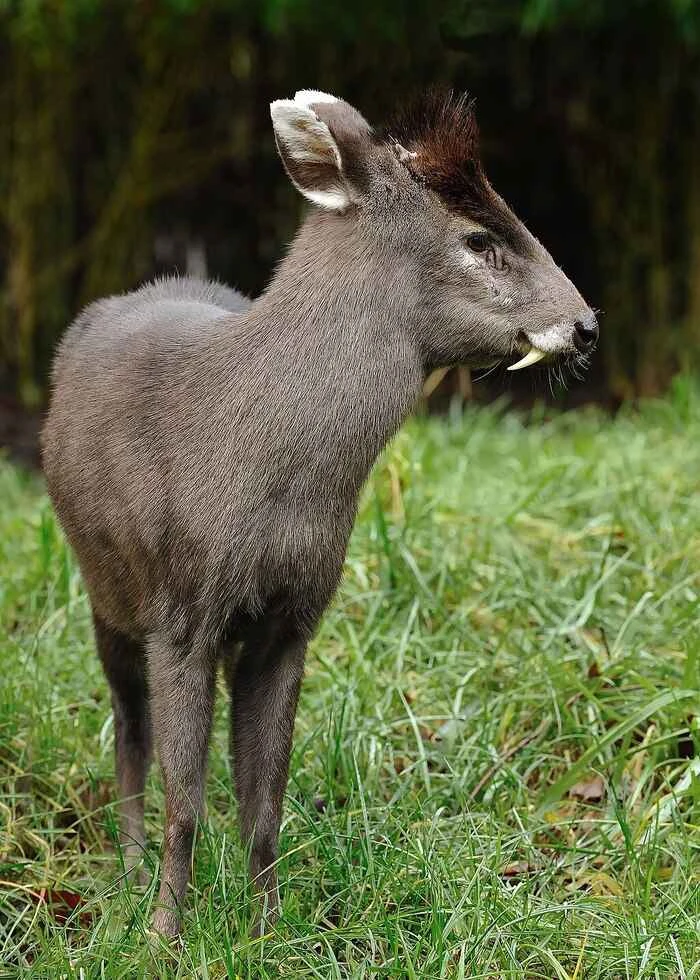
The tufted deer is medium-sized, its most distinctive feature being the crest of hair on its head, from which it gets its name. Adult tufted deer are relatively small, and males sometimes grow small antlers. Their overall appearance is a mixture of dark brown and gray, with a slightly lighter belly. The tufted deer has a slender body and a relatively small head, giving it a refined and elegant appearance.
Body length: 90-115 cm
Weight: 25-45 kg
Shoulder height: 65-75 cm
Tail length: approximately 10-15 cm
Lifespan: Approximately 10-15 years in the wild
Male tufted deer typically have smaller, branched antlers with a unique shape, being shorter and less noticeable compared to the antlers of other deer species.
Global distribution and habitat
Habitat
Tufted deer are mainly distributed in some mountainous areas of China, especially in the forests and woodlands of Sichuan, Shaanxi, Gansu, and Hubei. They usually live in mountain forests at altitudes of about 1,500 to 3,000 meters, where the vegetation is lush and the climate is suitable, making them ideal habitats.
Habitat: Tufted deer prefer temperate and subtropical forests, especially densely vegetated mountain forests, where the forests are usually rich in herbaceous plants and shrubs, which are suitable for them to find food and hide from predators.
Ecology and Behavior
Daily activities and social behavior
Tufted deer are nocturnal animals, spending most of their day resting in the shade of trees or dense bushes, and becoming active at night to forage and find mates. They are typically solitary animals, especially adult males, who usually only encounter females and fawns during the breeding season.
Activity time: mainly from evening to dawn, with more rest during the day.
Social behavior: Tufted deer are mainly solitary, with females and males congregating during the breeding season.
Diet and foraging strategies
The tusks of tufted deer don't actually mean they're blood-sucking vampires. In fact, these teeth serve more as a means of foraging and self-defense. The tusks of male deer help them in fights with other deer, and also help them better chew plants in dense forests, especially during the winter when food is scarce, as tree bark and tough grasses may become their food source.
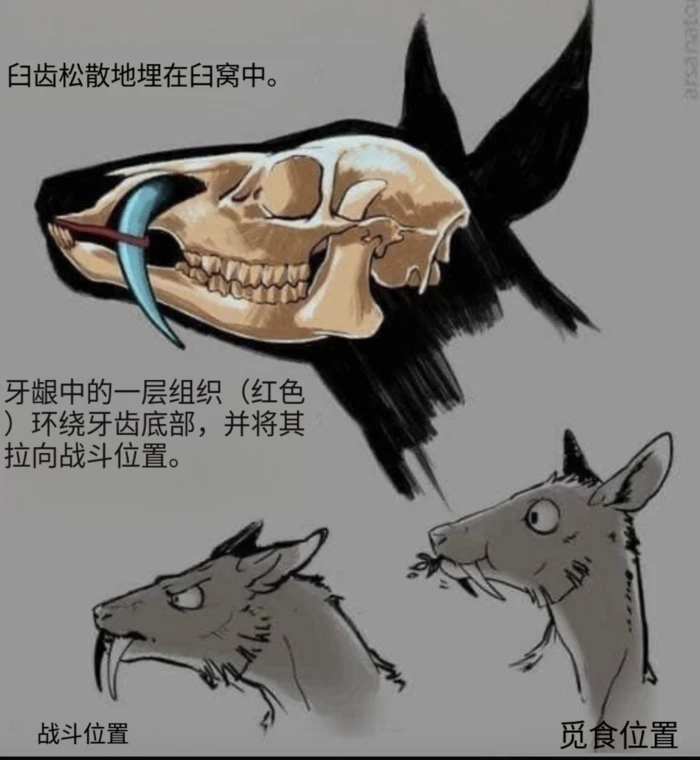
Despite their unique tooth morphology, tufted deer do not feed on meat. They are herbivores, primarily consuming herbs, leaves, and the tender shoots and fruits of shrubs.
Tufted deer are typical herbivores, feeding on a variety of herbs, leaves, and shrubs. Especially in winter, when food is scarce, they will choose to eat tree bark and tougher plants.
Main food: grass, shrub leaves, tree bark, fruits, etc.
Foraging strategy: Tufted deer usually forage in relatively secluded places and use nocturnal activity to reduce the risk of being preyed upon.
Reproduction
Breeding season and breeding methods
Tufted deer typically breed in the fall, during which time males attract females through vocalizations and fighting. Each winter, a female will become pregnant with one or two calves, with a gestation period of approximately 230-240 days. The calves are usually born in the spring.
Reproduction method: viviparous, giving birth to 1-2 fawns at a time.
Current status and protection level
Preserve the status quo
Due to habitat destruction and human disturbance, the tufted deer population is gradually declining. They are currently listed as a Class II protected animal in China and are also listed as an endangered species in the China Red List.
Protection level
International protection level: IUCN Red List: Near Threatened (NT)
National protection level: Class II protected animal in China
Population status and major threats
Population status
The tufted deer population is facing a dire situation. Habitat destruction and deforestation have drastically reduced their living space. Currently, the tufted deer population exists only in some high-altitude areas of China, and their numbers are declining every year.
Main threats
Habitat destruction: Excessive deforestation and urbanization have severely damaged the habitat of the tufted deer.
Poaching: Tufted deer antlers and fur can become targets of illegal trade, and poaching poses a threat to their population.
Climate change: Climate change may reduce habitat suitability, further exacerbating the survival pressure on tufted deer.
Protection Measures and Future Prospects
Protective measures
Habitat protection: Strengthen the protection of tufted deer habitats, establish nature reserves, and prevent illegal logging.
Anti-poaching: Strengthen the crackdown on poaching activities, install more monitoring equipment, and increase anti-poaching patrols.
Reproductive research: Through wildlife conservation research and artificial breeding techniques, we aim to help restore the tufted deer population.
Future Outlook
With increased awareness of tufted deer conservation and strengthened related protection measures, the tufted deer population may gradually recover in the future. However, this requires long-term efforts and cooperation from the international community.
Ecological value and cultural significance
The tufted deer, a rare species unique to China, plays a vital role in the ecosystem. They are not only an integral part of the forest ecosystem but also maintain the balance of the food chain. Culturally, in some regions, the tufted deer is seen as a symbol of nature, representing vitality and the beauty of the natural world.
Economic value and cultural significance
Although the tufted deer itself does not directly contribute to the economy, its role in ecotourism is undeniable. With increasing emphasis on ecological protection, more and more tourists are visiting the tufted deer's habitat for wildlife observation, boosting the local ecotourism industry.
closely related varieties
Within the deer family, the tufted deer is related to the following deer species:
| Species name | Habitat | feature | Protection level |
|---|---|---|---|
| Sika deer | China and other parts of Asia | The body is relatively large, with obvious angular branching. | No risk (LC) |
| red deer | North America, Europe and Asia | Large in size, with extensive branching of horns | Low risk (LC) |
| Tibetan gazelle | Chinese Plateau | Small in size, with brownish-yellow fur | Critically Endangered (CR) |
Conclusion
The tufted deer (Elaphodus cephalophus) is a unique and rare species in China, whose population is declining rapidly due to habitat loss and human threats. It plays a vital role in the ecosystem and carries a rich cultural and natural heritage. Through strengthened conservation measures, habitat restoration, and anti-poaching efforts, we can expect to see the tufted deer population gradually recover.