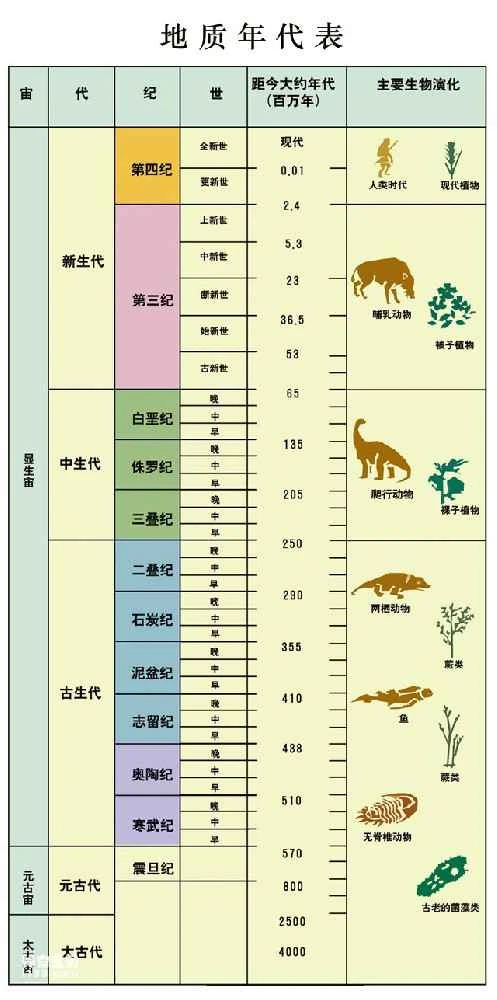
Locusts, also known as grasshoppers, are possibly one of the oldest extant groups of herbivorous insects, dating back to the Early Triassic period approximately 250 million years ago. Locust plagues are a global catastrophe with a long and widespread history, and have always been one of the world's most pressing problems. Once an outbreak occurs, it often leads to severe economic losses and even famine due to food shortages. So, which type of locust is the most terrifying? Today, let's explore ten of the world's most terrifying locusts, such as the desert locust, the Oriental migratory locust, the Moroccan locust, the Italian locust, the Tibetan migratory locust, the yellow-spined bamboo locust, and the Siberian locust, and learn about their characteristics.
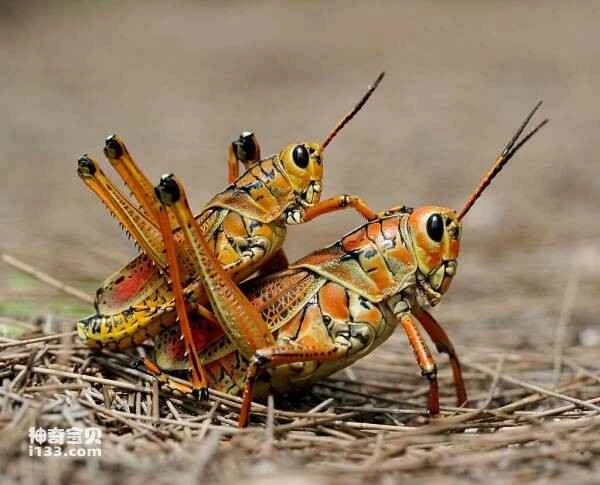
Romalea microptera: The larger female is laying eggs in the presence of the male.
Some species of locusts, such as the desert locust, the Oriental migratory locust, and the Moroccan locust, are notorious for their massive numbers and destructive power. They attack crops, destroy vegetation, cause serious damage to agricultural production and the ecological environment, and have a huge impact on the local economy and food supply.
Research and monitoring of these terrifying locust species are crucial to enabling early preventative and control measures and preventing further damage to the socio-economic and environmental systems caused by locust plagues. It is hoped that through a deeper understanding and effective control measures, we can effectively curb the disasters caused by locusts.
1. Desert locusts (explosive, migratory, and destructive; "fighter jets among locusts")
The desert locust is widely considered the most feared of the ten most dangerous locusts, renowned for its explosive outbreaks, migratory nature, and destructive power. Originating in Africa, the desert locust has been the leading cause of locust plagues in Africa for nearly a thousand years. During large-scale outbreaks, its infestation area can cover the entire African continent, the Middle East, and 57 countries along the Mediterranean coast, covering a total area of 29 million square kilometers.
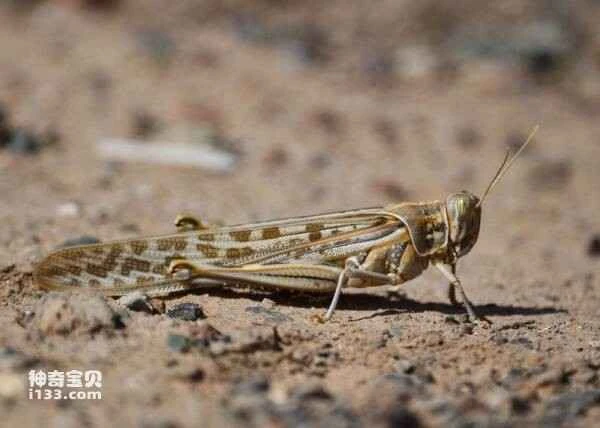
For a long time, desert locusts have frequently broken out in Africa and the Middle East, migrating across regions and borders on a large scale, posing a serious threat to agricultural production. The affected population accounts for more than one-tenth of the global population, and the destructive potential of locust swarms is enormous. It is estimated that a locust swarm of 1 square kilometer consumes the equivalent of the daily food intake of 35,000 people.
2. East Asian migratory locust (a devastating agricultural biological disaster)
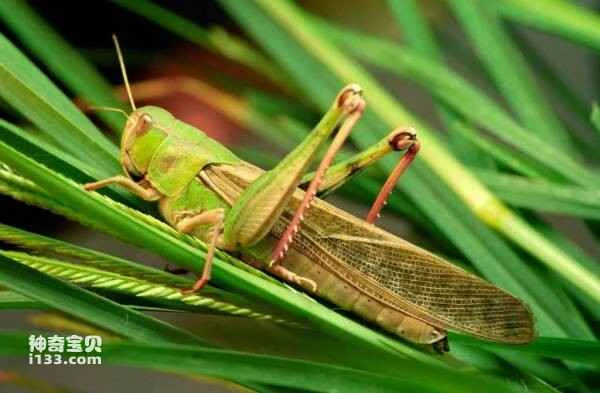
In China, the Oriental migratory locust is considered the most destructive locust species. They are a major agricultural pest in Southeast Asia and one of the most notorious pests in Chinese history. Locust plagues in the Yellow River Delta region are primarily caused by the Oriental migratory locust. From the late Zhou and Spring and Autumn periods until around 1950, a period of over 2600 years, large-scale regional outbreaks occurred on average every 2-3 years, with even more widespread and rampant outbreaks occurring every 5-7 years. This locust can migrate long distances, easily causing widespread outbreaks. It feeds on grasses and sedges, posing a serious threat to various crops such as wheat, corn, sorghum, millet, rice, and foxtail millet. During large-scale outbreaks, they can devour almost all green vegetation.
3. Moroccan locust (a representative locust species from the Mediterranean region, known for its destructive power)
The Moroccan locust, commonly known as the Moroccan locust, is considered one of the most threatening locusts, widely distributed in North Africa, Southern Europe, Eastern Europe, and West Asia. These locusts are typically solitary, but their numbers can rapidly increase within a few years, forming massive swarms that cause severe damage to farmland. The Moroccan locust is considered one of the most destructive plant pests in the world.
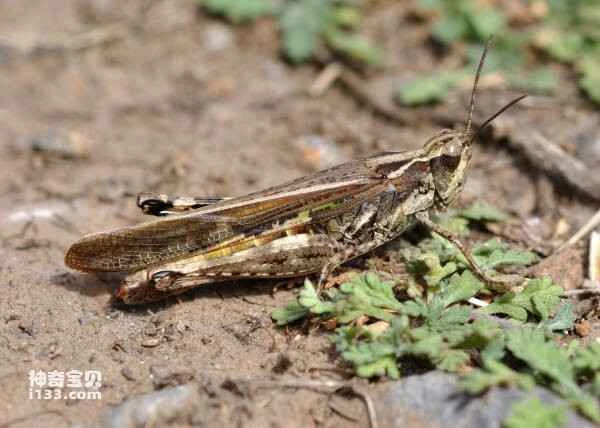
A large-scale locust plague in eight wheat-producing provinces of Afghanistan could lead to widespread crop losses and a sharp deterioration in food security. In the Mediterranean region, the Moroccan locust is causing severe damage to vegetation and could trigger a major ecological disaster.
4. Italian locust (the representative locust of continental Europe)
The Italian locust is a well-known locust species in continental Europe. In China, it is mainly distributed in the desert, semi-desert, and grassland areas of northern Xinjiang at altitudes of 800 to 2300 meters, and is one of the major harmful locust species in the region. This locust is widely distributed along the Tianshan Mountains in northern Xinjiang, extending from the Barkol Basin in the east to Jichang Prefecture, and west to Bortala Prefecture, Ili Prefecture, Tacheng Basin, and Altay Mountains, as well as Bayingolin Prefecture, Aksu Prefecture, and Kashgar in southern Xinjiang. In addition, the Italian locust is also found in Inner Mongolia, Qinghai, and Gansu.
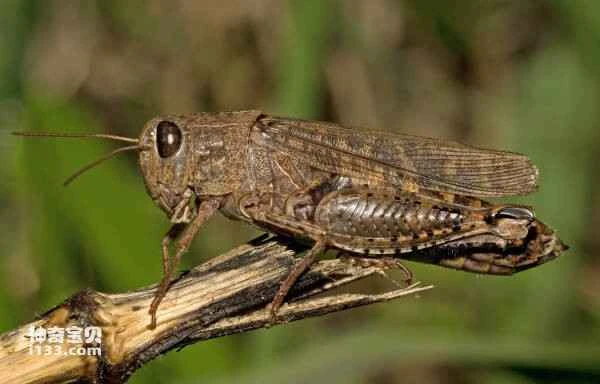
This locust primarily feeds on various wormwood species (Asteraceae) and elm trees (Cephalotaxaceae), but it can also damage grasses and even crops like wheat. Its widespread distribution and destructive nature in China make it a key target for attention and control in local agricultural production.
5. Tibetan locust (one of the three major locust species in China that damages barley, wheat, and grasslands, etc.)
The Tibetan migratory locust is considered one of the most dangerous locusts, mainly distributed in the Tibet Autonomous Region, southeastern Qinghai, and western Sichuan Province of China. It is the only locust subspecies found in high-altitude areas. As one of the three major migratory locust species in my country, the Tibetan migratory locust exhibits three typical characteristics in its damage to crops and pasture: large-scale occurrence and high-density swarming; long egg hatching and locust lifespan; and strong reproductive and migratory capabilities. In recent years, this locust has broken out and spread to surrounding areas, mainly damaging crops such as barley and oats, as well as pasture.
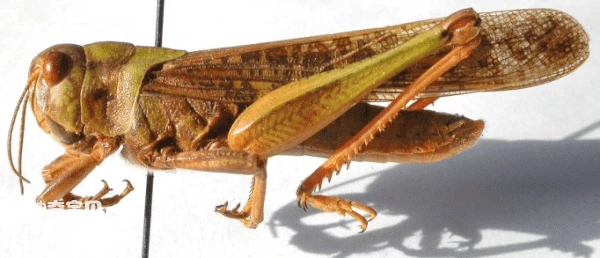
Due to its enormous appetite and high reproductive rate, the Tibetan locust has become one of the most important pests of crops and grasslands on the western Sichuan plateau.
6. Yellow-spined bamboo locust (Level III harmful forest pest)
The yellow-spined bamboo locust ranks among the most threatening locust species. Commonly known as the bamboo locust, it is one of the major pests in bamboo forests in my country, frequently causing widespread damage. It primarily attacks moso bamboo, followed by other bamboo species such as Phyllostachys edulis and Phyllostachys aurea. When bamboo locusts outbreak in large numbers, they can completely devour bamboo leaves, turning bamboo forests into a scene resembling a fire. Young bamboo will wither and die, and older bamboo will stop producing new shoots for two to three years after the infestation, gradually leading to the decline of the bamboo forest. Infested moso bamboo will die, resulting in water accumulation and fiber rot, rendering the bamboo unusable and unrecoverable.
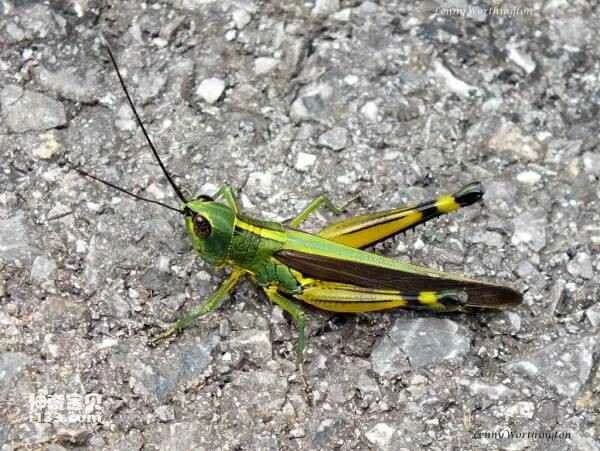
According to investigations, my country experienced invasions of the yellow-spined bamboo locust in 2020 and 2023. Fortunately, the authorities took timely control measures, which curbed the locusts' damage to bamboo forests and prevented more serious consequences.
7. Siberian locust (damages pasture grasses)
The Siberian locust is mainly distributed in the Siberian region of the former Soviet Union and Mongolia, while in China it is found in summer and autumn pastures in Xinjiang, Inner Mongolia, Heilongjiang, Jilin, and some areas of Gansu. This locust primarily feeds on grasses and sedges, as well as crops. It prefers plants such as *Leymus chinensis*, *Festuca urinaria*, *Hypericum perforatum*, *Achnatherum splendens*, *Imperata cylindrica*, *Imperata cylindrica*, *Imperata cylindrica*, *Trigonella foenum-graecum*, wild onion, dandelion, *Iris tectorum*, and wheat, often causing severe damage to pasture.
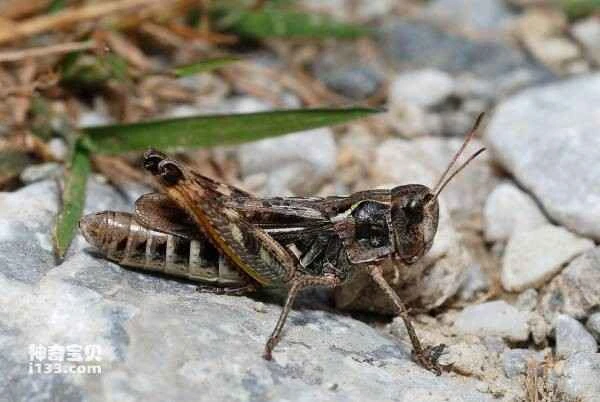
In grassland areas, Siberian locusts cause serious damage to pasture. When the damage reaches a critical level, livestock die in large numbers due to a lack of sufficient forage during the winter and spring seasons.
8. Chinese rice locust (damages crops such as corn and sorghum)
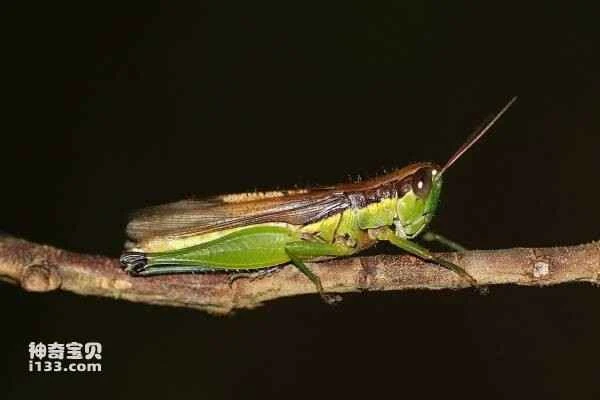
There are many species of rice locusts, among which the Chinese rice locust (Sinocyclocheilus chinensis) is the most damaging. This locust produces one generation per year, overwintering as eggs. It lives in low-lying, damp areas or near water, and feeds primarily on grasses, mainly damaging rice, corn, sorghum, various types of wheat, sugarcane, and beans. Its damage includes adults and nymphs feeding on leaves, severing stems and young shoots. When rice is affected, leaves show irregular gaps, and in severe cases, the leaves can be completely devoured. Furthermore, they may also gnaw on the panicle neck and mature grains. In southern China, the damage caused by the Chinese rice locust is particularly severe, potentially leading to disastrous outbreaks.
9. Asian migratory locust (major agricultural pest)
The Asian migratory locust is also a well-known locust species, considered one of the most threatening. It is mainly distributed in grasslands of Xinjiang, Qinghai, Gansu, Inner Mongolia, and Northeast China, typically living at altitudes of 200 to 500 meters, but sometimes even reaching altitudes of up to 2500 meters. The Asian migratory locust primarily feeds on grasses of the Poaceae and Cyperaceae families, but also damages crops such as corn, barley, and wheat.
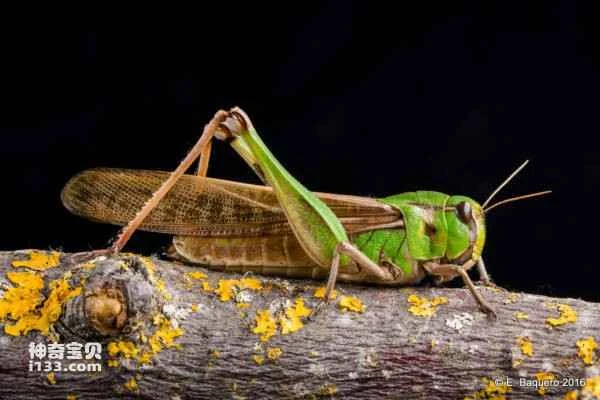
These locusts are gregarious insects with a strong reproductive capacity and large numbers. When their numbers become severe, they can cause locust plagues, leading to large-scale crop failures. Therefore, the Asian migratory locust is considered one of the major pests in agriculture, posing a serious threat to crop yields and food security.
10. Cotton locust (damages cotton)
Adult cotton locusts typically choose to lay their eggs in sandy loam soil, in sunny sparse woodlands, especially at the edges where woodlands meet clearings. These locusts primarily damage eucalyptus trees, other fruit trees, crops, and weeds. Adults and nymphs mainly feed on leaves, but also gnaw on tender branches and bark. Severely damaged plants often have their leaves completely devoured, leaving only the petioles or main veins, resembling a burned appearance; sometimes the main stem may die, threatening growth and even causing plant death.
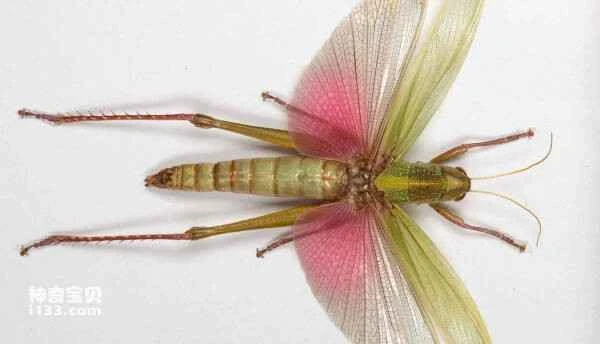
Generally, cotton locusts choose sparse woodlands with abundant buds and ample sunlight as their egg-laying and habitat areas. The environmental requirements for cotton locusts include forest clearings with abundant weeds, a large number of young and sparse forests, poorly managed budding forests, and forest edges. These areas often become the main breeding grounds for cotton locusts, causing large-scale outbreaks.
Other locust species that commonly cause natural damage:
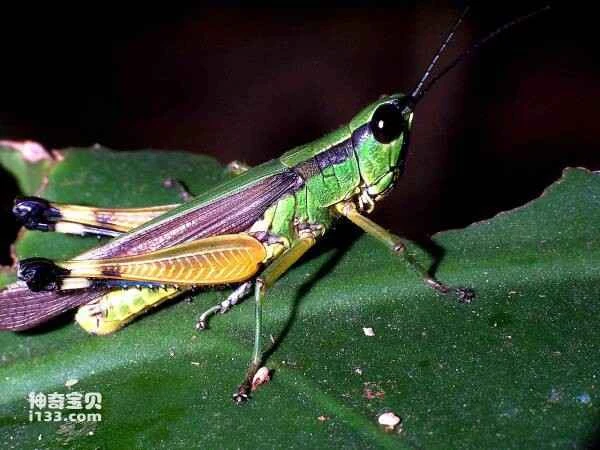
bamboo locust
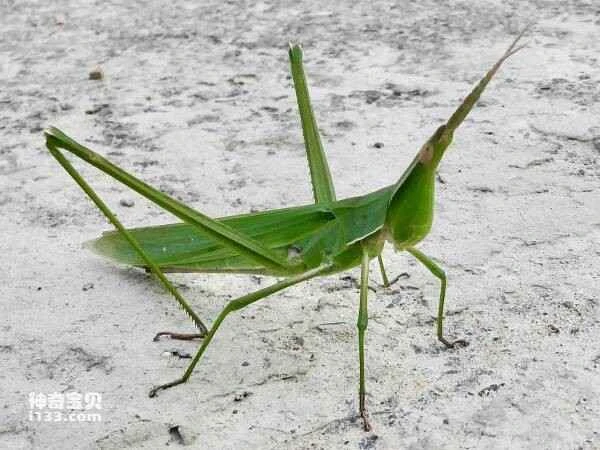
Chinese sword-horned locust
Indian yellow-spined locust, Australian locust, striped red locust, brown migratory locust, tree locust, African migratory locust, soil locust, horned sugarcane locust, flower-legged green-striped locust, small cushion-winged locust, short-star-winged locust, Japanese yellow-spined locust, small car locust, etc...