Most large dinosaurs were herbivores. Their teeth were flat and straight, without serrations, and were solely for chewing. The shape and size of their teeth depended on the plants they ate. Sounds amazing, right? Let's take a look at the top ten herbivorous dinosaurs together.
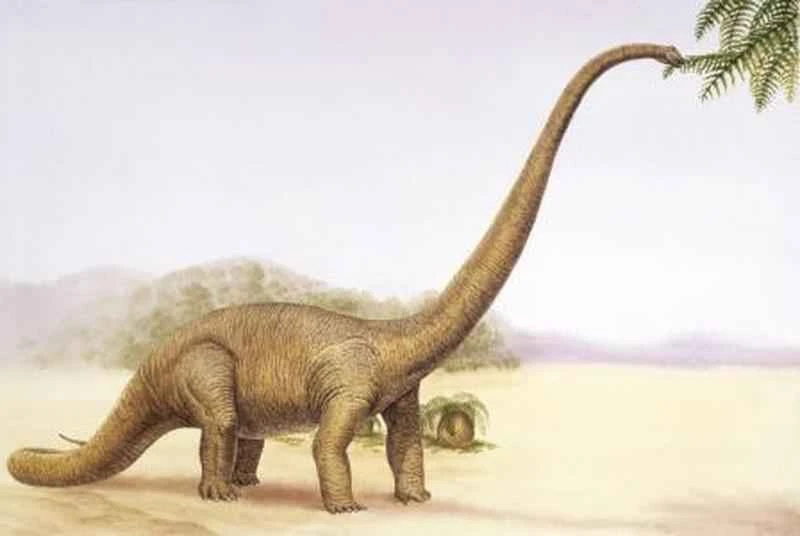
1. Mamenchisaurus
Having the world's longest neck
Mamenchisaurus is one of the largest sauropod dinosaurs discovered in China. Its fossils were found at the Mamingxi ferry crossing in Yibin City and, after scientific identification, it belongs to the order Eurasianosaurus. This genus of animals was about 22 meters long and nearly 7 meters tall. Herds of Mamenchisaurus roamed the forests, using their small, spike-like teeth to gnaw on leaves and tender branches at the tops of trees that other dinosaurs could not reach.
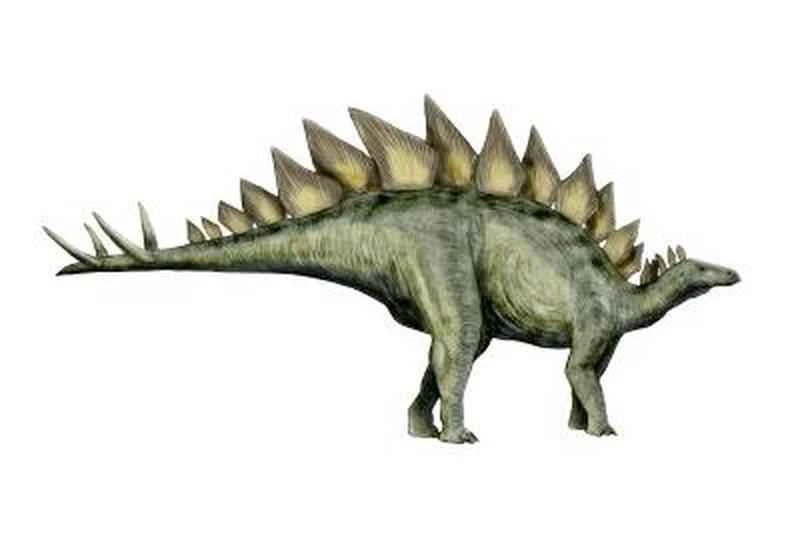
2. Stegosaurus
One of the most well-known dinosaurs
Stegosaurus was a giant herbivorous dinosaur that lived during the Late Jurassic period. It had a row of large bony plates on its back and a dangerous tail with four sharp spikes to defend against predators. It was approximately 7-9 meters long, 2.35 to 3.5 meters tall, and weighed 2 to 4 tons. They lived on plains and in nomadic herds alongside other herbivores, such as Diplodocus.
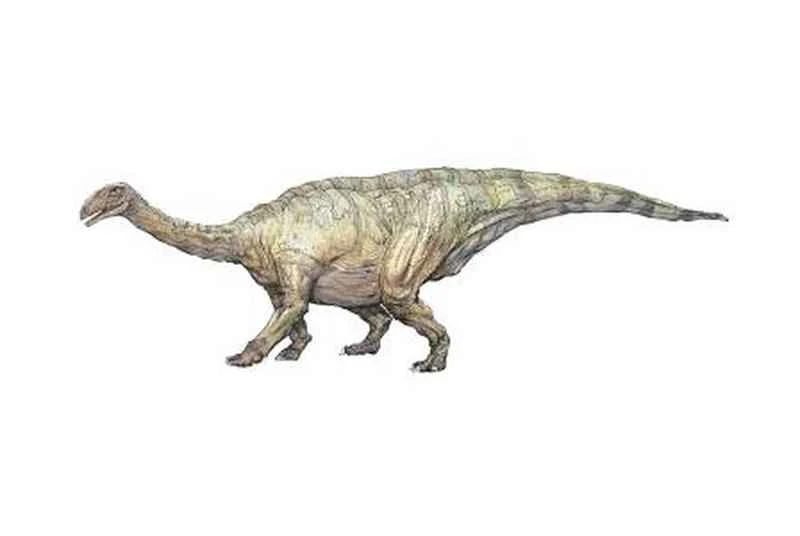
3. Plate Dragon
The first herbivorous giant dinosaur on Earth
Plateosaurus, meaning "flat-topped reptile," was an ancient dinosaur that lived 210 million years ago during the Late Triassic period. It was 6-8 meters long, 3.6 meters tall, and weighed around 5 tons. Plateosaurus is the most famous prosauropod dinosaur and one of the most common dinosaurs in Europe, feeding on various plants and leaves.
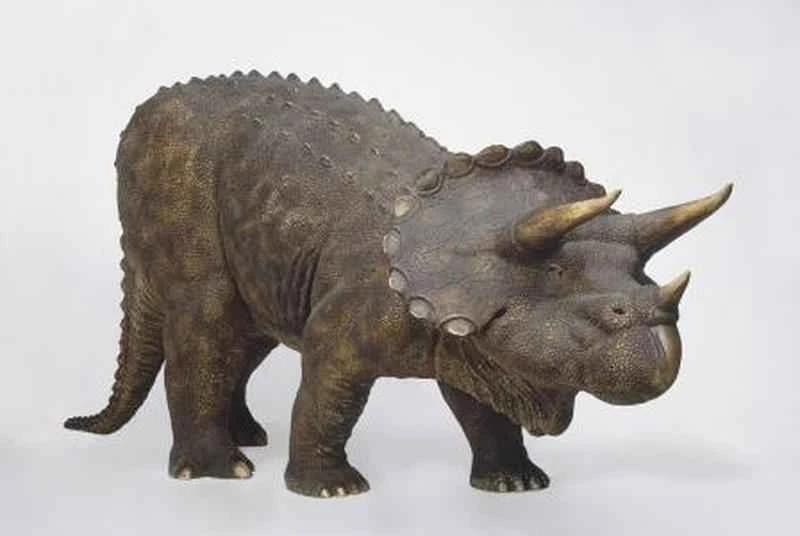
4. Triceratops
Representative fossils from the Late Cretaceous
Triceratops is a genus of herbivorous dinosaur belonging to the family Ceratopsidae within the order Ornithischiana. Fossils have been found in the Late Cretaceous Maastrichtian stage of North America, dating back approximately 68 to 65 million years. Triceratops is one of the most recently appearing dinosaurs and was herbivorous, but it may have also used its horns, beak-like mouth, and body to knock down tall vegetation for food.
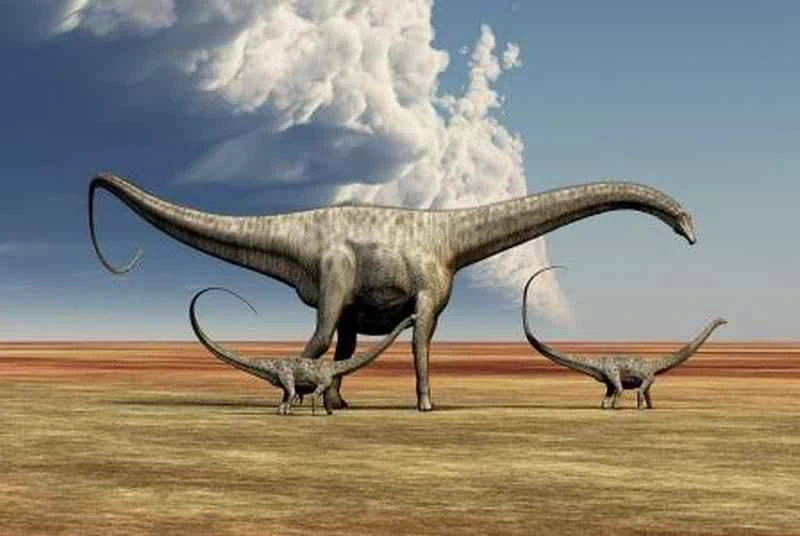
5. Liang Long
One of the easiest dinosaurs to identify
Diplodocus is a genus of dinosaur belonging to the family Diplodocidae. Its skeletal fossils were first discovered by Samuel Wendell Williston. Diplodocus lived in western North America during the Late Jurassic period, dating back 150 to 147 million years. Individuals could exceed 30 meters in length and weigh approximately 10 tons. Its nostrils were located above its eyes. Its neck could not be raised, presumably to increase its surface area for feeding while stationary.
6. Bewitching Dragon
One of the largest terrestrial organisms
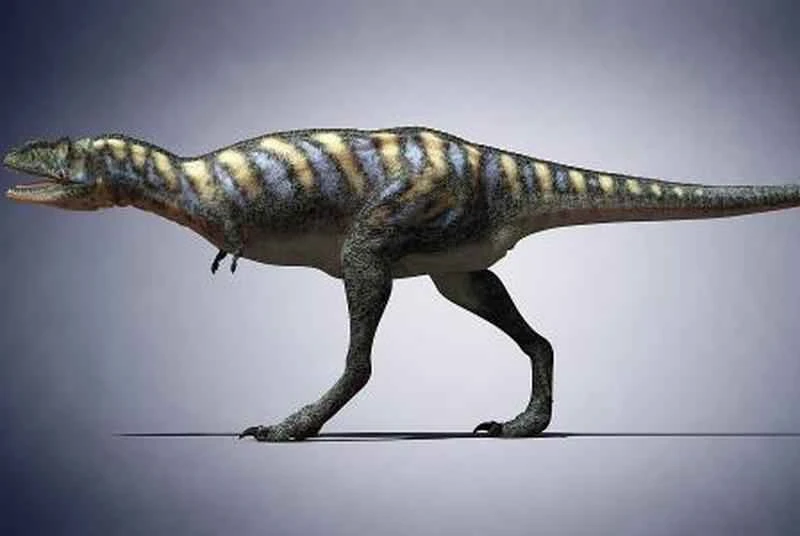
Apatosaurus, belonging to the genus Apatosaurus in the family Diplodocidae, including Ajax and louisae, was a relatively docile herbivore that lived during the Jurassic period, about 150 million years ago, and had a hip height of about 4.5 meters. It likely inhabited plains and forests and probably lived in herds.
7. Ankylosaurus
The prototype of the armored dinosaur
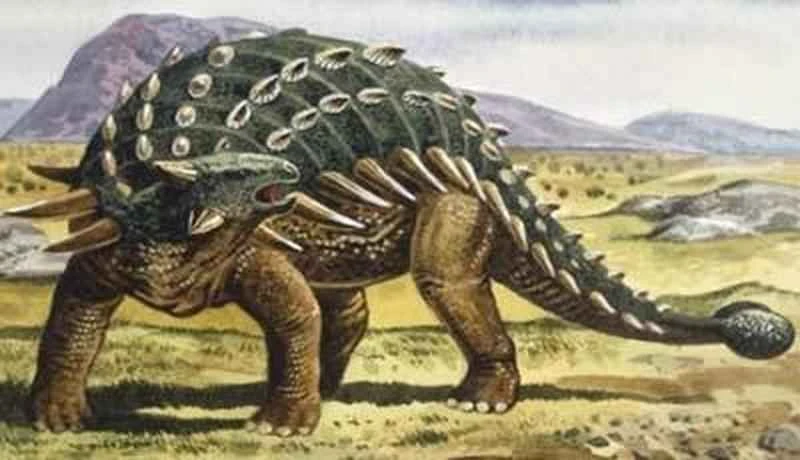
Ankylosaurus (genus name Ankylosaurus) means "sturdy lizard" and dates back to the Late Cretaceous period. Ankylosaurus was a type of herbivorous dinosaur covered in "armor." They were generally five to six meters long, with hind limbs longer than forelimbs. Their bodies were bulky, and they could only crawl slowly on the ground using all four limbs, making them look somewhat like tanks, hence the nickname "tank saurus."
8. Huayanglong
China's earliest Stegosaurus
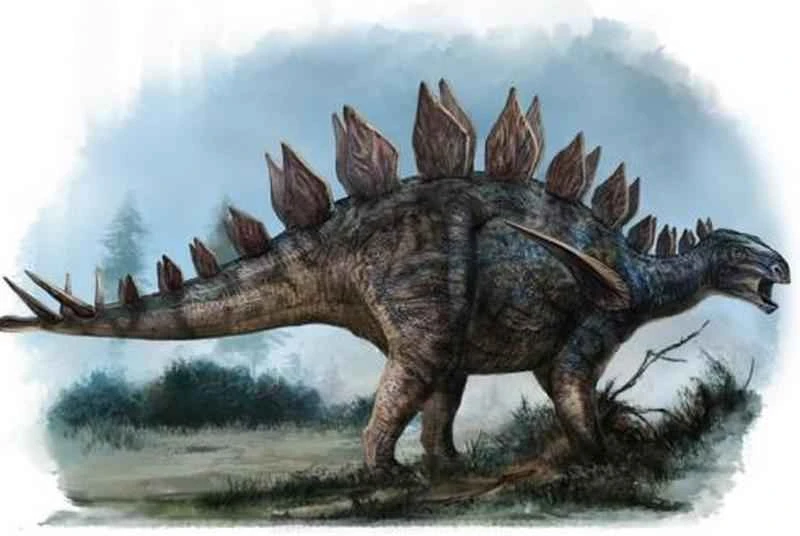
Huayangosaurus is a stegosaur that lived in China during the Middle Jurassic period. Its name comes from "Huayang," an alternate name for Sichuan province, where it was discovered. Huayangosaurus lived 165 million years ago, predating its well-known North American relatives, the genus *Stegosaur*, by about 20 million years. Huayangosaurus was relatively small and could only feed on low-lying vegetation near the ground.
9. Rioja Dragon
The only species of the Riohalonidae family living in South America.
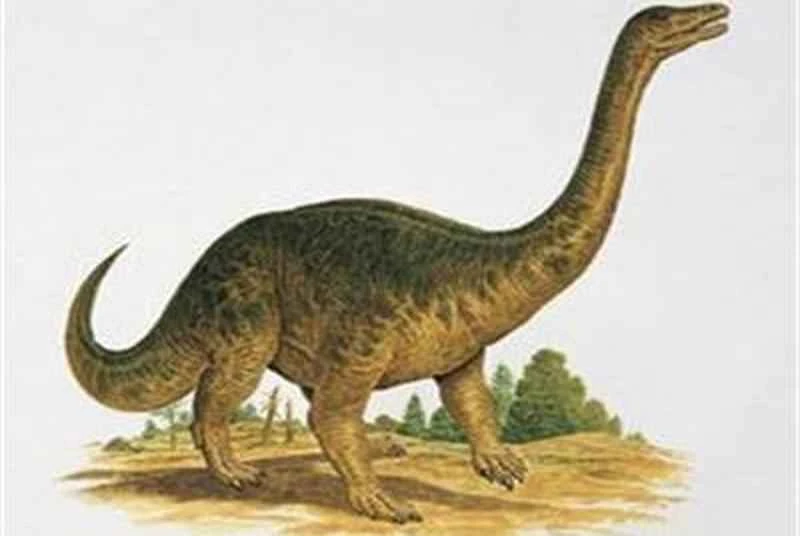
Riojasaurus, meaning "Rioja lizard," is a herbivorous prosauropod dinosaur named after the province of La Rioja in Argentina. It was discovered by José Bonaparte. Riojasaurus was a herbivorous dinosaur, primarily feeding on plants, including various ferns and leaves.
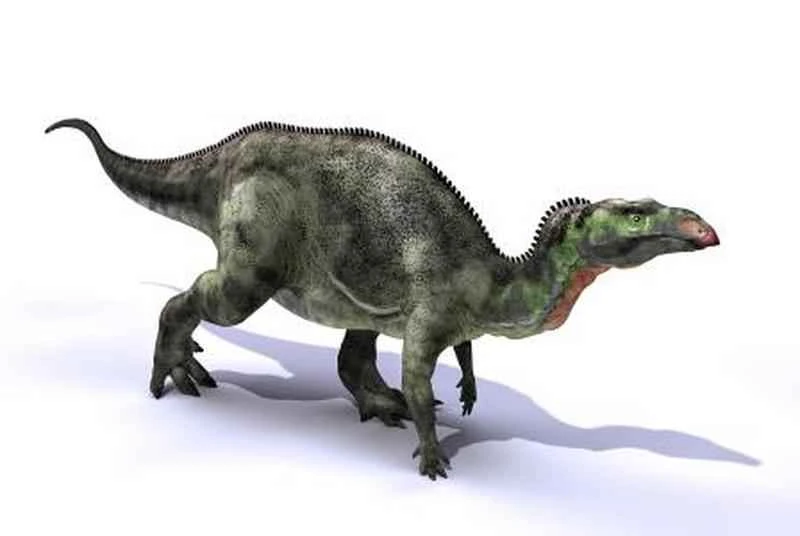
10. Curved Dragon
It can walk on all fours or on two feet.
The wrathful dragon was a large creature, very similar to the iguanodon, with a small skull, short forelimbs, and long hind limbs. It was distributed in western Europe and western United States. Due to its bulky body, it may have been slow to move and spent most of its time on all fours eating low-lying plants. However, it could also stand upright on its hind legs to eat high-lying plants or avoid predators.