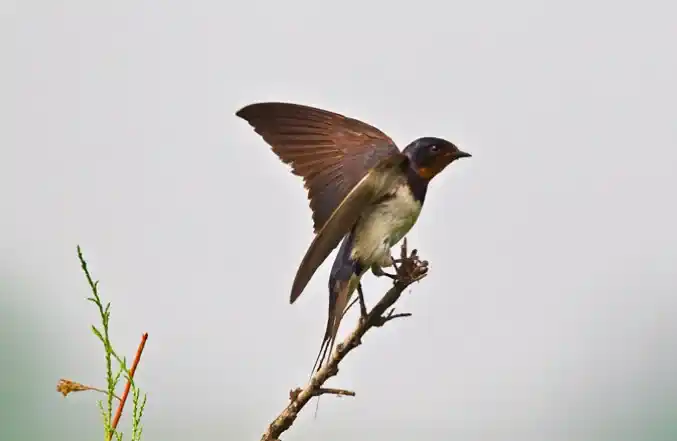
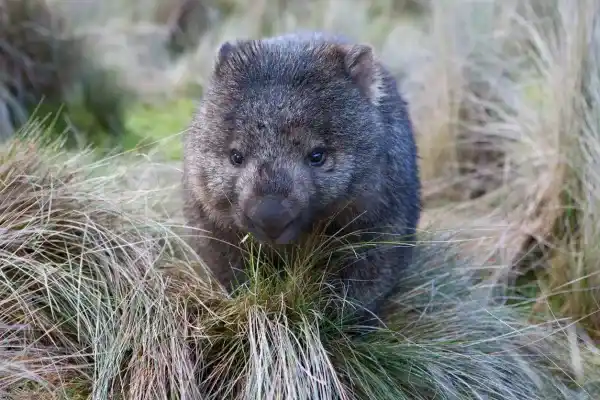
We humans like to take pride in our longevity (and it's getting longer), but the surprising fact is that, in terms of lifespan, Homo sapiens have absolutely no advantage over other members of the animal kingdom, including sharks, whales, and clams. Even salamanders are no exception. In this article, we'll reveal 11 of the longest-living members of different animal families, in order of increasing life expectancy.
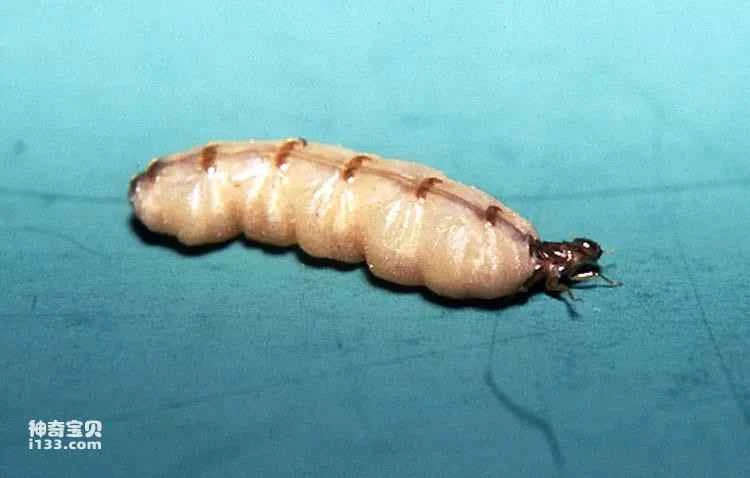
1. Longest-lived insect: Queen termite (50 years)
Queen Termites
People generally believe that insects live only a few days, or at most a few weeks, but termites have a lifespan beyond your imagination. Termite colonies are ruled by a king and queen. After being fertilized by a male, the queen gradually increases the number of eggs laid, from an initial few dozen to nearly 25,000 per day (although not all of these eggs will mature, otherwise we would be overwhelmed by termites!). Termite queens are known to live up to 50 years if undisturbed by predators, while termite kings (who spend almost their entire lives hiding in their burrows with their prolific mates) also have relatively long lifespans. As for the common termites that form the core of the colony, they live for at most one to two years.
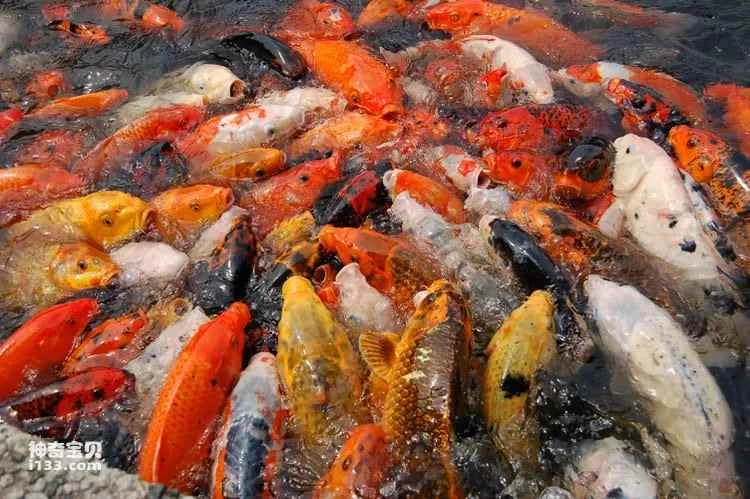
2. Longest-lived fish: Koi (50 years old)
Koi
In the wild, fish rarely live more than a few years; even well-cared-for goldfish can be lucky enough to live up to ten years. But few fish in the world are as gentle as koi, a type of domesticated carp that inhabits "koi ponds" popular in Japan and other parts of the world, including the United States. Like their carp cousins, koi can withstand a wide variety of environments. However, due to environmental limitations (especially considering their vibrant colors and the constant modification they have undergone by humans), they don't have particularly good defenses against predators. Some individual koi are said to live over 200 years, but the most widely accepted estimate by scientists is 50 years, which is still much longer than that of ordinary fish in aquariums.
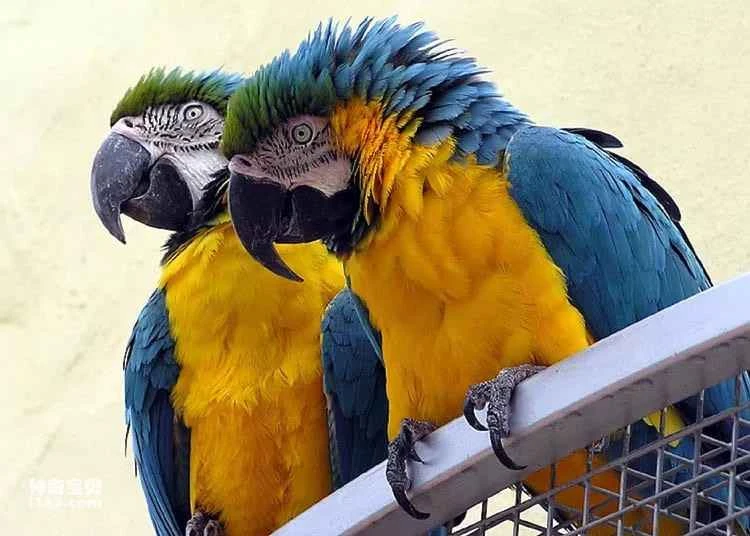
3. Longest-lived bird: Macaw (100 years old)
Macaws and Blue Parrots
In many ways, macaws bear a striking resemblance to the American suburbs of the 1950s: these colorful parrot relatives mate only once in their lifetime; the mother incubates the eggs (and cares for the chicks), while the male forages; their lifespans are similar to humans, surviving 60 years in the wild and 100 years in captivity. Ironically, despite the macaw's exceptionally long lifespan, many species face extinction due to demand for them as pets and the destruction of their rainforest habitats. The longevity of macaws, parrots, and other members of the parrot family raises an intriguing question: birds originated from dinosaurs, and we know many dinosaurs were small and brightly colored, so could some of the smaller representatives of birds have evolved into dinosaurs? Ancient reptile families have lived for millions of years; could birds also have such long lifespans?
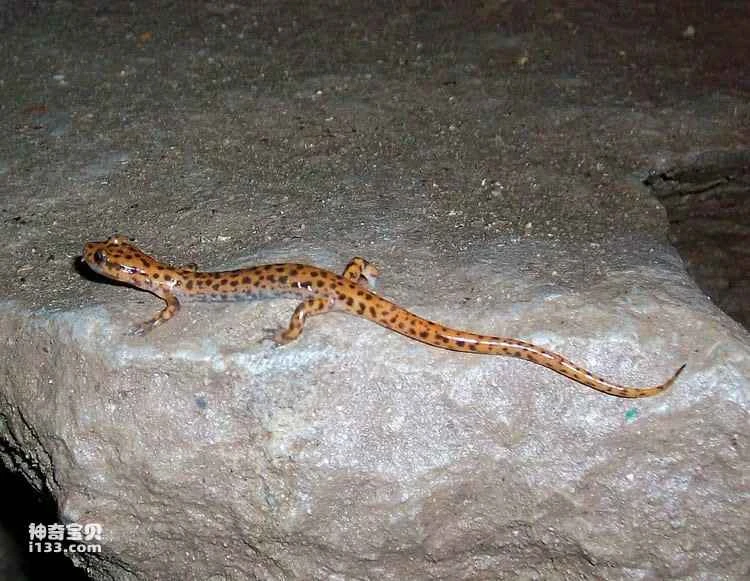
4. Longest-lived amphibian: Cave salamander (100 years old)
Cave salamander
If you were to list an animal that frequently lives to be over a century old, the blind newt (Proteus anguinus) would likely be near the end of your list: how could a fragile, eyeless, cave-dwelling amphibian only six inches long survive more than a few weeks in the wild? Naturalists attribute P. anguinus's longevity to its unusually slow metabolism—this newt takes 15 years to mature, mates and lays eggs roughly every 12 years, and is almost completely immobile (especially when food is plentiful). More importantly, the damp caves of southern Europe where this newt lives have virtually no predators, allowing P. anguinus to survive over 100 years in the wild. (The second longest-lived amphibian on record, the Japanese giant salamander, rarely exceeds half a century.)

5. Longest-lived primate: Human (100 years old)
An elderly Somali woman
The fact that humans live to be 100 so frequently—with approximately 500,000 centenarians in the world at any given time—is such an astonishing achievement that it's easy to overlook the fact. Thousands of years ago, lucky Homo sapiens were considered "old" if they lived to their twenties or thirties, and until around the 18th century, the average lifespan rarely exceeded 50. (The culprits were high infant mortality rates and susceptibility to deadly diseases; in fact, at any stage of human history, if you somehow managed to survive infancy and adolescence, your chances of living to 50, 60, or even 70 were much higher.) What can we attribute to this remarkable increase in lifespan? Well, in general, it's thanks to civilization—especially hygiene, medicine, nutrition, and cooperation (in the Ice Age, human tribes might have left the elderly to starve in the cold; today, we make a special effort to care for our 80s and 90s).
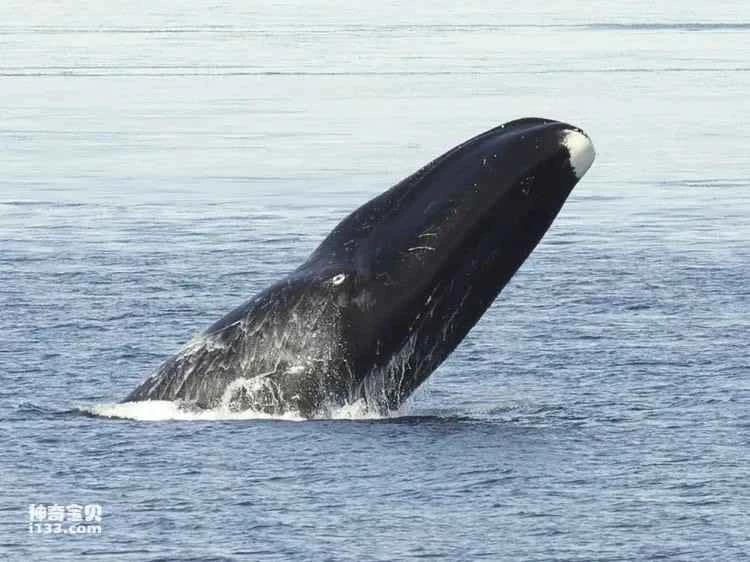
6. Longest-lived mammal: Bowhead whale (200 years old)
Bowhead whale
Generally, large mammals tend to have relatively long lifespans, but even by this standard, the bowhead whale is an exception: these whales, weighing hundreds of tons, typically live to adulthood exceeding 200 years. Recent analysis of the whale's genome has revealed the mystery: bowhead whales possess unique genes that aid in DNA repair and resistance to mutations (and thus cancer). Their relatively slow metabolism, due to their habitat in Arctic and subarctic waters, may also contribute to their longevity. Today, approximately 25,000 bowhead whales live in the Northern Hemisphere, experiencing a healthy rebound in numbers since 1966, when the international community took stringent measures to stop whalers.
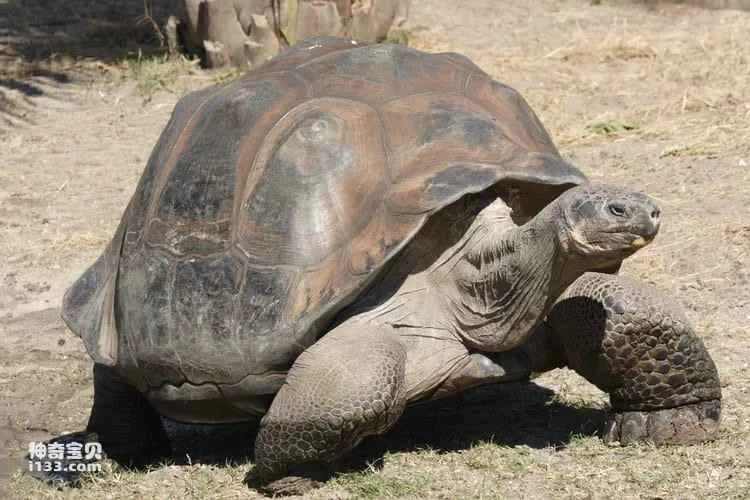
7. Longest-lived reptile: Giant tortoise (300 years old)
Giant turtle
The giant tortoises of the Galapagos and Seychelles are quintessential examples of "island gigantism," where animals confined to island habitats, free from predators, grow to an unusually large size. Their lifespans perfectly match their 500 to 1,000-pound weights: it's well-known that captive giant tortoises can live over 200 years, and there's good reason to believe that wild tortoises typically live up to 300 years. Like some other animals on this list, the reasons for their longevity are self-evident: these reptiles move extremely slowly, have very low basal metabolic rates, and tend to have relatively long life stages (for example, Aldabra giant tortoises take 30 years to reach sexual maturity, roughly twice the time it takes humans).
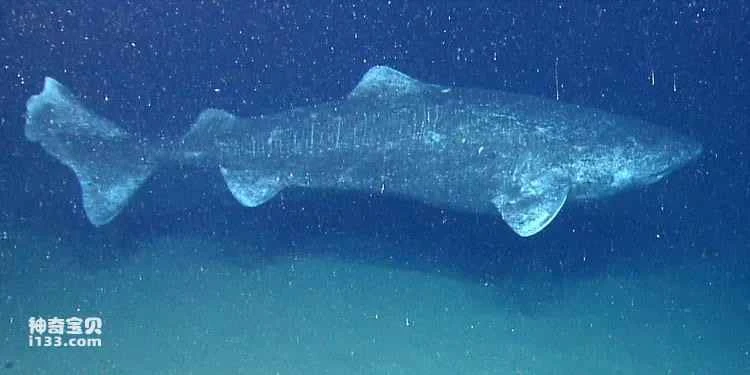
8. Longest-lived shark: Greenland shark (400 years old)
Greenland shark
If fairness existed in the world, the Greenland shark (smallhead shark) would probably be as famous as the great white shark: it's just as large (some adults weigh over 2,000 pounds), and it's even more distinctive due to its Arctic habitat. You could even say the Greenland shark is as dangerous as the stars of "Jaws," but in a different way: a hungry great white shark will tear you in half, while the smallhead shark's flesh is rich in trimethylamine N-oxide, a chemical toxic to humans. Nevertheless, the Greenland shark's most notable attribute is its 400-year lifespan, which can be attributed to its sub-freezing environment, relatively low metabolism, and the protection provided by methylated compounds in its muscles. Surprisingly, this shark doesn't reach sexual maturity until after 100 years of age, a stage by which most other vertebrates have long since ceased sexual activity or even died.
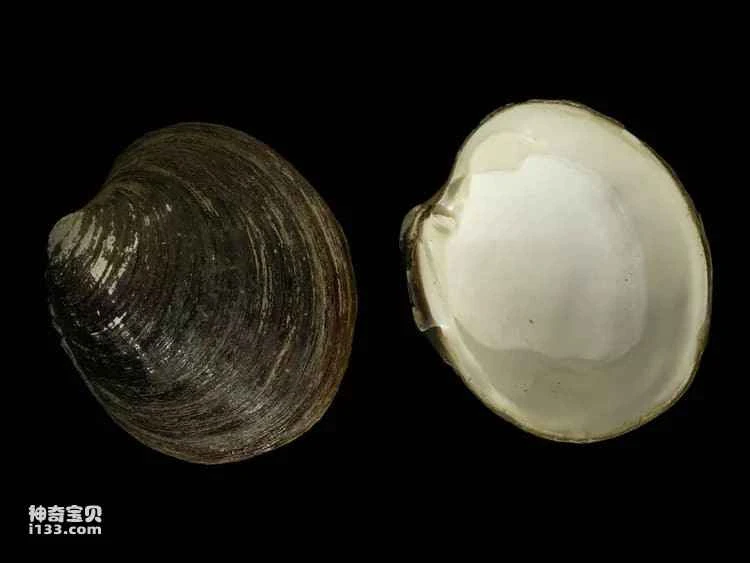
9. Longest-lived mollusk: Sea quail (500 years old)
Ocean round clam
A 500-year-old mollusk sounds like a joke: considering most clams are almost motionless, how do you know if the clam in your hand is alive or dead? However, some scientists who make a living studying these kinds of things have determined that ocean mollusks (Arctica islandica) can actually live for centuries, as evidenced by an individual that is over 500 years old (you can determine the age of a mollusk by counting the growth rings in its shell).
Ironically, in some parts of the world, the round clam is also a popular food, meaning most people will never celebrate their 500th birthday. Biologists haven't yet figured out why the island seaweed is so long-lived. One clue may be its relatively stable levels of antioxidants, which can prevent cellular damage that leads to most signs of aging in animals.
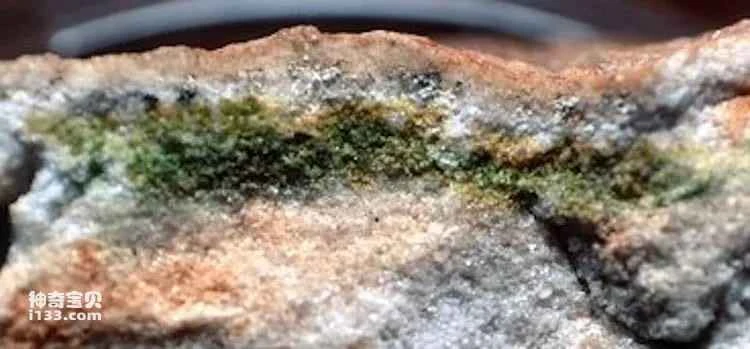
10. Longest-lived microorganism: Inner stone (10,000 years)
Life forms found inside Antarctic rocks
The term "inner rock" refers to bacteria, fungi, amoebae, or algae that live deep underground in rock fissures. Research suggests that some of these groups undergo cell division only once every century, allowing them to live up to 10,000 years. Technically, this differs from the ability of some microorganisms to revive from stagnation or deep freezing after tens of thousands of years; in a meaningful sense, these inner rocks, while not very active, are still persistently "alive." Perhaps most importantly, inner rocks are autotrophic, meaning they don't rely on oxygen or sunlight to fuel their metabolism, but rather on inorganic chemicals that are virtually inexhaustible in their underground habitat.
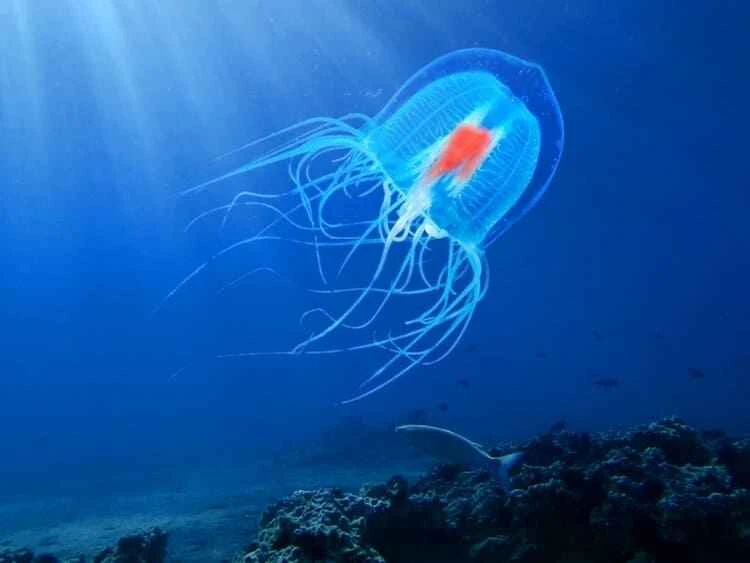
11. Longest-lived invertebrate: Turritopsis dohrnii (possibly immortal)
Turritopsis dohrnii
The average age of jellyfish is difficult to determine because these invertebrates are so fragile that they are not suitable for in-depth analysis in the laboratory. However, the list of the longest-living animals would be incomplete without mentioning the Turritopsis dohrnii, a jellyfish capable of reverting to a juvenile polyp stage after reaching sexual maturity, thus possessing the potential for immortality. However, it is almost unimaginable for any individual jellyfish to live for millions of years. Just because you are biologically "immortal" does not mean you cannot be eaten by other animals or succumb to drastic environmental changes. Ironically, keeping immortal jellyfish in captivity is virtually impossible; to date, this feat has only been accomplished by a single scientist working in Japan.