The platypus is a unique and special mammal that lives in Australia and Tasmania. Below is a detailed introduction to the habits of the platypus:
Physical characteristics:
Appearance :
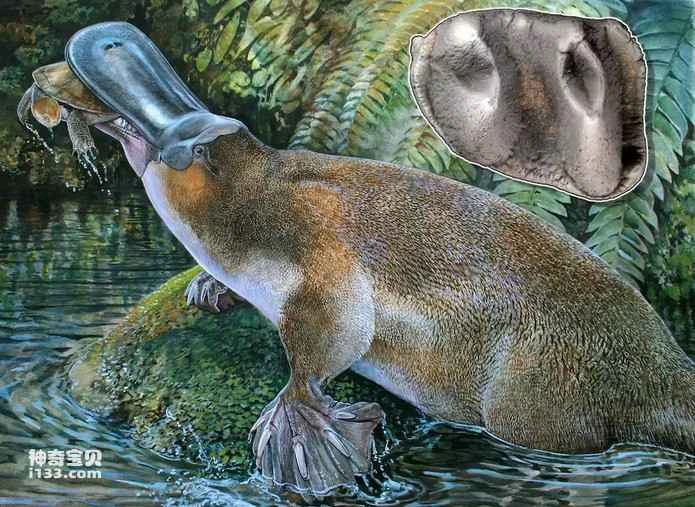
The platypus has unique physical characteristics, with a flat, duck-like bill, a flat head, and a body covered with thick aquatic fur.
Limbs :
Their limbs are claw-like, adapted for digging in the water and swimming.
Lifestyle habits:
Habitat :
Platypuses mainly inhabit rivers, lakes, and swamps in Australia, and prefer to live in clear freshwater environments.
Nocturnal :
Platypuses are typically nocturnal, spending most of the day resting in their dens and active at night searching for food.
feeding habits :
The platypus is a semi-aquatic animal that feeds on aquatic insects, crustaceans, worms, and small fish, using its special beak to catch its food.
Reproduction :
Platypuses are oviparous mammals; females dig burrows underground to lay their eggs. Instead of nursing, females feed their young through folds of skin on their abdomens.
Perceptual ability:
Inductive capability :
Platypuses possess electrosensory organs that enable them to detect weak electric fields around other organisms, helping them capture prey.
Protection status:
Protected status :
Platypuses face certain threats due to habitat loss, environmental destruction, and illegal hunting. They are listed as an endangered species and are protected.
Biological wonders:
Unique characteristics of mammals :
The platypus is one of the few oviparous mammals, and its combination of characteristics with other animals makes it a unique species in nature.
In summary, the platypus is a very special and unique mammal with many distinctive biological characteristics. They play an important role in maintaining the balance of the ecosystem and are a species of concern and protection in Australia.