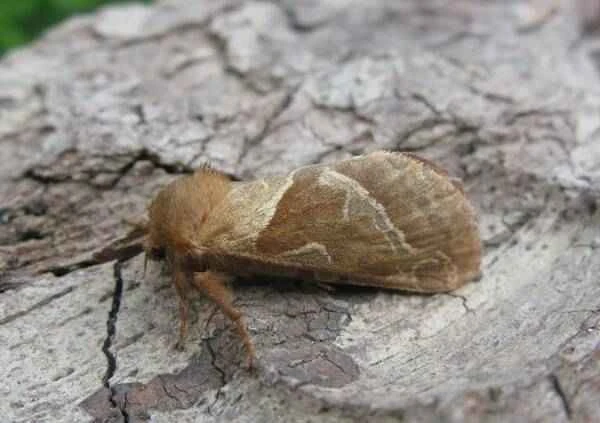
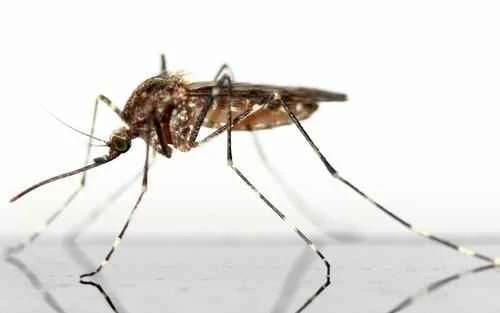
Flies are a common problem in many social environments. Houseflies and other flies occupy an important position in the suborder Brachycera of the order Diptera, attracting attention due to their various adverse effects. These flies have various aliases such as maggots, leeches, and so on. There are approximately 3,000 different species of flies worldwide, and their larvae are often called maggots.
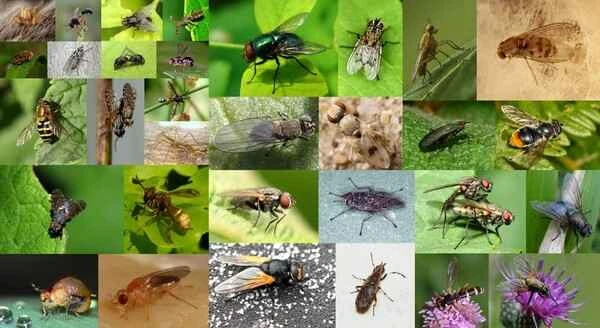
Flies, one of the "Four Pests," primarily feed on decaying organic matter and are therefore commonly found in environments with poor sanitation. Because of their sucking mouthparts, they easily contaminate food and spread diseases such as dysentery, thus being widely considered pests. Besides causing annoyance, contaminating food, and inflicting blood-sucking problems, their most serious concern is the transmission of various diseases and the infestation of myiasis.
So which type of fly is the most harmful? Today, we've compiled a list of the 10 most disgusting flies in the world, including: tsetse flies, human skin flies, horseflies, spiral cone flies, stomach flies, stable sting flies, and sheep flies. Let's take a look.
1. Tsetse flies (skilled blood-suckers that transmit diseases)
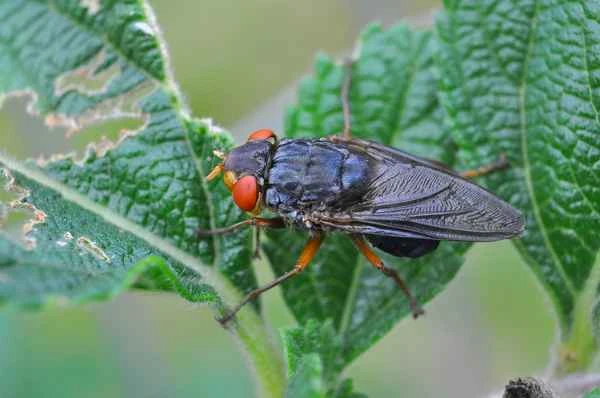
Tsetse flies are widely considered one of the most dangerous flies. Despite being only one centimeter long, their mouthparts are exceptionally sharp, enough to pierce the skin of humans or animals and suck their blood. These flies are mainly distributed in 37 African countries south of the Sahara Desert. When tsetse flies bite humans or livestock, the parasites inside their bodies enter the bloodstream, causing symptoms such as fever, lethargy, and anemia. Once these parasites enter the central nervous system, they can cause fatal trypanosomiasis, also known as sleeping sickness. While timely detection and treatment can save lives, the consequences of delayed treatment can be dire.
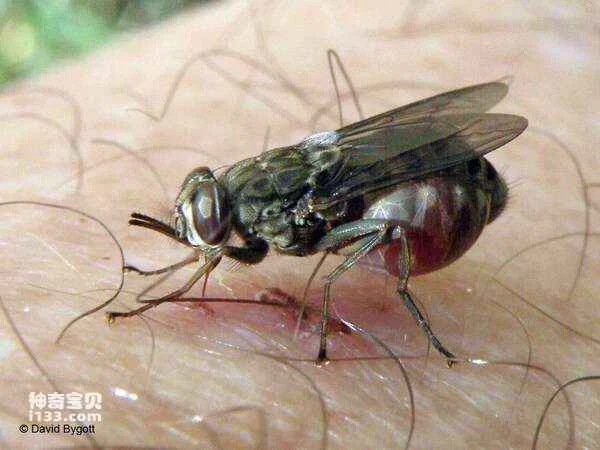
Statistics show that approximately 3 million livestock die each year due to diseases transmitted by tsetse flies, resulting in economic losses of up to $4 billion. About 60 million people live under the threat of tsetse flies, with approximately 500,000 contracting diseases transmitted by them annually, and 50,000 dying as a result.
2. Human skin fly (parasite on humans)
The human hair fly (Drosophila melanogaster) is one of the most notorious and terrifying species in the family Flyidae. This fearsome fly can lay an astonishing number of larvae at a time, with each female hatching more than six hundred larvae in just a few days. These flies are indiscriminate in their choice of host, infesting squirrels, cattle, monkeys, and even humans.
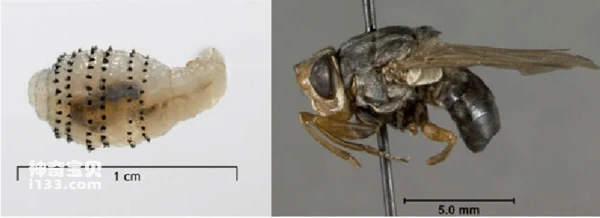
Once these invaders survive in their host for about eight weeks, they feed on the host's blood, rapidly growing larger and stronger. These mad fly larvae develop back spines that penetrate muscle tissue, using the spines to secure themselves within the host's tissues, sometimes even invading soft muscles such as those around the eyes. Eliminating these larvae is quite difficult, especially when they invade the human nervous system, causing even more serious consequences.
3. Horsefly (aggressive parasite; bites can cause ulcers)
When discussing one of the most fearsome flies, the horsefly must be mentioned. These horseflies not only parasitize other animals to satisfy their appetite, but they also skillfully secrete a glue-like substance that adheres their eggs to the fur, lips, noses, and other parts of animals such as horses and donkeys. When humans approach these animals, the horseflies will also fly onto them to suck blood and lay eggs. These horseflies are vicious and frequently attack various warm-blooded animals, including humans. A bite typically causes painful, itchy skin lesions, which may be followed by a delayed-type local allergic reaction, resulting in symptoms such as erythema, edema, and hives.
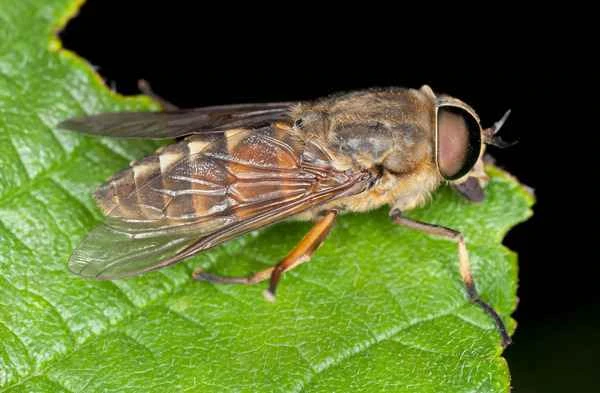
Some horseflies even choose to lay their eggs inside mosquitoes. When a mosquito bites, it injects bodily fluids containing horsefly eggs into the human body, allowing the eggs to hatch. This parasitism causes ulcerative sores on the victim's body, posing a serious threat to their health and quality of life.
4. Spiral Cone Fly (an aggressive, blood-sucking, flesh-eating fly that causes maggots and dysentery)
Spiral fly, one of the most fearsome fly species, often attracts attention in fly species inventories. Belonging to the family Cercidiidae, this highly aggressive carnivorous fly has larvae naturally endowed with two sharp incisors, which allow them to enter mammals (including humans) and feed on their blood and flesh.
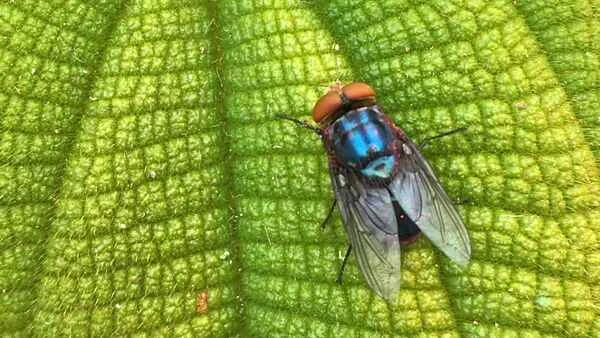
Spiral cone flies are aggressive towards any small wound on warm-blooded animals, using these wounds to lay their eggs. The hatched larvae feed on animal tissue, potentially harming or even killing the host animal. Spiral cone flies not only harm livestock but also infest wildlife and even pose a threat to humans. In areas where spiral cone fly myiasis is prevalent, public health and the economy suffer severe consequences.
5. Stomach flies (with strong parasitic abilities)
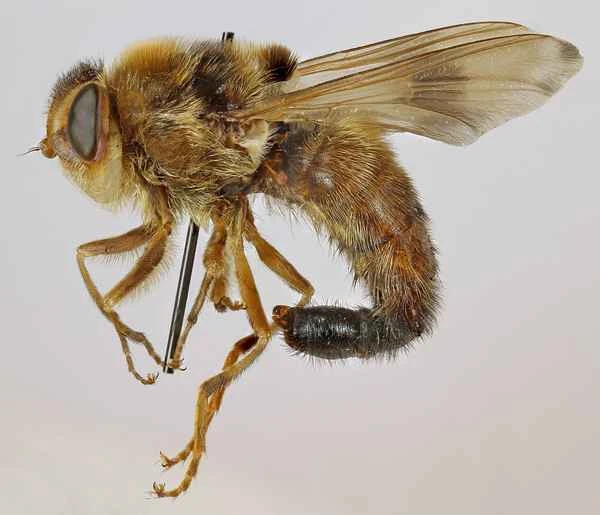
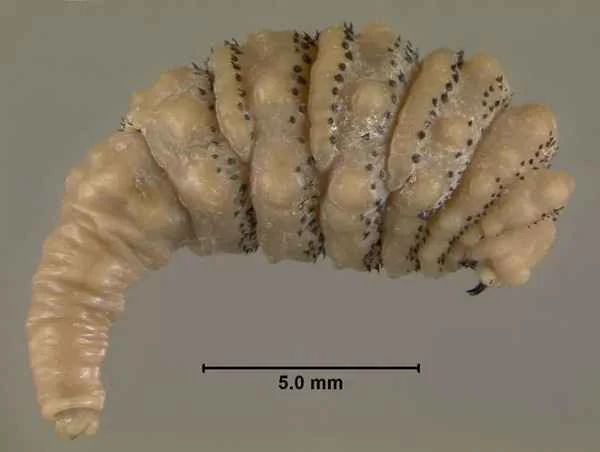
Which fly is the most disgusting? The stomach fly is undoubtedly a repulsive insect that evokes physical nausea and fear. Known for its extraordinary parasitic abilities, the stomach fly is significantly larger than common flies or fruit flies. Its larvae, commonly known as maggots, are infamous for parasitizing the human body. After hatching, the stomach fly larvae burrow into the host's skin, a process that is utterly gruesome.
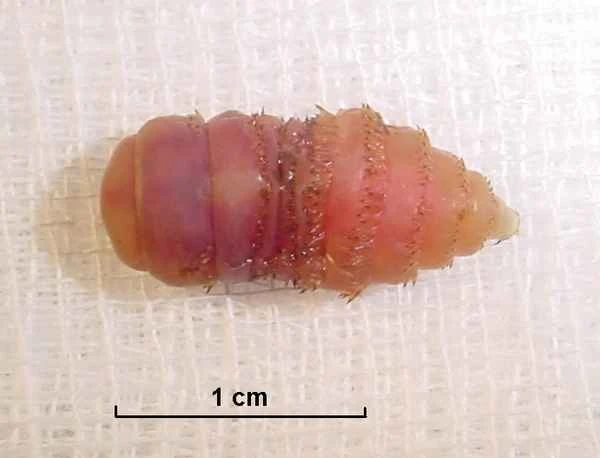
Once maggots infest a host's skin, the tip of their tail protrudes above the skin's surface, through which their breathing tubes connect to the outside world, providing the larvae with the oxygen they need. Because the parasites are covered with several rings of black barbs, removing them while they are still alive is exceptionally difficult. Treatment becomes particularly challenging when these parasites infest the area around the eyes.
6. Stable fly (aggressive, blood-sucking, and a vector for anthrax and trypanosomiasis)
Stink flies are a common and notoriously dangerous species of fly in my country, found across most of the country, primarily in the Northeast, North China, and Northwest, with relatively fewer in the Qinghai-Tibet Plateau. Resembling houseflies in appearance, these flies use their piercing-sucking mouthparts. Their larvae typically breed in livestock manure or decaying plant matter, while the adults are primarily active outdoors, especially during the day. They prefer to feed on the blood of livestock, and occasionally on human blood as well.
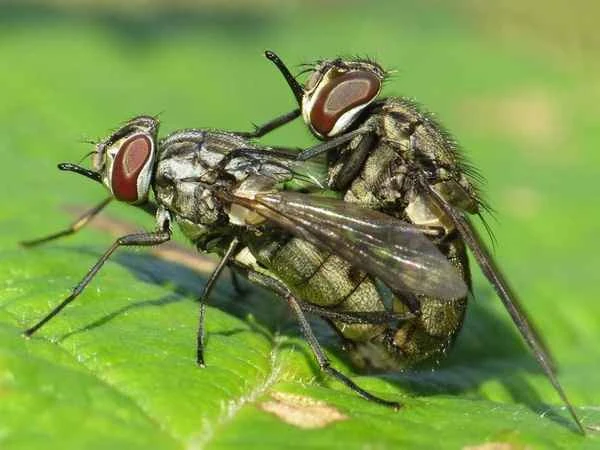
Stable flies are vicious blood-sucking flies that typically inhabit sunny, open areas, but will also enter indoors when the weather is bad. Besides directly impacting the health and productivity of livestock, stable flies can also transmit diseases such as anthrax and trypanosomiasis, causing considerable harm in disease transmission.
7. Sheep fly (causes eye maggot infection)
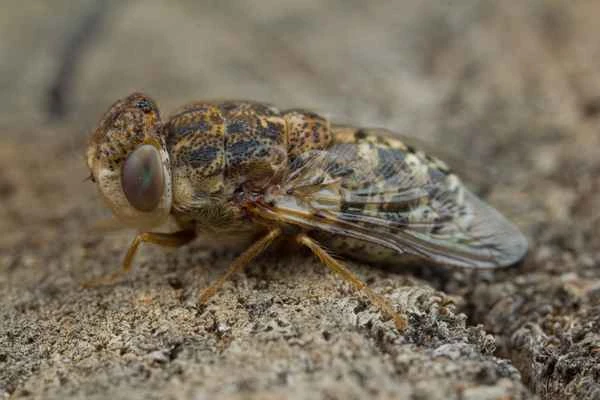
The sheep fly (Phyllostachys edulis) is one of the most harmful fly species. This important parasitic fly primarily infests sheep. The larvae of the sheep fly parasitize the nasal cavity and surrounding sinuses of sheep, and sometimes enter the trachea, lungs, and even the brain, causing sheep myiasis. Symptoms in infected sheep include purulent nasal discharge and sneezing, followed by restlessness, difficulty breathing, chronic rhinitis, and sinusitis.
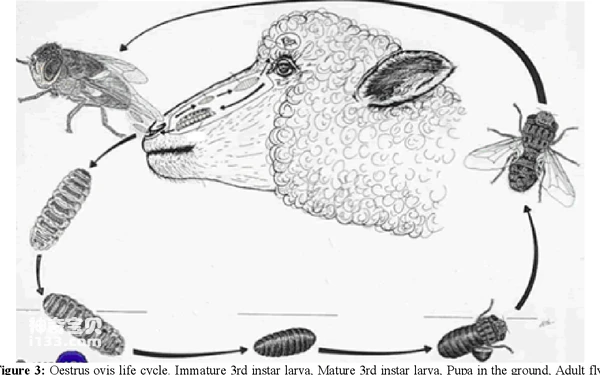
Humans can occasionally be infected by the larvae of the sheep fly, causing eye fly myiasis. The main symptoms of eye fly myiasis include tearing, photophobia, and a foreign body sensation. It can lead to conjunctivitis, corneal opacity, and even blindness.
8. Green bottle fly (transmits intestinal infectious diseases causing myiasis)
Among the top ten most disgusting flies, the infamous "green bottle fly" must be mentioned. While blowflies are vectors for diseases like dysentery in humans and animals, the green bottle fly is a major representative of this fly family. Widely distributed in China, this fly is highly adaptable and can be found near residential areas and in the wild. Its larvae typically feed on carrion, primarily reproducing in rotten, foul-smelling materials such as carcasses, fish, shrimp, and garbage. Adults are particularly sensitive to smelly fish and can even invade indoor environments in residential areas.
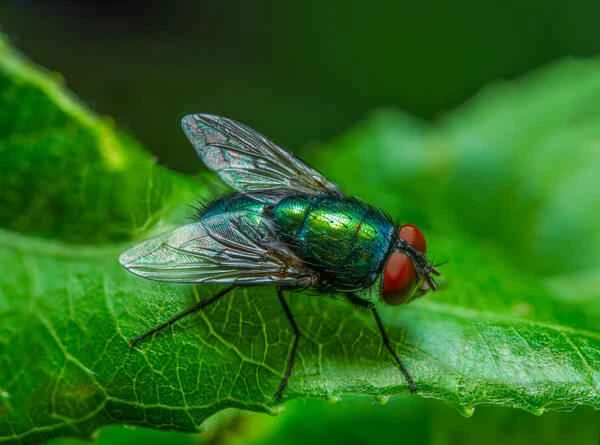
This species can transmit intestinal infectious diseases and is one of the main fly species causing larval infection in wound tissues. Female flies choose to lay their eggs in putrid wounds and boils on humans and animals, leading to larval infection. This behavior not only causes myiasis but can also contribute to the spread and transmission of other diseases.
9. Houseflies (highly prolific and ubiquitous, causing myiasis)
Houseflies are a species of fly closely associated with humans and are widely recognized as a global public health pest. They are widely distributed, found in almost any warm climate inhabited by humans worldwide. From ancient temples high in the mountains to picturesque villages, houseflies can survive and reproduce. Even in harsh environments or with poor growing conditions, houseflies can survive, and their numbers increase rapidly once environmental conditions improve. These flies primarily inhabit places rich in feces, garbage, and organic matter.
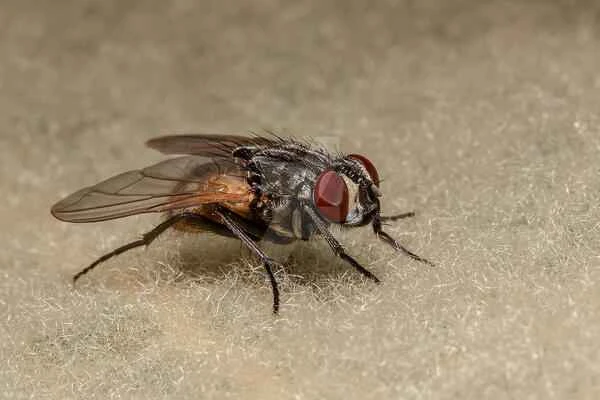
Houseflies are highly prolific insects that can carry more than 100 different pathogens. They are vectors for a variety of myiasis, including ocular myiasis, gastrointestinal myiasis, otolaryngological and oral myiasis, urogenital myiasis, and wound myiasis.
10. Fleas (omnivorous flies that cause myiasis)
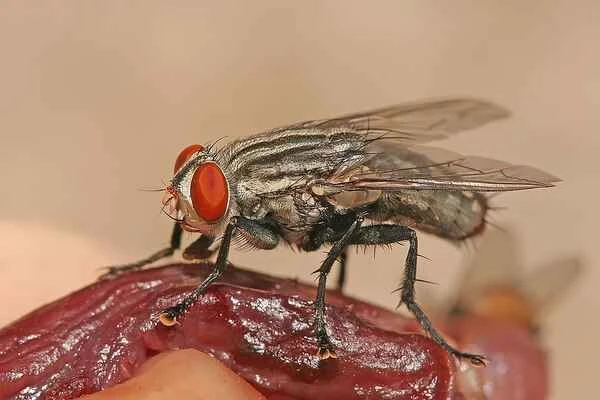
Flesh flies, also known as flesh flies, are widely distributed throughout the world. They typically inhabit outdoor environments, preferring to congregate around humans and on contaminated surfaces, and rarely venture indoors. Unlike most flies that are oviparous, flesh flies are ovoviviparous. This means that most flesh fly species lay their eggs on carrion, feces, or decaying matter; a few species even lay their eggs on wounds of mammals, while others choose to lay their eggs on other insects, using them as parasitic hosts.
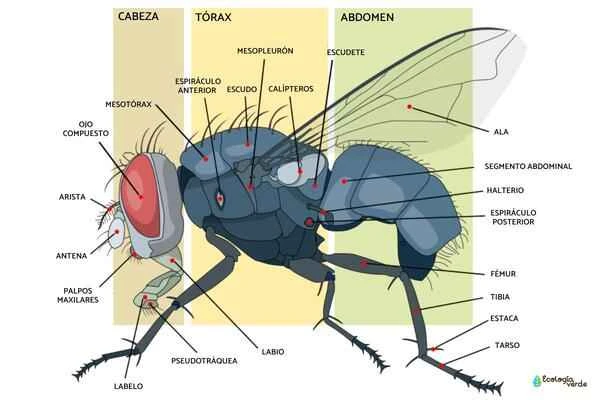
Fleas are one of the vectors for the transmission of intestinal infectious diseases in summer and autumn, and are also one of the instigators of the spread of various fly larvae diseases.