Dogs are often called "man's best friend" and have been our companions for thousands of years. Throughout history, people have selectively bred dogs for various purposes, resulting in a large number of breeds with unique characteristics. Dogs vary greatly in shape and size, from large working dogs to small pets, and each breed plays a different role in human society. In this article, we will explore the different classifications of dogs and their various roles, comparing them by weight, starting with the largest breeds and working our way down to the smallest.
Dog classification
Dogs are typically categorized into several classes based on their size, function, and temperament. These categories include:
Working dogs are used for tasks such as guarding, herding, pulling, and search and rescue. These dogs are typically large, strong, and intelligent, making them ideal for physically demanding jobs.
Sheepdogs were bred specifically to control and move livestock. Known for their agility, intelligence, and responsiveness to commands, they are an indispensable breed on farms and ranches.
Sporting dogs are used for hunting and retrieving prey, especially birds. These dogs have a keen sense of smell, great stamina, and are highly trained.
Hounds are bred for hunting, using their sense of smell or sight to track prey. These dogs are typically independent yet loyal, and vary in size.
Terriers are energetic breeds of dogs specifically designed for hunting small animals and pests. They are energetic, brave, and very active, and are frequently used for pest control in agricultural environments.
Toy dogs are a small breed primarily kept as companions. While they are not intended for working roles, they are typically intelligent, loyal, and affectionate, making them well-suited for city life or as companions.
The non-sporting dog group is more diverse, including breeds that are not entirely suited to other categories. Non-sporting dogs are kept for a variety of purposes, including companionship, but they do not have a specific working role.
Mixed-breed dogs, often called mongrel dogs, are a combination of two or more dog breeds. They vary greatly in size, temperament, and appearance, and are versatile companion dogs.
The role of the dog
Dogs play a variety of roles in human society, far beyond being just pets. Their most prominent roles include:
Companionship: Most dogs are kept as companion dogs, providing their owners with emotional support, love, and entertainment.
Service dogs: These dogs help people with disabilities, such as guide dogs for the blind, hearing dogs for the deaf, and mobility aids.
Working dogs: Many breeds are used in law enforcement, military, and search and rescue operations. These dogs have a keen sense of smell and high intelligence, making them ideal for detecting substances or finding missing persons.
Herding and hunting: For centuries, people have bred dogs to help with hunting or herding livestock. Herding dogs like the Border Collie are essential for managing sheep or cattle, while sporting breeds like hunting dogs excel at retrieving birds or small animals.
Therapy dogs: These dogs are trained to provide emotional support to people in hospitals, nursing homes, and schools. Therapy dogs help reduce stress and provide comfort during difficult times.
Dog weight comparison: largest to smallest breeds
Below is a table comparing some of the largest and smallest dog breeds by average weight:
| dog breeds | Classification | Average weight (pounds) | Average weight (kg) | Role |
|---|---|---|---|---|
| English Mastiff | working dogs | 150–230 pounds | 68–104 kg | Guard dogs, companion dogs |
| Saint Bernard | working dogs | 120–180 lbs | 54–82 kg | Search and rescue dogs, companion dogs |
| Great Dane | working dogs | 110–175 lbs | 50–79 kg | Guardian, companion |
| Newfoundland | working dogs | 100–150 pounds | 45–68 kg | Water rescue, companionship |
| Leonberger | working dogs | 90–170 lbs | 41–77 kg | Guardian, companion |
| Rottweiler | working dogs | 80–135 lbs | 36–61 kg | Security guard and police work |
| Bernese Mountain Dog | working dogs | 80–115 pounds | 36–52 kg | Traction work, companionship |
| Labrador Retriever | sporting dogs | 55–80 pounds | 25–36 kg | Hunting, companionship |
| Golden Retriever | sporting dogs | 55–75 pounds | 25–34 kg | Hunting, healing, companionship |
| German Shepherd | sheepdog | 50–90 pounds | 23–41 kg | Police, guards, search and rescue |
| Beagle | hound | 20–30 pounds | 9–14 kg | Hunting, companionship |
| French Bulldog | non-sporting dogs | 16–28 pounds | 7–13 kg | accompany |
| Shih Tzu | Toy dog | 9–16 pounds | 4–7 kg | accompany |
| Pomeranian | Toy dog | 3–7 pounds | 1.4–3.2 kg | accompany |
| Chihuahua | Toy Dog | 2–6 pounds | 0.9–2.7 kg | accompany |
Largest dog breed
1. English Mastiff
The English Mastiff is the largest dog breed. These gentle giants can weigh up to 230 pounds and are often used as guard dogs due to their enormous size. Despite their size, they are known for their calm and affectionate temperament.

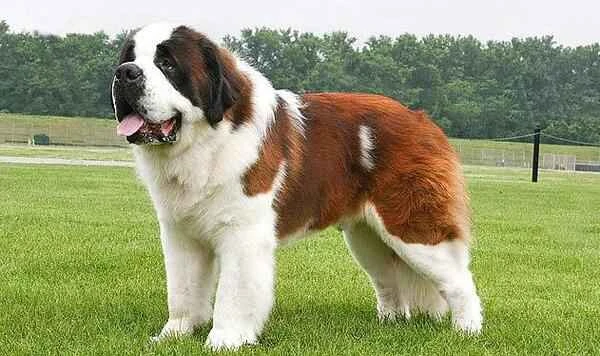
2. Saint Bernard
The Saint Bernard is another large breed of dog, originally bred in the Swiss Alps for search and rescue missions. With their immense strength and keen sense of smell, Saint Bernards were used to find lost travelers in the snow. They also make wonderful family companions.
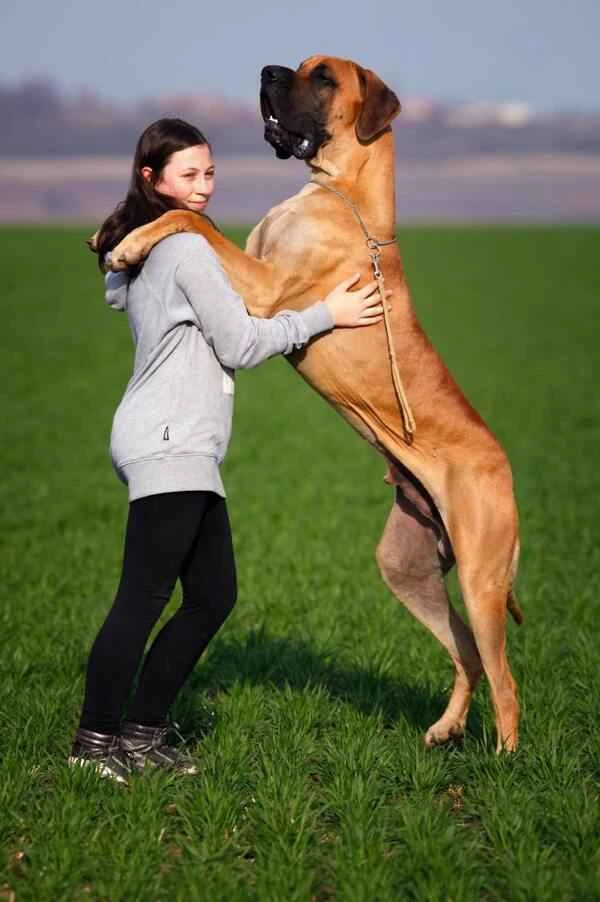
3. Great Dane
Great Danes are known for their large size, with some standing over 30 inches tall at the shoulder. Originally bred for hunting wild boar, they are now known as affectionate family dogs.
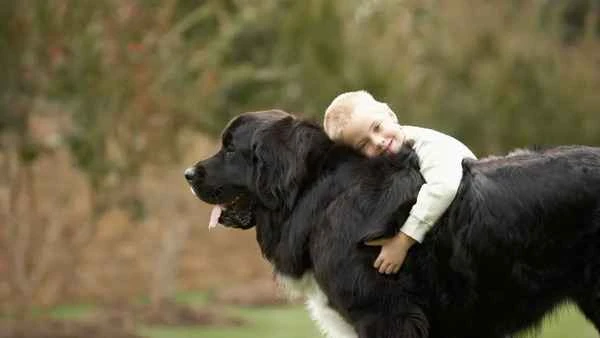
4. Newfoundland
Newfoundlands are large dogs that love water and are frequently used for water rescue missions. Their thick, waterproof coat and strong swimming ability make them ideal for rescuing people in distress.
medium-sized dog breeds
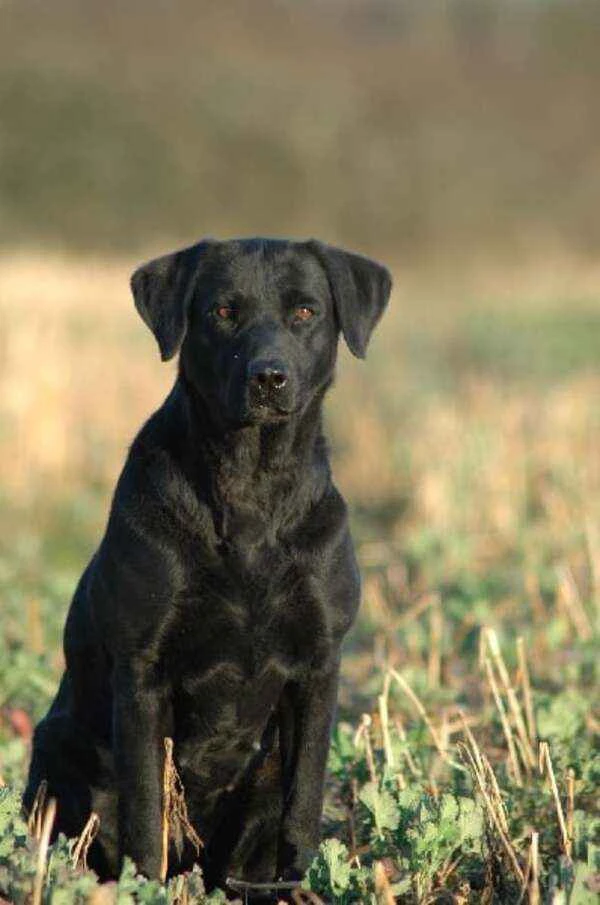
5. Labrador Retriever
Labrador Retrievers are one of the most popular dog breeds in the world. They are known for their friendly and energetic nature and are often used as service dogs, search and rescue dogs, and family pets.
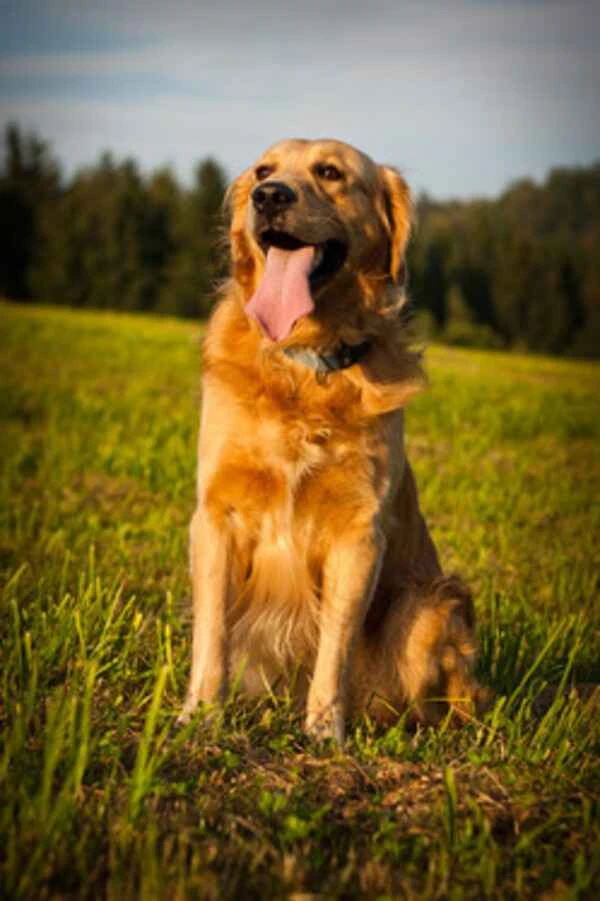
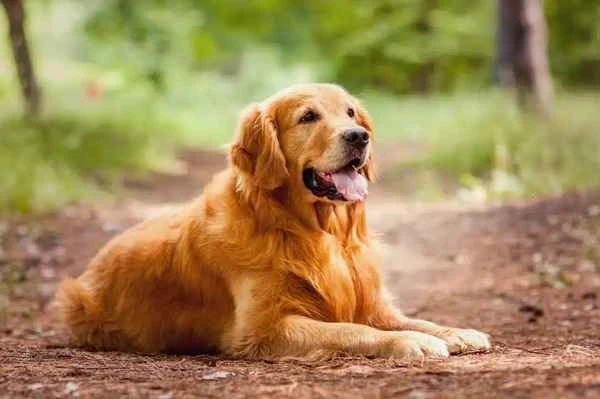
6. Golden Retriever
Golden Retrievers are another beloved breed, known for their friendly and gentle temperament. They are excellent therapy dogs, service dogs, and family companions.
7. German Shepherd
German Shepherds are a highly intelligent and versatile breed, frequently used in police work, military missions, and search and rescue operations. Their strength and loyalty make them excellent working dogs.
The smallest dog breed
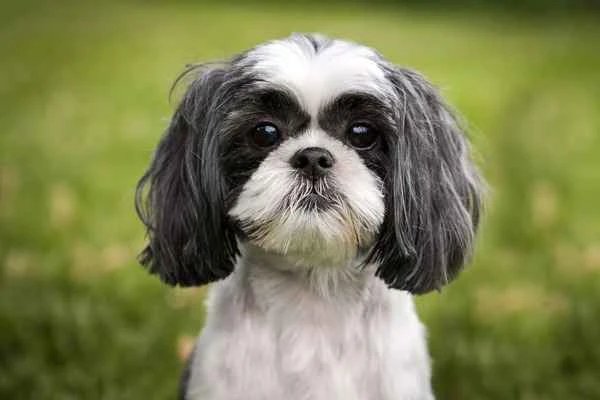
8. Shih Tzu
The Shih Tzu is a small, affectionate breed with a long, lustrous coat. Originally kept as companions to the Chinese imperial family, the Shih Tzu has now become a popular family pet.
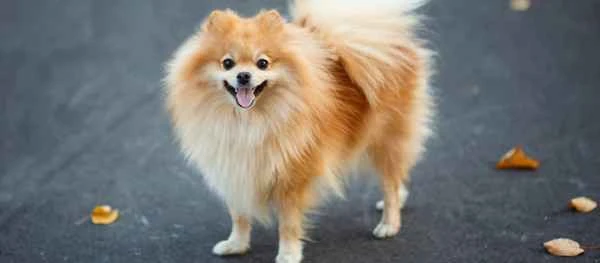
9. Pomeranian
Pomeranians may be small in size, but they have a strong personality. With their fluffy coats and confident demeanor, they are the perfect companions for those who want a small but noble dog.
10. Chihuahua
Chihuahuas are the smallest dog breed in the world, weighing only 2 pounds. Despite their small size, they are known for their bold and lively personalities, making them popular with city dwellers.
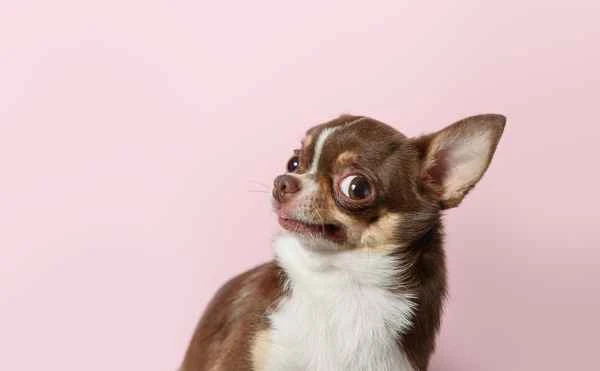
Dogs come in a wide variety of sizes, shapes, and uses. From the massive English Mastiff to the petite Chihuahua, each breed has been selectively bred to play a specific role in human society. Understanding the differences in classification, roles, and size can help you choose a breed that suits your lifestyle. Whether you need a loyal working companion, a playful family dog, or a small pet, everyone can find the perfect breed for them.