The image of a cat chasing a mouse is one of the most enduring and universally recognized relationships in nature. Widely circulated in countless stories, cartoons, and folklore, the phrase "cat and mouse" has become synonymous with pursuit and escape. But what exactly drives this seemingly antagonistic relationship between cats and mice? Is it purely a matter of predation, or is the connection deeper, shaped by instinct and evolution?
In this article, we will delve into the biological, behavioral, and historical aspects of the cat-mouse relationship, exploring why cats are such efficient rodent hunters and how this dynamic influences their interactions over time.
1. Cats as predators: driven by instinct
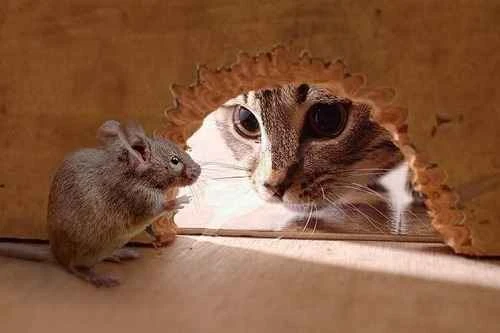
At the heart of the cat-and-mouse dynamic lies the cat's natural hunting instinct. Cats are obligate carnivores, meaning their diet consists primarily of meat, and their bodies are biologically designed for hunting. From the smallest domestic cat to the largest wild tiger, all felines possess this hunting instinct.
Mice are natural prey for cats, not only because of their size but also because their movements trigger their hunting instincts. The mouse's rapid, unpredictable movements stimulate a cat's predatory response. Even cats that are well-fed and don't need to hunt for food often exhibit this behavior when they spot a mouse. This is why many domestic cats, even those that live indoors and have access to food, still "hunt" small animals or toys.
The typical sequence of a cat's hunting behavior follows four distinct phases:
Tracking: Cats quietly observe their prey, approaching without being detected.
Pounce: Once close enough, the cat will pounce on the mouse, attempting to catch it.
Playing: After catching a mouse, many cats will "play" with their prey. This behavior often seems cruel to onlookers, but it helps hone the cat's hunting skills.
Killing: The final action is the cat quickly and often fatally biting the mouse's neck or head.
2. The Evolution of the Cat-Mouse Relationship
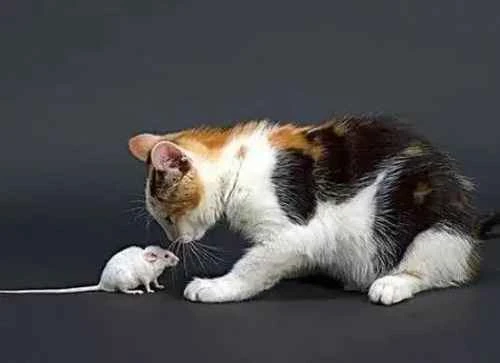
The cat-and-mouse relationship dates back thousands of years. Around 9,000 years ago, cats were domesticated in regions such as the Middle East, when early human societies were transitioning from a hunter-gatherer lifestyle to agriculture and grain storage. Grains attracted rodents, especially mice, which threatened food supplies. This created ideal opportunities for wildcats to hunt near human settlements.
Early humans may have recognized the benefits of domesticating cats for controlling rodent populations. In return for the cats' hunting efforts, they gained a safer environment and a stable food source (through rodents they caught or leftovers provided by humans). This mutually beneficial relationship between humans and cats may have contributed to the domestication of the species. Thus, a partnership formed between cats and humans, with mice often playing a central role in this dynamic.
3. Why do cats "play" with mice?
One of the most perplexing behaviors associated with cats and mice is that cats often seem to be "playing" with their prey, hitting them, letting them escape, and then catching them again. While this may seem cruel from a human perspective, this behavior serves several purposes for cats.
Skill practice: Hunting is a learned skill, and cats (especially young cats) practice and refine their hunting techniques through play. By playing with mice, cats can develop their reaction time, learn to predict the movements of their prey, and perfect the most effective hunting methods.
Caution: Although mice may seem harmless, some prey can bite, scratch, or otherwise injure their predators. By toying with and exhausting mice, cats can reduce their risk of injury. This cautious behavior allows cats to avoid any unnecessary harm during the hunt.
4. Domestic cat and rodent issues
For many families, keeping a cat is an effective and natural way to deal with rodent problems. Whether it's a farm cat patrolling the barn or a domestic pet roaming around the house, cats have historically been valued for their ability to control mouse populations.
However, modern cats don't always hunt mice for food. Well-fed domestic cats may also hunt out of boredom, curiosity, or instinct. In some cases, cats might not even kill the mice they catch, choosing instead to leave them as a "gift" for their owners. This behavior might be reminiscent of a mother cat teaching her kittens how to hunt. When a cat brings a dead or injured mouse to its owner, it may be giving them a "hunting lesson," just as a mother cat does with her kittens.
5. The role of mice in a cat's diet
While cats are known for their mouse-catching abilities, it's important to note that not all cats are equally interested in hunting mice. Some cats are natural hunters, while others may not be as interested. This largely depends on each cat's temperament, experience, and even breed. For example, breeds like the Bengal, Siamese, and Maine Coon are known for their high energy and strong hunting instincts, making them more inclined to chase and catch rodents.
While they are excellent hunters, a diet consisting solely of rodents is not ideal for domestic cats. Rats may carry diseases or parasites harmful to cats, and relying on wild prey does not provide all the nutrients a cat needs. Therefore, even cats that hunt mice should be provided with a balanced, nutritious diet to meet their needs.
6. Tom and Jerry in Popular Culture
From ancient folklore to modern cartoons, the image of a cat chasing a mouse has endured in popular culture. The most famous example is the animated series "Tom and Jerry," in which Tom the cat is constantly chasing the clever Jerry the mouse. This cartoon is a microcosm of the "cat and mouse" dynamic, where the prey is often smarter than the predator.
Throughout history, mice have often been portrayed as intelligent, fast, and cunning animals, while cats have been seen as cunning but sometimes outsmarted. This playful interpretation of their relationship likely stems from real observations of how cats hunt and the mouse's ability to sometimes surprisingly escape even the most tenacious feline predators.
Not just predators and prey
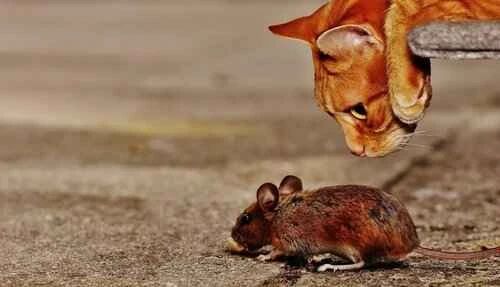
The relationship between cats and mice is a fascinating interplay of instinct, evolution, and survival. While it may appear at first glance to be a simple predator-prey dynamic, it is far more complex. From honing hunting skills to protecting human food supplies, cats have been chasing mice for millennia, and their behavior is rooted in profound evolutionary traits.
Understanding this relationship helps explain many of the behaviors we observe in domestic cats, from their comical antics while playing with toys to their tendency to bring us the "gift" of their captured prey. Although the environment has changed, and cats now typically live indoors and are well-fed, the ancient instincts that drove their ancestors to hunt mice remain very active.
Which cats are the best mousers?
When it comes to hunting ability, not all cats are born equal. While almost all domestic cats possess the natural instinct to catch mice, certain breeds are renowned for their exceptional hunting skills. These breeds are typically more energetic, agile, and driven by their strong predatory instincts. Below, we'll explore some of the cat breeds best suited for mouse hunting and what makes them such efficient hunters.
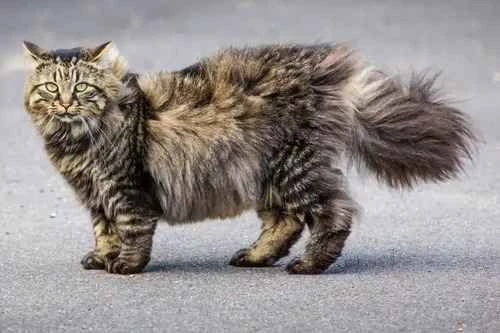
1. Maine Coon – A skilled mouser
Size: Large, 12-25 pounds
Energy level: Medium to high
Temperament: Independent, loyal, curious
The Maine Coon is one of the most famous breeds of mouser cats. Historically, they were farm cats in New England, highly regarded for their ability to protect barns and homes from pests. Large, intelligent, and with a strong hunting instinct, they are expert mousers. Maine Coons are also highly adaptable, meaning they can thrive in diverse environments, from rural barns to suburban homes. While gentle towards humans, they are highly efficient hunters, often defeating the fastest rodents.
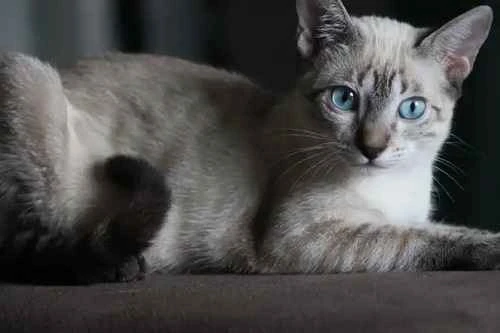
2. Siamese Cat – Agile Hunter
Size: Medium, 8-15 pounds
Energy level: High
Temperament: Curious, playful, loves to shout
Siamese cats are sleek, agile, and extremely active, giving them a significant advantage in catching mice. Their quick reflexes and intense curiosity mean they're always on the lookout, making them natural-born mousers. Siamese cats are also known for their intelligence and problem-solving skills, which help them trap mice in hard-to-reach places. They interact very frequently with their owners, so don't be surprised if your Siamese cat proudly shows you its latest prey.
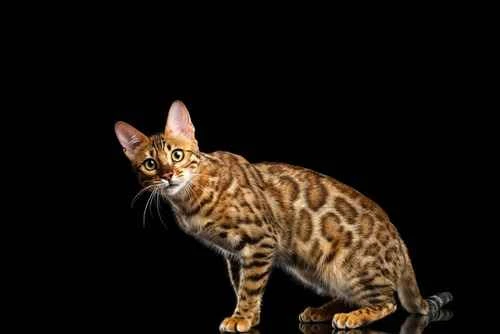
3. Bengal cat – wild at heart
Size: Medium to large, 8-15 lbs
Energy level: Very high
Temperament: Active, intelligent, and adventurous
The Bengal cat is one of the most energetic and athletic cat breeds, and its wild lineage gives it a significant advantage in hunting. Descended from the Asian leopard cat, this wild ancestry is still evident in its appearance and behavior. They have a strong hunting instinct, and their athleticism allows them to easily track, chase, and pounce on mice. Due to their high energy levels, Bengal cats require plenty of stimulation, making them natural hunters in any household. They also enjoy playing in water, which comes in handy if mice try to hide in the sink or bathtub!
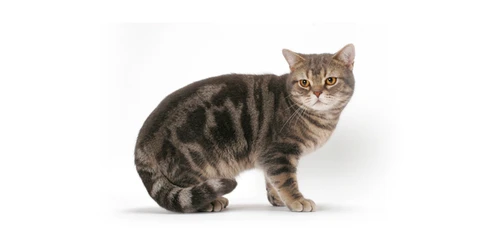
4. American Shorthair – Classic Mouser
Size: Medium, 8-15 lbs
Energy level: Moderate
Temperament: Easy-going, independent, reliable
The American Shorthair is often considered one of the best mouser breeds. Originally brought to the Americas by European settlers, these cats earned their living by protecting ships, farms, and homes from rodents. The American Shorthair is known for its sturdy build and innate hunting instincts. Their independent and calm nature makes them focused hunters, patiently waiting for the perfect moment to pounce on their prey. This breed is ideal for families who need effective mousetraps, as well as friendly, low-maintenance pets.
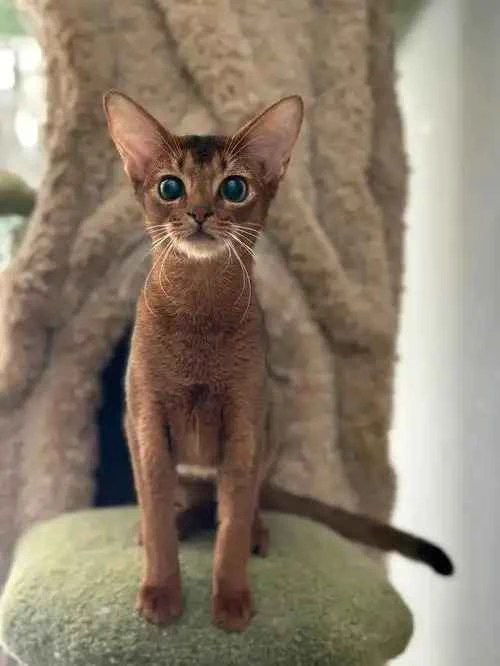
5. Abyssinian Cat – Agile Explorer
Size: Small to medium, 6-10 lbs
Energy level: High
Temperament: Active, curious, and adventurous
Abyssinian cats are among the most active and energetic cat breeds, known for their love of climbing, exploring, and playing. Their slender, agile bodies make them exceptionally adept at navigating narrow spaces where mice might hide. Abyssinian cats are intelligent and curious, traits that make them highly skilled at tracking and catching rodents. Although they are often too busy exploring to relax for long periods, their boundless energy and keen instincts make them top hunters.
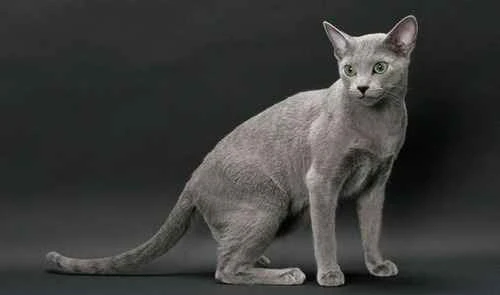
6. Russian Blue Cat – The Silent Stalker
Size: Medium, 7-15 lbs
Energy level: Moderate
Temperament: Quiet, observant, and reserved
Russian Blue cats may not be as boisterous or energetic as other breeds, but their quiet, alert nature makes them highly effective hunters. Known for their striking green coloration, deep-set eyes, and fluffy blue-grey fur, Russian Blues are extremely stealthy and cautious in their movements. They tend to be calm and quiet felines, but when they spot a mouse, their hunting instincts kick in, and they move with precision and speed. Russian Blues are also known for their independence, so they may prefer dealing with mice alone rather than interacting much with human companions.
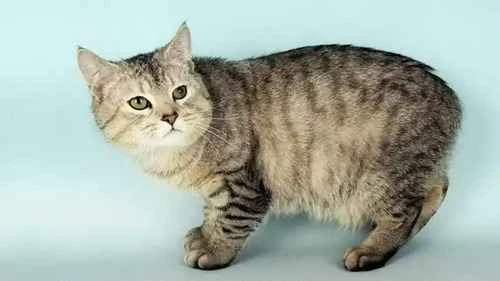
7. Isle of Man Cat – Tailless Tracker
Size: Medium, 7-12 pounds
Energy level: Moderate
Temperament: Playful, friendly, and active
Manx cats are known for their tailless or short-tailed appearance, but this unique trait didn't prevent them from being excellent hunters. Historically, Manx cats were used for rodent control on farms and ships. They are strong, muscular felines with a natural hunting instinct. Manx cats are very alert and quick-witted, making them adept at chasing and catching mice. Their active nature means they will spend hours chasing prey, and their robust physique allows them to tackle even the most difficult mouse problems.
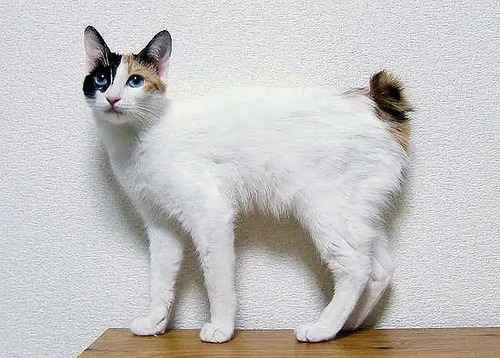
8. Japanese Bobtail – Agile and alert hunter
Size: Small to medium, 5-10 lbs
Energy level: High
Temperament: Energetic, playful, intelligent
The Japanese Bobtail is a unique breed, characterized by its short, "rabbit-like" tail. These cats are very active and intelligent, with a strong hunting instinct. Historically, they were used in Japan to protect granaries from rats. Curious and alert, the Japanese Bobtail is adept at spotting and catching small prey. Their playful nature also means they enjoy chasing, making them a useful ally for households with rats.
Why are some cats better at catching mice than others?
A cat's hunting ability depends on several factors, including genetics, experience, and personality. Working or outdoor-ready cats tend to have more developed hunting skills, while more docile or pampered breeds may be less interested in catching mice. Some cats also have a stronger hunting instinct due to history and genetics. For example, wild-blooded cats like Bengal leopards tend to be more aggressive hunters.
Personality also plays a significant role in a cat's effectiveness in catching mice. More active, curious, and adventurous cats will naturally spend more time hunting and exploring, while calmer, lazier cats may be less interested in chasing small rodents.
Conclusion: The best mousetrap for your home
If you're looking for a cat to help with your mouse problem, breeds like the Maine Coon, Siamese, Bengal, and American Shorthair are excellent choices. These cats possess strong hunting instincts, high energy levels, and natural hunting skills, making them some of the best mousers in the feline world. However, it's important to remember that even the most effective hunters need proper care, attention, and emotional stimulation to stay happy and healthy.
When choosing a rodent catcher, consider your lifestyle, your cat's temperament, and its care requirements. Whether you're dealing with a rodent problem or simply want an active, playful cat, these breeds are sure to meet the challenge!