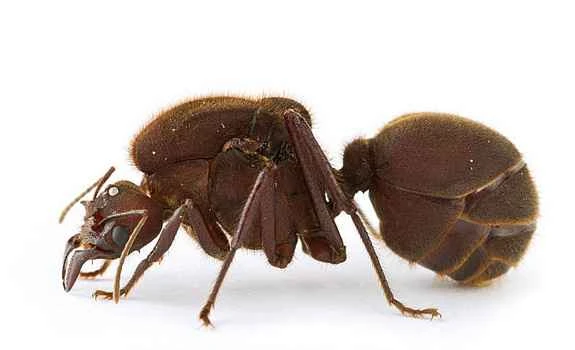
Big-butt ants, a type of large leafcutter ant (Atta laevigata), are widely considered a delicious specialty in the Santander region of Colombia. These ants are known for their unique cooking methods and rich history, going beyond being just an exotic snack. With their distinctive flavor and cultural significance, big-butt ants have become a symbol of the region, enjoyed roasted or fried, much like peanuts.
What do big-butt ants eat?
The big-butt ant (scientific name: *Atta laevigata*) primarily feeds on fungi that grow on decaying plant material, especially rotting leaves. These ants belong to leaf-cutter ant colonies, meaning they cut leaves and carry them back to their nests. Once brought back, the leaves are chewed and mixed with saliva to cultivate a fungal garden, which serves as their primary food source.
Besides fungi, they may also consume other organic matter in the environment, but their diet depends heavily on the fungi they cultivate. This symbiotic relationship between ants and fungi is crucial to their survival, as the ants rely on the fungi for nutrients, while the fungi benefit from being spread and reproduced by the ants.
The origin and history of the big-butt ant
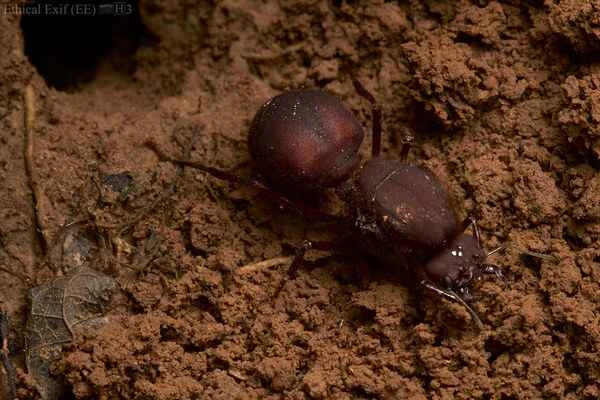
The history of eating large-bottomed ants dates back centuries, with the Guane people, who live in the Santander region of northern Colombia, being the originators of this custom. The name Hormiga Culona literally means "fat ant," referring to the large abdomen of the female leafcutter ant, and only this species is considered edible. These ants are one of several leafcutter ant species, specifically Atta laevigata.
Historically, the people of Guañe have harvested these ants as an important source of protein. Rich in fats, vitamins, and minerals, they were a valuable food source in areas with challenging agricultural conditions. These ants are typically harvested in April and May, coinciding with the rainy season in the Barichara region. During this time, female leafcutter ants emerge from their nests to mate, and these swollen-abdomen ants are the target of farmers, who view them as a fleeting source of nutrition.
Hormiga Culona's traditional fishing methods have been passed down through generations and remain a part of Colombian culture and culinary practice to this day.
The Culinary Significance of Hormiga Culona
Hormiga Culona is more than just a snack; it's deeply rooted in local culture. For the Guañe people, these ants are not only a nutritious food but also believed to have aphrodisiac properties. The female ants' swollen abdomens, filled with eggs, are seen as a symbol of fertility. It's believed that consuming these ants, especially during mating season, enhances sexual potency and increases the likelihood of having children. Therefore, Hormiga Culona has become a popular wedding gift, symbolizing the wish for many offspring and happiness.
To this day, many locals continue this tradition, and Hormiga Culona is sold in markets, shops, and street stalls. These ants are typically roasted or fried with salt as a crispy snack. For those seeking a more upscale experience, some fine dining restaurants have incorporated them into modern cuisine, elevating them from street food to fine dining.
How to make Hormiga Culona
Preparing Hormiga Culona is relatively simple. These ants are typically deep-fried or roasted, often kept alive during cooking to prevent them from developing a bitter taste. They are usually cooked in a large aluminum pot with plenty of salt, which enhances their flavor. During cooking, the ants' wings and legs are removed, leaving only their deep reddish-brown, crispy bodies. It is within these crisp ant parts that the true flavor lies, providing a smoky, nutty taste.
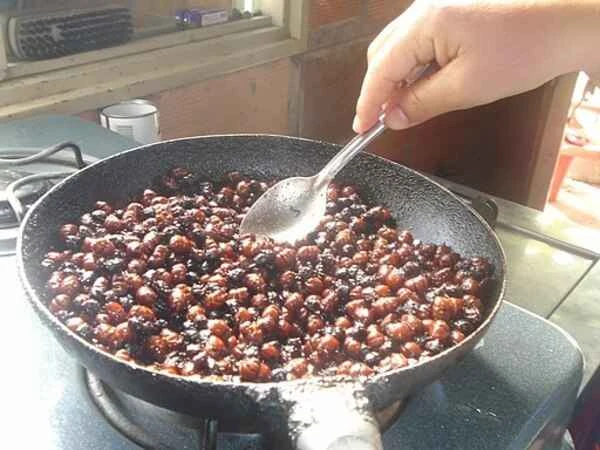
Locals recommend roasted ants, as they are crispier and tastier than fried ants, which can become soggy. In the Santander region, Hormiga Culona is sold in plastic bags like roasted peanuts, making it a convenient street food.
For those hesitant to try leafcutter ants on their own, some restaurants have creatively incorporated them into other dishes. In Baricara, a restaurant called Color de Hormiga is renowned for its Hormiga Culona. One of its signature dishes is beef tenderloin with ant sauce, a delicious blend of traditional ingredients and modern cooking techniques that offers a gentler experience for those wanting to try this local specialty.
Hormiga Culona: A traditional Colombian delicacy
For centuries, Hormiga Culona has been more than just a food for the people of Santander; it's a cultural heritage, a symbol of fertility and the connection between people and the land. Whether enjoyed as a snack or incorporated into fine dishes, these large-bottomed ants continue to hold a significant place in Colombian cuisine. If you have the opportunity to visit the Santander region, be sure to try this unique dish and experience the rich traditions and cultural significance behind it.
Price of big-butt ants
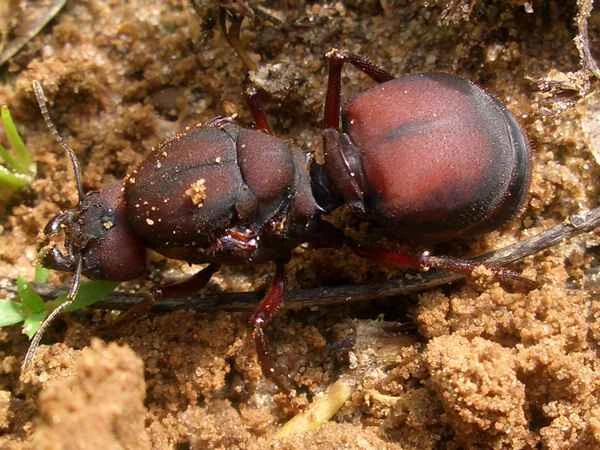
In the Santiago de Colombia region, locals utilize these large "butt ants" as a protein source. These ants typically emerge from their nests during the rainy season from April to May each year; they are large, reddish-brown in color, and known for their high protein content.
Locally, these ants are called "hormigas culonas," meaning "big-butt ants." They taste a bit like roasted chicken and have a texture similar to popcorn.
Due to the difficulty in harvesting it, the price may vary depending on demand and the season. Generally, the price per pound (approximately 0.453 kg) can range from $9 to $40.
Please note that this insect is not common in the United States and may be difficult to find in regular supermarkets or restaurants. If you are interested in trying it, we recommend visiting a specialty store that sells Asian or South American food, or searching for related products online.