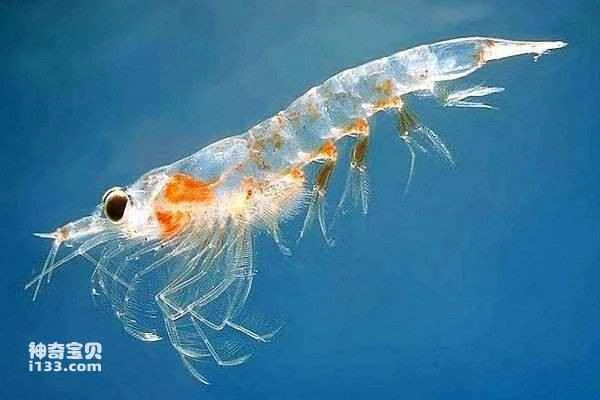
In the deepest, darkest ocean regions of the Earth, there lies a group of mysterious creatures that seem to come from another world. They live in extreme environments thousands of meters below the surface, and over millions of years of evolution, they have developed amazing and even bizarre physical structures and ways of life.
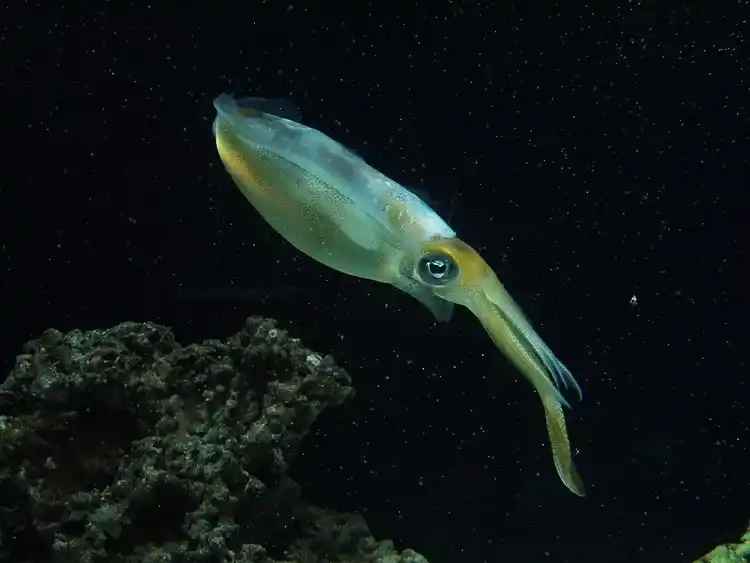
These "ghost inhabitants," far removed from the sunlight, reveal the wonders and unknowns of the deep-sea world. Below are 16 rare deep-sea creatures that dwell in the dark depths beyond human reach.
1. Anglerfish
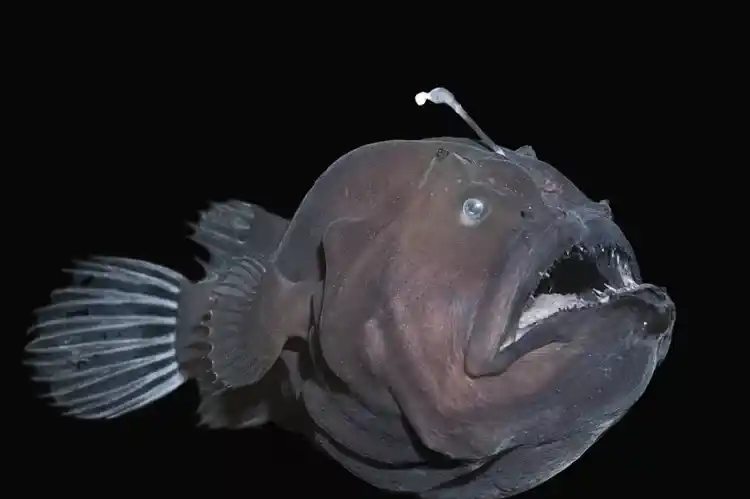
The anglerfish family comprises over 200 species, primarily inhabiting the deep waters of the Atlantic and Antarctic Oceans, reaching depths of up to 1600 meters. They are typically grayish-brown in color and usually around 30 centimeters in length, but can reach up to 1 meter in size.
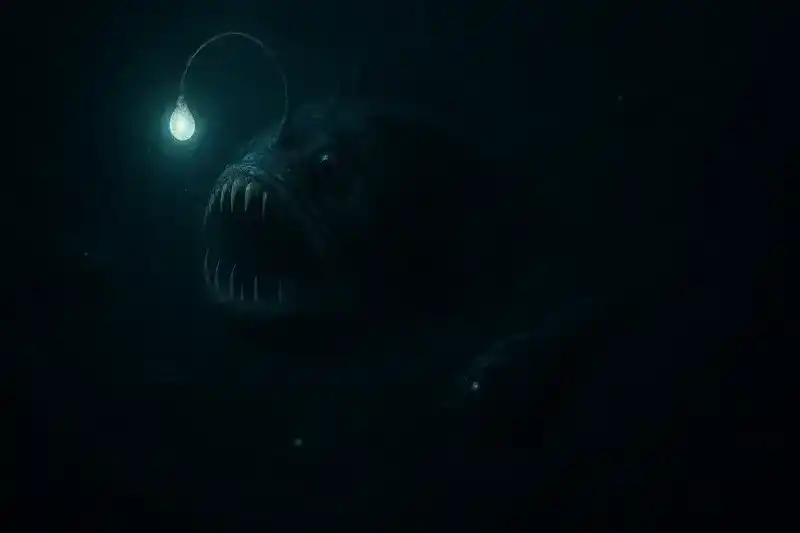
The female anglerfish has a "fishing rod" with bioluminescent bacteria extending from its head, which it uses to lure prey in the dark, like a lantern in the deep sea. This unique "fishing technique" is the origin of its name.
2. Nautilus (Chambered Nautilus)
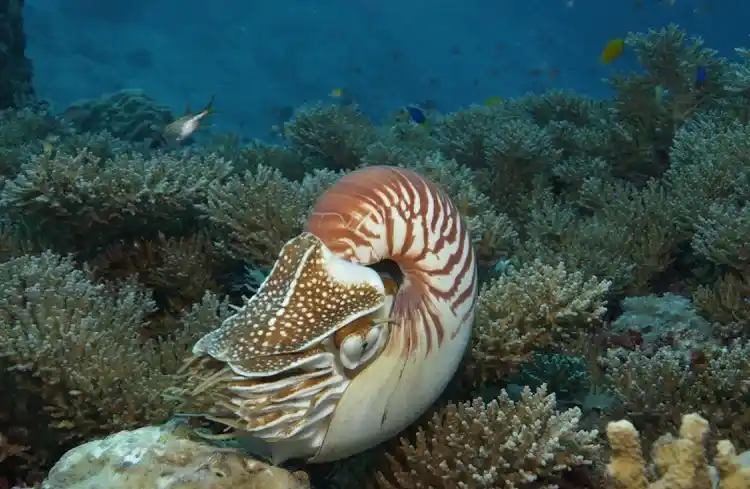
Nautiluses are primitive cephalopods found in the deep waters along the coasts of the western Pacific Ocean, American Samoa, and the Indian Ocean. They dive to depths of 600 meters during the day and surface at night to feed.
Its shell is spiral-shaped with distinct stripes, and the interior is divided into multiple "air chambers" to regulate buoyancy. Despite its extremely poor eyesight, the nautilus navigates in the dark thanks to its keen chemosensory abilities. This creature has existed on Earth for approximately 450 million years with almost no evolutionary changes, earning it the title of a "living fossil."
3. Whiplash Squid
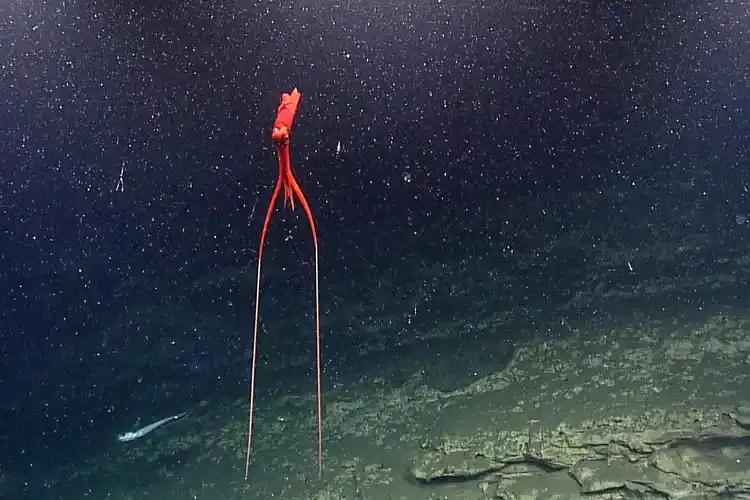
Whip squid can hover vertically at depths of up to 1,500 meters, resembling a tuning fork. This unique posture allows them to maintain ideal foraging positions. Some species also have photophores covering their skin or around their eyes, producing a faint glow in the deep sea.
Until 1992, humans could only learn about them through stranded carcasses. With the widespread use of deep-sea submersibles, scientists have gradually begun to unveil their mysteries.
4. Mariana Hadal Snailfish
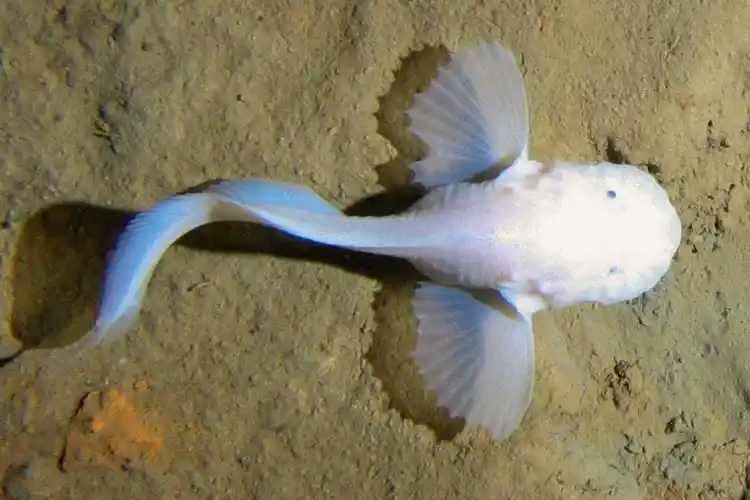
This is a small fish that lives in the "Hell Zone" of the Mariana Trench, reaching a depth of 8,178 meters. Despite its cute, tadpole-like appearance, it is the apex predator of the area.
They have extremely flexible bones, large stomachs and livers to adapt to extremely high-pressure environments—the pressure they can withstand is equivalent to the Eiffel Tower pressing down on a toe!
5. Common Fangtooth
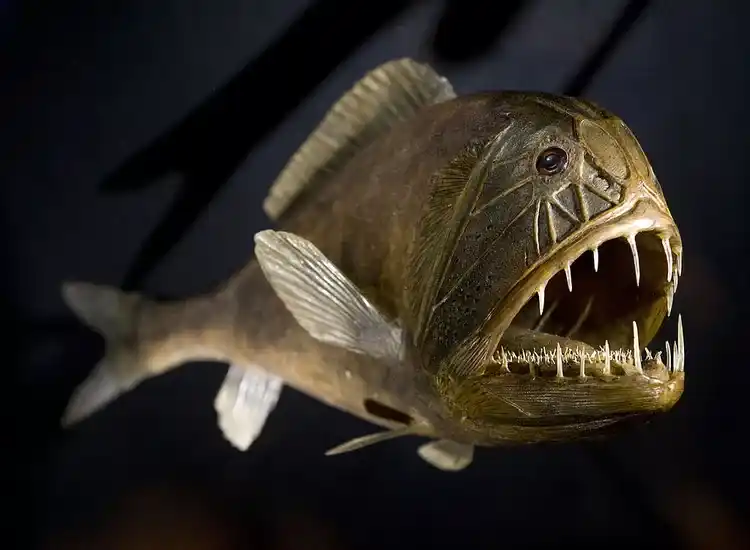
This small fish, only about 17 centimeters long, inhabits waters up to 5,000 meters deep. Its name comes from its enormous fangs, which even prevent it from closing its mouth.
Despite its fierce appearance, whether it actively hunts remains controversial. Some studies suggest it ambushes its prey rather than actively pursuing them.
6. Cookiecutter Shark
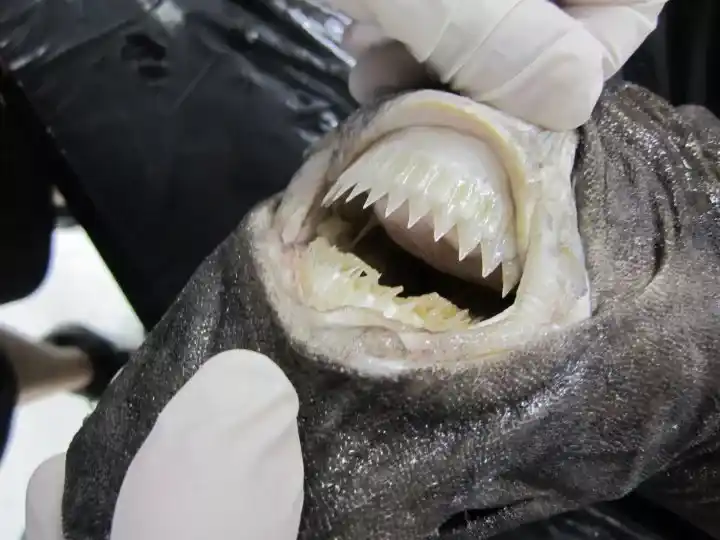
These seemingly inconspicuous little sharks mainly live at depths of 1,000 meters in tropical waters and are known for "biting round chunks of flesh," earning them the nickname "vampires" of the deep sea.
They have slender bodies and are named "cigar sharks" because they resemble cigars. They have light-emitting organs on the bottom of their bodies, which allow them to disguise themselves as small fish from below, lure prey, and then quickly bite off a piece of meat.
7. Viperfish

Vipers are renowned in the deep sea for their enormous jaws, sharp teeth, and terrifying appearance. They hide at depths of up to 1,500 meters during the day and rise to shallower waters at night to hunt.
This fish, which can grow up to 30 centimeters long, uses light-emitting organs on its body to attract prey. If that fails, it will dash at extremely high speed and pierce its prey with its sharp teeth.
8. Frilled Shark
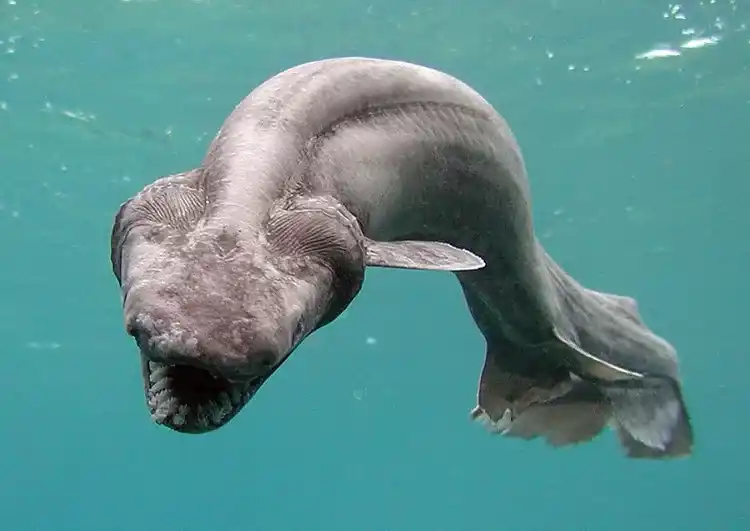
The pleated shark, with its eel-like body and more than 300 serrated teeth, lives at depths of 500 to 1,000 meters and is known as a "living fossil."
It may be one of the prototypes of ancient "sea monster legends". Surprisingly, scientists have yet to observe them feeding.
9. Lanternfish
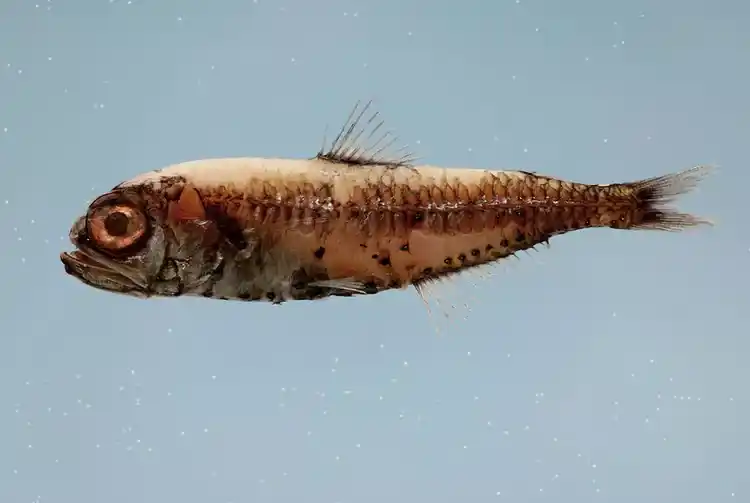
Lanternfish are covered in bioluminescent organs and are among the most representative bioluminescent fish. They inhabit depths of 400 to 900 meters during the day and rise to the near-shore layer to hunt at night.
Although they are only 3 to 15 centimeters long, they are an important food source for large animals such as whales, tuna, and penguins. However, they can also ingest marine plastic, thus introducing pollution into the food chain.
10. Giant Spider Crab
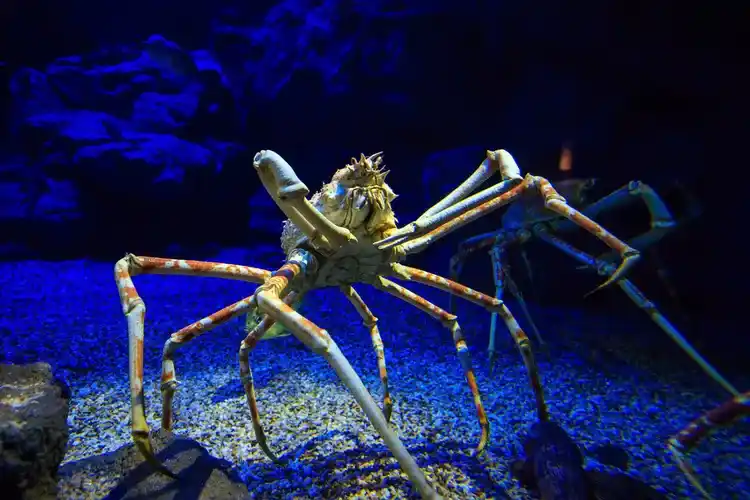
This species, the world's largest crab, lives in the deep sea at depths of 500 to 1,000 meters in Suruga Bay, Japan, and migrates to Port Phillip, Australia every year.
Adult individuals can have a leg span of up to 3.6 meters and weigh up to 18 kilograms. They are omnivorous, and to avoid predators, juveniles will decorate their shells with sponges or seaweed for camouflage.
11. Northern Wolffish
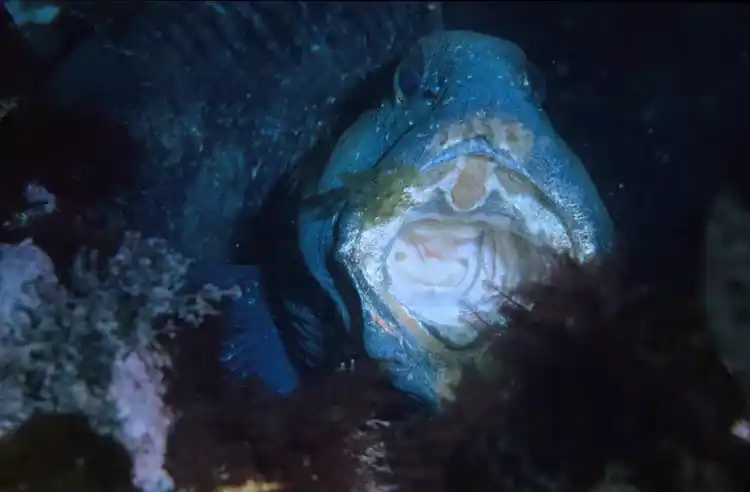
Arctic wolffish prefer the cold waters of the Atlantic Ocean and often dive to the bottom of rocks at depths of 100 to 1700 meters. They possess antifreeze proteins, hard teeth, and strong jaws, which they use to crush hard-shelled prey such as sea urchins and snails.
It can reach 1.5 meters in length and weigh about 18 kilograms. It likes to hide in rock crevices or seaweed and is a solitary but powerful deep-sea hunter.
12. Bluntnose Sixgill Shark
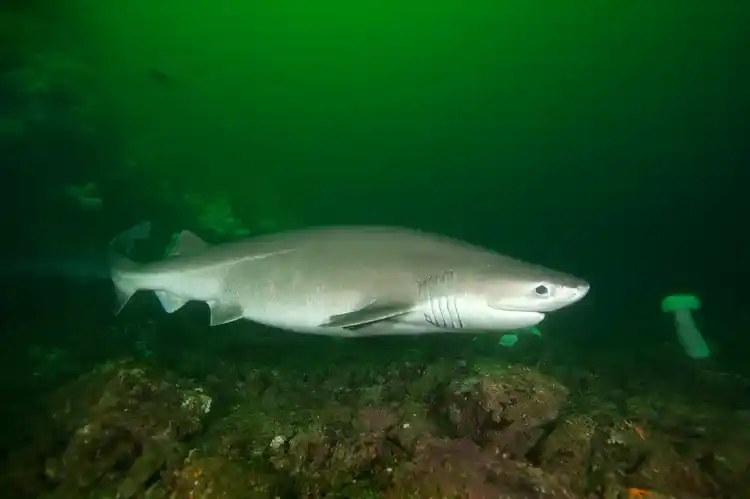
This is an ancient and enormous shark that can dive to depths of up to 2,000 meters, but usually feeds in shallower waters. It can reach a maximum length of nearly 5 meters, and its eyes are fluorescent blue-green with a unique "pineal window" that enhances its light perception.
This shark has a wide range of prey, including a variety of benthic animals such as eels, rays, and dogfish, making it one of the top predators in the deep sea.
13. Giant Tube Worm
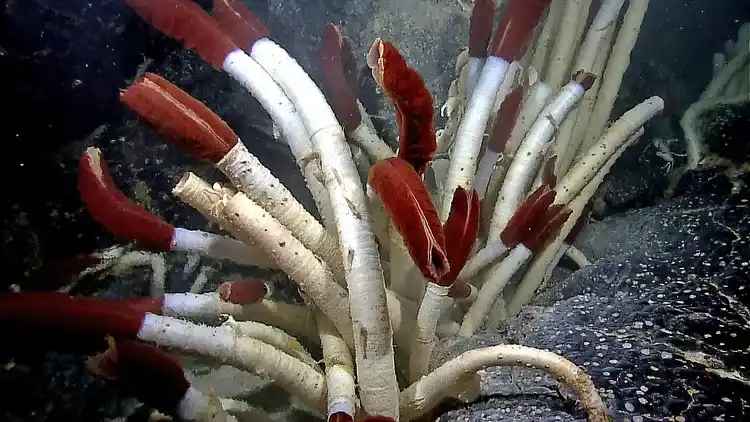
Giant tube worms live around deep-sea hydrothermal vents, such as those at a depth of about 2,500 meters below the Galapagos Trench. These vents release hot, toxic gases, but the tube worms thrive there, growing up to 84 centimeters in length each year.
They have no mouth or stomach and rely on chemosynthetic metabolism with symbiotic bacteria in their bodies, making them one of the earliest and most peculiar life forms discovered in the deep-sea ecosystem.
14. Oarfish
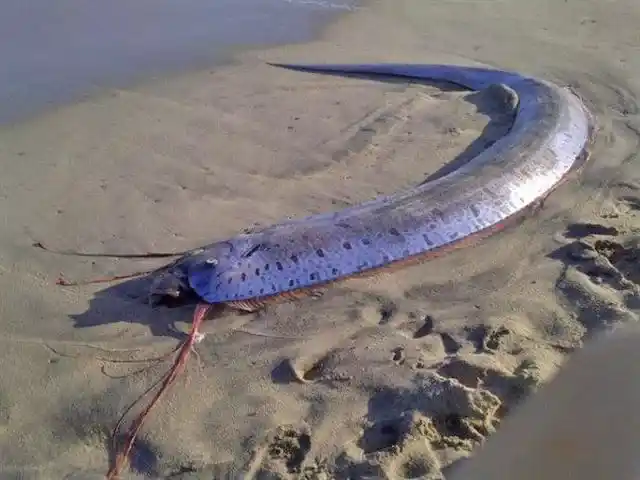
The oarfish is a long, mysterious-looking deep-sea fish that can reach up to 17 meters in length, making it the longest bony fish in the world. It inhabits depths ranging from 200 to 1000 meters.
They are often mistaken for the prototypes of "sea monsters" or "sea serpents." Their bright silver skin is easily damaged upon contact with water, which is why they are little known.
15. Squat Lobsters
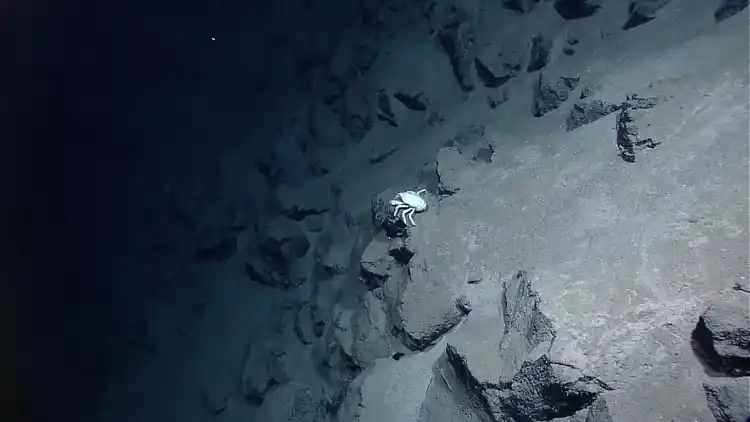
Despite their name, the squatting lobster is actually more closely related to hermit crabs and is found at depths of up to 2,600 meters. They are mostly blind, soft-bodied, and do not have a shell on their backs. They often hide in rock crevices or deep-sea corals, only exposing their strong claws.
Some species can even feed on rotten wood, whale bones, and even shipwreck debris, making them representative of deep-sea "cleaners."
16. Dinner Plate Jellyfish
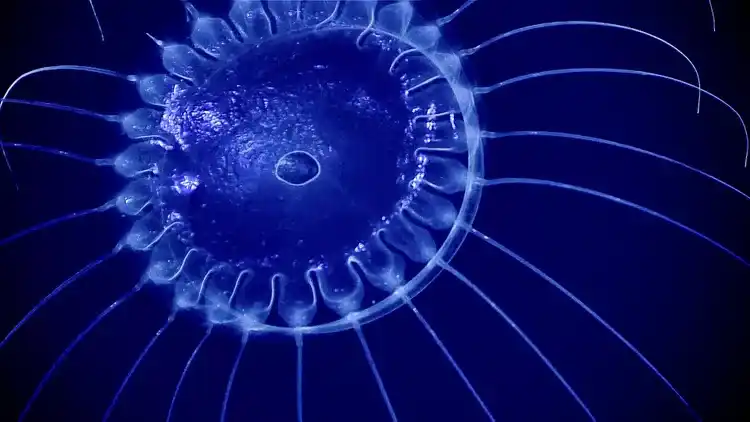
This jellyfish lives in the deep sea at depths of 700 to 1000 meters and has a disc-shaped body. Unlike most jellyfish that "wait for food," they actively hunt plankton and other jellyfish, making them rare "predatory warriors" among cnidarians.
Researchers have captured the first complete image of this jellyfish in the Musician Seamount area of Hawaiian waters, revealing more previously undiscovered deep-sea jellyfish species.
Unsolved mysteries of the deep sea
Humans have explored only 5% of the ocean's total area, and these deep-sea species quietly exist in our unknown world. They not only possess astonishing adaptability but also reveal to us the limits of biodiversity.
Continuing to focus on deep-sea research is not just about satisfying curiosity, but also an important step towards a holistic understanding of Earth's ecosystems.