I. Introduction: Can a red cloth really enrage a bull?
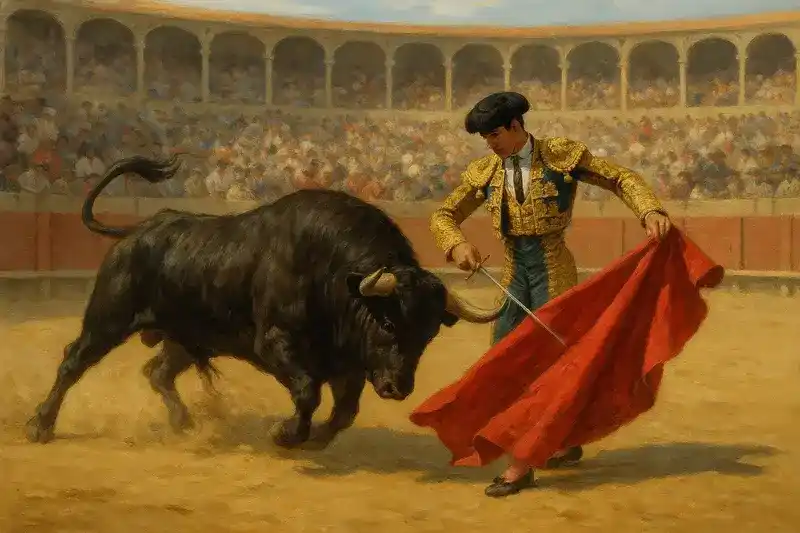
In bullfighting performances, the matador waves a red cape, provoking the bull to glare angrily and charge with a roar. This scene leads many to mistakenly believe that "red" is the main reason for the bull's anger. So the question arises: do bulls really become enraged by the sight of red? Behind this phenomenon lies the scientific logic of behavioral science and animal vision.
II. The visual system of cattle: limited color perception
2.1 Are cows colorblind?
Cows are not completely colorblind, but their color perception differs significantly from that of humans. Scientific research shows that cows are dichromatic, meaning they can only perceive the blue and green color bands and cannot recognize red.
2.2 What color does the cow see in the red cloth?
To cows, red cloth actually looks closer to gray or a darker shade and wouldn't be perceived as "red." In other words, red isn't a factor that provokes them.
III. The Real Trigger for the Bull's Aggressive Behavior
3.1 High sensitivity to motion
Cattle, especially bulls, have an extremely high level of attention and alertness to moving objects. In the bullring, the matador's constant waving of his cape is the direct cause of the bull's charge.
3.2 The Bull's Aggressive Instinct and Hormones
The bulls used in bullfighting are usually uncastrated male bulls (i.e., male bulls) with high levels of testosterone and strong aggression. These physiological factors make them more prone to aggressive behavior under strong stimulation.
3.3 Environmental Factors and Stress Response
The noise in the bullring, the clamor of the onlookers, and the unfamiliar environment all put immense stress on the bulls. This stress triggers the "fight or flight" mechanism, increasing the bull's aggressive tendencies.
IV. The choice of red is merely for performance effect.
4.1 The symbolic meaning of red representing passion and bloodshed
In Spanish bullfighting culture, red has a strong symbolic meaning. It represents passion, danger, and death; therefore, the red cloth is used more for creating a dramatic visual effect than for functionality.
4.2 The visual need to conceal bloodstains
During bullfighting, bulls often get injured and bleed. A red cape can effectively cover up the bloodstains and reduce discomfort for the audience.
V. From an animal welfare perspective: Reflections on bullfighting culture
5.1 Harm to animals from bullfighting
Although bullfighting is considered a cultural tradition, it causes serious trauma to the bulls' physical and mental health, including pain, fear, and death.
5.2 Appeals from global animal protection organizations
Many animal protection organizations have called for a ban or reform of bullfighting performances, advocating for the continuation of tradition in a more civilized and respectful way of animal life.
VI. Conclusion: Restoring the Truth from a Behavioral Perspective
Bulls don't become enraged by the color red; their aggressive behavior stems from factors such as physical stimulation, physiological hormones, and environmental stress. Red is merely a product of human culture and visual aesthetics. Understanding this helps us view animal behavior more scientifically and rationally address the relationship between tradition and animal rights.