Canaries are beloved pets for many bird enthusiasts due to their enchanting songs and vibrant colors. If you're considering adopting a canary, or simply have an interest in them, this guide will delve into all aspects of canaries, from their origins to care tips.
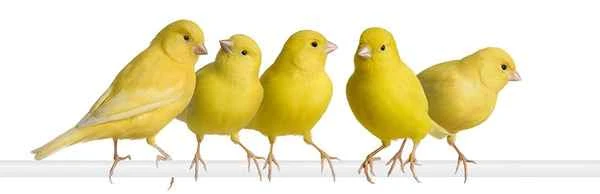
What is a canary?
The canary (scientific name Serinus canaria) is a small songbird belonging to the order Passeriformes. Canaries originally came from the Canary Islands, the Azores, and Madeira. In the 17th century, Europeans began to domesticate canaries, and after hundreds of years of artificial selection and breeding, different breeds of canaries were produced, each with unique characteristics.
Main features:
Compact: approximately 12–14 cm in length.
Weight: Approximately 12–20 grams.
Color options: Yellow, white, red, and green are the most common.
Lifespan: 10–15 years under good feeding conditions.
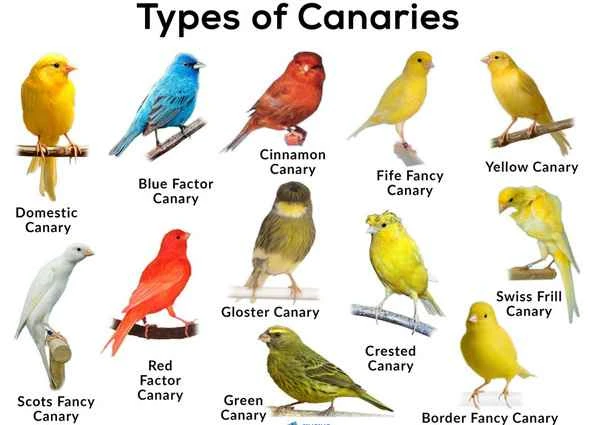
Canary breeds:
Colored canaries: known for their vibrant colors, such as the red-colored canary.
Singing canaries: known for their singing, such as the German curly canary.
Morphological canaries: known for their unique appearance, such as the ruffled canary.
How to raise a canary
Canaries are relatively easy to care for, making them suitable for beginners. However, providing a suitable environment is key to their health and well-being.
Diet and Nutrition
The diet of canaries mainly includes:
Seeds: High-quality canary-specific seeds mixed with feed.
Fresh vegetables: kale, spinach, and carrots are ideal choices.
Fruit: Apple slices (cored) and a suitable amount of bananas.
Protein: During molting and breeding season, cooked eggs or special egg yolk products can be provided.
Drinking water must be kept fresh.
Cage setup
Cage size: Minimum size is 18x18 inches, suitable for a single bird. Larger cages allow for more freedom of movement for the canary.
Perches: Provide natural wooden perches of varying diameters.
Toys and accessories: Mirrors, bells, or swings can be placed to increase psychological stimulation.
Health and Maintenance
Clean the cage, perches, and feeding utensils regularly to prevent disease.
Ensure the room is windless and well-ventilated.
Be aware of common health problems such as mites, respiratory infections, or feather-pecking behavior.
The singing ability of canaries
One of the most attractive things about canaries is their melodious singing.
Why do canaries sing?
Male canaries sing to mark their territory or attract mates, while female canaries typically do not sing but will make chirping sounds.How to encourage canaries to sing:
Provide a stress-free environment.
Maintain a consistent day-night cycle (10-12 hours of light per day).
Play recordings of other canaries' songs to encourage them.
Why doesn't my canary sing?
Molting or seasonal changes may temporarily suppress singing.
Stress, illness, or lack of stimulation may also be causes.
Canary Behavior and Interaction
Although canaries are not very affectionate pets, they are excellent at observation and can recognize their owners.
Can a canary recognize its owner?
Canaries are intelligent birds; they associate you with food and care. They may chirp or sing when you enter the room to indicate familiarity with you.
Can canaries live with other birds?
Canaries typically prefer to live alone, but can be kept in a large cage or aviary with other small, gentle birds such as finches.
Avoid keeping canaries with aggressive birds such as parrots or emus.
Reproduction and egg laying
Breeding canaries can be fun, but it requires preparation.
Breeding preparation: Provide a breeding cage, a nest, and soft nesting material such as fiber or shredded paper.
Breeding season: Spring is the best time for canaries to breed.
Egg laying: Female canaries typically lay 3-5 eggs, with an incubation period of 13-14 days.
Caring for chicks: Ensure that the parent birds have access to high-protein food during the breeding season.
Common Health Problems in Canaries
Canaries are generally healthy, but they can still experience some common health problems:
Mites: Feather mites or red mites can cause itching or feather loss. Treat with a specialized spray.
Respiratory infections: Keep the cage clean and avoid exposure to smoke or cold drafts.
Overly long nails/beak: Check and trim your nails and beak regularly.
The history of canaries
Canaries have a rich history closely intertwined with human life.
Symbolic meaning: Historically, canaries have symbolized joy, freedom, and resilience.
Canaries in the mines: In the 19th and early 20th centuries, canaries were used as a warning system for toxic gases in coal mines.
Variety evolution: Hundreds of years of breeding have created the diverse canaries we see today.
Buying and raising canaries
Where to buy canaries:
Pet shop
Online breeders
Bird adoption agencies
The price of canaries: depending on the breed and singing ability, the price is usually between $50 and $300.
Essential accessories:
Water bowl
Covering cloth (used for nighttime shading)
Calcium supplements help with beak and bone health.
Interesting comparison: Canaries with other birds
| feature | Canary | Birds | Parrot | emu |
|---|---|---|---|---|
| Singing ability | Gao (male singing) | Squeaking sound, few melodies | limited | Whistling sound |
| Maintenance requirements | Low | Low | medium | medium |
| Interaction level | Observational pets | Similar to a canary | Social interaction requires attention. | Social interaction requires attention. |
| life | 10–15 years | 5–10 years | 5–15 years | 15–20 years |
Is a canary a suitable pet for you?
Canaries are an ideal choice for those seeking a low-maintenance, visually appealing, and song-loving pet. Their gentle nature and relatively simple care requirements make them a favorite among bird enthusiasts.
If you enjoy the soothing sounds of birdsong and love observing a happy little companion, a canary might be the perfect pet choice for you.
By understanding canaries' needs and behaviors, you can create a fulfilling living environment for these adorable creatures. Whether you're a first-time bird owner or an experienced bird keeper, canaries will bring joy to your home!