When people think of venomous creatures, snakes, spiders, or jellyfish might come to mind first, rather than mammals. However, there are indeed some rare mammals that use venom for hunting, defense, or survival. These venomous mammals demonstrate the diversity and adaptability of nature. Below is a ranking of the ten most venomous mammals, which have made the list thanks to their unique venom mechanisms and their impact on prey or predators.
1. Platypus (Ornithorhynchus anatinus)
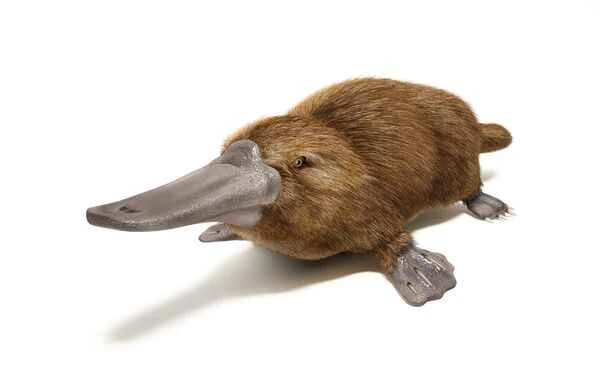
Other names: Echidna platypus. Venom source: Bone spurs on its hind legs (males only).
Venom effects: Severe pain, swelling, and nausea. Distribution: Australia.
The platypus is one of the most well-known venomous mammals. Male platypuses have sharp bony spurs on their hind legs that can be injected with venom. While not fatal to humans, the venom can cause excruciating pain and prolonged swelling. This venom is primarily used during the mating season to compete with other males, making it one of the most venomous mammals.
2. Nycticebus (Genus)
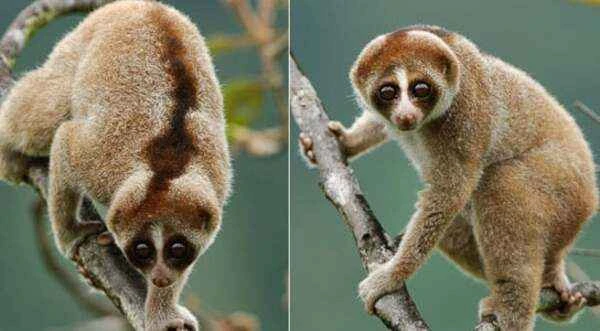
Other names: Slow loris, Night monkey. Venom source: Mixed with secretions from glands in the elbow and saliva. Venom effects: Allergic reactions, even anaphylactic shock. Distribution: Southeast Asia.
Snails are the only primates with venom. They secrete a poisonous substance from glands in their elbows, which they mix with saliva and inject by biting. This venom acts as a defense weapon, causing severe allergic reactions in predators and even endangering their lives. Despite their cute appearance, their venom is exceptionally potent when threatened.
3. Echidna (Solenodon paradoxus)
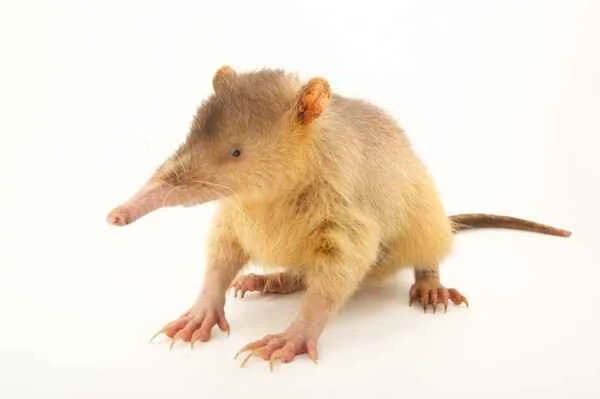
Other names: Soler mole; Venom source: Jaw groove teeth; Venom effect: Paralyzes small prey; Distribution: Hispaniola (Dominican Republic and Haiti)
The long-nosed echidna is a nocturnal insectivorous animal that injects venom into its prey through the grooves of its lower jaw teeth. The venom paralyzes or kills insects and small reptiles, making them easier to catch. While its toxicity to humans is low, a bite may cause localized swelling or mild pain.
4. Northern Short-tailed Shredder (Blarina brevicauda)
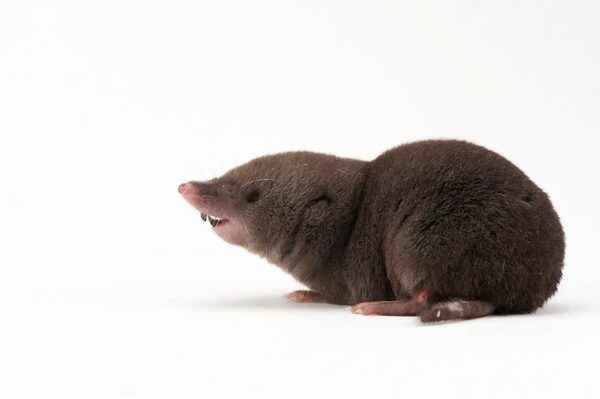
Other names: Short-tailed ground shrew. Venom source: Salivary glands. Venom effect: Paralyzes prey, causes mild irritation to humans. Distribution: North America.
The Northern Shorttail Shrew is a small but highly aggressive mammal. Its venom paralyzes insects and small animals through its saliva, allowing it to store prey for later consumption. While not particularly dangerous to humans, their bites can cause localized swelling or redness. This venom helps them stand out among small predators.
5. European mole (Talpa europaea)
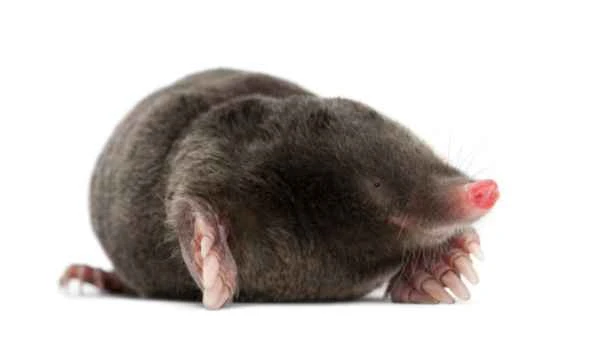
Other names: European field mole; Venom source: Saliva; Venom effect: Paralyzes earthworms and insects; Distribution: Europe
The saliva of the European mole is poisonous, paralyzing prey such as earthworms and insects. The paralyzed prey is then stored for food. While harmless to humans, its venom is an important adaptation for underground survival.
6. Vampire Bat (Desmodus rotundus)
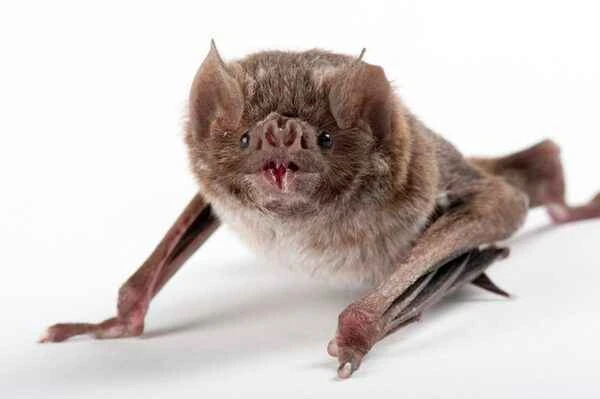
Other names: Vampire-winged rat. Venom source: Saliva containing antithrombin. Venom effects: Prevents blood clotting, causes mild irritation. Distribution: Central and South America.
Vampire bats' saliva contains potent antithrombin, which prevents the host's blood from clotting, thus helping them to continuously feed on blood. Although their bites pose no significant threat to humans, the venom in their saliva is crucial to their survival strategy.
7. European water shrew (Neomys fodiens)
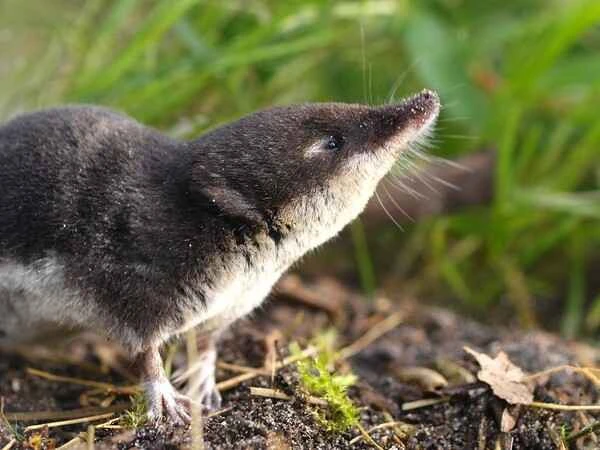
Other names: Water shrew; Venom source: Toxic saliva; Venom effect: Paralyzes and immobilizes prey; Distribution: Europe and parts of Asia.
European water shrews are among the few mammals with venom. Their saliva can paralyze insects, fish, and amphibians. While virtually harmless to humans, a bite can cause minor discomfort. For their smaller prey, this venom is a formidable weapon.
8. Crested Mouse (Lophiomys imhausi)
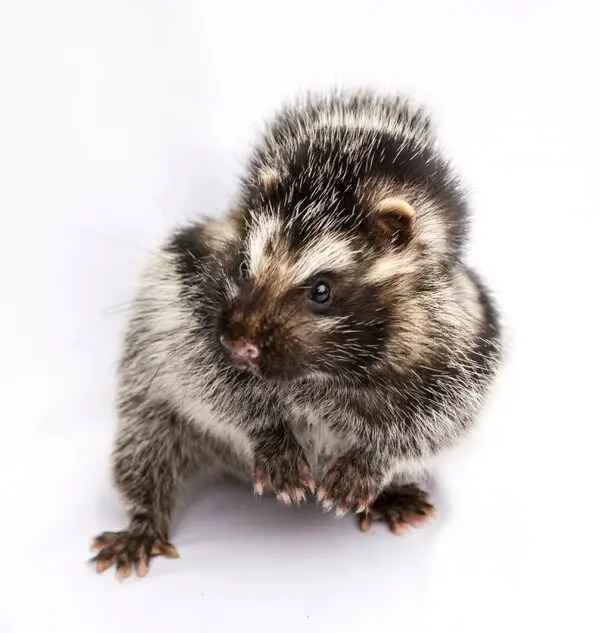
Other names: Poisonous hairy rat; Venom source: Applied to fur; Plant toxins; Effects: Causes disease or deters predators; Distribution: East Africa
The Chinese crested rat does not secrete its own venom; instead, it utilizes plant toxins (such as those from the arrow poison tree), applying them to its fur. When a predator attempts to attack, contact with this toxic fur can cause severe discomfort or even illness. This defense mechanism, which relies on external toxins, is remarkably ingenious.
9. Echidna (Tachyglossus aculeatus)
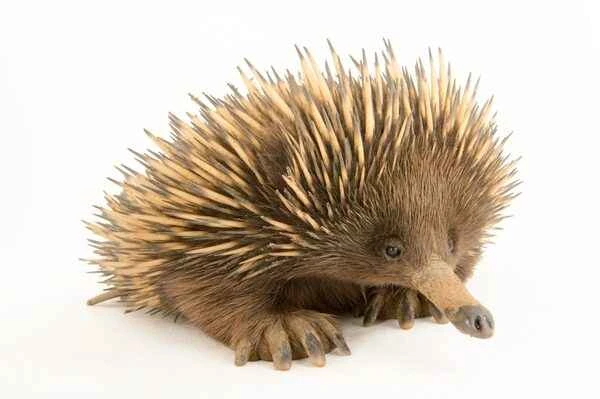
Other names: Short-nosed echidna, Spiny anteater. Venom source: Hind leg spurs (males only).
Venom effects: No significant toxicity to humans. Distribution: Australia and New Guinea.
The male echidna's hind leg spurs secrete a venom. While this venom is harmless to humans, it may play an important role in its reproductive behavior. As one of the most primitive mammals, its venom further demonstrates the diversity of evolution.
10. Hispaniola echidna (Solenodon marcanoi)
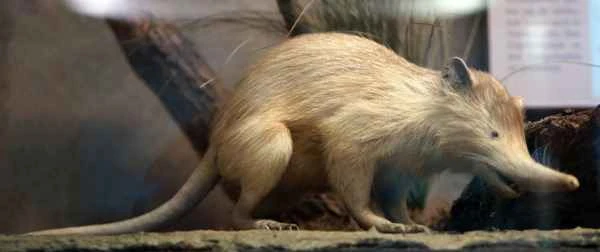
Other names: Ancient echidna; Venom source: Toxic saliva secreted from tooth grooves; Venom effect: Paralyzes small prey; Distribution: Hispaniola Island
This rare, ancient species is known for its toxic saliva. Its venom, injected through its grooved teeth, effectively paralyzes insects and small reptiles. While posing minimal threat to humans, its venom is crucial for hunting.
Venomous mammals are extremely rare in nature, but they showcase the astonishing evolutionary diversity of the natural world through their venom. From platypuses to venomous hairy rats, these species have adapted to their environments in unique ways, making full use of venom in hunting, defense, and courtship. They not only embody the diversity of life but also highlight the boundless creativity of nature.
Five mammals that use toxins or chemicals as a defense mechanism
When we think of mammals, we don't usually associate them with toxins or chemical defenses. Unlike reptiles, insects, or marine life, toxicity is very rare in mammals. However, some mammals protect themselves using exogenous toxins or chemicals they secrete themselves. These unique adaptations showcase the wonder of evolution, demonstrating how these animals, even if not natural poison makers, can cleverly defend themselves against predators. Here are five amazing mammals that use toxins or chemicals for defense.
1. Hedgehog: A guardian with venomous spines
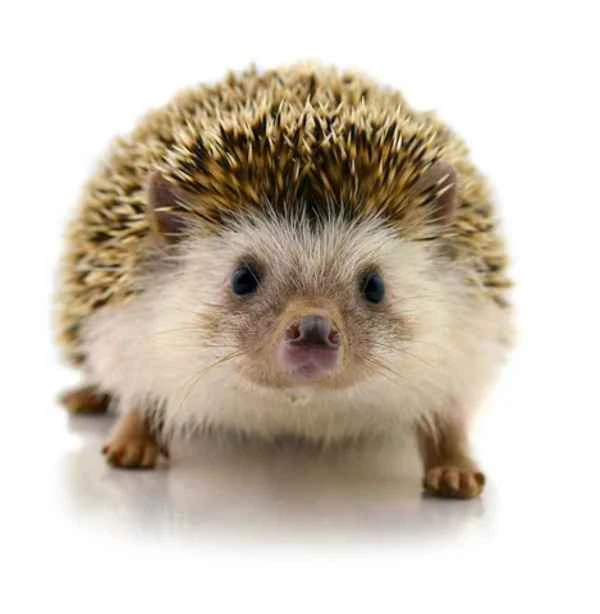
Hedgehogs may look small and cute, but don't be fooled by their appearance—these little animals can be quite aggressive when threatened. Although hedgehogs don't produce toxins themselves, they are very clever at using the toxins of other animals for defense.
In the wild, hedgehogs hunt poisonous toads, extracting the venom by biting open the toad's venom glands or chewing its skin. They then coat their spines with the venom, forming a protective layer of venom.
When faced with predators, hedgehogs curl into a ball, exposing their venom-coated spines, thus deterring predators. This clever behavior makes hedgehogs exceptionally skilled defenders; although they do not produce toxins themselves, their use of exogenous toxins demonstrates the creativity of nature.
2. Skunk: Nature's stink bomb
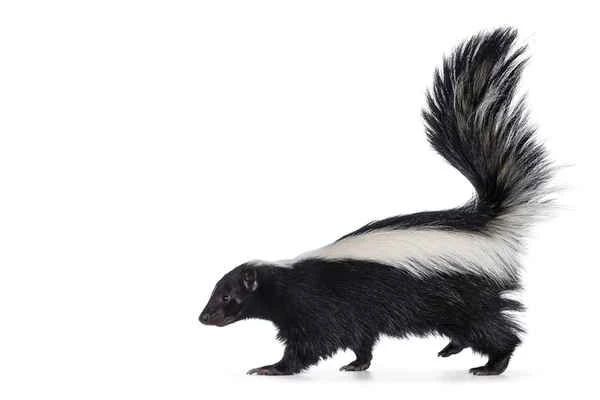
Skunks are known worldwide for their strong, foul-smelling spray. While this defense mechanism is not toxic, it is enough to make people or animals uncomfortable.
Skunk spray comes from its anal glands and contains a chemical called butyritin, a sulfur-containing compound with a very pungent smell. When sprayed, this oily substance adheres to the skin or fur, causing stinging, burning, and watery eyes.
For dogs, exposure to skunk spray can cause drooling, vomiting, red and swollen eyes, sneezing, and even temporary blindness. In rare cases, high concentrations of exposure may damage a dog's red blood cells. Skunks usually give warning signals before releasing the odor, such as raising their tails or feigning an attack, to avoid directly using this "ultimate weapon."
3. Striped Stinky Cat: Africa's "Skunk Twins"
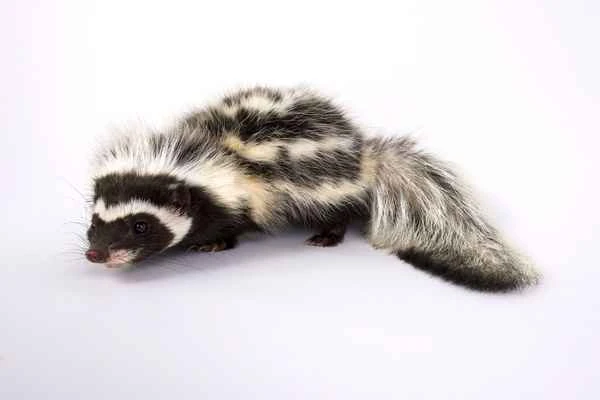
The striped skunk cat closely resembles the skunk in both appearance and behavior. This African mammal defends itself against predators by releasing a spray of strong odor.
The striped skunk cat's spray also comes from its anal glands, and its effects are similar to skunk spray. It can cause temporary blindness, irritate mucous membranes, and trigger a severe burning sensation. This strong odor is enough to deter most potential predators. Although not a toxin in the traditional sense, this chemical weapon ensures the striped skunk cat's safety.
4. Pangolin: A scaly beast with a secret weapon.

Pangolins, also known as "scaly anteaters," are famous for the keratinous scales that cover their entire bodies. These scales act like a sturdy armor, providing the pangolin with strong physical defense.
But pangolins' defenses don't stop there. When threatened, they curl into a ball, using their armor to protect themselves. In addition, pangolins release irritating chemicals from glands near their anus. This behavior is similar to that of skunks, but pangolins don't spray substances; instead, they use scent to repel predators.
5. Long-nosed Armadillo: An armored creature that exudes a musky scent.
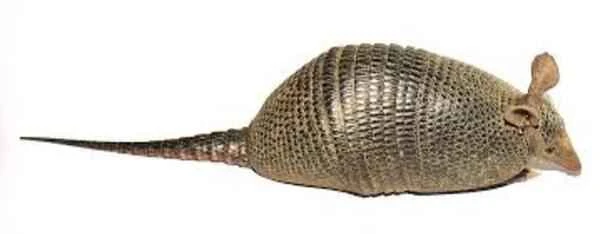
The long-nosed armadillo is a species of armadillo that lives in South America and is known for its hard keratinous scales. This shell provides excellent physical protection, but it also has another unique defense mechanism: releasing a musky scent.
When threatened, the long-nosed armadillo releases a strong musky scent. While non-toxic, this odor is overwhelming and enough to deter most predators. Combined with its robust exoskeleton, this chemical defense makes the armadillo a formidable target.
Why do these mammals rely on toxins or chemicals?
These animals demonstrate the diversity and creativity of evolution. Some animals (like hedgehogs) protect themselves with exogenous toxins, while others (like skunks and striped skunk cats) use chemicals to deter predators.
Although toxicity is extremely rare in mammals, the existence of these defense mechanisms demonstrates the remarkable intelligence in mammalian survival strategies. These unique adaptations not only protect them from harm but also provide valuable insights into the diversity of the animal world.
From hedgehogs covered in venomous spines to skunks reeking of foul odors, these animals showcase the amazing defense mechanisms nature has endowed upon them. While their defenses may not conform to the traditional definition of "toxicity," they are undoubtedly highly effective. These animals remind us that the miracles of evolution are everywhere, and every living thing adapts to the challenges of the world in its own way.