Salivary cysts in dogs are a common condition where saliva accumulates outside the oral glands, forming a sac-like structure. When the ducts responsible for saliva secretion are blocked, ruptured, or damaged, saliva cannot flow normally into the mouth and instead accumulates in the surrounding tissue, forming a cyst. While this condition can seem worrying, most dogs recover completely with proper care and treatment. This article will discuss the causes, symptoms, diagnosis, and treatment of salivary cysts in detail, helping you gain a comprehensive understanding of this condition.
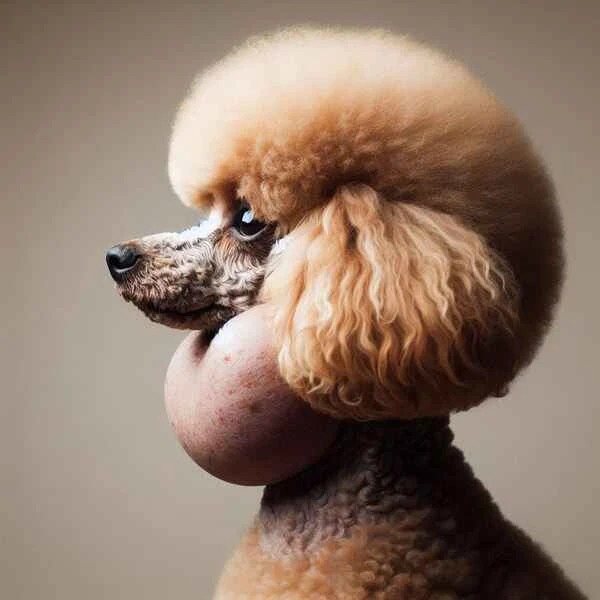
What is a salivary cyst in a dog?
A salivary cyst is a cyst-like structure formed under the skin due to saliva leakage. Saliva is secreted by the salivary glands and normally enters the oral cavity through ducts. However, when these ducts are blocked or damaged, saliva accumulates in the surrounding tissue, forming a cyst.
Causes of salivary cysts in dogs
There are many factors that can cause salivary cysts, the most common of which include:
Trauma or injury
Bites, scratches, or other injuries to the face or neck area can damage the salivary glands or ducts, causing saliva leakage and the formation of cysts.
Saliva duct blockage
Blockage of the ducts can prevent the normal flow of saliva, leading to saliva buildup and the formation of cysts.
infection or inflammation
Infections or inflammation of the salivary glands can damage the tissue and cause saliva to leak into the surrounding area, forming cysts.
Innate factors
In some cases, salivary cysts may be congenital due to abnormal development of the salivary glands or ducts.
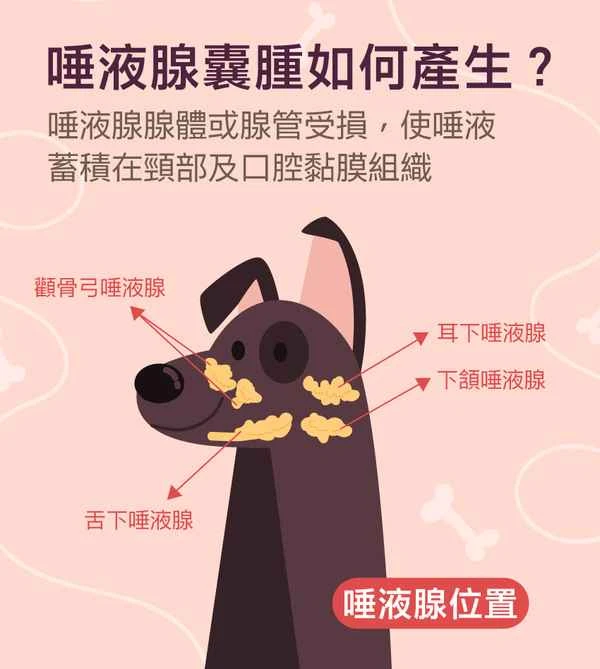
Symptoms of salivary cysts in dogs
Early recognition of the symptoms of salivary cysts can help treat your dog as early as possible. Common symptoms include:
lump or swelling
Soft, fluid-filled lumps or swellings often appear near the mouth, neck, or chin. The size of the lumps may vary and they may gradually increase in size over time.
Excessive drooling
Due to abnormal salivary gland function, dogs may begin to drool excessively, especially near the affected area.
pain or discomfort
If the affected area is touched, the dog may show discomfort or pain, especially if the cyst is large or compressing other structures.
Difficulty eating or drinking
If the cyst is located near the mouth, it may affect the dog's ability to eat or drink normally.
Diagnosis of salivary cysts in dogs
If you suspect your dog has a salivary cyst, take it to the veterinarian for a thorough examination. The diagnostic process typically includes the following steps:
Clinical examination
The veterinarian will perform a physical examination, looking for any unusual lumps or swelling around the mouth, neck, or chin. The veterinarian will also assess the dog's overall health and observe for other symptoms, such as excessive drooling.
Imaging examination
Veterinarians may use imaging examinations such as X-rays or ultrasound to determine the size, location, and extent of the cyst. These examinations help determine if the cyst is affecting deeper tissues.
fine needle puncture
In some cases, a veterinarian may perform a fine-needle aspiration (FNA) to drain fluid from the cyst. The extracted fluid will be analyzed to confirm the diagnosis and rule out infection or other conditions.
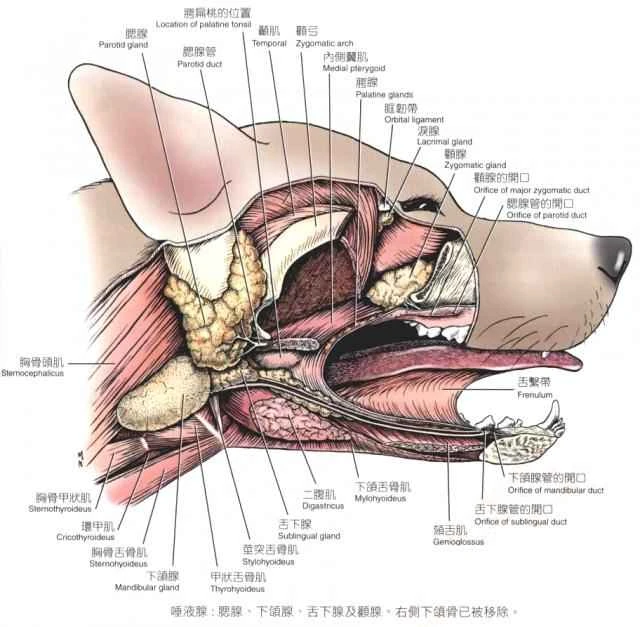
Treatment of salivary cysts in dogs
Treatment for salivary cysts usually requires medical intervention, and the treatment plan varies depending on the severity and location of the cyst.
Surgical resection
The most common and effective treatment for salivary cysts is surgery. During the procedure, a veterinarian will remove the affected salivary gland or duct and drain the cyst. This surgery usually results in a complete cure.
Drainage or suction
If the cyst is small, a veterinarian may attempt to drain or aspirate the fluid inside. However, this method may not be as effective as surgical removal, and the cyst may recur.
Drug treatment
If the cyst is caused by infection or inflammation, a veterinarian may prescribe antibiotics or anti-inflammatory medications to help relieve the symptoms.
Postoperative care
After treatment, the dog needs follow-up examinations to ensure the cyst does not recur. The veterinarian will monitor the area for signs of infection or recurrence.
Types of salivary cysts in dogs
Salivary cysts are classified into different types depending on the location of the affected salivary gland:
Neck cysts
This type occurs in the neck area and is the most common. It can cause swelling on one side of the neck.
Sublingual cyst
This type occurs in the sublingual region and may cause discomfort when the dog eats or drinks. It is less common than neck cysts.
Pharyngeal cysts
This type is relatively rare and affects the back of the throat, which may cause difficulty swallowing or breathing.
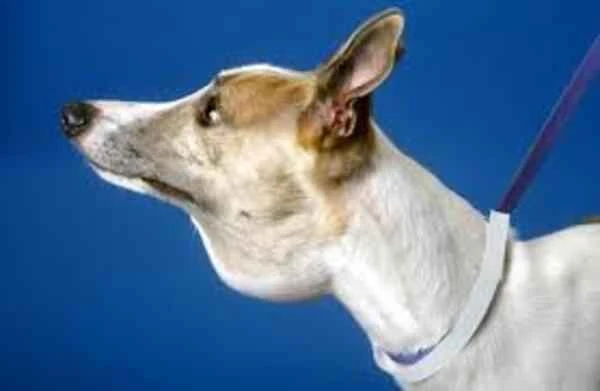
Prognosis of salivary cysts in dogs
With proper treatment, most dogs recover completely from salivary cysts. The prognosis depends on the size and location of the cyst and the type of treatment. Surgical removal usually leads to a complete cure with a low risk of recurrence. However, if the cyst is left untreated, it may continue to grow and cause pain or discomfort for the dog.
Prevention of salivary cysts in dogs
While salivary cysts are not always preventable, there are some measures that can reduce the risk of developing them:
Regular dental checkups
Regularly take your dog for oral health checkups to maintain healthy teeth and mouth. Avoiding salivary gland infections or injuries can reduce the chance of developing salivary cysts.
Avoid facial trauma
By preventing dogs from fighting or playing roughly with other animals, the risk of salivary gland damage can be reduced, thereby decreasing the occurrence of cysts.
Salivary cysts are a common condition in dogs, but they can be effectively managed and treated with the right treatment. Understanding their causes, symptoms, and treatments can help your dog recover as quickly as possible. If you notice any unusual swelling or discomfort around your dog's mouth or neck, consult a veterinarian promptly. Early diagnosis and treatment are crucial for your dog's recovery.