Plecos , also known as suckerfish or algae-eating fish , are a popular aquarium fish native to the tropical rivers of Central and South America . In the wild, these fascinating fish can live for over 15 years and grow to 2 feet long. With their unique sucker-like mouths , plecos can attach themselves to surfaces such as rocks, logs, and even glass, helping them stay attached while feeding.
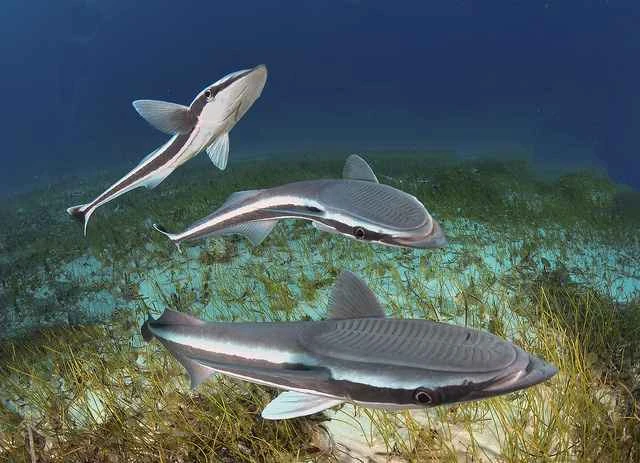
Habitat and life of remoras in aquariums
In captivity, plecos typically do not reach their maximum size or lifespan. While these fish can live up to 10 to 15 years in aquariums, they rarely exceed 18 inches in length. Unlike their natural habitat in the wild, they generally do not reproduce successfully in captivity. Plecos can be compatible with many other fish in the tank, but they will exhibit territorial and aggressive behavior, especially towards other plecos.
| Main care requirements for suckerfish | Detailed information |
|---|---|
| life | Captive breeding for 10 to 15 years |
| Maximum size | Longest 18 inches |
| Aquarium compatibility | Suitable for most species, but not for other fish species. |
| diet | Mainly composed of algae, supplemented with algae cakes |
Although plecos are excellent algae eaters, it is important to provide them with additional algae cakes or supplemental food to ensure a balanced diet.
Unique Behavior of Alien Fish
One fascinating aspect of remora fish is the superstition surrounding their name. Some aquarium enthusiasts avoid saying or writing the full name "plecostomus" because they fear it might bring bad luck, and some even believe it could lead to the fish's death. This superstition leads many enthusiasts to simply refer to plecostomus as "pleco."
Another peculiar behavior is that plecos can attach to the surface of the aquarium, thanks to their sucker-like mouths . Suckerfish can maintain one posture for hours or even days, especially when attached to the side of the tank.
| The strange things about suckerfish | Detailed information |
|---|---|
| superstitious | Many people avoid saying "plecostomus" due to superstition. |
| Suction Cup Mouth | Plecos can attach to the surface of the tank for extended periods of time. |
| air storage | It can store air in its intestines, allowing it to survive for up to 30 hours without water. |
Furthermore, plecos possess the remarkable ability to store air in their intestines, enabling them to survive in harsh water conditions and even out of water for up to 30 hours . This adaptation is crucial for their survival, especially in low-oxygen environments.
Wild pleco behavior
The term "cleaner fish" refers to all species within the genus *Hypostomus* , including 138 species of suckerfish . These fish are primarily nocturnal and feed on algae in their natural tropical freshwater habitats . During the breeding season, males and females dig a burrow where the female lays up to 300 eggs. The male guards the eggs until they hatch, a process that can take anywhere from 4 to 20 days , depending on the species.
| Scavenger Reproduction Facts | Detailed information |
|---|---|
| spawning | Maximum 300 eggs |
| Incubation time | 4 to 20 days, depending on the species |
| Male characters | Guard the eggs until they hatch |
Plecostomus is an invasive species
In addition to its native regions of Central and South America , Plecostomus has been introduced to various parts of the United States, where it has become an invasive species . Pet owners and aquarium enthusiasts introduce the fish into local waterways either to control algae or simply because they no longer wish to care for them.
Plecostomus has successfully established breeding populations in several US states, with Texas being one of the regions where these fish are particularly abundant.
| Location of invasive species | Detailed information |
|---|---|
| Texas | Breeding populations in at least four counties |
| Other states | Found in Florida, Arizona, and Louisiana |
Plecostomus 's rapid adaptation to new environments has made it a powerful invasive species, and its presence has impacted local ecosystems.
in conclusion
Plecos , also known as suckerfish , are a unique and resilient species that thrive in both the wild and captive environments. Known for their sucker-like mouths and algae-eating habits, they are a popular addition to many aquariums. However, it is important to understand the care needs of these fish and the challenges they face when introduced to non-native environments. Whether in the wild or in aquariums, plecos remain a fascinating species worth observing.